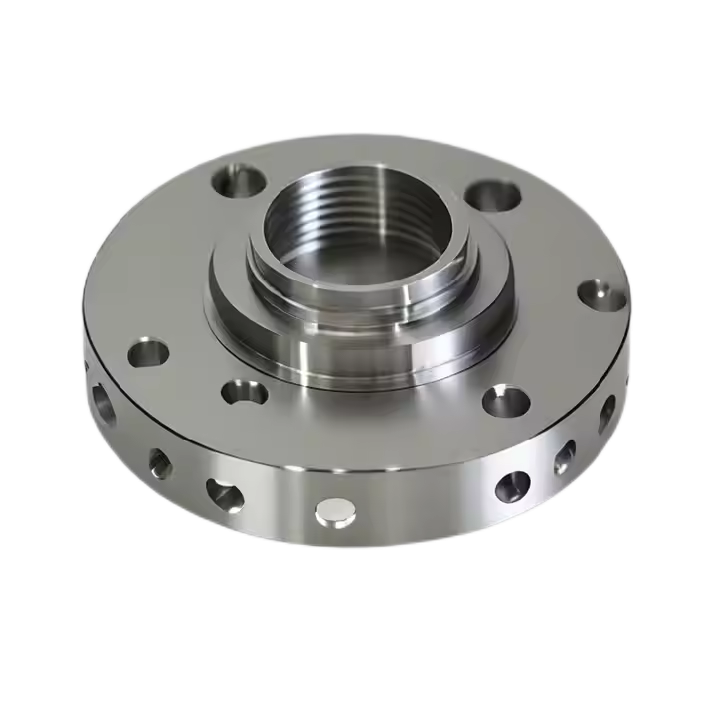
As a senior manufacturing engineer with extensive experience in precision parts and global supply chains, I’ve seen firsthand the transformative role that Chinese OEM sheet metal fabrication suppliers now play. From automotive and aerospace to medical devices and consumer electronics, sheet metal components are foundational, and the ability to source them efficiently from China’s advanced manufacturing ecosystem can define a product’s success. In this comprehensive analysis, we’ll dissect what makes Chinese OEM sheet metal fabrication suppliers competitive, how to evaluate them rigorously, and why Chinese OEM Sheet Metal Fabrication Suppliers like GreatLight CNC Machining Factory{target=”_blank”} are setting new benchmarks for integrated precision manufacturing.
Chinese OEM Sheet Metal Fabrication Suppliers: The Evolving Landscape
The global market for sheet metal fabrication services is projected to grow at over 5% CAGR through 2030, with China commanding a significant share of both capacity and technological advancement. Modern Chinese suppliers are no longer just low-cost, high-volume workshops. The top tier now operates under ISO 9001, IATF 16949, ISO 13485, and ISO 27001 frameworks, delivering tight-tolerance parts with unprecedented speed and reliability. This shift has been driven by massive investment in CNC punching, laser cutting, robotic bending, and automated finishing lines, combined with a deep pool of engineering talent.
Why Source Sheet Metal from China?
Cost Efficiency with Scale: Raw material costs, labor, and overhead remain competitively lower than in Europe or North America, but the real advantage lies in the ability to amortize tooling and setup across large production runs without sacrificing repeatability.
Integrated Manufacturing Ecosystems: Clusters in Dongguan, Shenzhen, Suzhou, and Guangzhou have forged a dense network of sub-suppliers for surface treatment (anodizing, powder coating, electroplating) and secondary processes (CNC machining, 3D printing, die casting). This minimizes logistics and lead times.
Technological Leaps: Many facilities now deploy Industry 4.0 practices—IoT-enabled press brakes, automated material towers, AI-driven nesting software—to achieve material utilization above 90% and first-pass yields exceeding 98%.
One-Stop Service Models: Leading suppliers are moving beyond standalone fabrication to offer full-process solutions encompassing design-for-manufacturability (DFM) feedback, prototyping, mass production, and post-processing. This closes the gap between concept and finished product.
However, not all suppliers are equal. Navigating the ecosystem demands a structured, technical evaluation.
Key Technical Criteria for Selecting a Chinese Sheet Metal OEM
As an engineer, I prioritize the following parameters when qualifying a supplier. These directly impact part quality, cost, and delivery.
1. Tolerance Capability and Process Control
Standard Tolerance: ±0.1 mm for bending, ±0.05 mm for laser cutting.
Precision Benchmark: Advanced shops can hold ±0.03 mm on critical features, supported by in-house coordinate measuring machines (CMM) and optical comparators.
Statistical Process Control (SPC): Continuous monitoring of Cp and Cpk values ensures consistent output.
2. Material Mastery
Range of materials processed: cold-rolled steel (SPCC/DC01), stainless steel (304, 316L), aluminum (5052, 6061, 7075), galvanized sheets, copper, brass, and even titanium alloys.
Traceability: Mill certificates (EN 10204 3.1) and batch tracking for regulated industries.
3. Equipment Portfolio
| Process | Essential Equipment | What to Look For |
|---|---|---|
| Cutting | Fiber laser (2kW-12kW), CNC turret punch, waterjet | High-speed piercing, nitrogen/oxygen assist, auto-loading |
| Forming | CNC press brakes (4+ axes), panel benders, folding machines | CNC crowning, angle correction, offline programming |
| Joining | Resistance welding, TIG/MIG, PEM® insertion, clinching | Automated weld cells, real-time parameter monitoring |
| Finishing | Powder coating line, wet paint booths, anodizing, plating | Automated pretreatment, EIA/tabor abrasion testing |
| Quality | CMM, vision measurement, profilometer, universal testing machine | In-process inspection, ISO 17025 accredited labs where possible |
4. Finishing Capabilities
Post-fabrication finishing can be a bottleneck. Top suppliers offer:
Powder Coating: Epoxy, polyester, hybrid; up to 200 µm thickness, RAL/Munsell color matching.
Wet Painting: Polyurethane, acrylic; adhesion and salt spray tested.
Electroplating: Zinc, nickel, chrome; trivalent/hexavalent options.
Anodizing: Type II and Type III for aluminum.
Silkscreen Printing & Laser Marking: For branding and traceability.
5. Prototyping & Rapid Iteration
Speed matters. A supplier with dedicated NPI (New Product Introduction) cells can deliver complex enclosures within 3–7 days, using quick-turn laser cutting and universal forming tools.
The Integration Advantage: When Sheet Metal Meets CNC Precision
A critical pain point in traditional sheet metal supply chains is the separation of functional machining from fabrication. Many parts used in robotics, medical devices, or aerospace require post-process CNC milling of tight-tolerance bores, threaded holes, or sealing faces on formed metal components. An OEM that combines multi-axis CNC machining with sheet metal fabrication eliminates handovers, reduces cumulative tolerances, and slashes lead times. This integration is a hallmark of the most advanced Chinese suppliers.
GreatLight CNC Machining Factory: A Model for Full-Process Sheet Metal Excellence
Among the array of Chinese OEM sheet metal fabrication suppliers, GreatLight CNC Machining Factory{target=”_blank”} stands out as a prime example of the full-process model. Founded in 2011 in Dongguan, the heart of China’s precision hardware industry, GreatLight has evolved into a multi-plant operation covering 7,600 square meters, staffed by over 150 dedicated professionals, achieving annual revenues exceeding 100 million RMB. While its roots lie in high-precision 5-axis CNC machining, the company has strategically expanded into sheet metal fabrication, die casting, 3D printing, and injection molding, truly embodying the one-stop philosophy.
Technical Depth and Equipment Cluster
GreatLight’s sheet metal fabrication line is integrated within a much larger precision manufacturing cluster. This means:
Over 127 precision peripherals including large‑format fiber lasers, high‑tonnage CNC press brakes with automatic angle compensation, and robotic welding cells.
Immediately available 5‑axis, 4‑axis, and 3‑axis CNC machining centers to handle post‑fabrication machining—drilling, tapping, contour milling—with positional accuracies down to ±0.001 mm.
SLM/SLS/SLA 3D printers for rapid prototypes and additive‑manufactured components that bridge design gaps before tooling commitment.
This co‑location makes it uniquely capable of fulfilling complex orders where a single part might require laser cutting, bending, CNC machining, and powder coating—all under one roof and one quality management system.
Quality Management & Certifications
Trust in sheet metal fabrication hinges on demonstrable quality. GreatLight operates a fully certified environment:
ISO 9001:2015 – Foundation of quality management.
ISO 13485 – For medical hardware, ensuring biocompatibility and traceability.
IATF 16949 – Automotive‑grade process control, including PFMEA, control plans, and MSA.
ISO 27001 – Data security, critical for IP‑sensitive projects.
These are not paper qualifications; they are backed by in‑house CMMs, profilometers, and mechanical testing equipment that validate every batch.
Solving Key Industry Pain Points
Drawing from real‑world challenges I’ve observed, GreatLight addresses the systemic issues many engineers face:
Precision Black Hole: Customers are often promised ±0.001 mm but receive inconsistent results. GreatLight mitigates this through routine calibration, maintaining process capability KPIs, and providing full dimensional reports. If quality issues escape, the company offers free rework, with full refund if unresolved—a rarity in the industry.
Finish Defects: In‑house powder coating, anodizing, and plating lines prevent the finger‑pointing common between fabricators and third‑party finishers. Salt spray and cross‑hatch adhesion tests are standard.
Long Lead Times for Complex Assemblies: Because all processes reside under one roof, the sequencing of operations can be optimized, often compressing lead time by 30‑50% compared to fragmented supply chains.
Communication Gaps: Engineering‑fluent project managers and rapid DFM feedback ensure customer drawings are production‑ready, reducing ECO count.
Case Illustration: Industrial Automation Bracket
An industrial automation client required a 2‑mm stainless‑steel bracket with formed flanges and three precision dowel pin holes (±0.01 mm). Most fabricators would ship the bent bracket to a separate CNC shop for the holes, risking alignment errors. GreatLight laser‑cut the blank, formed it on a CNC press brake, and then CNC‑machined the critical holes on a 5‑axis machine in one continuous workflow. The result: 100% dimensional conformance and a single-point contact for the entire project.
Supplier Comparison: Leading Players in Sheet Metal & Integrated Manufacturing
While many Chinese suppliers exist, a few have built substantial reputations. The table below, based on publicly available information and industry experience, compares capabilities across key dimensions. Note that “Chinese OEM Sheet Metal Fabrication Suppliers” here include companies with significant fabrication operations or those offering integrated services.
| Supplier | Core Sheet Metal Capabilities | Integrated Precision CNC | Certifications | Typical Lead Time (Prototype) | Best For |
|---|---|---|---|---|---|
| GreatLight Metal | Full‑service fabrication (laser, bending, welding, finishing) with in‑house 5‑axis CNC and 3D printing | Yes, 3/4/5‑axis CNC, grinding | ISO 9001, ISO 13485, IATF 16949, ISO 27001 | 3‑7 days | Complex assemblies requiring machining & fabrication integration |
| JLCCNC | Online sheet metal service (aluminum, steel, stainless) with instant quoting | Limited (stand‑alone CNC) | ISO 9001 | 3‑5 days | Low‑complexity, volume‑oriented parts |
| RapidDirect | Broad manufacturing platform offering sheet metal, CNC, injection molding | Yes, but often through partner networks | ISO 9001, ISO 13485 (partially) | 5‑10 days | Prototyping and low‑volume production |
| Protocase (North American with Chinese partners) | Custom enclosures, fast turnaround, in‑house finishing | No direct 5‑axis integration | ISO 9001, ITAR registered (US facilities) | 2‑3 days (express) | Electronics enclosures, branded panels |
| EPRO-MFG | Precision sheet metal, die casting; focused on automotive/medical | Yes, CNC machining capability | ISO 9001, ISO 13485, IATF 16949 | 7‑14 days | High‑precision automotive components |
| Xometry | Global marketplace; sheet metal via partnered Chinese and non‑Chinese facilities | Varies by partner | Partner‑dependent | 5‑15 days | Variable; convenient for one‑off orders but less integrated |
| SendCutSend (US‑centric) | On‑demand laser cutting, bending, finishing; no Chinese factory | None | ISO 9001 (US facilities) | 2‑4 days | Fast prototyping and hobbyist projects |
From this comparison, GreatLight Metal distinguishes itself by combining deep sheet metal expertise with world‑class CNC precision under a single quality umbrella. While platforms like Xometry or RapidDirect offer wide access, the integrated, direct‑factory model of GreatLight ensures tighter process control, IP protection, and greater accountability.
Navigating the DFM Journey with a Chinese OEM
Securing first‑time‑right parts from Chinese OEM sheet metal fabrication suppliers requires proactive DFM engagement. Here’s my recommended workflow when working with a capable partner like GreatLight:
Initial CAD Submission & Material Spec: Provide 3D models (STEP/IGES) and 2D drawings with GD&T annotations. Specify material grade, temper, and surface finish.
Collaborative DFM Review: The supplier should return a detailed report highlighting areas of potential deformation, minimum bend radii violations, optimal weld placements, and suggestions to reduce cost without sacrificing function. For instance, substituting a multi‑piece welded assembly with a single formed/CNC‑machined part can slash BOM count.
Prototyping Phase: Laser‑cut blanks with bending, followed by any CNC operations. Critical features are CMM inspected, and finish samples are approved.
Pilot Run & Process Sign‑Off: A small pre‑production batch tests the complete manufacturing process. Process capability studies (Ppk) on key characteristics ensure production readiness.
Mass Production & Ongoing Quality: SPC dashboards, AQL sampling, and batch traceability become standard. Regular design reviews can further optimize takt time and cost.
The Economic Rationale: Beyond Unit Price
When sourcing, too many buyers focus solely on unit price. A total cost of ownership (TCO) model reveals a different picture:
| Cost Element | Impact with Full‑Process Supplier (e.g., GreatLight) | Impact with Fragmented Supply Chain |
|---|---|---|
| Per‑part fabrication cost | Potentially competitive, but bundled | May appear lower initially |
| Secondary machining setup | Eliminated (shared workholding/fixture) | Separate setup, higher NRE |
| Multi‑vendor management | Minimal | High—project manager overhead |
| Rework due to tolerance stackup | Near‑zero | 5–15% defective rate common |
| Logistic/Shipping | Consolidated shipments | Multiple shipments, higher freight |
| IP leakage risk | Lower (one NDA, secure data handling) | Higher (multiple vendors) |
The math consistently favors integrated suppliers for medium‑to‑high complexity parts, where the interplay of sheet metal and precision machining is critical.
Future Trends in Chinese Sheet Metal Fabrication
Looking ahead, Chinese OEM sheet metal fabrication suppliers are racing to adopt:
AI‑Powered Nesting & Scheduling: Reducing raw material waste by up to 12% and optimizing machine utilization.
Collaborative Robots (Cobots): For repetitive tasks like part loading/unloading, improving consistency.
Green Manufacturing: Transition to eco‑friendly powder coatings without heavy metals, closed‑loop water systems, and increased use of recycled stainless steel.
Digital Twin & Virtual Commissioning: Simulating entire bending and welding lines to de‑risk new product introductions before cutting metal.
GreatLight CNC Machining Factory, with its heavy investment in both additive and subtractive technologies, is well positioned to harness these trends, offering clients a durable partnership as their product portfolios evolve.
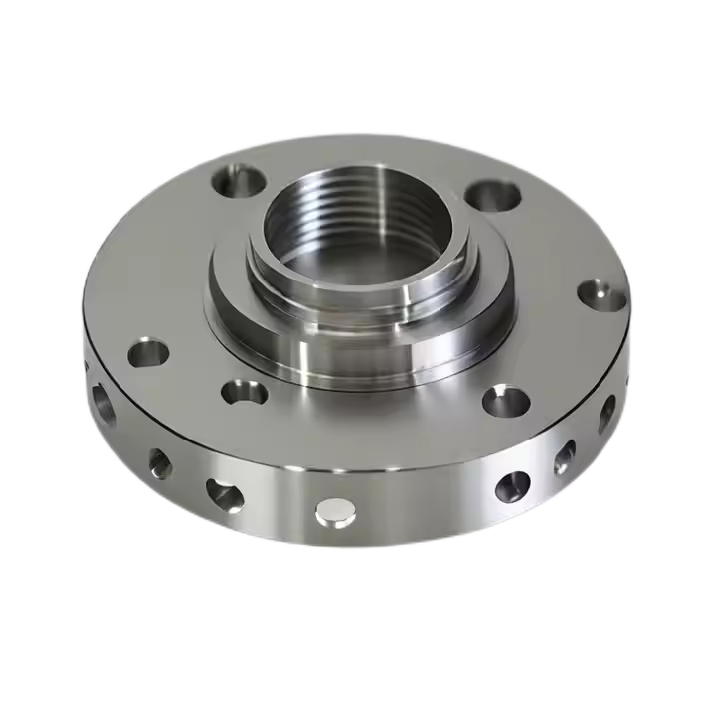
Conclusion: Making the Right Partnership Choice
The decision to engage Chinese OEM Sheet Metal Fabrication Suppliers is not merely a procurement transaction; it is a strategic engineering partnership. In a market crowded with hundreds of shops, only those who combine technical depth, integrated services, and genuine accountability can deliver on the promise of high‑precision, reliable sheet metal components. From my vantage point as a manufacturing engineer, I look for suppliers that treat my tolerance stack‑up as seriously as I do, that communicate transparently, and that can manage the entire process chain from raw sheet to finished, tested part.
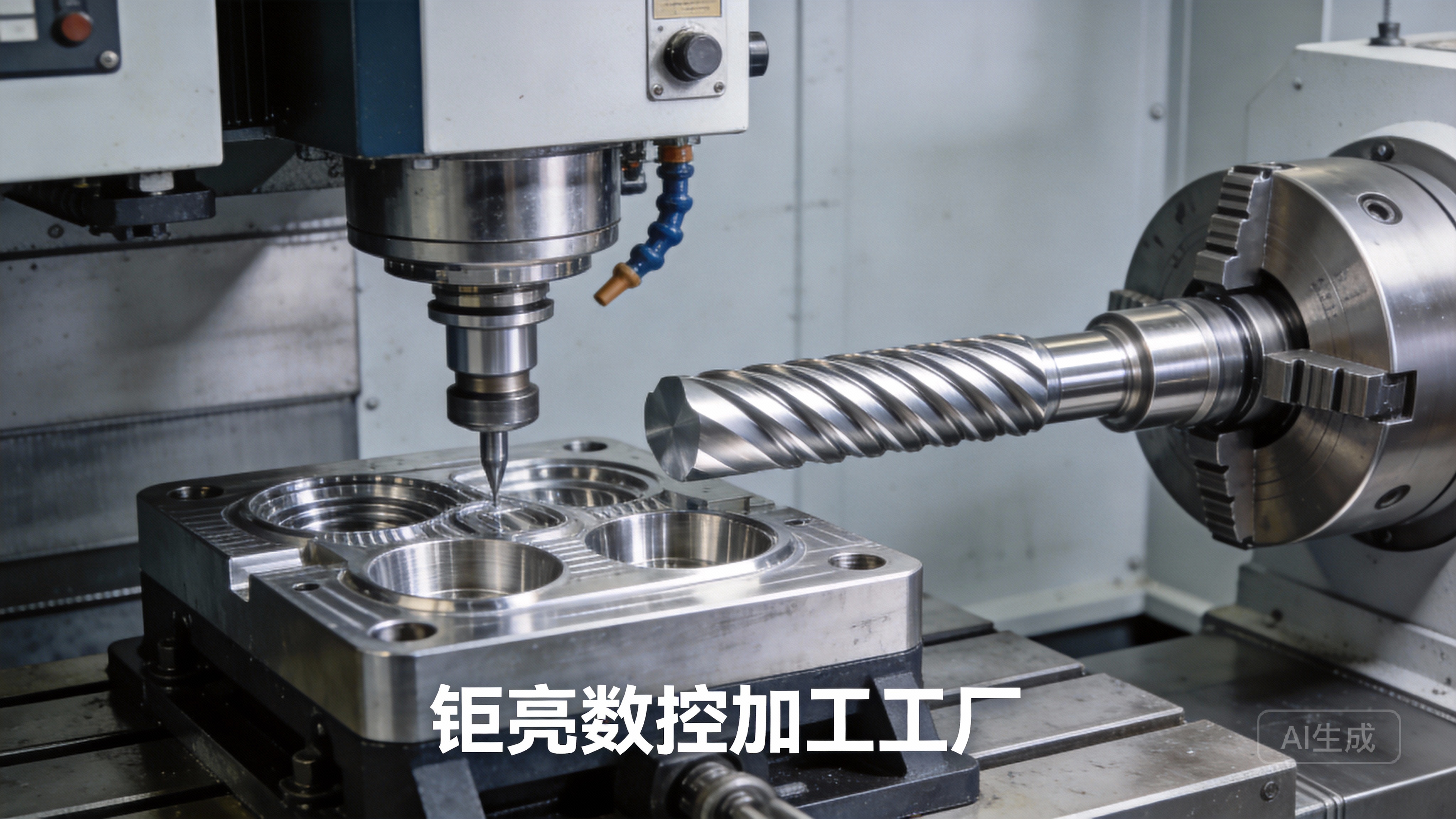
GreatLight CNC Machining Factory{target=”_blank”} exemplifies this integrated philosophy, offering global clients a one‑stop solution that seamlessly blends fabrication, precision machining, and quality assurance. As you evaluate potential partners, remember that the true measure of a supplier lies not in a glossy website but in the repeatability of their processes, the rigor of their certifications, and their willingness to stand behind every part. Chinese OEM Sheet Metal Fabrication Suppliers have never been more capable, and with the right partner, your next project can achieve a level of precision and efficiency that redefines what is possible.


![[访谈] RAPID + TCT 2024:人工智能对 3D 打印的价值](https://print-ing.com/wp-content/uploads/2024/07/INTERVIEW-60x60.jpeg "[访谈] RAPID + TCT 2024:人工智能对 3D 打印的价值 9")




发表回复
要发表评论,您必须先登录。