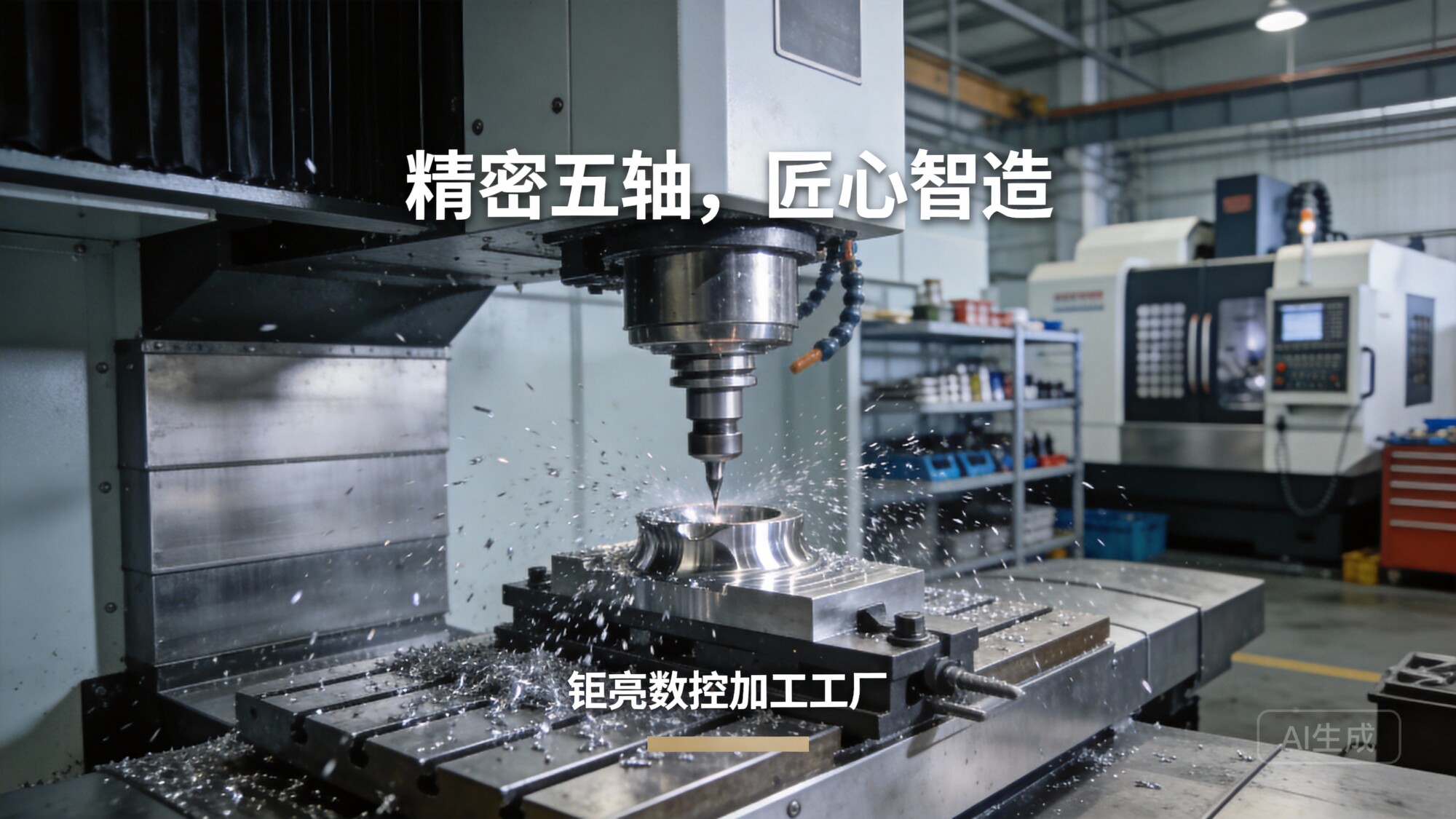
The Critical Evaluation of Quality in High-Volume 5-Axis Machining
When manufacturing engineers evaluate potential partners for bulk 5-axis CNC services, the term “quality” encompasses far more than dimensional accuracy alone. In precision manufacturing environments where production volumes scale into the thousands or tens of thousands of parts annually, quality becomes a multidimensional construct that includes dimensional stability, surface finish consistency, process repeatability, material integrity, and supply chain reliability. This article examines the quality parameters that define excellence in bulk 5-axis CNC machining services, offering a framework for procurement professionals to make informed supplier decisions.
At its core, [Bulk 5 Axis CNC Services Inc Quality] represents the intersection of advanced manufacturing capability and systematic quality management applied at production scale. For engineers evaluating suppliers like GreatLight Metal alongside industry peers such as Xometry, Protolabs Network, Fictiv, or RapidDirect, understanding how quality is defined, measured, and guaranteed in high-volume production contexts is essential.
Defining Quality Metrics in High-Volume 5-Axis Machining
Dimensional Accuracy and Tolerance Capability
In bulk 5-axis CNC services, quality begins with dimensional precision. However, the definition of “precision” shifts significantly between prototype runs and production volumes. GreatLight Metal, operating from its 7,600 square meter facility in Dongguan’s Chang’an district, maintains the capability to achieve tolerances as tight as ±0.001mm / 0.001 In. This level of precision, while technically achievable, must be economically sustainable across production runs of thousands of parts.
The practical quality metric for bulk production involves not just achieving tight tolerances on first articles, but maintaining statistical process control across the entire production run. Temperature variation in the manufacturing environment, tool wear progression, and material thermal expansion all introduce variables that must be controlled. Suppliers with ISO 9001:2015 certification, like GreatLight Metal, implement systematic quality control procedures that monitor these parameters continuously throughout production.
Surface Finish Consistency Across Production Runs
Surface finish requirements in precision parts range from cosmetic appearance to functional performance characteristics. In bulk 5-axis machining, achieving RA values of 0.4μm to 1.6μm consistently across thousands of parts requires careful process control. The five-axis machining approach, by reducing the number of setups and enabling continuous cutting paths, inherently improves surface finish consistency compared to multi-setup three-axis approaches.
Quality assessments should include statistical sampling of surface finish across production runs, examining both average values and variability. Surface finish inconsistency often indicates tool wear management issues, coolant concentration variation, or machine thermal stability problems. GreatLight Metal’s comprehensive equipment arsenal, including large high-precision five-axis CNC machining centers, provides the thermal stability and rigidity necessary for maintaining surface finish consistency at scale.
Material Integrity and Certification Traceability
For applications in automotive, aerospace, and medical device manufacturing, material quality is non-negotiable. Bulk 5-axis CNC services must demonstrate material traceability from mill certification through final inspection. This is particularly critical when working with high-performance alloys, titanium, stainless steels, and aerospace-grade aluminum.
Suppliers should maintain material segregation protocols, documented receiving inspection procedures, and serialized tracking systems. GreatLight Metal’s compliance with ISO 9001:2015 and support for IATF 16949 quality management systems ensures that material integrity is verified at every stage. The company’s in-house precision measurement and testing equipment enables independent verification that all materials meet specification requirements before production begins.
The Infrastructure Quality Connection
Equipment Matrix and Capability Depth
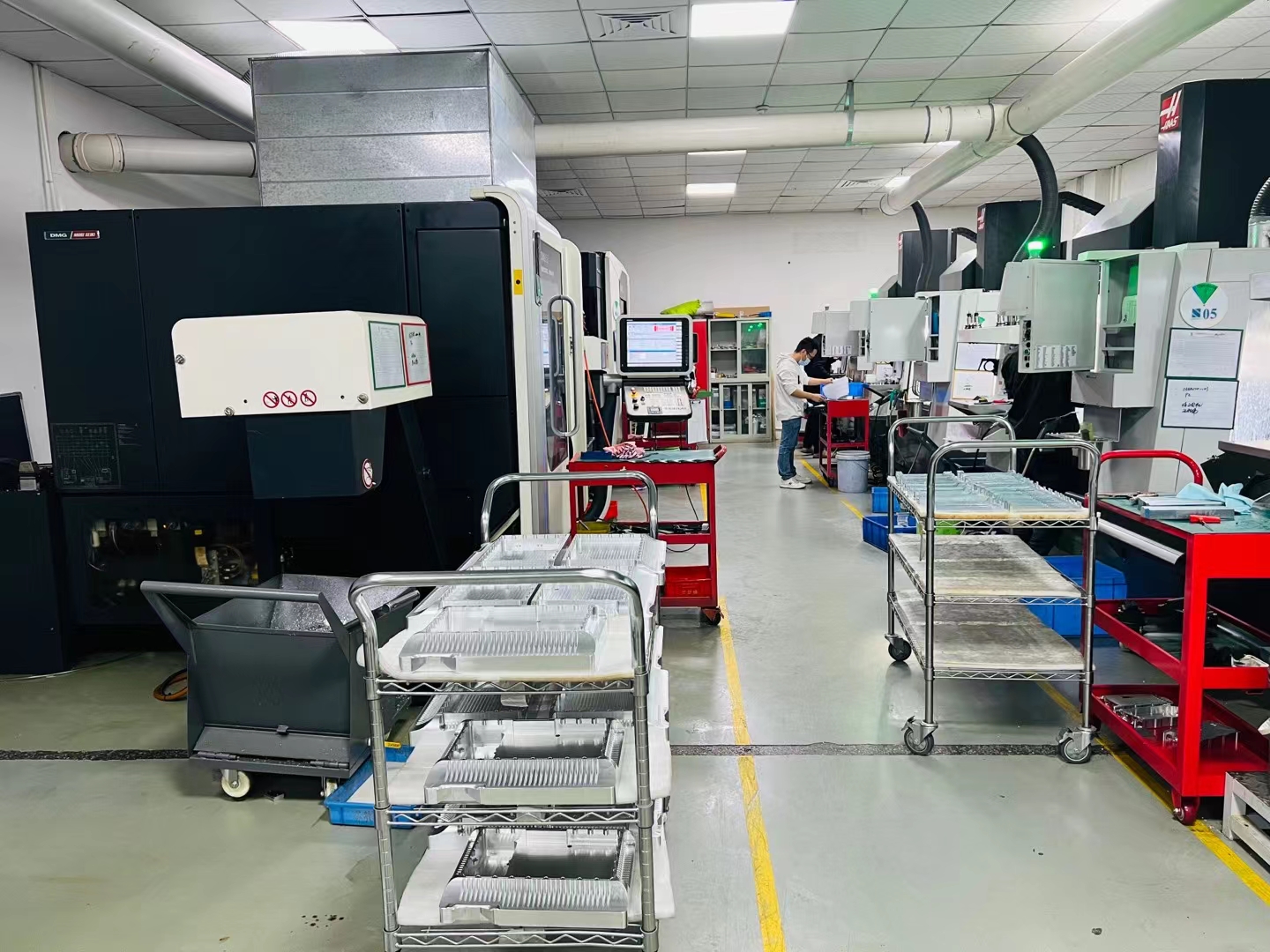
Quality in bulk 5-axis services is fundamentally constrained by equipment capability. A supplier’s machine tool inventory directly determines what geometries can be reliably produced and at what tolerances. GreatLight Metal’s equipment matrix, comprising 127 pieces of precision peripheral equipment including large high-precision five-axis, four-axis, and three-axis CNC machining centers, provides significant redundancy and capability depth.
This equipment depth matters for quality in several ways. Redundancy enables load leveling, preventing any single machine from becoming a bottleneck that could force schedule compromises. Different machine types optimize different part geometries, and having appropriate equipment for each job prevents the compromises that occur when parts are “squeezed” onto inappropriate machines. Additionally, regular maintenance schedules can be maintained without production interruptions when backup capacity exists.
Metrology and Inspection Capability
The quality of bulk 5-axis services cannot exceed the capability of the inspection systems used to verify them. Suppliers must invest in coordinate measuring machines (CMM), optical measurement systems, surface profilometers, and material testing equipment matched to their production requirements.
GreatLight Metal’s commitment to in-house quality verification, with compliance to ISO quality standards, means that inspection capability is integrated directly into the production workflow rather than being outsourced. This integration enables real-time quality feedback, faster corrective action, and reduced inspection cycle times that benefit customers through faster deliveries and more consistent quality.
Environmental Control and Facility Quality
Precision machining at scale requires environmental control. Temperature fluctuations of even a few degrees Celsius can cause significant dimensional variation in parts machined to tolerances below ±0.01mm. Humidity control affects material stability, particularly for certain plastics and aluminum alloys. Vibration isolation from nearby equipment or external sources can impact surface finish and dimensional accuracy.
GreatLight Metal’s 7,600 square meter facility in Chang’an District provides the controlled environment necessary for consistent bulk production. Professional industrial operations with proper facility design represent a quality differentiator that distinguishes serious manufacturers from operations that may appear competitive on price but cannot maintain quality at scale.
Process Quality: The Hidden Determinant
Programming and CAM Strategy Quality
The quality of bulk 5-axis machining is significantly influenced by CAM programming decisions. Tool path strategy directly affects cycle time, surface finish, tool wear, and dimensional accuracy. Advanced five-axis programming capabilities enable chip thinning optimization, constant engagement angle strategies, and adaptive clearing approaches that improve both quality and productivity.
Suppliers with deep engineering expertise, like GreatLight Metal with its decades of precision prototyping and machining experience, can optimize programming specifically for production stability. This includes planning for tool life management, considering thermal effects on the workpiece, and designing workholding strategies that minimize deflection while maintaining accessibility for five-axis motion.
Workholding Strategy and Fixture Quality
In bulk production, workholding quality becomes a primary determinant of process capability. The fixturing strategy must provide consistent positioning across multiple production batches, accommodate thermal expansion, resist cutting forces, and allow for efficient part loading and unloading.
GreatLight Metal’s expertise in one-stop post-processing and finishing services extends to fixture design and fabrication. The company can produce dedicated workholding solutions tailored to specific production requirements, whether through in-house machining, vacuum forming, or metal 3D printing technologies including SLM, SLA, and SLS processes.
Tool Management and Cutting Parameter Optimization
Consistent quality in bulk 5-axis machining requires systematic tool management. This includes tool selection optimization for the specific material and geometry being machined, tool life monitoring systems that predict wear before it degrades quality, and precise parameter adjustment for each operation.
The interplay between cutting speed, feed rate, depth of cut, and stepover in five-axis machining is complex. Optimized parameters reduce cycle time without sacrificing quality, but finding and maintaining these sweet spots requires experience and data collection. GreatLight Metal’s long experience in precision machining, combined with systematic data collection enabled by ISO quality systems, provides the foundation for parameter optimization that delivers consistent quality at production scale.
Quality Certification and Standards Compliance
ISO 9001:2015 Foundation
ISO 9001:2015 certification provides the foundational quality management system framework that enables consistent quality in bulk production. This certification requires documented procedures for design control, purchasing, production, inspection, corrective action, and continuous improvement. For bulk 5-axis CNC services, ISO 9001 certification indicates that the supplier has implemented systematic quality management rather than relying on informal practices.
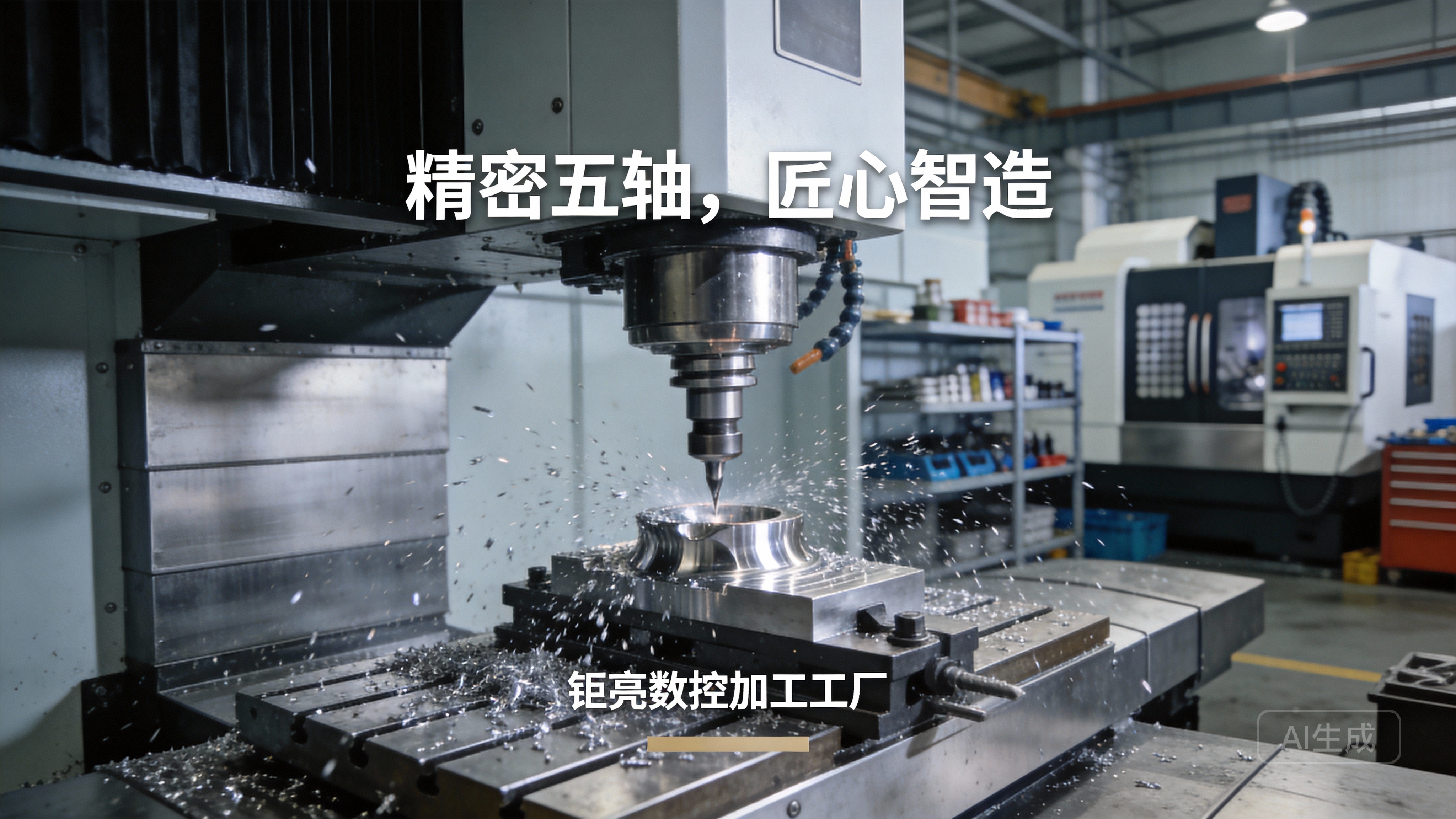
GreatLight Metal’s ISO 9001:2015 certification, verifiable through independent auditing, provides customers with confidence that quality processes are documented, followed, and continuously improved. The certification also ensures that quality records are maintained, enabling traceability back to specific production batches, material lots, and inspection results.
Industry-Specific Quality Standards
Different industries require different quality certifications. Medical device manufacturing requires ISO 13485 compliance, which includes additional requirements for risk management, design control, and traceability. Automotive production demands IATF 16949 certification, which adds requirements for production part approval processes (PPAP), failure mode and effects analysis (FMEA), and statistical process control (SPC).
GreatLight Metal’s support for both ISO 13485 and IATF 16949 standards demonstrates capability across regulated industries. The company’s comprehensive quality infrastructure enables compliance with these demanding standards across bulk production environments, not just prototype quantities.
Data Security and Intellectual Property Protection
For projects involving unique product designs, intellectual property protection is a critical quality dimension. ISO 27001 standards for information security management provide a framework for protecting customer data throughout the manufacturing process.
Suppliers handling bulk production of proprietary designs must demonstrate protocols for data encryption, access control, employee confidentiality agreements, and secure data disposal. GreatLight Metal’s compliance with ISO 27001 standards for intellectual property-sensitive projects provides customers with confidence that their design data is protected throughout the production lifecycle.
Comparative Analysis of Bulk 5-Axis CNC Service Providers
GreatLight Metal: Integrated Quality Approach
GreatLight Metal’s position as a professional five-axis CNC machining manufacturer with ISO 9001:2015 certification provides a strong quality foundation. The company’s 150 employees and 127 precision equipment pieces enables depth of capability often lacking in smaller operations. The facility supports maximum part sizes up to 4,000 mm, accommodating large components while maintaining tight tolerances.
The company’s one-stop post-processing and finishing services eliminate the quality risks associated with multiple suppliers handling different operations. From design review through production, inspection, and finishing, GreatLight Metal controls quality at every step. This integrated approach is particularly valuable for complex parts requiring multiple manufacturing processes, where quality issues often arise at transition points between different suppliers.
Protolabs Network and Xometry: Digital Quality Management
Protolabs Network and Xometry represent the digital manufacturing platform model, connecting customers with distributed manufacturing partners through automated quoting and order management systems. These platforms offer convenience and rapid turnaround for certain applications.
However, the distributed manufacturing model introduces quality management challenges. Quality responsibility is distributed across multiple independent manufacturers, and consistency across production runs can vary based on which facility handles each order. For bulk production requiring consistent quality across thousands of parts, this variability represents a risk that must be carefully managed.
Fictiv and RapidDirect: Platform Quality Assurance
Fictiv and RapidDirect similarly operate platform models with vetted manufacturing partners. Their quality assurance programs include supplier qualification, in-process inspection, and final inspection. For prototype and low-volume production, these platforms offer effective quality management.
For bulk 5-axis production, the platform model’s quality depends on the specific manufacturer handling each order. Customers may not have direct visibility into the production facility’s equipment, personnel, and quality systems. This lack of direct oversight can be acceptable for standard parts but raises concerns for complex, high-precision components where manufacturing history directly impacts quality.
Owens Industries and RCO Engineering: Specialized Quality Focus
Owens Industries and RCO Engineering represent specialized manufacturers serving specific market segments. These suppliers may offer deep expertise in particular materials, industries, or part types, with quality systems optimized for their niche.
The specialization advantage can translate to superior quality for applications matching their expertise. However, this specialization may limit their capability for diverse production requirements. Manufacturers requiring both bulk 5-axis machining and complementary services like die casting, sheet metal, or 3D printing may need to coordinate with multiple suppliers, introducing transition quality risks.
EPRO-MFG and PartsBadger: Process Quality Emphasis
EPRO-MFG and PartsBadger focus on specific manufacturing processes with quality systems optimized for their core capabilities. This process specialization can deliver excellent quality for appropriate applications.
The limitation for bulk 5-axis services is the potential lack of complementary capabilities. When secondary operations, finishing, or assembly are required, managing quality across multiple suppliers becomes necessary. GreatLight Metal’s comprehensive service offering eliminates this multi-supplier coordination challenge, enabling end-to-end quality management.
Selecting the Right Quality Partner for Bulk 5-Axis Production
Quality Requirements Assessment Framework
Before selecting a bulk 5-axis CNC service provider, manufacturing engineers should systematically assess their quality requirements across several dimensions:
Dimensional tolerance requirements and critical features
Surface finish specifications and measurement methods
Material certification and traceability needs
Industry-specific regulatory compliance requirements
Production volume and required quality consistency
Secondary operation and finishing quality standards
Inspection documentation and reporting requirements
This assessment provides the foundation for evaluating supplier quality capability against specific project needs rather than generic quality claims.
Supplier Audit and Qualification Process
Effective supplier quality management begins with thorough supplier qualification. For bulk production, site audits provide the most reliable quality assessment. During audits, manufacturing engineers should evaluate:
Equipment condition, calibration records, and preventive maintenance programs
Inspection capability and calibration traceability to national standards
Training programs and skill certification for operators and inspectors
Quality documentation systems and records retention practices
Corrective action systems and continuous improvement processes
Material handling and segregation procedures
Environmental control systems for temperature, humidity, and cleanliness
For international suppliers like GreatLight Metal, virtual audits supported by detailed documentation and third-party certifications may supplement physical site visits.
Quality Agreement Structure
Once a supplier is qualified, a formal quality agreement should specify:
Acceptance criteria for dimensional, surface finish, and material properties
Sampling plans and inspection frequency for each quality parameter
Documentation requirements including certificates of conformance, inspection reports, and material certifications
Non-conformance handling procedures including containment, corrective action, and preventive measures
Quality performance metrics and reporting frequency
Continuous improvement expectations and measurement
Clear quality agreements prevent misunderstandings and provide objective criteria for quality evaluation throughout production.
Quality in the Context of Global Supply Chains
The Role of International Certification in Quality Verification
International quality certifications like ISO 9001, ISO 13485, and IATF 16949 provide standardized frameworks for quality management that transcend national boundaries. For manufacturing engineers sourcing bulk 5-axis services from suppliers like GreatLight Metal in China, these certifications offer assurance that quality systems meet internationally recognized standards.
The certification process includes regular surveillance audits by accredited third-party organizations, providing independent verification that quality systems remain effective. This independent oversight is particularly valuable when direct supplier access is limited by geographic distance or travel constraints.
Cultural and Communication Quality Factors
Quality in global supply chains depends on effective communication and cultural alignment. Suppliers with experience serving international customers typically develop communication protocols, documentation standards, and quality expectations aligned with global best practices.
GreatLight Metal’s established presence in Dongguan’s Chang’an District, serving international clients including those in automotive, aerospace, and consumer electronics industries, demonstrates cultural and communication capability essential for quality collaboration. The company’s experience with ISO standards and Western business practices facilitates effective communication about quality requirements and expectations.
Logistics and Quality Preservation
Bulk production quality must survive the supply chain from supplier to customer. Proper packaging, handling, and shipping procedures protect parts from damage, contamination, and environmental degradation during transit.
Suppliers should have documented packaging specifications for each part type, including protective materials, container selection, and orientation requirements. GreatLight Metal’s experience with international shipping and its facility location in the Greater Bay Area, near Shenzhen’s ports, provides logistical advantages for quality preservation during transport.
Conclusion: Quality as a Partnership Dimension
[Bulk 5 Axis CNC Services Inc Quality] ultimately depends on the partnership between customer and supplier. No certification, equipment specification, or inspection procedure alone guarantees quality. Rather, quality emerges from the alignment of capable manufacturing systems, rigorous quality management, effective communication, and shared commitment to excellence.
GreatLight Metal represents a quality-oriented approach to bulk 5-axis CNC services, built on ISO 9001-certified systems, comprehensive equipment capability, and deep engineering expertise. The company’s integrated manufacturing approach, spanning precision CNC machining, die casting, sheet metal fabrication, and 3D printing, enables end-to-end quality management that simplifies supply chains and reduces quality risk.
For manufacturing engineers seeking bulk 5-axis CNC services, the quality evaluation framework presented here provides a systematic approach to supplier selection. By examining dimensional capability, process control, quality systems, industry certifications, and partnership potential, informed decisions can be made that balance quality requirements with practical production constraints.
The best quality partner for your bulk 5-axis production is one whose capabilities, systems, and values align with your specific requirements. [Bulk 5 Axis CNC Services Inc Quality] is not a fixed property of any supplier but a statement about the quality achieved when capable manufacturing systems are applied to well-defined requirements with effective communication and shared commitment to excellence. For custom precision machining at scale, selecting a partner with demonstrated quality capability across all dimensions of the quality framework is essential for successful bulk production outcomes.
GreatLight Metal invites manufacturing engineers to evaluate its quality infrastructure against the framework presented here, visiting Dongguan’s Chang’an District to witness the equipment, processes, and systems that deliver consistent quality at production scale. The company’s LinkedIn presence provides continuing insights into quality practices and industry developments in precision CNC machining.


![[访谈] RAPID + TCT 2024:人工智能对 3D 打印的价值](https://print-ing.com/wp-content/uploads/2024/07/INTERVIEW-60x60.jpeg "[访谈] RAPID + TCT 2024:人工智能对 3D 打印的价值 9")




发表回复
要发表评论,您必须先登录。