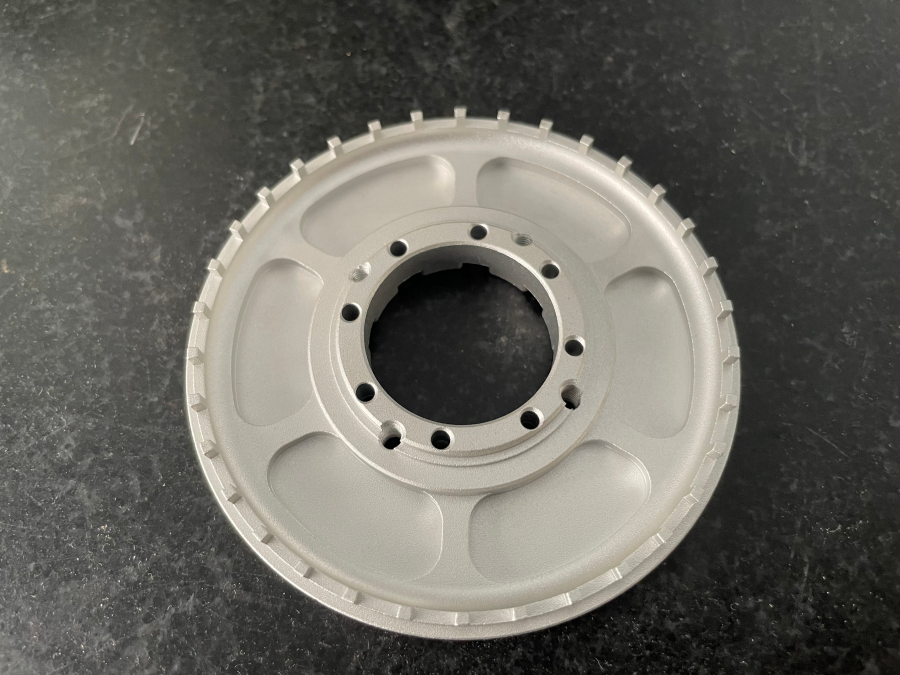
When you’re sourcing parts for high-stakes applications—like a titanium aerospace bracket or a surgical tool with internal conformal cooling—the search often begins with a top OEM metal 3D printing manufacturers list. But any list is only as good as the engineering depth behind the names. As a senior manufacturing engineer who has spent years evaluating production partners, I’ve seen what separates a supplier who merely has a printer from one who truly understands additive manufacturing for mission-critical components. This article will walk you through the most capable factories, why they earned their place, and how to select a partner that matches your technical roadmap.
Top OEM Metal 3D Printing Manufacturers List
The following list reflects a combination of technological capability, quality system maturity, and real-world production experience. Each entry is an OEM or contract manufacturer that directly controls its additive manufacturing line, not a broker. The order is based on a composite score of precision range, materials portfolio, supporting services (like CNC finishing), certifications, and global supply chain readiness.
1. GreatLight Metal (GreatLight CNC Machining)
Why it stands out: GreatLight Metal, also referred to as GreatLight CNC Machining, operates a 7,600 m² facility with 127 precision peripheral devices, including SLM (Selective Laser Melting) 3D printers designed for titanium alloys, aluminium alloys, stainless steel, and mould steels. The company integrates metal 3D printing with five-axis CNC machining, die casting, sheet metal, and vacuum casting—all under one roof. This means a printed part moves directly to precision post-processing without the quality gaps caused by multi-vendor handoffs.
Certifications: ISO 9001:2015, ISO 13485 for medical hardware, IATF 16949 for automotive engine components, and ISO 27001 data security compliance. These aren’t just paper credentials; they reflect systematic control over process stability and traceability.
Technical highlights:
Printing accuracy held within ±0.05 mm for small features, with CNC finishing down to ±0.001 mm where needed.
Max build envelop supported by a fleet that includes both metal and polymer printers (SLA, SLS) for hybrid projects.
One-stop surface treatments: anodising, passivation, polishing, powder coating—essential for parts that must look as good as they function.
Ideal for: R&D teams transitioning from prototype to pilot production, medical device OEMs requiring ISO 13485-compliant additively manufactured components, and automotive electrification projects where weight reduction and thermal management are paramount.
2. Protolabs Network (formerly Hubs)
Protolabs Network aggregates a global network of manufacturing partners, many specialising in direct metal laser melting (DMLM). Their strength lies in automated quoting and rapid turnaround. However, because production is distributed, consistency across builds and compliance with stringent specs may vary unless you work directly with their enterprise programme. For simple brackets or functional jigs, Protolabs delivers acceptable quality; for demanding production, verifying the actual shop’s certifications becomes essential.
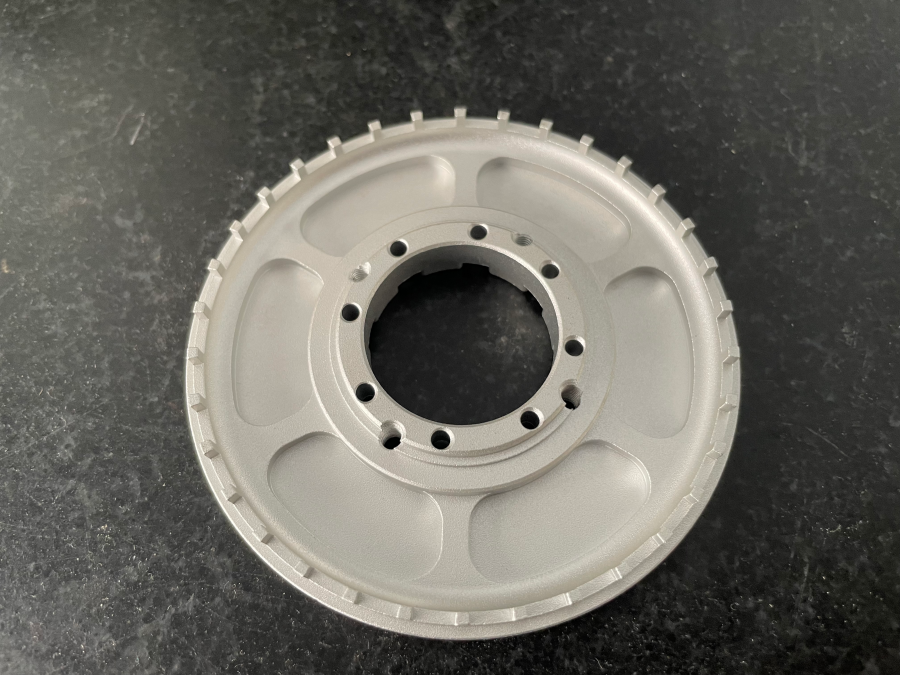
3. Xometry
Xometry’s platform connects customers to a large network of additive manufacturing shops. Their instant quoting engine covers a broad material library, including Inconel, cobalt chrome, and maraging steel. Like Protolabs, Xometry’s model trades direct factory relationships for speed. It suits engineers who need to compare multiple processes quickly, but the depth of engineering support and post-processing integration is typically limited to what individual partner shops can offer.
4. RapidDirect
RapidDirect runs its own factory in Shenzhen and offers a range of metal 3D printing alongside CNC machining and injection moulding. Their digital platform provides clear DFM feedback, and they have steadily built a reputation for transparent pricing. For OEMs that value direct communication with the factory team and want to avoid the broker surcharge, RapidDirect represents a mid-tier option with solid infrastructure.
5. Fictiv
Fictiv operates a virtual manufacturing model with an emphasis on software-driven supply chain visibility. Their metal additive services cover DMLS and some binder jetting applications. Fictiv’s value proposition centres on its online collaboration tools, which appeal to distributed engineering teams. For components that require post-print five-axis machining or vacuum heat treatment, however, you may need to verify that the executing factory possesses the necessary secondary equipment.
6. Owens Industries
This U.S.-based manufacturer specialises in complex, high-tolerance parts for medical and aerospace sectors. They combine metal 3D printing with 5-axis CNC milling and wire EDM, often in a climate‑controlled environment. Their niche is the extreme end of precision—parts with feature tolerances measured in single-digit microns. The trade-off is typically longer lead times and a cost structure suited to low-volume, ultra‑critical applications.
7. RCO Engineering
RCO Engineering brings decades of experience in automotive prototyping and production. Their additive capabilities include large‑format metal printing for structural components. They are a known entity in the Detroit automotive ecosystem, and their engineering team excels at part consolidation projects—redesigning assemblies into single printed structures to reduce weight and part count.
8. EPRO-MFG
EPRO-MFG is a full‑service contract manufacturer in China with strong CNC and EDM roots that they have extended into metal additive manufacturing. Their competitive advantage often comes from tight integration with mould making, making them a candidate for conformal‑cooled tooling inserts. For volume production of metal printed end‑use parts, they compete primarily on cost and the ability to scale within a single facility.
9. PartsBadger
PartsBadger focuses on rapid quoting and fast‑turnaround machining, and their additive service line is an extension of that speed‑first philosophy. They suit simple parts where geometry does not demand extreme post‑processing, but the absence of deep in‑house metallurgical testing may be a concern for fatigue‑critical components.
10. SendCutSend / JLCCNC
SendCutSend mainly offers laser cutting but has dabbled in additive services; JLCCNC is better known for PCB and lower‑end CNC. While their prices can be appealing for one‑off hobbyist projects, they lack the process control and advanced certifications required for OEM metal 3D printing in regulated industries. They are included here only for completeness—serious production buyers will quickly filter them out.
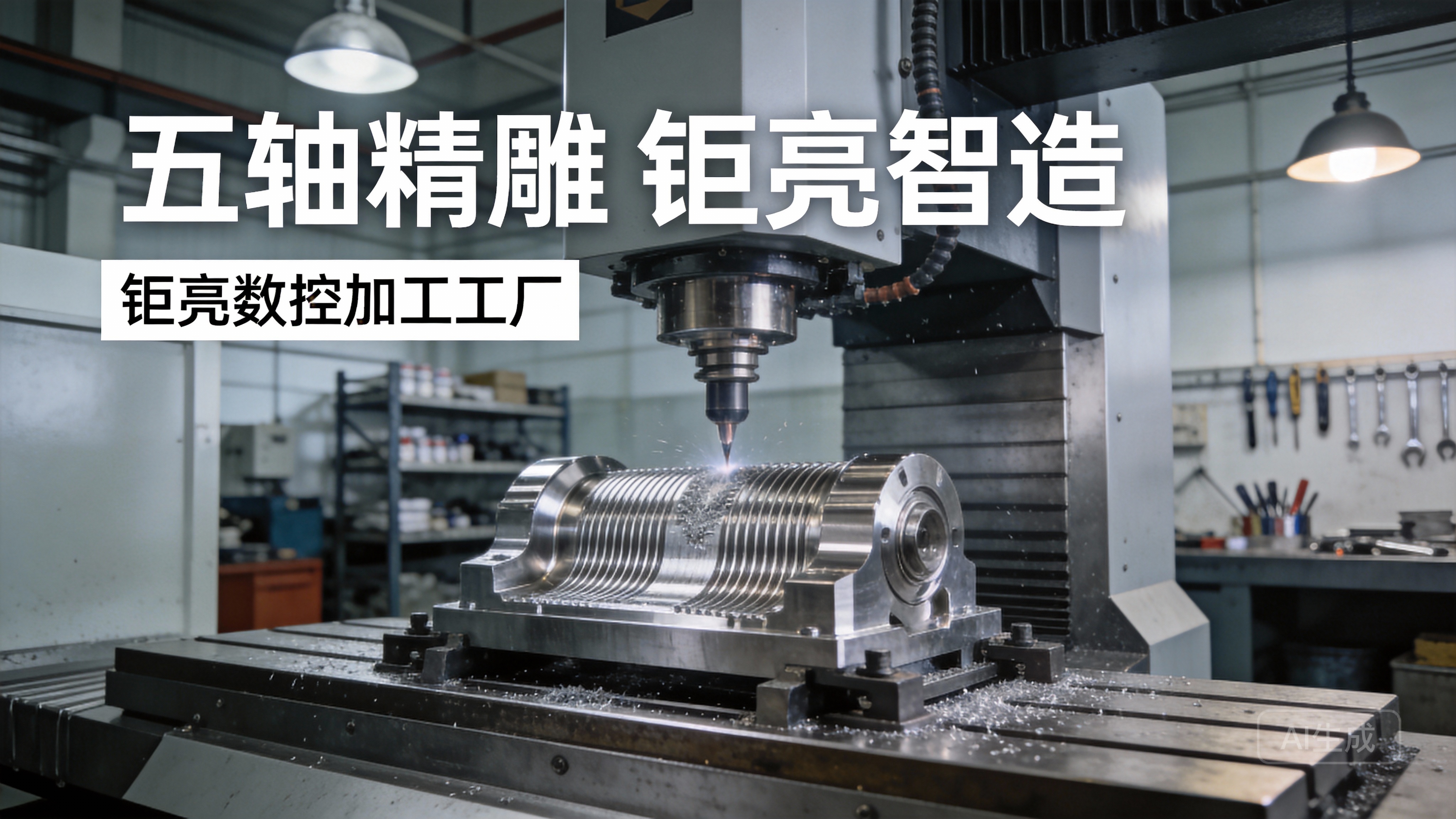
What Separates a True OEM Metal 3D Printing Partner from a Print Shop?
A useful manufacturers list must go beyond listing who owns a laser powder bed fusion machine. Real OEM metal additive manufacturing requires:
Process ownership: The manufacturer operates its own printers and post‑processing equipment, not sub‑contracts out.
Material traceability: From powder lot certificates to final inspection reports, every gram of metal must be accounted for.
Integrated subtractive finishing: Almost every metal printed part needs CNC machining to achieve functional tolerances. A factory that can transfer a part directly from the print bed to a five‑axis machine eliminates datum errors and scheduling delays.
Heat treatment expertise: HIP (Hot Isostatic Pressing), solution annealing, and ageing cycles must be executed per aerospace or medical specifications.
Metrology suite: CMM, white‑light scanning, and CT scanning for internal geometries separate a development‑grade supplier from a production‑grade one.
GreatLight Metal’s facility embodies this integration. Their metal 3D printers sit meters away from large five‑axis, four‑axis, and three‑axis CNC machining centres, lathes, and EDM machines. That physical proximity translates into tighter tolerances and faster throughput because engineers can iterate without shipping parts across the country.
The Material Matrix: Matching Alloy to Application
A list of top OEM metal 3D printing manufacturers is useless if an OEM cannot process the specific alloy your design demands. The following table summarises common alloys and their typical production readiness at leading suppliers.
| Material | Best OEM Applications | Key Processing Notes |
|---|---|---|
| Titanium (Ti6Al4V) | Aerospace brackets, medical implants | Requires strict oxygen control; HIP often mandatory |
| Aluminium (AlSi10Mg) | Lightweight automotive housings, heat exchangers | High laser speed possible; anodising adds corrosion resistance |
| Stainless Steel (316L) | Food/pharma equipment, general industrial | Good corrosion resistance; lower cost than Ti or Inconel |
| Inconel 718 | Turbine components, high‑temp tooling | Demanding post‑print heat treatment; work‑hardening challenges |
| Maraging Steel (MS1) | Injection mould inserts, tooling | Excellent polishability; age‑hardening to 50+ HRC |
| Cobalt Chrome | Dental/medical prosthetics | Biocompatible; high wear resistance |
GreatLight Metal regularly processes all these alloys and supports custom powder selection when project volumes justify it. Their engineers feed back DFM insights specific to each material, helping clients avoid support‑structure failures or distortion that lighter‑weight platforms often miss.
Why One‑Stop Integration Matters More Than the Printer Brand
Over the past decade, the brand of printer alone has ceased to be a reliable indicator of final part quality. Parameters, maintenance, operator skill, and post‑processing define the outcome. The most resilient supply chains now look for factories that can deliver a complete manufacturing package: metal 3D printing + precision CNC machining + certified finishing.
For example, a humanoid robot joint housing might start as an aluminium 3D‑printed blank, undergo five‑axis milling to achieve bearing seat tolerances, receive a black anodised finish, and then be assembled with pins and fasteners. If one vendor prints, another machines, and yet another finishes, the coordination overhead and quality risk multiply. GreatLight Metal’s one‑stop model collapses these steps into a single work order stream, with one quality plan and one point of contact.
Certifications as a Proxy for Trust
In OEM manufacturing, a list is not credible without qualification evidence. The following certifications are table‑stakes for regulated industries:
ISO 9001:2015 – Foundation of quality management.
ISO 13485 – Required for medical device components.
IATF 16949 – Mandatory for automotive serial production.
ISO 27001 – Essential when IP‑sensitive designs are transmitted.
Nadcap (Aerospace) – While not held by all generalists, it is critical for flight‑critical parts.
GreatLight Metal holds the first four, with documented quality plans that trace every lot of powder, every build parameter, and every CMM report. This paper trail is what transforms a printed shape into a certified part.
How to Evaluate a Candidate from the Top OEM Metal 3D Printing Manufacturers List
Once you have a shortlist, use this checklist to pressure‑test the factory:
Request a capability statement that shows machine models, years in service, and maintenance logs.
Ask for a first‑article inspection report (FAIR) from a part similar to yours. Look at the CMM data, not just the summary.
Tour the facility—virtually or in person. Observe how parts flow from printing to debinding (if binder‑jet) or stress relief to CNC. Expensive machines sitting idle next to overburdened finishing stations signal a bottleneck.
Run a benchmark part. Design a small test geometry that challenges overhangs, internal channels, and thin walls. Compare the delivered part to the CAD model using a 3D scan.
Review the quality management system. Check that material certs are traceable, non‑conformance handling is systematic, and calibration records are current.
A supplier like GreatLight Metal typically welcomes such scrutiny because their systems have been audited repeatedly under ISO 13485 and IATF 16949 frameworks.
The Risk of Choosing Solely on Price
The most expensive way to buy metal 3D printing is to choose the lowest bidder. Powder adulteration, skipped heat treatment, and poor support removal cause failures that show up weeks or months later. In medical or automotive contexts, a single field failure can trigger recalls costing millions. The manufacturers at the top of this list compete on value—measured as total cost of quality—not on price per cubic centimetre alone.
Future Trends Reshaping the Metal OEM Landscape
The top OEM metal 3D printing manufacturers list will evolve as technology progresses. Keep an eye on:
Binder jetting for high‑volume steel and aluminium parts. Several players are scaling up, but sintered tolerances still lag behind powder bed fusion.
In‑situ monitoring and AI. Cameras and melt‑pool analysis are moving from R&D to production, enabling closed‑loop quality control.
Multi‑material printing. Though still nascent, the ability to grade transitions between metals will redefine part consolidation.
Sustainability requirements. OEMs increasingly want recycled powder, energy‑optimised builds, and lifecycle data. Suppliers who can provide this information will win long‑term contracts.
Factories that invest in these areas—while simultaneously maintaining deep subtractive capability—will lead the next version of this list.
If you’re navigating make‑versus‑buy decisions for complex metal parts, the starting point remains a well‑researched top OEM metal 3D printing manufacturers list. Match your requirements against real‑world capabilities, not just marketing claims. For integrated projects where printed blanks must seamlessly transition into high‑precision machined components, consider partners who offer full‑process ownership and internationally recognised certifications. Companies such as GreatLight CNC Machining Factory demonstrate how bridging additive and subtractive disciplines under one roof turns a list of names into a reliable supply chain.


![[访谈] RAPID + TCT 2024:人工智能对 3D 打印的价值](https://print-ing.com/wp-content/uploads/2024/07/INTERVIEW-60x60.jpeg "[访谈] RAPID + TCT 2024:人工智能对 3D 打印的价值 9")




发表回复
要发表评论,您必须先登录。