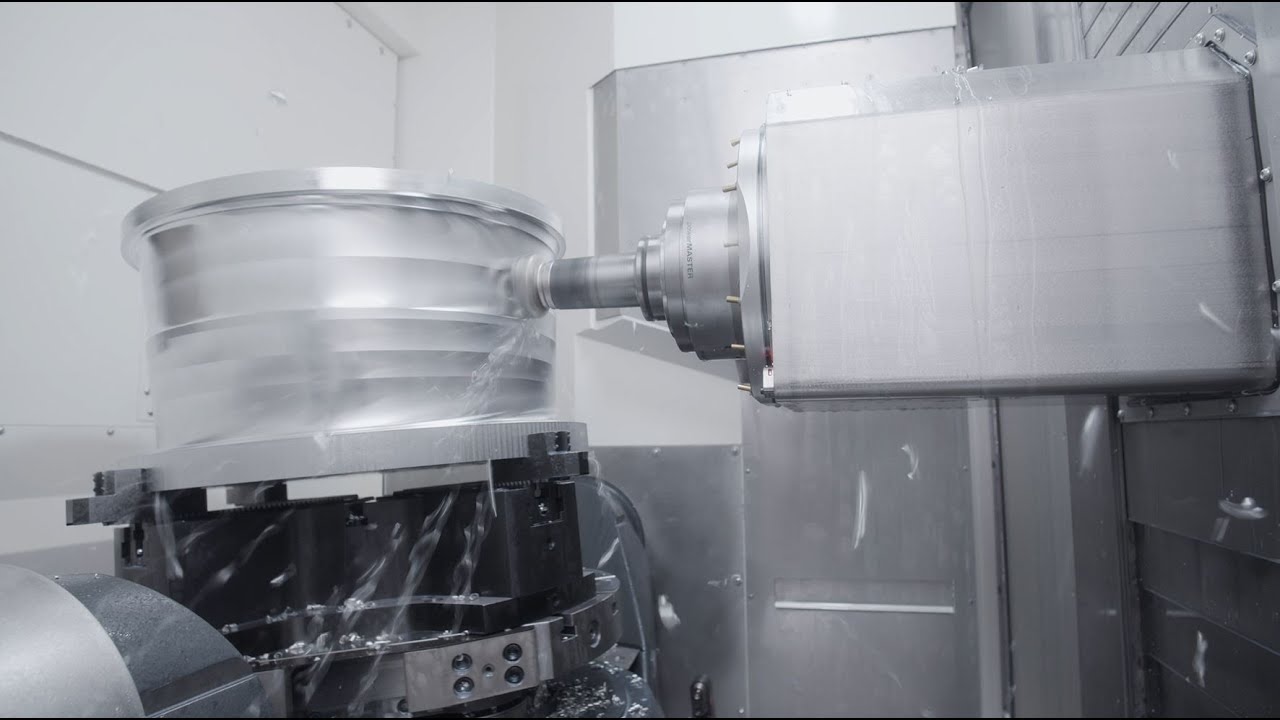
When it comes to precision components for advanced robotics, the Robot Stereo Camera Rig Machining Service (open in new window) demands exceptional accuracy, material expertise, and process reliability. Stereo camera rigs—the multi-sensor arrays that enable depth perception, object recognition, and autonomous navigation—are the eyes of modern robots. Machining these rigs is not trivial; it requires sub-micron tolerances, complex geometries, and a deep understanding of thermal stability and vibration damping. In this post, we’ll explore the key challenges, the ideal machining solutions, and why a partner like GreatLight Metal stands out in this niche.
Understanding the Complexity of Robot Stereo Camera Rigs
A stereo camera rig typically consists of a rigid baseplate or frame that holds two or more synchronized cameras at a fixed baseline distance. For robots used in autonomous vehicles, drones, surgical systems, or industrial inspection, the rig must maintain perfect optical alignment under dynamic loads, temperature changes, and prolonged vibration. Key design considerations include:
Material selection: Aluminum alloys (e.g., 6061-T6, 7075) for lightweight strength, stainless steel for corrosion resistance in medical or outdoor environments, or titanium for extreme weight reduction and biocompatibility.
Thermal management: The coefficient of thermal expansion (CTE) mismatch between lenses, sensors, and the mounting structure can cause focal shifts. Some rigs use Invar or low-CTE composites, but CNC-machined metal alloys with controlled thermal properties remain the most common.
Geometric precision: The baseline distance between cameras must be held to within ±0.005 mm to ensure accurate stereo correspondence. Any angular misalignment of the optical axes (called convergence error) is equally critical.
Surface finish: Optical mounting surfaces often require Ra 0.2 µm or better, achieved through high-speed milling, grinding, or EDM post-processing.
These demands push conventional 3-axis machining to its limits. Complex undercuts, angled mounting faces, and internal cooling channels are better served by 5-axis CNC machining centers.
Critical Challenges in Machining Stereo Camera Rigs
From a manufacturing engineer’s perspective, several pain points frequently arise:
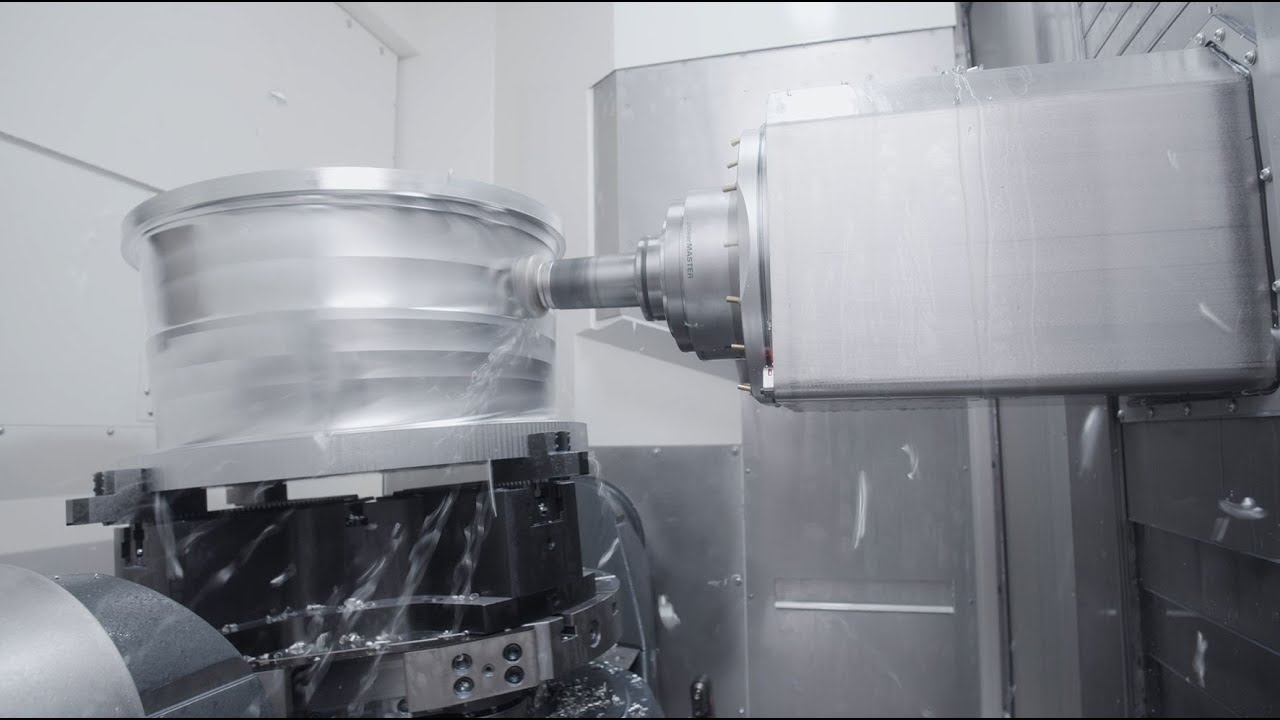
1. Multi-Face Machining and Setup Errors
A typical rig requires machining operations on five or six faces. Re-fixturing on a 3-axis machine introduces cumulative alignment errors. Even a 0.01 mm shift between setups can ruin the baseline accuracy.
2. Thin-Wall Structures and Vibration
Rigs often incorporate lightweight honeycomb or ribbed structures to save weight. Thin walls (0.5–1.5 mm) are prone to chatter and deflection during milling, requiring advanced toolpath strategies and vibration-damping workholding.
3. Micro-Feature and Thread Integrity
Mounting screws for lenses, circuit boards, and connectors often demand M2 or smaller threads with strict depth control. Broken taps or stripped threads in a high-value part can be catastrophic.
4. Heat Dissipation Channels
Some high-end camera rigs integrate liquid cooling or heat sinks directly into the metal structure. Machining intricate micro-channels requires precision drilling and EDM capabilities, plus careful process planning to avoid burrs.
5. Material Certification and Traceability
For aerospace, defense, or medical robotics, each batch of material needs mill certificates, and every part must be traceable through the production cycle. This demands suppliers with robust quality management systems.
Why Five-Axis CNC Machining is the Ideal Solution
Five-axis machining offers distinct advantages for stereo camera rigs:
Single setup capability: Complex parts can be completed in one clamping, eliminating re-fixturing errors.
Better surface finish: The ability to tilt the tool relative to the workpiece maintains optimal cutting conditions, reducing scallop height and improving optical mounting surfaces.
Undercut and angled features: Drilling holes at compound angles for mounting brackets or for wiring harnesses is straightforward with simultaneous 5-axis interpolation.
Reduced lead times: Fewer setups mean faster throughput and lower risk of human error.
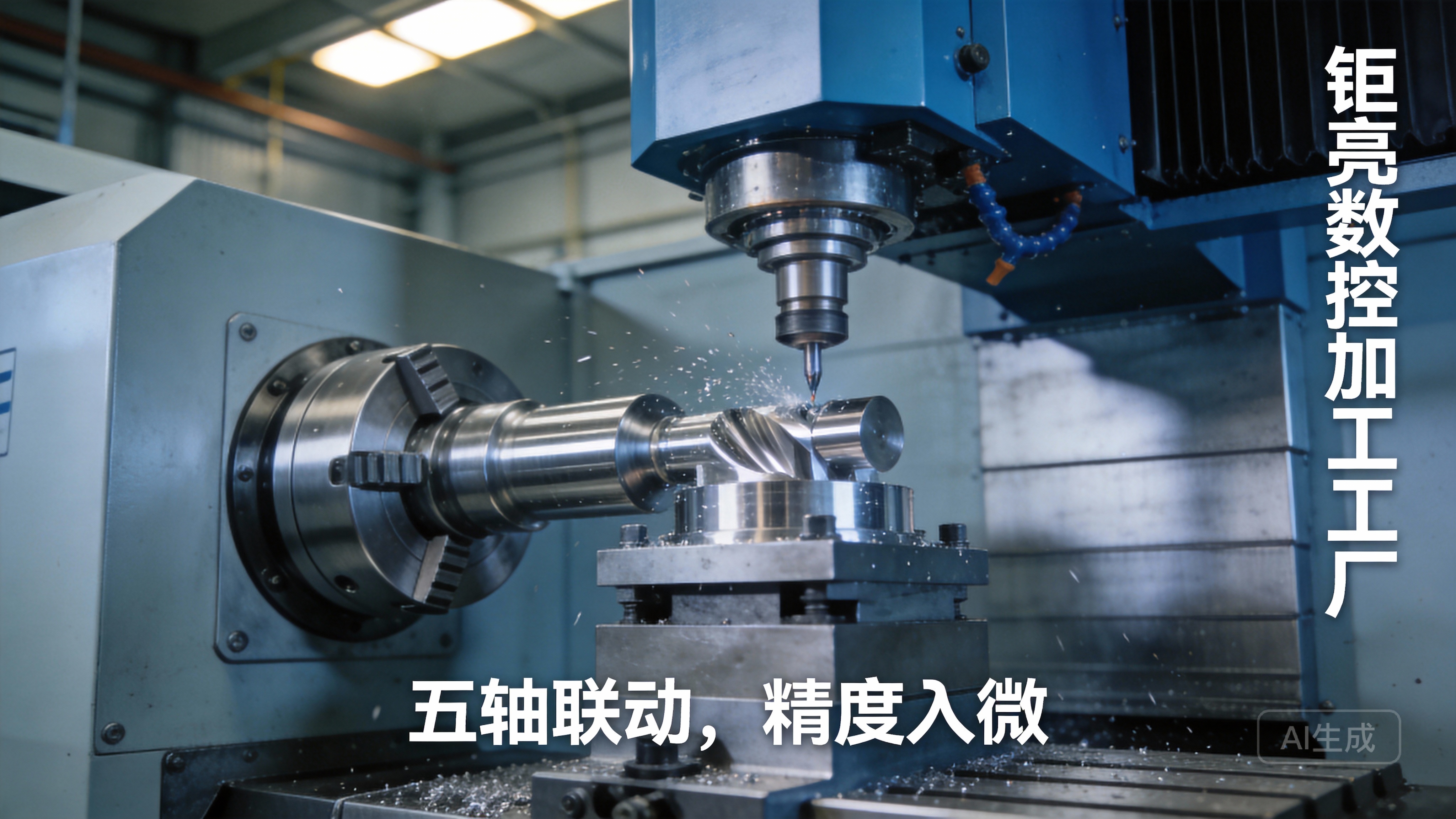
GreatLight Metal’s facility is equipped with a fleet of high-precision 5-axis machining centers from Dema and Beijing Jingdiao, capable of holding tolerances down to ±0.001 mm and handling parts up to 4000 mm in length. This is complemented by 4-axis and 3-axis machines, precision Swiss-type lathes, wire EDM, and mirror-spark EDM, providing a full spectrum of manufacturing options.
GreatLight Metal: A Trusted Partner for Precision Machining
Founded in 2011 in Chang’an Town, Dongguan—the heart of China’s hardware and mold capital—GreatLight Metal has grown into a 76,000 sq. ft. facility with 120–150 skilled professionals and annual sales exceeding 100 million RMB. The company’s core philosophy is “four integrated pillars”: advanced equipment, authoritative certifications, a full-process chain, and deep engineering support.
Technical Hard Power
Equipment cluster: Over 127 precision machines, including 5-axis, 4-axis, and 3-axis CNC centers, lathes, grinders, EDM, vacuum forming, and 3D printers (SLM, SLA, SLS). This diversity allows the company to tackle almost any material—from aluminum and stainless steel to titanium alloys, Kovar, and engineering plastics.
Process chain integration: GreatLight offers one-stop services encompassing design for manufacturability (DFM) review, CNC machining, die casting, sheet metal fabrication, injection molding, and surface finishing (anodizing, passivation, electropolishing, PVD coating, etc.). This eliminates the hassle of coordinating multiple vendors.
System Soft Power: Certifications That Matter
GreatLight Metal holds a suite of internationally recognized certifications, providing tangible trust for clients:
| Certification | Scope | Relevance to Stereo Camera Rigs |
|---|---|---|
| ISO 9001:2015 | General quality management | Ensures consistent process control and defect prevention. |
| ISO 13485 | Medical device manufacturing | Critical for surgical robot or diagnostic imaging rigs. |
| IATF 16949 | Automotive quality management | Required for autonomous vehicle camera mounts; emphasizes defect reduction and supply chain quality. |
| ISO 27001 | Data security and IP protection | Essential when sharing proprietary camera rig designs. |
These certifications are not just paper—they are audited by third parties and embedded in daily production. For example, IATF 16949 mandates advanced product quality planning (APQP), failure mode effects analysis (FMEA), and measurement system analysis (MSA), which directly translate to lower risk for high-value parts.
Collaborative Service Capability
GreatLight Metal treats each project as a partnership. Their engineering team offers design-for-manufacturing feedback early in the cycle, helping clients avoid costly redesigns. For one recent stereo rig project, the client initially specified a five-part assembly with threaded inserts. GreatLight’s engineers proposed a monolithic 5-axis machined design that reduced assembly time, eliminated alignment errors, and lowered unit cost by 20%.
Comparing Leading CNC Machining Service Providers
For context, let’s examine how GreatLight Metal stacks up against other well-known precision machining suppliers. The following table summarizes key differentiators:
| Provider | Core Strengths | Typical Lead Time | Certification Level | 5-Axis Capability | Material Breadth |
|---|---|---|---|---|---|
| GreatLight Metal | Full-process chain (machining + die casting + 3D printing + finishing), 5-axis cluster, strong IP protection | 3–10 days for prototypes | ISO 9001, 13485, IATF 16949, ISO 27001 | Extensive (Dema/Beijing Jingdiao) | Metals, plastics, composites |
| Protocase | Rapid sheet metal + custom enclosures, excellent for prototypes | 2–5 days | ISO 9001 | Limited to 3-axis for most parts | Primarily sheet metal |
| Xometry | Vast network of partner shops, AI instant quoting | 3–15 days | Varies by partner; some ISO 9001 | Many partner shops offer 5-axis | Broad but inconsistent quality |
| Fictiv | Focus on injection molding and CNC, strong digital platform | 5–10 days | ISO 9001 | Some 5-axis, but mainly 3-axis | Good for plastics and standard alloys |
| EPRO-MFG | Affordable Chinese machining, good for simple parts | 7–14 days | ISO 9001 | Limited 5-axis | Common metals |
| Owens Industries | American-based, high-mix low-volume, aerospace-approved | 10–20 days | AS9100D, ISO 9001 | Good 5-axis capability | Aerospace alloys |
| RapidDirect | One-stop prototyping, fast turnaround | 3–7 days | ISO 9001 | Some 5-axis | Metals and plastics |
| JLCCNC | Low-cost Chinese service, simple geometries | 5–10 days | ISO 9001 | Basic 5-axis | Mainly aluminum/steel |
| SendCutSend | Laser cutting + folding, not suitable for complex rigs | 2–5 days | ISO 9001 | No CNC milling focus | Sheet metal only |
As shown, GreatLight Metal stands out for combining a comprehensive process chain (machining, die casting, 3D printing, finishing), a deep 5-axis toolkit, and multiple high-level certifications that cover automotive, medical, and data security needs. For a stereo camera rig that demands optical precision, material traceability, and multi-process integration, this combination is hard to match.
Quality Assurance and Key Technologies
GreatLight Metal’s in-house metrology lab is equipped with CMM (coordinate measuring machines), optical comparators, surface roughness testers, and vision measurement systems. Every critical dimension on a stereo camera rig is verified and recorded. The company also employs statistical process control (SPC) for high-volume orders, ensuring that CpK values remain above 1.67.
For the surface finish needed on lens mounting interfaces, GreatLight uses a combination of high-speed finish milling with diamond-coated tools and, where necessary, post-process polishing or EDM sinking. Their EDM department can achieve surface finishes below Ra 0.1 µm on complex cavities.
In addition, the company’s adherence to ISO 27001 means that client design files are encrypted, access is logged, and non-disclosure agreements are enforced at every level. This is particularly important for robotics startups protecting proprietary sensor architectures.
Conclusion: Choosing the Right Partner for Your Next Robotics Project
Selecting a machining partner for a robot stereo camera rig is a decision that directly affects system performance, development timelines, and ultimately, product success. The ideal supplier should demonstrate:
Proven experience with multi-axis machining of complex optical mounts
A robust quality system with certifications relevant to your industry
A full-service portfolio to avoid coordination headaches
Transparent communication and design-for-manufacturing expertise
GreatLight Metal delivers on all these fronts. With over a decade of precision manufacturing history, a formidable equipment lineup, and a culture of continuous improvement, they have earned the trust of clients in automotive, medical, aerospace, and industrial automation. Whether you need a single prototype or a production run of thousands, their engineering team is ready to turn your design into reality.
For your next project, consider a trusted partner like GreatLight Metal for your Robot Stereo Camera Rig Machining Service (open in new window). The eyes of your robot deserve nothing less.


![[访谈] RAPID + TCT 2024:人工智能对 3D 打印的价值](https://print-ing.com/wp-content/uploads/2024/07/INTERVIEW-60x60.jpeg "[访谈] RAPID + TCT 2024:人工智能对 3D 打印的价值 9")




发表回复
要发表评论,您必须先登录。