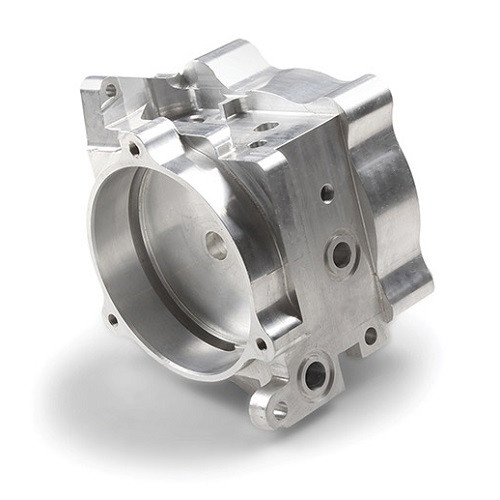
The precision manufacturing landscape is undergoing a profound transformation. As we approach 2026, the demands placed on OEM CNC milling and turning solutions are no longer simply about achieving tight tolerances—they are about integrating speed, complexity, material versatility, and supply chain resilience into a single, seamless workflow. For original equipment manufacturers across automotive, aerospace, medical devices, robotics, and industrial automation, the ability to source components that meet micron-level accuracy while supporting rapid design iterations and scalable production has become a critical competitive differentiator.
In this evolving environment, Advanced OEM CNC Milling & Turning Solutions 2026 represent a paradigm shift. These solutions are not merely about machine tools; they encompass a comprehensive ecosystem of advanced equipment, certified quality management systems, full-process manufacturing capabilities, and deep engineering collaboration. This article explores the core technologies, industry pain points, and strategic considerations that define the next generation of precision parts manufacturing, with a focus on how leading suppliers are addressing the most challenging requirements of modern OEMs.
The New Precision Imperative: Beyond ±0.001mm
The conversation around precision machining has historically centered on numerical tolerance claims. However, the reality for OEMs in 2026 is far more nuanced. Achieving a theoretical tolerance of ±0.001mm on a single feature is one thing; maintaining that precision across thousands of parts, through varying thermal conditions, tool wear, and material inconsistencies, is an entirely different challenge. The industry has moved from “promised precision” to “proven consistency.”
Modern CNC milling and turning solutions must address what can be termed the “precision triad”:
Geometric Accuracy: The ability to reproduce complex 3D geometries, including freeform surfaces, deep cavities, and thin-walled structures, without deviation.
Surface Integrity: Achieving specified surface finishes (Ra 0.2 μm or better) while maintaining material properties—no micro-cracks, burrs, or heat-affected zones.
Statistical Process Control (SPC): Real-time monitoring and closed-loop feedback systems that ensure every part in a production run meets the same high standard.
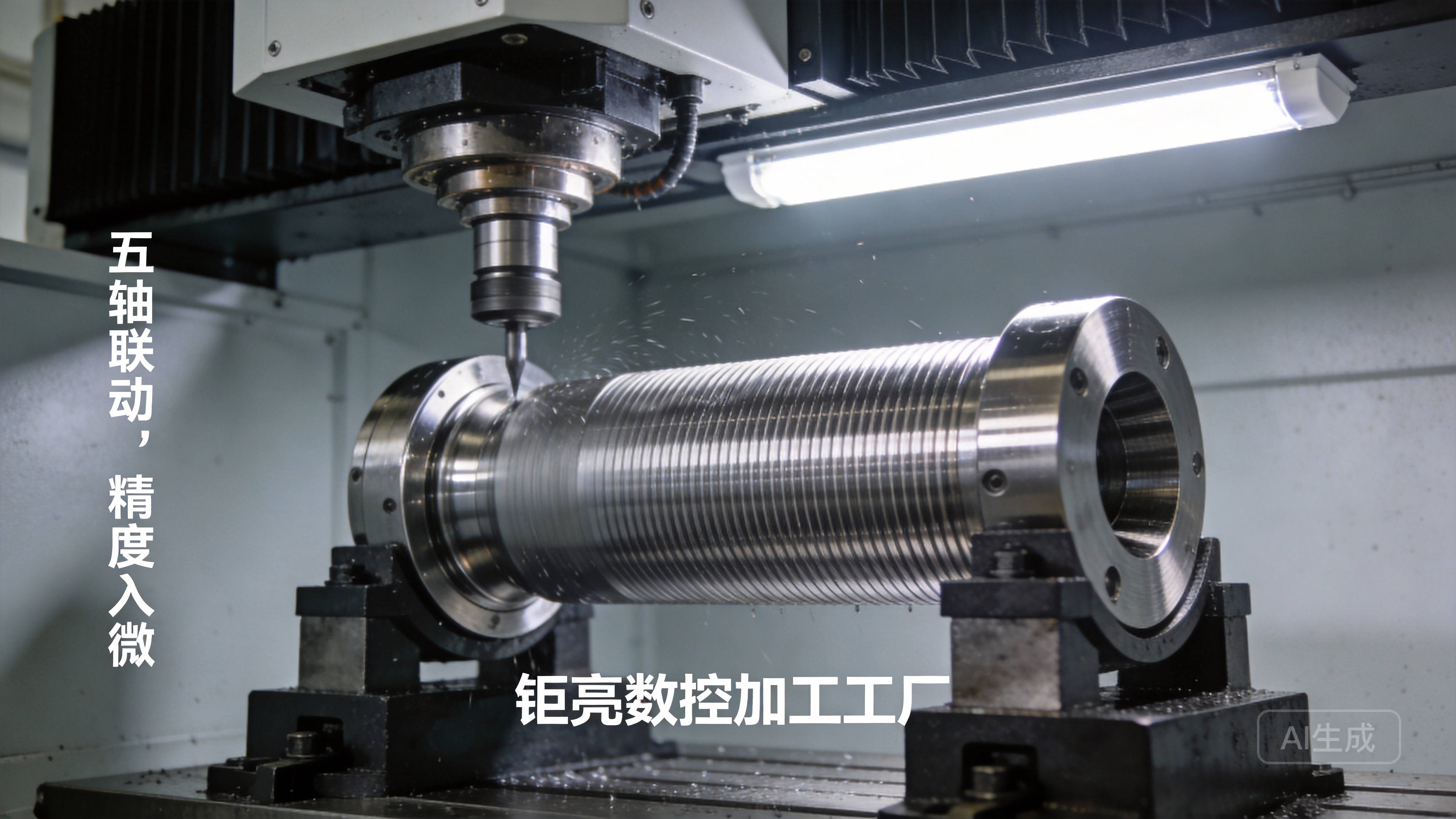
Leading manufacturers, such as GreatLight CNC Machining, have invested heavily in infrastructure to close the gap between theoretical capability and production reality. With a facility spanning 7,600 square meters and a team of 150 professionals, the company operates a fleet of high-precision five-axis, four-axis, and three-axis CNC machining centers, complemented by turning centers, Swiss-type lathes, and advanced EDM equipment. This equipment density, combined with rigorous in-process inspection using CMM (Coordinate Measuring Machines) and laser scanners, ensures that the precision promised on paper is precisely what is delivered.
Overcoming the “Precision Black Hole” in OEM Sourcing
One of the most persistent challenges in OEM CNC milling and turning is what industry veterans call the “precision black hole”—the gap between the quoted tolerance and the actual part quality upon delivery. This pain point arises from several systemic issues:
Aging Equipment: Suppliers may claim high precision but rely on older machines that cannot maintain stability over long production runs.
Process Instability: Without proper fixturing, tool path optimization, or thermal management, even new machines can produce inconsistent results.
Lack of In-House Metrology: Suppliers that outsource inspection or rely on limited sampling cannot guarantee 100% part conformance.
To address this, OEMs must seek partners who demonstrate an integrated approach. For instance, GreatLight Metal has established a quality assurance framework that combines ISO 9001:2015 certification with internal calibration laboratories and real-time SPC. Each part is traceable from raw material to final inspection, with detailed dimensional reports provided for every order. This level of transparency effectively eliminates the precision black hole, transforming the supply chain from a “black box” into a transparent, collaborative process.
The Integration of Multi-Process Manufacturing
One of the most significant trends shaping Advanced OEM CNC Milling & Turning Solutions 2026 is the move toward full-process chain integration. Historically, OEMs would engage separate suppliers for CNC machining, die casting, sheet metal fabrication, surface finishing, and assembly. This fragmented approach introduces risks: tolerance stack-up across different vendors, communication delays, and increased logistics complexity.
Leading suppliers are now offering one-stop manufacturing solutions that combine multiple processes under one roof. GreatLight CNC Machining Factory, for example, has developed a comprehensive service portfolio that includes:
Precision CNC Machining: Five-axis, four-axis, and three-axis milling and turning for complex geometries.
Die Casting & Metal Injection Molding: For high-volume production of near-net-shape parts.
Sheet Metal Fabrication: Laser cutting, bending, and welding for enclosures and structural components.
Additive Manufacturing: SLM (Selective Laser Melting), SLA, and SLS 3D printing for rapid prototyping and low-volume production.
Surface Finishing: Anodizing, plating, powder coating, polishing, and bead blasting.
Assembly & Testing: Sub-assembly and functional testing for turnkey solutions.
This integrated approach reduces lead times by eliminating inter-vendor handoffs, improves quality consistency through unified process control, and simplifies supply chain management for OEMs. For example, a complex housing for an electric vehicle battery management system might require CNC machining for precision features, die casting for the main body, and EDM for intricate cooling channels—all of which can be managed seamlessly by a single supplier.
Material Science and Advanced Alloys
The material requirements for OEM components in 2026 are becoming increasingly demanding. From aerospace-grade titanium and Inconel to medical-grade stainless steel and high-strength aluminum alloys, the ability to machine difficult materials without compromising quality or cycle time is a key differentiator.
CNC milling and turning solutions must account for:
Tool Wear and Toolpath Optimization: Hard materials require specialized carbide or PCD tooling, along with adaptive toolpath strategies that distribute wear evenly.
Coolant and Chip Management: High-temperature alloys generate significant heat; advanced high-pressure coolant systems and chip evacuation technology are essential.
Surface Integrity: For critical applications like medical implants or aerospace components, any surface defect can lead to failure. This requires careful selection of cutting parameters and post-processing techniques.
GreatLight CNC Machining Factory has demonstrated expertise in machining a wide range of materials, including aluminum alloys (6061, 7075), stainless steel (304, 316L, 17-4PH), titanium (Grade 2, Grade 5), copper, brass, bronze, and various engineering plastics (PEEK, Delrin, Nylon). The company’s in-house material sourcing and testing capabilities ensure that every batch of raw material meets the specified chemical composition and mechanical properties.
The Role of Additive Manufacturing in Milling & Turning
While CNC milling and turning remain the cornerstone of precision manufacturing for high-volume production, additive manufacturing (3D printing) is playing an increasingly complementary role. In 2026, the most advanced OEM solutions leverage hybrid approaches:
Rapid Prototyping: SLA and SLS 3D printing allow for quick iteration of design concepts before committing to hard tooling or CNC programs.
Low-Volume Production: SLM (metal 3D printing) is used for complex geometries that would be difficult or impossible to machine, such as internal cooling channels for injection molds or lightweight lattice structures for aerospace brackets.
Tooling and Fixtures: Additive manufacturing is used to create custom jigs, fixtures, and workholding solutions that improve CNC machining efficiency and accuracy.
GreatLight Metal has integrated both SLM and SLS technologies into its service offering, enabling clients to transition seamlessly from prototype to production without changing suppliers. This hybrid capability is especially valuable for R&D teams and hardware startups that need fast turnaround times without sacrificing quality.
Certifications as a Foundation of Trust
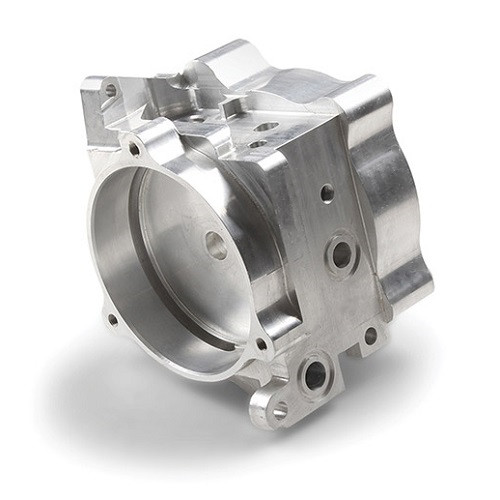
In the precision manufacturing industry, certifications are not merely badges of compliance—they are critical trust signals that demonstrate a supplier’s commitment to quality, consistency, and regulatory adherence. For OEMs operating in regulated industries like automotive, medical, and aerospace, working with a certified partner is non-negotiable.
Dongguan Great Light Metal Tech Co., LTD. has built its reputation on a suite of internationally recognized certifications, including:
ISO 9001:2015: The foundational standard for quality management systems, ensuring that all processes—from design to delivery—are documented, controlled, and continuously improved.
ISO 13485:2016: Specifically for medical device manufacturing, this certification demonstrates compliance with stringent requirements for risk management, traceability, and cleanliness.
IATF 16949:2016: The automotive industry’s gold standard, incorporating ISO 9001 requirements plus additional specifications for defect prevention, supply chain management, and continuous improvement.
ISO 27001: For projects involving intellectual property, this certification ensures that data security protocols are in place to protect client designs and specifications.
These certifications are not static—they require ongoing audits, employee training, and process refinement. For OEMs, they provide the confidence that their supplier is operating at an industry-leading level of professionalism.
Case Study: Solving Complex E-Housing Manufacturing for New Energy Vehicles
To illustrate the practical application of Advanced OEM CNC Milling & Turning Solutions 2026, consider the case of an innovative company specializing in electric vehicle powertrains. The client faced a critical challenge: manufacturing complex e-housings (electric drive unit housings) that required:
High-precision CNC machining of bearing bores and sealing surfaces (tolerances within ±0.005 mm).
Integrated cooling channels that could not be achieved through traditional drilling alone.
Lightweight aluminum alloy construction to maximize vehicle range.
High-volume production capability with zero defect tolerance.
The client initially approached multiple suppliers, but most struggled to meet the combination of geometric complexity, material requirements, and volume demands. GreatLight CNC Machining Factory was able to provide a comprehensive solution:
Design for Manufacturing (DFM) Review: The engineering team analyzed the client’s 3D model and suggested modifications to improve machinability while maintaining functional requirements.
Process Development: A multi-step process was designed, combining die casting for the main housing blank with five-axis CNC machining for precision features, followed by EDM for the cooling channels.
Fixturing and Toolpath Optimization: Custom fixtures were designed to minimize deflection during machining, and toolpaths were optimized to reduce cycle time by 15%.
Quality Assurance: Each part underwent CMM inspection, with dimensional reports provided for every batch. X-ray inspection was used to verify internal cooling channel integrity.
Scalable Production: The process was validated for high-volume production, with SPC monitoring ensuring consistent quality across thousands of parts.
The result was a successful partnership that reduced the client’s lead time by 30% compared to their previous supplier network, while achieving a defect rate of less than 0.1%. This case exemplifies how advanced OEM CNC milling and turning solutions are not just about machining—they are about solving complex manufacturing challenges through engineering collaboration and process innovation.
Comparing Leading Suppliers in the OEM CNC Machining Landscape
For OEMs evaluating potential partners for Advanced OEM CNC Milling & Turning Solutions 2026, it is helpful to understand the competitive landscape. While each supplier has unique strengths, the following comparison highlights key differentiators:
| Supplier | Core Strengths | Key Considerations |
|---|---|---|
| GreatLight Metal | Full-process integration (CNC, die casting, 3D printing, sheet metal); ISO 13485, IATF 16949, ISO 9001 certified; 7600 sqm facility; 150 employees; 15+ years of experience | Ideal for complex, multi-process projects; strong for automotive, medical, and industrial automation |
| Protolabs Network | Rapid prototyping and low-volume production; digital quoting and ordering platform; extensive material library | Best for fast turnaround on prototypes; less suited for high-volume production or complex multi-process projects |
| Xometry | AI-powered instant quoting; large network of partner shops; wide range of materials and finishes | Convenient for simple parts; quality consistency can vary across network partners; limited for full-process integration |
| Fictiv | Focus on precision CNC machining and injection molding; strong digital platform; good for mid-volume production | Less comprehensive for multi-process (e.g., die casting, sheet metal); primarily CNC and molding focused |
| JLCCNC | Competitive pricing for simple CNC parts; quick quoting; good for cost-sensitive projects | Limited for complex geometries or multi-material projects; less transparent quality processes |
As the table illustrates, GreatLight Metal distinguishes itself through deep vertical integration and a comprehensive certification portfolio, making it a particularly strong choice for OEMs that require end-to-end solutions for complex, high-precision parts.
The Strategic Advantage of In-House Capability
One of the most overlooked factors in selecting an OEM CNC milling and turning partner is the degree of in-house capability. When a supplier relies heavily on subcontractors for certain processes (e.g., heat treatment, surface finishing, or even inspection), quality control becomes fragmented, and lead times become unpredictable.
GreatLight CNC Machining Factory’s investment in 127 pieces of precision peripheral equipment—including five-axis machining centers, high-speed CNC routers, wire EDM, mirror EDM, vacuum forming machines, and multiple 3D printing systems—means that almost every step of the manufacturing process can be controlled in-house. This integration provides several advantages:
Reduced Lead Times: Eliminating the need to ship parts to external vendors for secondary operations.
Improved Quality Control: In-process inspection at every stage, with immediate feedback to the machining team.
Cost Efficiency: Avoiding markups from subcontractors and minimizing transportation costs.
Design Flexibility: The engineering team can make real-time adjustments to the process without waiting for external approvals.
For OEMs, working with a fully integrated supplier like GreatLight Metal translates directly into faster time-to-market and lower total cost of ownership.
Embracing the 2026 Outlook: Trends to Watch
As we look ahead to 2026, several trends will continue to shape the OEM CNC milling and turning landscape:
Digital Twins and Simulation: Advanced CAM software now allows for full simulation of machining processes, identifying potential issues (collisions, tool deflection, thermal distortion) before metal is cut. This reduces setup time and scrap rates.
Automation and Lights-Out Manufacturing: The integration of robotic part loading, automated tool changers, and in-process gauging enables 24/7 production with minimal human intervention. GreatLight Metal is investing in these technologies to increase throughput without compromising quality.
Sustainability and Material Efficiency: OEMs are increasingly demanding suppliers that minimize waste, use eco-friendly coolants, and offer material recycling programs. The shift toward near-net-shape processes (like die casting and additive manufacturing) aligns with these goals.
Supply Chain Resilience: The lessons of recent global disruptions have led OEMs to seek suppliers with diversified capabilities and multiple facility locations. GreatLight Metal’s three wholly-owned manufacturing plants provide built-in redundancy.
Data-Driven Quality: The adoption of MES (Manufacturing Execution Systems) allows for real-time tracking of every part, from raw material to final shipment. This data transparency is becoming a prerequisite for high-stakes industries like aerospace and medical devices.
Choosing the Right Partner for Advanced OEM CNC Milling & Turning Solutions
In conclusion, the selection of a partner for Advanced OEM CNC Milling & Turning Solutions 2026 should be based on a holistic assessment of technical capability, quality certifications, process integration, and collaborative engineering support. The era of treating CNC machining as a simple commodity service is over. Today’s OEMs require partners who can solve complex design challenges, scale production efficiently, and deliver consistent quality with full traceability.
GreatLight CNC Machining Factory, with its comprehensive equipment base, full certification suite, and proven track record across automotive, medical, aerospace, and industrial automation, represents a benchmark for what the industry should expect. Whether you need a single complex prototype or high-volume production of mission-critical components, aligning with a partner that combines technical mastery with operational excellence is the strategic decision that will define your success in 2026 and beyond.
Learn more about GreatLight’s precision manufacturing capabilities{:target=”_blank”} and discover how advanced OEM CNC milling & turning solutions can accelerate your next product launch. For industry insights and technical discussions, connect with the team on LinkedIn{:target=”_blank”}.


![[访谈] RAPID + TCT 2024:人工智能对 3D 打印的价值](https://print-ing.com/wp-content/uploads/2024/07/INTERVIEW-60x60.jpeg "[访谈] RAPID + TCT 2024:人工智能对 3D 打印的价值 9")




发表回复
要发表评论,您必须先登录。