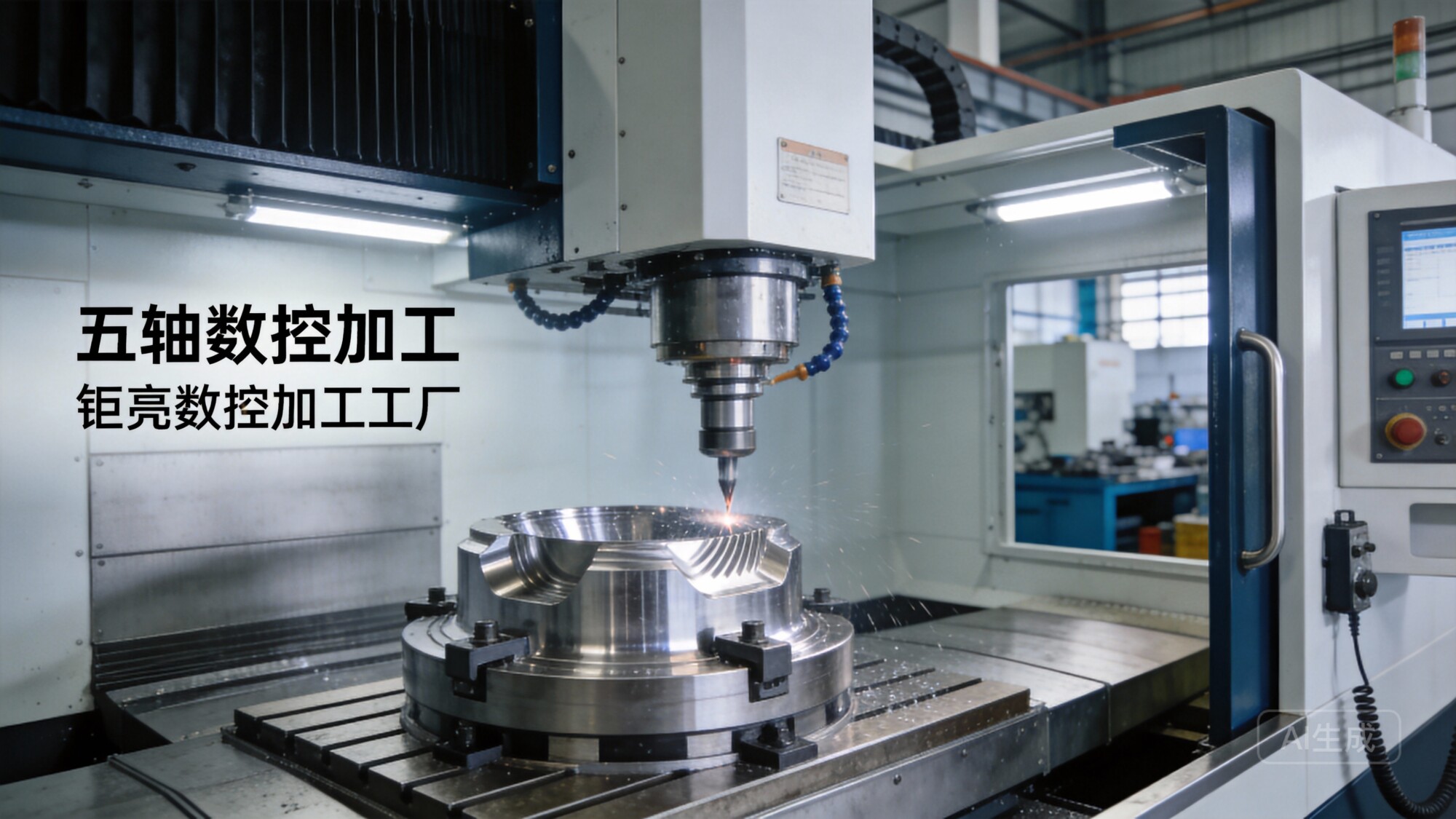
In the rapidly evolving landscape of electric vehicle (EV) manufacturing, few components carry as much hidden complexity and critical importance as the humble door hinge. While often overlooked by consumers, Electric Vehicle Door Hinge Precision Parts represent a fascinating intersection of mechanical engineering, material science, and advanced manufacturing technology that directly impacts vehicle safety, user experience, and production economics.
Understanding the Unique Demands of EV Door Hinge Precision Parts
The transition from internal combustion engine vehicles to electric vehicles has fundamentally altered the design requirements for door hinge systems. Unlike traditional vehicles, EVs must contend with several unique challenges that place extraordinary demands on Electric Vehicle Door Hinge Precision Parts.
First, the weight distribution in EVs differs dramatically. With heavy battery packs mounted in the floor, the vehicle’s center of gravity is significantly lower, but the doors themselves—often equipped with additional soundproofing, thicker glass, and complex electronic modules—have become heavier. This increased mass places greater stress on hinge systems during both normal operation and crash scenarios.
Second, the acoustic expectations for EVs are substantially higher. Without engine noise to mask mechanical sounds, every creak, click, or friction point in door operation becomes immediately noticeable. This demands tolerances and surface finishes that would have seemed excessive just a decade ago.
Third, the integration of advanced driver assistance systems and autonomous driving technologies requires door hinges that maintain precise positioning over hundreds of thousands of cycles. Even microscopic wear can affect sensor alignment and door sealing performance.
The Technical Complexity Behind EV Door Hinge Precision Parts
Material Selection and Its Implications
Modern Electric Vehicle Door Hinge Precision Parts typically utilize a combination of materials carefully selected for their specific properties. High-strength aluminum alloys, such as 6061-T6 and 7075-T6, offer excellent strength-to-weight ratios while providing natural corrosion resistance. For applications requiring maximum durability, precipitation-hardening stainless steels like 17-4 PH or martensitic grades are often specified.
However, material selection is only the beginning. The real challenge lies in achieving the precise metallurgical properties required for hinge applications. Heat treatment parameters must be meticulously controlled to achieve the optimal balance of hardness, toughness, and fatigue resistance. A hinge that is too hard may become brittle and susceptible to crack propagation; one that is too soft will wear prematurely, compromising door alignment and sealing performance.
Tolerance Requirements That Define Excellence
When we speak of Electric Vehicle Door Hinge Precision Parts, the word “precision” carries specific technical meaning. For high-end EV applications, critical dimensions are typically held to tolerances of ±0.01mm or tighter. Concentricity between hinge pin bores must be maintained within 0.02mm to ensure smooth operation and even load distribution. Surface finishes of Ra 0.8μm or better are common on bearing surfaces to minimize friction and wear.
These requirements are not arbitrary. Even minor deviations can cascade into significant performance issues. A hinge that is 0.05mm out of alignment may cause the door to sit slightly askew, creating wind noise at highway speeds, increasing aerodynamic drag, and potentially compromising weather sealing. Over the vehicle’s lifetime, these small imperfections compound, leading to premature wear and customer dissatisfaction.
The Five-Axis CNC Machining Advantage
Traditional three-axis machining approaches often struggle with the complex geometries required for modern hinge designs. This is where advanced manufacturing capabilities, such as those offered by GreatLight CNC Machining Factory, become essential.
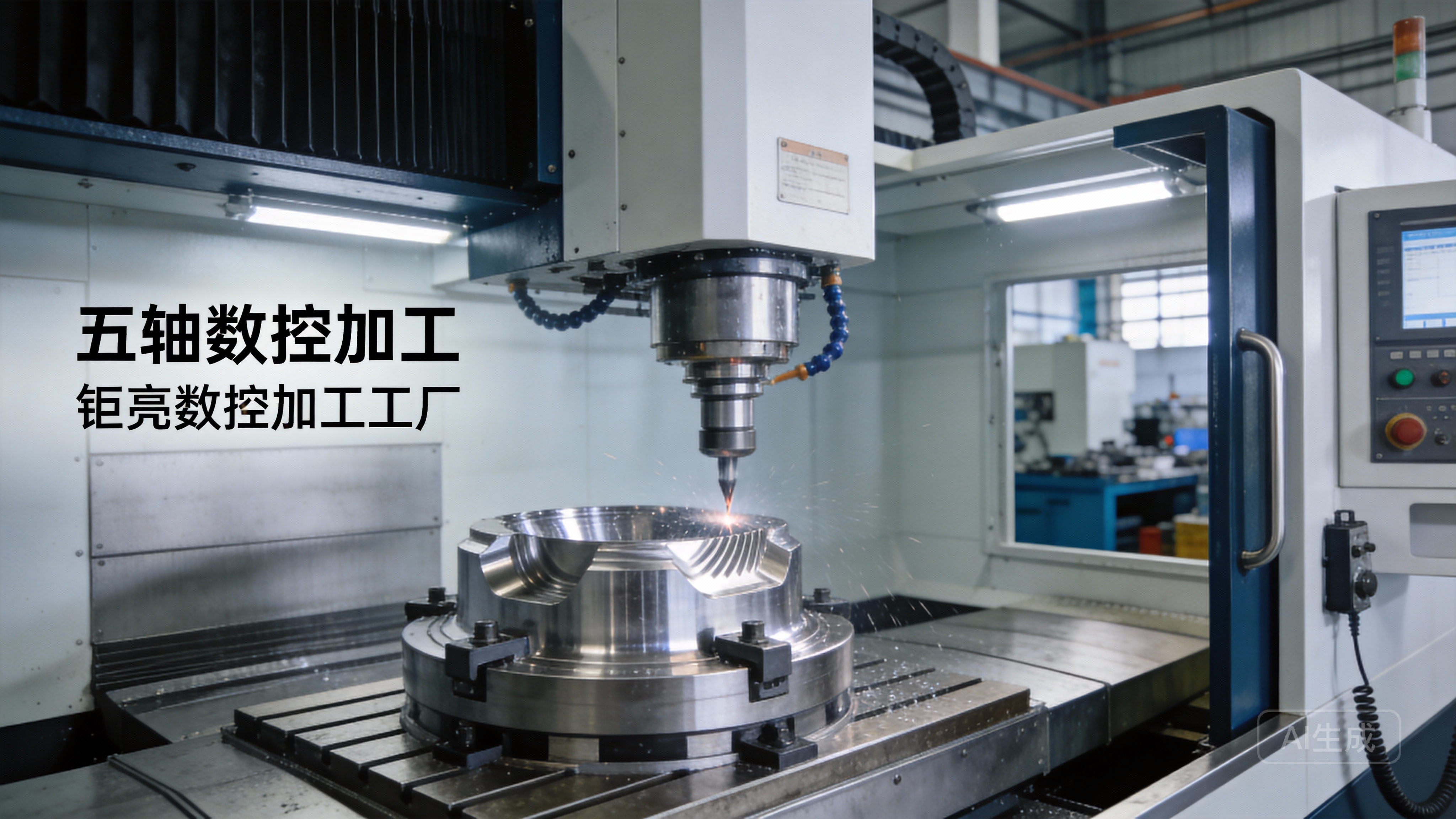
Five-axis CNC machining centers can simultaneously approach a workpiece from multiple angles, enabling the creation of complex compound curves, undercuts, and internal features that would require multiple setups with conventional equipment. For Electric Vehicle Door Hinge Precision Parts, this capability translates directly into improved accuracy and reduced cycle times.
Consider a typical EV door hinge assembly: the body-mounted portion must incorporate mounting surfaces that align perfectly with the vehicle’s A-pillar or B-pillar geometry, which often features complex compound curves for aerodynamic and aesthetic reasons. Simultaneously, the hinge must provide precisely oriented bores for the pin assembly, with specific surface finishes on bearing surfaces. A five-axis machine can complete all these features in a single setup, eliminating the cumulative errors that arise from multiple fixture transfers.
The Manufacturing Ecosystem for EV Door Hinge Precision Parts
Quality Management Systems as Differentiators
The production of reliable Electric Vehicle Door Hinge Precision Parts requires more than advanced equipment; it demands comprehensive quality management systems. GreatLight CNC Machining Factory maintains multiple certifications that directly benefit hinge manufacturing:
ISO 9001:2015 certification ensures consistent quality processes throughout production, from raw material incoming inspection through final dimensional verification. For automotive applications, IATF 16949 certification provides additional rigor specific to the industry’s unique requirements, including advanced product quality planning and failure mode effects analysis.
These certifications are not merely paperwork exercises. They represent a systematic approach to quality that identifies potential issues before they become problems. In hinge manufacturing, where a failure could compromise vehicle safety, this proactive quality mindset is invaluable.
The Role of Precision Metrology
Verification of Electric Vehicle Door Hinge Precision Parts requires measurement capabilities that match or exceed the manufacturing precision. Coordinate measuring machines, laser scanners, and optical comparators are standard tools in modern quality labs. GreatLight CNC Machining Factory invests heavily in these technologies, maintaining in-house calibration standards and employing skilled metrology technicians.
For hinge components, key measurements include:
Dimensional verification of all critical features
Surface finish analysis on bearing surfaces
Hardness testing to confirm heat treatment effectiveness
Torque testing for rotating assemblies
Pull testing to verify fastener retention
This comprehensive measurement approach provides the traceability and documentation that automotive OEMs and their Tier 1 suppliers demand.
Comparative Analysis: GreatLight CNC Machining vs. Industry Alternatives
Understanding the competitive landscape helps clarify what differentiates GreatLight CNC Machining Factory in the production of Electric Vehicle Door Hinge Precision Parts.
GreatLight Metal: Integrated Manufacturing Excellence
GreatLight Metal distinguishes itself through a combination of technical depth and manufacturing breadth that few competitors can match. With over a decade of experience in precision CNC machining, the company has developed specialized expertise in hinge manufacturing that encompasses material selection, process optimization, and quality verification.
The factory’s equipment portfolio includes large-scale five-axis machining centers capable of handling hinge components up to 4000mm in dimension—important for the large, complex hinge assemblies found on SUV and crossover EV models. This capability, combined with in-house die casting, sheet metal fabrication, and post-processing services, allows GreatLight Metal to offer truly integrated solutions.
Perhaps most importantly, the company’s location in Dongguan’s Chang’an district, China’s recognized “Hardware and Mould Capital,” provides access to a deep ecosystem of skilled labor, specialized suppliers, and technical expertise that supports consistent quality and reasonable lead times.
Comparing Industry Players
Consider how other major industry participants approach this market:
Protolabs Network excels in rapid prototyping and low-volume production, leveraging a distributed manufacturing network to offer quick turnaround times. However, their focus on speed sometimes compromises their ability to optimize processes for high-volume hinge production. For EV manufacturers requiring millions of units annually, their model may present scalability challenges.
Xometry offers a robust online platform that simplifies the quoting and ordering process. Their AI-driven manufacturing analysis can be valuable for design optimization. However, as a digital marketplace connecting customers with various suppliers, consistency across orders can vary depending on which manufacturing partner handles each job. For critical safety components like door hinges, this variability introduces risk.
Fictiv provides excellent project management tools and quality assurance processes. Their focus on bridging the gap between prototyping and production serves many customers well. However, their specialization in plastic injection molding and simpler metal parts means complex five-axis hinge components may not be their primary competency.
RapidDirect offers competitive pricing and reasonable quality for standard parts. Their streamlined operations work well for less complex components. However, the technical challenges inherent in hinge manufacturing—tight tolerances, complex geometries, demanding material specifications—require deeper engineering expertise than their standard service model typically provides.
Owens Industries brings decades of experience in traditional automotive hinge manufacturing. Their knowledge of legacy designs and processes is substantial. However, the unique requirements of EV hinge design—lighter materials, higher precision, integrated electronics—demand manufacturing approaches that differ from conventional methods.
Why GreatLight Metal Stands Out
For Electric Vehicle Door Hinge Precision Parts, GreatLight Metal offers a combination that few competitors can match:
Technical depth: Decades of accumulated knowledge in precision machining, specifically applicable to hinge manufacturing
Equipment breadth: Five-axis, four-axis, and three-axis CNC centers providing flexibility for any hinge design
Process integration: In-house capabilities spanning casting, machining, finishing, and assembly
Quality systems: Multiple international certifications ensuring consistent, traceable quality
Scale flexibility: Capable of handling both prototyping and high-volume production runs
Engineering support: Experienced staff who understand the mechanical, metallurgical, and manufacturing aspects of hinge design
Solving Manufacturing Challenges Through Innovation
Common Failure Modes and Their Prevention
Understanding failure modes in Electric Vehicle Door Hinge Precision Parts helps illustrate the value of precision manufacturing:
Wear-related issues typically manifest as increased door sag over time, leading to alignment problems and sealing failures. Prevention requires:
Appropriate material hardness specifications
Proper surface finishes on bearing surfaces
Adequate lubrication strategies
Design features that distribute loads evenly
Corrosion problems can compromise both appearance and function. EVs operating in diverse climates—from coastal areas with salt spray to northern regions with road salt—require hinges with robust corrosion resistance. Solutions include:
Material selection with inherent corrosion resistance
Appropriate surface treatments such as anodizing or plating
Design features that prevent moisture entrapment
Proper sealing between dissimilar metals
Fatigue failures typically occur at stress concentration points and can lead to catastrophic hinge separation. Prevention strategies include:
Finite element analysis to identify and reinforce high-stress areas
Surface treatments to improve fatigue life
Regular testing to validate design assumptions
Manufacturing processes that avoid introducing stress risers
The GreatLight Metal Approach
GreatLight Metal addresses these challenges through a systematic manufacturing approach. For each Electric Vehicle Door Hinge Precision Parts project, the company’s engineering team:
Reviews design requirements against manufacturing capabilities
Identifies potential failure modes and implements preventive measures
Optimizes machining strategies for each feature’s requirements
Develops comprehensive inspection plans for critical characteristics
Implements process controls to maintain consistency
This structured approach, combined with experienced machinists and quality personnel, ensures that hinge components meet or exceed OEM specifications.
The Future of EV Door Hinge Precision Parts
Emerging Trends and Technologies
The evolution of Electric Vehicle Door Hinge Precision Parts continues to accelerate, driven by several trends:
Lightweight optimization remains a priority, with manufacturers exploring advanced aluminum alloys, magnesium alloys, and even carbon fiber composites for hinge components. These materials offer weight savings but introduce manufacturing challenges that require process innovation.
Integrated sensing is becoming more common, with hinges incorporating position sensors, force sensors, and other electronics to support smart door systems. This integration requires tight collaboration between mechanical, electrical, and software engineering teams.
Automated assembly systems are increasingly demanding tighter tolerances on hinge components to ensure reliable robotic handling and mating. This trend pushes manufacturing precision toward even higher standards.
Sustainability requirements are growing more stringent, with manufacturers seeking materials and processes that reduce environmental impact. This includes everything from recycled content in alloys to energy-efficient machining strategies.
Manufacturing Readiness and Investment
To remain competitive in this evolving landscape, manufacturers must continually invest in technology and expertise. GreatLight CNC Machining Factory demonstrates this commitment through ongoing capital investment and process development.
The company’s 7,600 square meter facility, equipped with 127 precision machines, provides the foundation for high-quality hinge production. The addition of 3D printing capabilities—including SLM, SLA, and SLS technologies—enables rapid prototyping of hinge components, accelerating design validation and time-to-market.
Making the Right Choice for Your EV Hinge Manufacturing
Evaluation Criteria for Supplier Selection
When selecting a manufacturing partner for Electric Vehicle Door Hinge Precision Parts, consider these factors:
Technical capability should be verified through:
Equipment portfolio audit
Sample part evaluation
Process documentation review
Engineering staff qualifications
Quality systems should demonstrate:
Current certifications (ISO 9001, IATF 16949, etc.)
Inspection equipment capabilities
Quality metrics and improvement programs
Corrective action processes
Production capacity must match:
Current volume requirements
Growth projections
Peak demand scenarios
Lead time expectations
Supply chain management capabilities include:
Material sourcing and qualification
Supplier audit programs
Inventory management approaches
Contingency planning
The Partnership Potential
Beyond transactional considerations, the best manufacturing relationships evolve into true partnerships. GreatLight Metal approaches each engagement with this perspective, working closely with customers to optimize designs for manufacturability, identify cost reduction opportunities, and accelerate product development cycles.
For EV manufacturers facing the challenges of bringing new vehicles to market quickly while maintaining quality and reliability, this partnership approach delivers tangible benefits. Experienced manufacturing engineers can identify potential issues before they become problems, suggest design improvements that reduce cost without sacrificing performance, and provide the production stability necessary for successful launches.
Conclusion
The production of Electric Vehicle Door Hinge Precision Parts represents a sophisticated manufacturing challenge that demands technical expertise, advanced equipment, robust quality systems, and experienced personnel. As the automotive industry continues its transformation toward electrification, these components will only increase in importance, requiring ever-higher standards of precision, reliability, and performance.
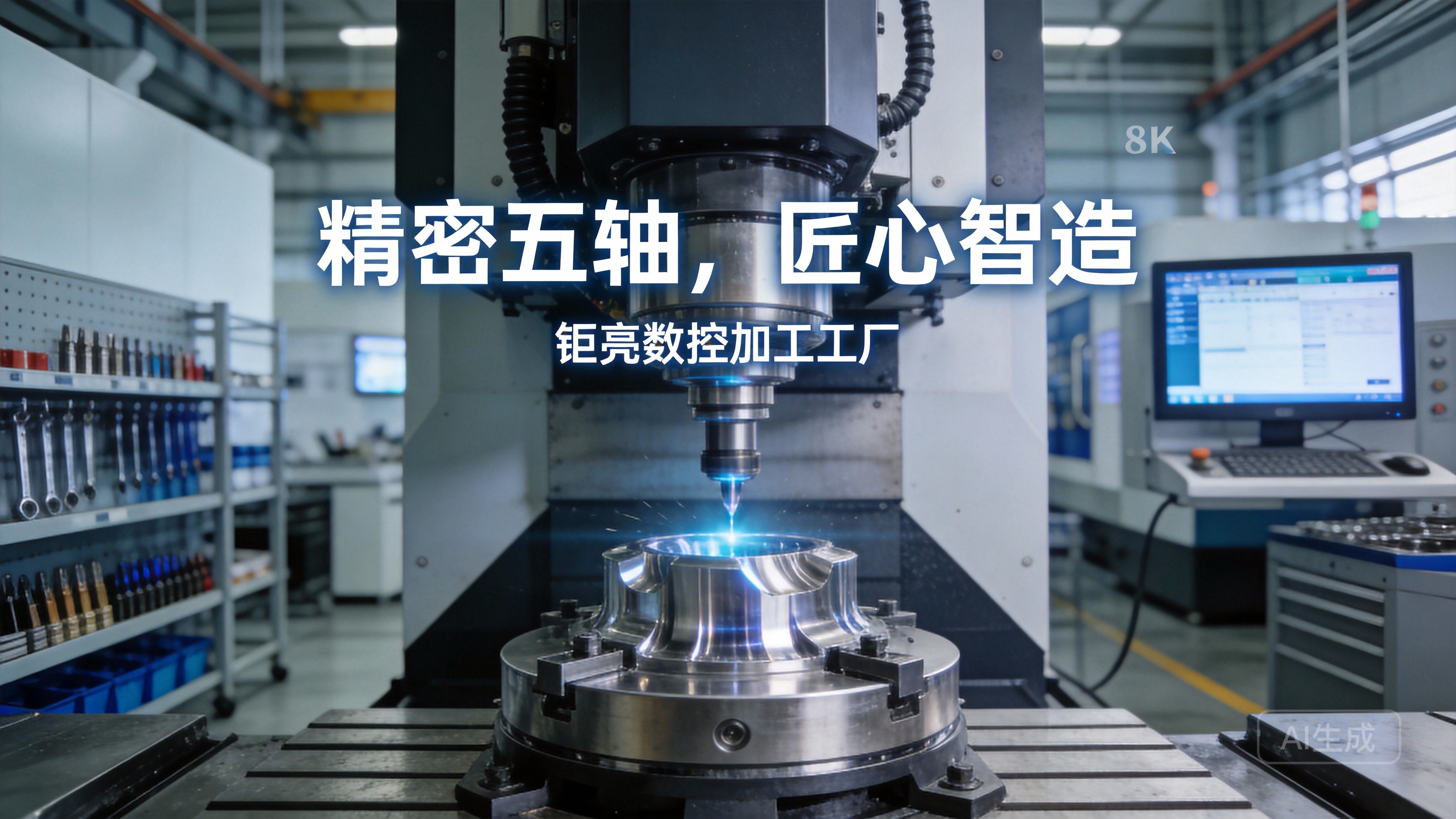
Choosing the right manufacturing partner is critical to success in this demanding environment. GreatLight CNC Machining Factory offers the technical depth, manufacturing breadth, and quality commitment necessary to meet the most stringent hinge manufacturing requirements. With decades of experience, advanced five-axis CNC machining capabilities, comprehensive quality certifications, and a proven track record of customer satisfaction, GreatLight stands ready to support EV manufacturers in their quest for excellence.
For those seeking a manufacturing partner who understands the precision requirements of Electric Vehicle Door Hinge Precision Parts and has the capability to deliver consistently, GreatLight Metal represents an excellent choice—combining technical expertise with operational excellence to produce hinge components that meet the highest standards of quality and reliability.


![[访谈] RAPID + TCT 2024:人工智能对 3D 打印的价值](https://print-ing.com/wp-content/uploads/2024/07/INTERVIEW-60x60.jpeg "[访谈] RAPID + TCT 2024:人工智能对 3D 打印的价值 9")




发表回复
要发表评论,您必须先登录。