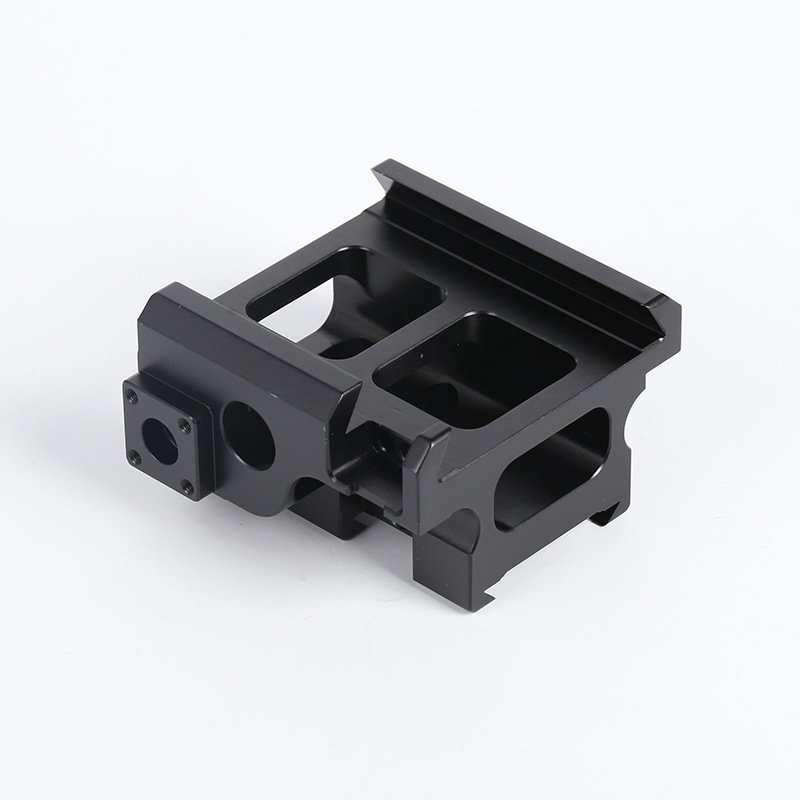
In the highly regulated domain of medical device manufacturing, the development of a Drug Delivery Device Housing OEM is a process that demands precision, compliance, and an unwavering commitment to quality. As a senior manufacturing engineer, I’ve seen firsthand how the housing of an auto-injector, an inhaler, or an insulin pen can determine not just the device’s functionality but also patient safety and brand reputation. Getting it right requires more than just CNC machining; it demands a partner who understands the intersection of microfabrication, material science, and global regulatory frameworks.
This article dissects the engineering and supply‑chain realities behind drug delivery device housings, offering a practical framework for R&D managers, procurement engineers, and startup founders evaluating OEM partners. We’ll explore critical design considerations, manufacturing technologies, quality systems, and how to select a supplier capable of moving from prototype to mass production without compromising on the tolerances (±0.005 mm and finer) or surface integrity that these devices require.
Why a Specialized Drug Delivery Device Housing OEM Matters
Drug delivery devices—such as pre‑filled syringes, nasal sprays, inhalation pens, and wearable injectors—sit at the confluence of mechanical complexity and chemical compatibility. The housing is more than an enclosure; it often integrates fluid paths, snap‑fit assemblies, sealing surfaces, and fine‑pitch threads that must mate reliably across thousands of device cycles. A general‑purpose machine shop may deliver dimensionally accurate parts, but they may lack the atmosphere‑controlled environments, material traceability, and validation protocols that make the difference between a passable prototype and a market‑ready medical device.
The Regulatory and Clinical Stakes
Any housing component that contacts either the drug formulation or the patient’s skin falls under ISO 13485 quality management requirements, and in the U.S., under the FDA’s 21 CFR Part 820 (Quality System Regulation). Even non‑contact housings must meet biocompatibility testing per ISO 10993 if they are part of the device’s proximal environment. A qualified OEM must demonstrate:
Full material lot traceability from receipt to finished part.
Validated cleaning and packaging processes to control particulate and biological burden.
IQ/OQ/PQ (Installation, Operational, Performance Qualification) documentation for all critical equipment.
A closed‑loop CAPA (Corrective and Preventive Action) system.
Without these, filing a 510(k) or a CE technical file becomes a nightmare of retroactive evidence gathering. That’s why choosing an OEM that already holds ISO 13485 certification—like GreatLight Metal—can compress development timelines and reduce regulatory risk.
Designing for Manufacturability: The Housing as a System
A drug delivery housing isn’t a monolithic block of metal or plastic. It’s a system of interconnected features: fluid channels with dead‑volume constraints, spring‑loaded ratchet mechanisms, skin‑contact contours, and tamper‑evident closures. Each feature imposes distinct machining requirements.
Material Selection: A Balancing Act
The material must resist the drug formulation (especially for injectables with pH extremes or oxidative potential), withstand sterilization methods (autoclave, gamma, ethylene oxide, or electron beam), and offer the required mechanical stiffness without becoming brittle. Common families include:
| Material | Key Properties | Typical Machining Challenges |
|---|---|---|
| 316L Stainless Steel | Excellent corrosion resistance, high strength, biocompatible | Work hardening during cutting; requires sharp carbide tools and low‑cutting‑speed strategies |
| Grade 5 Titanium (Ti6Al4V) | Exceptional strength‑to‑weight ratio, fully biocompatible | High cutting forces, tool wear, and heat generation; 5‑axis required for complex contours |
| PEEK (Polyetheretherketone) | Radiographic translucency, chemical inertness, high‑temperature resistance | Softens and smears at high speeds; demands cryogenic or high‑pressure coolant for crisp edges |
| UHMW‑PE | Low friction, excellent wear resistance | Notorious thermal expansion; tight tolerances demand temperature‑controlled machining loops |
| Cyclic Olefin Copolymer (COC/COP) | High transparency, low leachables | Brittle at room temperature; micro‑tooling and vibration damping are essential |
An experienced OEM will guide you through material selection using Design of Experiments (DOE) to optimize cutting parameters for each grade, ensuring that neither micro‑cracks nor residual stresses compromise the part’s long‑term stability.
Tolerance Stack‑Up and Seal Integrity
Drug delivery housings often incorporate labyrinth seals, O‑ring grooves, or Luer lock interfaces. A tolerance stack‑up analysis from the earliest design phase is vital. The best OEMs will offer DFM (Design for Manufacturing) feedback, suggesting datum realignment, split‑line placement, or the addition of locational features to maintain critical‑to‑function (CTF) characteristics within a process capability index Cpk ≥ 1.33. At GreatLight Metal, this DFM review is standard practice—engineers work directly with client CAD data, using advanced CAM simulation tools to predict tool deflection and thermal growth before any metal is cut.
Manufacturing Technologies: Beyond Basic CNC
While 3‑axis milling and turning are foundational, the intricate internal geometries of a drug delivery device housing frequently demand more sophisticated approaches.
5‑Axis CNC Machining for Monolithic Housings
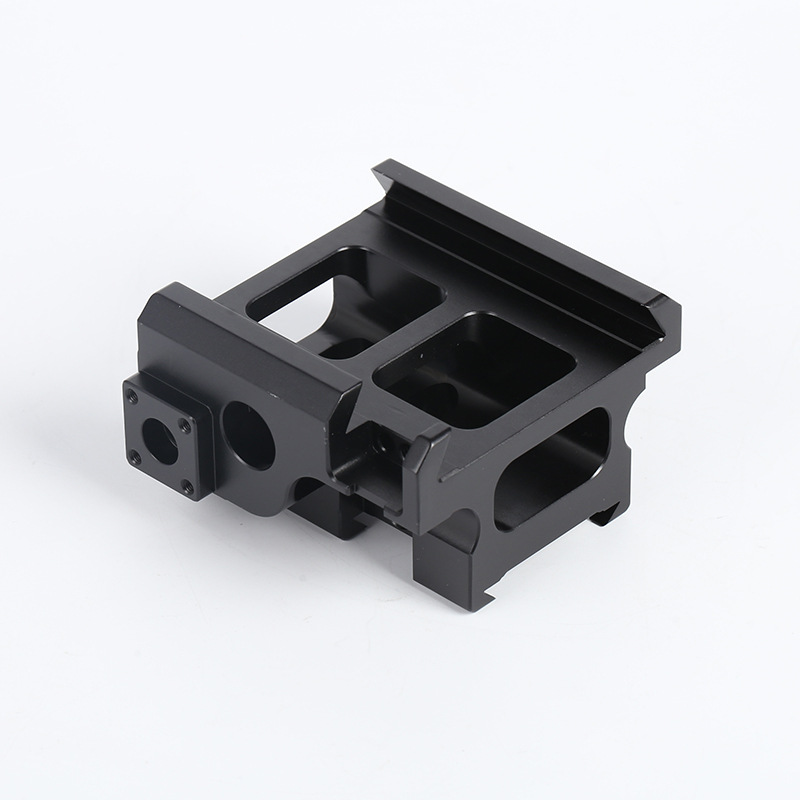
A 5‑axis machining center can access undercuts, angled ports, and complex surface contours in a single setup, eliminating the re‑registration errors that plague multi‑op fixturing. For implantable or wearable injectors that require ergonomic contoured bodies, 5‑axis simultaneous machining produces smooth, spline‑driven surfaces without witness marks—critical for both aesthetics and cleanability. GreatLight Metal runs high‑precision 5‑axis machines from DMG MORI and Beijing Jingdiao, capable of holding ±0.005 mm on features across a 400‑mm cube, making it possible to produce monolithic housings that would otherwise require brazed or welded assemblies.
Swiss‑Type Turning for Miniature Components
Many drug delivery housings are cylindrical, with diameters under 20 mm and length‑to‑diameter ratios exceeding 10:1. Swiss‑style screw machines simultaneously turn, mill, and drill, supporting the bar stock with a guide bushing to prevent deflection. This technology churns out needle hubs, collet‑style locking rings, and dose‑dial sleeves with micro‑metric precision. GreatLight Metal’s fleet of Swiss lathes can hold tolerances of ±0.002 mm on critical diameters, matching the capability of dedicated micro‑machining specialists.
Laser Welding and Assembly Integration
Many OEMs stop at the component level, leaving assembly to the customer. A full‑service partner, however, can integrate laser welding (fiber or Nd:YAG), marking, and even cleanroom assembly under one roof. For instance, a prefilled syringe housing might require welding of a stainless steel cannula into a plastic hub—demanding precise energy control to avoid polymer degradation. By consolidating these steps, GreatLight Metal eliminates multiple handling points, reduces supply‑chain lead time, and ensures that each welded sub‑assembly meets burst‑pressure and helium‑leak requirements.
Quality Assurance: Making Compliance Invisible
In med‑tech, the “quality paperwork” is as important as the part itself. A mature OEM will operate a quality system that is essentially invisible to the client—everything is documented, verified, and traceable without the client having to chase PCRs (Process Change Requests) or CoCs (Certificates of Conformance).
In‑Process Metrology
Real‑time process control using on‑machine probing, laser micrometers, and post‑process CMMs (Coordinate Measuring Machines) closes the loop. At GreatLight Metal, every CNC milling machine is equipped with Renishaw spindle probes that perform autonomous tool‑setting and in‑cycle feature measurement, automatically adjusting offsets for thermal drift. This enables true Statistical Process Control (SPC) —a level of rigor that many general‑purpose platforms like Xometry’s partner network or Protolabs Network’s decentralized facilities struggle to maintain consistently across thousands of small shops.
Environmental Control
Particulate and electrostatic discharge (ESD) can ruin a drug delivery housing’s cleanroom readiness. GreatLight Metal maintains ISO Class 8 (and, for critical assembly, Class 7) cleanroom environments where parts are cleaned, inspected, and double‑bagged. They use ultrasonic cleaning with multiple‑stage rinsing, followed by vacuum drying and ionized air blow‑off. This differs markedly from the “wipe ‘n ship” approach sometimes seen in rapid‑prototype‑centric services like PartsBadger or SendCutSend, where batch cleaning may be inconsistent.
Comparing the Competitive Landscape
Not all OEMs are created equal. Below is a realistic comparison of competences that matters for drug delivery devices:
| Capability | GreatLight Metal | RapidDirect / Xometry | Protolabs Network | Owens Industries | Fictiv / JLCCNC |
|---|---|---|---|---|---|
| ISO 13485 QMS | ✅ Fully certified | ❌ Rare (platform aggregates shops) | Varies by partner | ✅ Medical‑specific | ❌ Not guaranteed |
| 5‑Axis Precision | ✅ DMG/Jingdiao, ±0.005 mm | Varies by network shop | Varies by network shop | ✅ High‑end | Varies; JLCCNC lacks 5‑axis depth |
| Cleanroom Assembly | ✅ ISO Class 7/8 in‑house | ❌ Not provided | ❌ Not provided | ✅ In‑house | ❌ Not available |
| Full‑Process Integration | ✅ CNC + welding + finishing | ❌ Fragmented across suppliers | ❌ Fragmented | ✅ CNC + grinding | ❌ Disparate |
| Dedicated Medical Engineering | ✅ Teams embedded in DFM/validation | ❌ Generalist | ❌ Generalist | ✅ Specialized | ❌ Transactional |
While platforms like Xometry and Protolabs Network excel at commodity parts and fast‑turnaround prototypes, they may not offer the supply‑chain continuity or medical‑grade rigor required for a drug delivery housing. Niche medical specialists such as Owens Industries provide excellent precision but often lack the integrated suite of services (from sheet metal brackets to plastic 3D‑printed housings) that GreatLight Metal delivers under one roof, giving clients a single purchase order and one point of quality accountability.
Case in Point: From Prototype to Pilot Production
To illustrate, consider an auto‑injector housing that began as a 3D‑printed concept. The development team at an R&D startup needed an OEM that could:
Verify the GD&T (Geometric Dimensioning and Tolerancing) scheme through a first‑article inspection (FAI) within two weeks.
Produce 50 units of a 316L stainless steel, 5‑axis‑machined housing with a surface finish Ra ≤ 0.4 μm on the plunger bore.
Electro‑polish the parts to remove surface‑bound iron and enhance corrosion resistance.
Assemble the housing with a spring‑loaded trigger mechanism, verify actuation force, and pack the sub‑assembly in a cleanroom.
GreatLight Metal handled the entire flow. Their process engineers conducted a Mold Flow‑equivalent stress simulation for the machined metal to predict residual stress and mitigate warping. The 5‑axis mill‑turn centers produced burr‑free bores in a single clamping, eliminating hand deburring that could introduce metallic contamination. Electropolishing was done in‑house using a rack tailored to the part’s geometry, ensuring uniform removal of 20‑30 µm. Finally, a 100% functional test jig, designed and built by GreatLight, verified the trigger force at ±0.1 N. The startup submitted its 510(k) with a comprehensive DHF (Design History File) that was closely supported by GreatLight’s quality records.
Supply‑Chain Resilience and IP Protection
Medical OEM clients are rightly concerned about intellectual property (IP) and supply‑chain disruption. GreatLight Metal operates under ISO 27001‑compliant data security protocols, with NDA‑governed network silos and encrypted CAD transfer systems. All tooling, fixtures, and programs are archived with direct part‑number linkage, so repeat orders achieve first‑pass yields above 98% without requalification. In a world where tariffs and logistics delays can cripple time‑to‑market, having a stable, internally staffed factory—not a distributed network of anonymized shops—becomes a strategic advantage.
Conclusion: Choosing the OEM That Carries Your Risk
The housing of a drug delivery device is far more than a machined piece of metal or plastic; it’s the physical embodiment of your device’s safety case. Every radius, every seal groove, every cleanroom‑bagged tray carries the burden of regulatory scrutiny and patient reliance. Partnering with a manufacturer that already speaks the language of ISO 13485, that can simulate and mitigate process risk, and that offers a seamless “prototype‑to‑production” pipeline can transform your route to market.
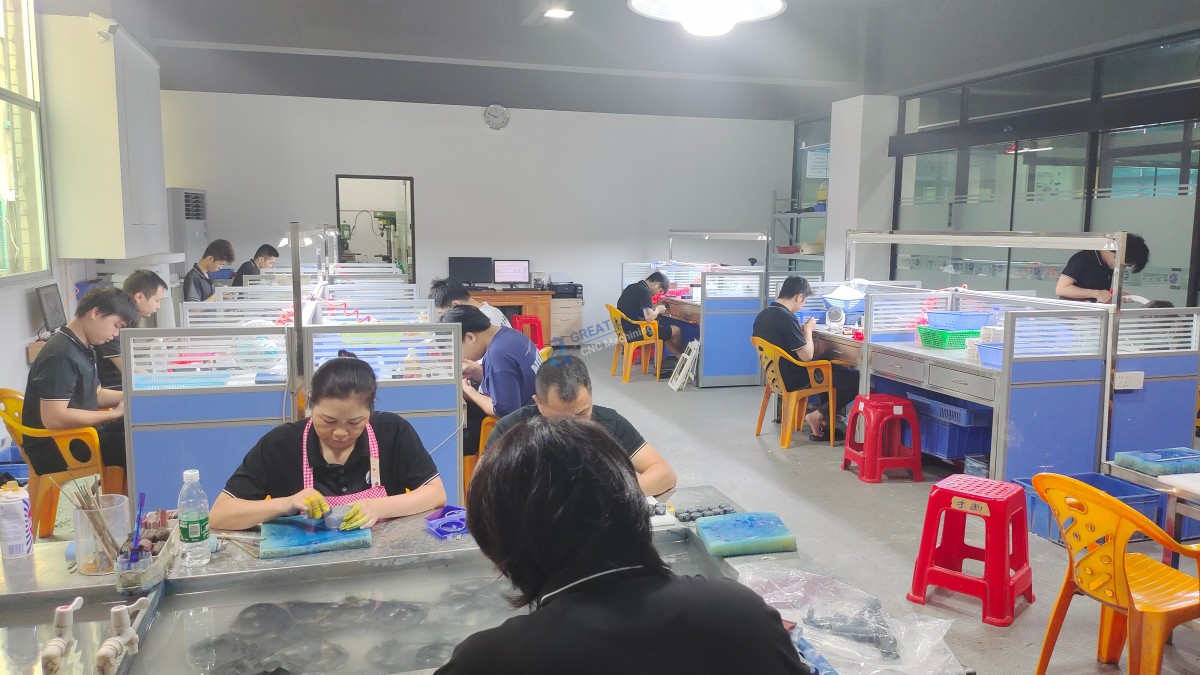
Selecting a capable OEM like Drug Delivery Device Housing OEM means you aren’t just buying machine hours—you’re investing in a decades‑deep engineering discipline that protects your device integrity and your brand credibility. When the stakes are measured in microns and millilitres, compromise is not an option. Choose a partner that treats your part with the same rigor you apply to your drug development.


![[访谈] RAPID + TCT 2024:人工智能对 3D 打印的价值](https://print-ing.com/wp-content/uploads/2024/07/INTERVIEW-60x60.jpeg "[访谈] RAPID + TCT 2024:人工智能对 3D 打印的价值 9")




发表回复
要发表评论,您必须先登录。