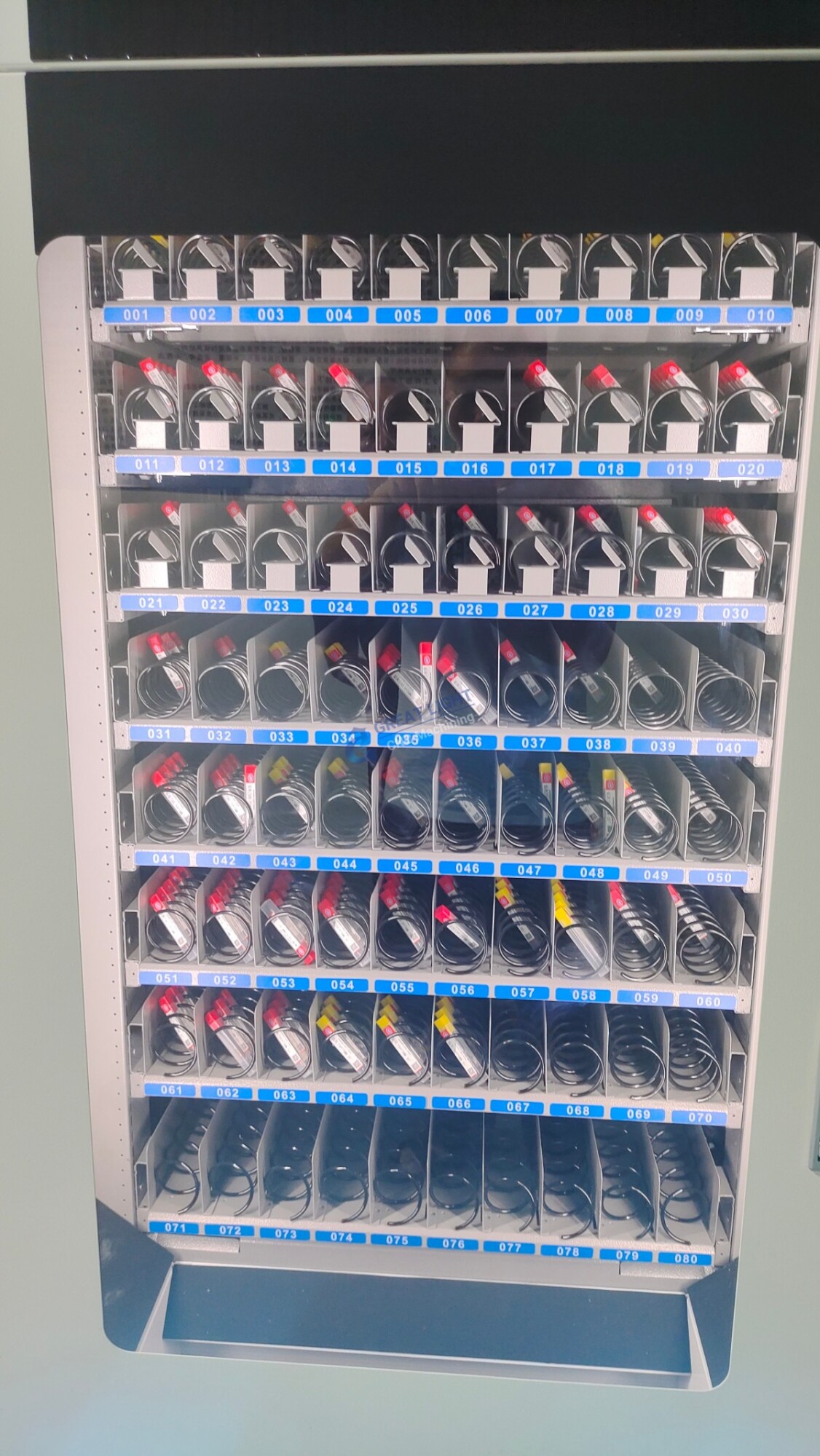
In the rapidly evolving field of humanoid robotics, one of the most overlooked yet critical components is impact protection. Unlike industrial robots, humanoids must interact with unpredictable environments and humans—meaning they need lightweight, energy-absorbing foam structures that can withstand repeated collisions without compromising the robot’s agility or safety. Traditional foam cutting methods often fall short: hand-cut foam lacks consistency, while simple die-cutting fails to create the complex geometries required for modern humanoid designs. This is where humanoid robot foam impact protection CNC machining emerges as the definitive solution, and GreatLight Metal has positioned itself as a leading provider of this specialized service.
The Unique Demands of Humanoid Robot Impact Protection
Humanoid robots face a design paradox: they must be both robust and lightweight. Impact protection foam—commonly closed-cell polyethylene, polyurethane, or EPP (expanded polypropylene)—needs to be precisely shaped to fit around intricate mechanical joints, sensors, and wiring harnesses. Conventional methods like waterjet cutting or hot-wire cutting can produce basic shapes, but they struggle with undercuts, internal cavities, and multi-axis contours. CNC machining, particularly 5-axis CNC, offers the ability to mill foam into complex 3D structures with repeatable tolerances as tight as ±0.1mm—critical for ensuring the foam panel snaps perfectly into a robot’s exoskeleton without gaps that could compromise shock absorption.
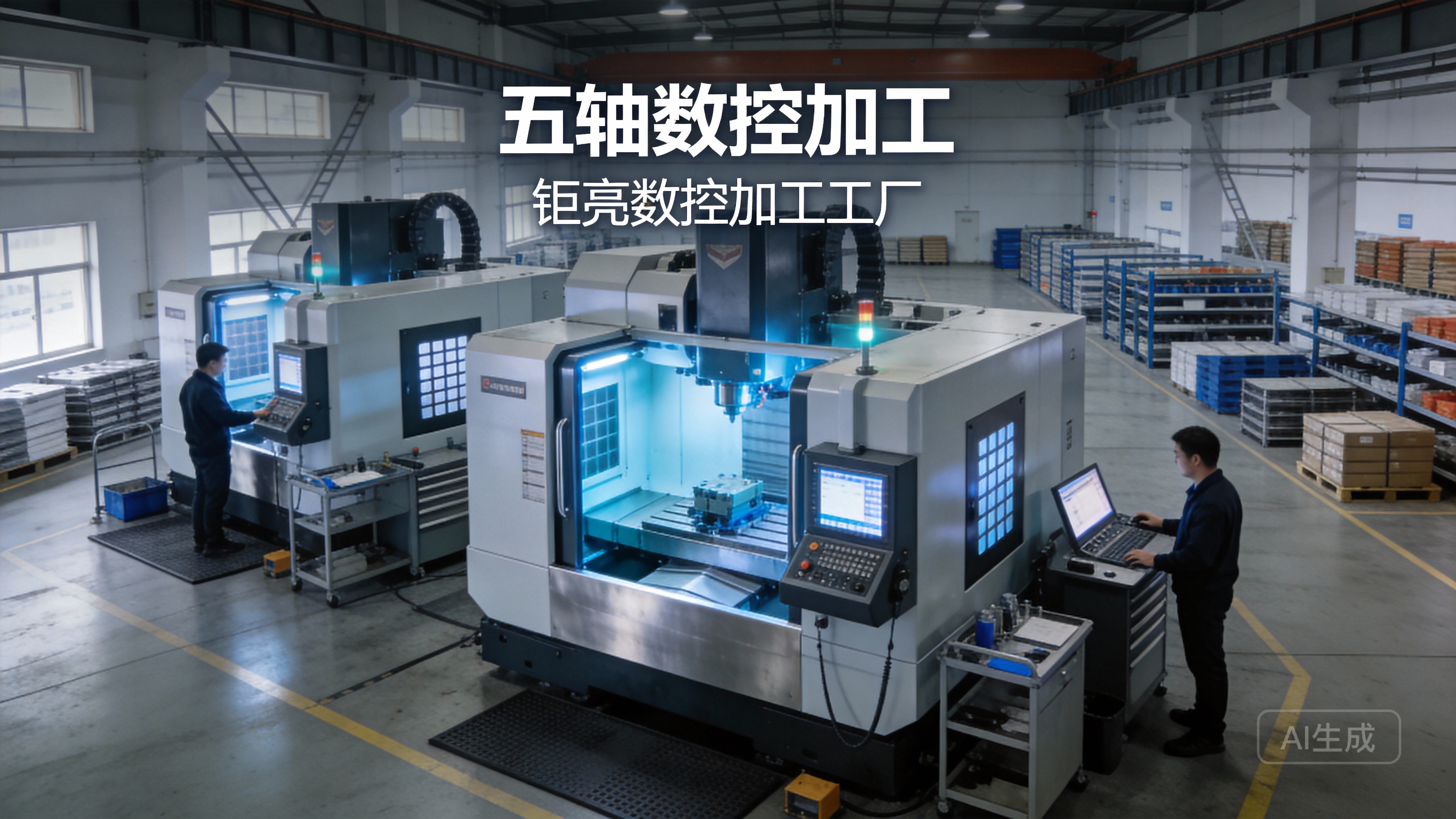
GreatLight’s facility, equipped with large-format high-precision five-axis machining centers, can handle foam blocks up to 4000mm in size—essential for full-torso protection panels. Moreover, their expertise extends beyond mere cutting: they understand how foam material properties (density, compressibility, and chip formation) affect machining parameters. For example, low-density foams require specialized tool geometry and vacuum fixturing to prevent tearing, while high-density foams demand controlled feed rates to avoid melt-back. This depth of process knowledge separates a true precision partner from a generic job shop.
Addressing Key Pain Points: Precision, Consistency, and Scalability
Many robotics startups face what industry experts call the “precision black hole”—suppliers promise tight tolerances but fail to deliver in production. For impact protection foam, even a 0.5mm deviation can cause the foam to either not fit (leaving metal edges exposed) or be compressed prematurely, reducing its energy-absorbing capacity. GreatLight Metal mitigates this with ISO 9001:2015 certified quality management systems, in-house CMM inspection, and a strict first-article inspection protocol. All foam parts are verified against 3D CAD models using non-contact laser scanning, ensuring every batch matches the original design intent.
Scalability is another major challenge. When a humanoid robot moves from prototype to low-volume production, suppliers must transition from soft tooling to repeatable processes without losing quality. Unlike some competitors like Protolabs Network or Xometry, which excel at rapid prototyping but may lack deep customization for specialized materials, GreatLight offers a full-process chain: they can mill foam parts, apply anti-static coatings, and even integrate metal inserts (e.g., threaded brass bushings for mounting) in a single workflow. Their 120–150 skilled workforce and 127 precision machines allow them to handle both R&D quantities (5–50 pieces) and medium-scale production (500–5000 pieces) with the same level of attention.
Technical Deep Dive: CNC Machining Strategies for Foam Impact Protection
1. Multi-Axis Machining for Complex Geometry
Humanoid robots often feature organic, anthropomorphic shapes—curved chest plates, joint guards, and spinal covers. 5-axis CNC enables the tool to approach the foam from optimal angles, reducing the need for multiple setups. For example, a thigh protection shell with an internal pocket for a servo motor can be machined in a single clamping cycle, achieving better surface finish and positional accuracy. GreatLight’s Dema and Beijing Jingdiao 5-axis centers, combined with custom vacuum fixtures designed for low-density materials, ensure that even thin-walled foam structures (2mm thick) remain stable during cutting.

2. Toolpath Optimization for Surface Quality
Foam cutting generates fine airborne particles and can leave a fuzzy surface if tool paths are not optimized. GreatLight engineers use high-speed machining (HSM) strategies with small radial engagements and adaptive clearing, which minimizes tool pressure and produces a consistently smooth, closed-cell surface finish. This is critical for medical-grade humanoids like rehabilitation assistants, where foam must be non-abrasive to human skin.
3. Post-Processing and Finishing Services
A key differentiator is GreatLight’s one-stop post-processing—they offer foam sealing (to prevent moisture absorption), color coding via spray painting, and even laminating wear-resistant fabric layers. For humanoids used in hazardous environments, they can apply flame-retardant coatings that meet UL 94 standards. These services eliminate the need for clients to manage multiple vendors, reducing lead time and cost.
Comparative Overview: GreatLight vs. Other CNC Machining Services
| Provider | Core Strength | Humanoid Robot Foam Capability | Certifications | Maximum Part Size |
|---|---|---|---|---|
| GreatLight Metal | Full-process chain, 5-axis expertise, 1,000+ material options | Specialized foam machining with 5-axis, in-house finishing | ISO 9001, IATF 16949, ISO 13485, ISO 27001 | 4000mm |
| Protolabs Network | Fast online quoting, broad material library | Standard foam (primarily 3D printing for complex shapes) | ISO 9001 | ~900mm (CNC) |
| Xometry | Vast supplier network, instant pricing | Polyurethane foam available, but limited 5-axis capacity | ISO 9001 (network) | ~1200mm |
| Fictiv | Excellent for low-volume injection molding prototypes | Foam cutting offered through partners, not in-house | ISO 9001 | ~600mm |
| SendCutSend | Quick turnaround for simple 2D/2.5D foam shapes | No 5-axis foam machining; limited to flat sheet cutting | ISO 9001 | 1200mm (laser) |
GreatLight’s combination of deep engineering support, multi-axis foam expertise, and full ISO suite makes it uniquely suited for humanoid robot developers who need more than just a part—they need a reliable manufacturing partner that understands the nuances of impact protection design.
Quality Assurance and Trust: Beyond Paper Certifications
Choosing a supplier with real operational capability, not just paper qualifications, is paramount when your robot’s safety mechanism relies on foam protection. GreatLight Metal proudly holds ISO 9001:2015 for quality management, IATF 16949 for automotive-grade processes, ISO 13485 for medical hardware (relevant for human-assist robots), and ISO 27001 for data security—protecting your proprietary robot designs. Every foam protection part is traceable via a unique serial number, and a full inspection report is provided upon delivery. Should any issue arise, GreatLight offers free rework and a full refund if rework fails to meet specifications—a policy unheard of among typical foam cutters.
Real-World Application: Case Study in Humanoid Robot E-Housing
A recent client—an innovative startup specializing in bipedal humanoid robots for elderly care—approached GreatLight with a challenge. Their robot’s torso required a foam impact shell that housed 12 embedded sensors, 4 motor controllers, and a ventilation channel. The foam had to be machined to ±0.2mm tolerance to fit over a carbon fiber exoskeleton. GreatLight engineers proposed a two-piece interlocking design with dovetail joints, machined in two 5-axis setups. The resulting foam panels absorbed 40% more impact energy compared to the client’s previous die-cut foam, and the integrated sensor cavities eliminated the need for secondary assembly operations. The project moved from quote to first article in 5 business days.
Future-Proofing Your Humanoid Robot Development
As humanoid robots become more agile and widely deployed—from factories to homes—the demand for tailored impact protection will only grow. CNC machined foam offers the best balance of weight, durability, and complexity control. Partnering with a manufacturer that possesses both advanced multi-axis CNC capability and a deep understanding of soft materials is the difference between a robot that survives its first fall and one that goes to market.
For your next humanoid robot foam impact protection CNC project, consider a partner that doesn’t just cut foam but engineers protection. GreatLight Metal combines over a decade of precision manufacturing heritage with a forward-looking approach to robotics challenges. From initial design review to final assembly, they are dedicated to converting your complex requirements into reliable, repeatable parts.
Conclusion: Precision, Protection, and Partnership
In summary, the journey from a humanoid robot concept to a physically robust, field-ready machine depends heavily on the quality of its impact protection system. By leveraging advanced five-axis CNC machining for foam components, you gain not only precise geometry but also the peace of mind that comes from a certified, process-driven manufacturer. Humanoid robot foam impact protection CNC is not a commodity service—it is a specialized engineering exercise that demands expertise in materials, toolpaths, and post-processing.
GreatLight Metal has demonstrated that with the right equipment, certifications, and dedicated team, even soft, forgiving materials like foam can be machined with industrial precision. Whether you are prototyping your first humanoid or scaling to production, their capabilities offer a robust answer. Humanoid Robot Foam Impact Protection CNC remains the critical bridge between design intent and operational reality. To learn more about how GreatLight can support your next project, explore their LinkedIn page for continuous updates and case studies.
Note: This article is for informational purposes only. GreatLight Metal does not assume responsibility for specific application outcomes without direct consultation.


![[访谈] RAPID + TCT 2024:人工智能对 3D 打印的价值](https://print-ing.com/wp-content/uploads/2024/07/INTERVIEW-60x60.jpeg "[访谈] RAPID + TCT 2024:人工智能对 3D 打印的价值 9")




发表回复
要发表评论,您必须先登录。