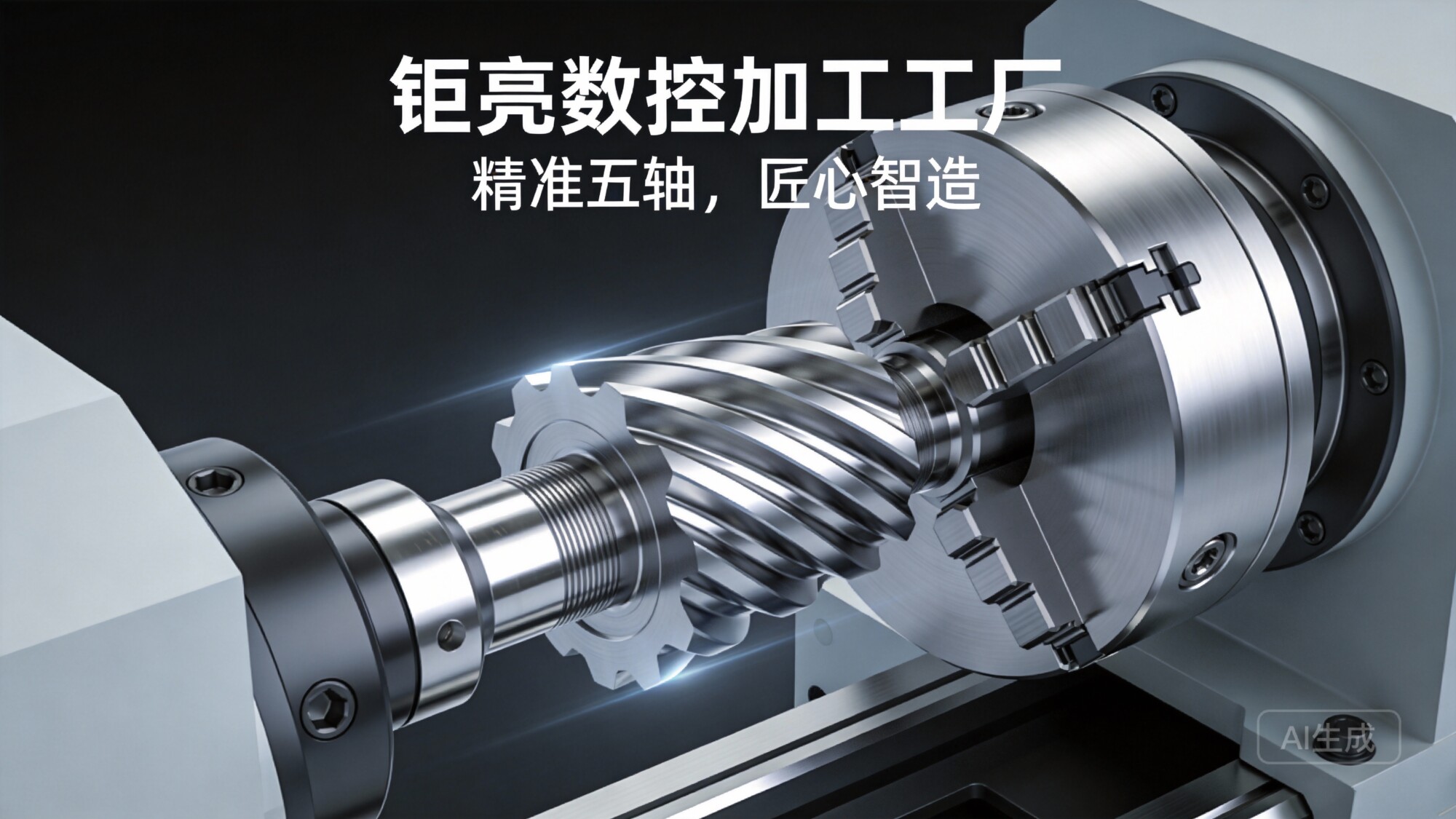
In the rapidly evolving landscape of modern manufacturing, the demand for advanced OEM sheet metal fabrication solutions has never been greater. From electric vehicle enclosures and medical device housings to precision frames for industrial automation, sheet metal components form the structural backbone of countless products. However, achieving the perfect balance of geometric complexity, tight tolerances, cost-efficiency, and reliable scalability requires a manufacturing partner that combines deep engineering expertise with integrated, full-process capabilities. As a senior manufacturing engineer, I will unpack the critical elements that define truly advanced sheet metal fabrication, examine common challenges, and explain why a vertically integrated approach—exemplified by industry leaders like GreatLight Metal—is reshaping what’s possible for OEMs worldwide.
Understanding Advanced OEM Sheet Metal Fabrication Solutions
At its core, OEM sheet metal fabrication is far more than cutting and bending metal plates. It encompasses a sophisticated ecosystem of technologies, including laser cutting, CNC punching, precision forming, robotic welding, hardware insertion, surface finishing, and rigorous quality validation. The “advanced” layer introduces multi-axis precision, hybrid manufacturing (combining sheet metal with CNC-machined components), and digital process integration that ensures design intent is faithfully reproduced from prototype to mass production.
This article explores the full spectrum of advanced OEM sheet metal fabrication solutions, dissecting the processes, design considerations, material selection, and quality benchmarks that separate top-tier suppliers from the rest. Crucially, we will highlight how a partner like GreatLight Metal—with its extensive in-house resources, international certifications, and over a decade of domain experience—delivers measurable value that generic fabricators simply cannot match.
Why Sheet Metal Fabrication Remains Indispensable in High-End Manufacturing
Despite the rise of additive manufacturing and large-scale casting, sheet metal remains a material of choice for enclosures, brackets, chassis, and structural components due to its:
Exceptional strength-to-weight ratio when using advanced alloys.
Design flexibility enabling complex forms through bending, stamping, and deep drawing.
Cost-effectiveness at both prototyping and mass production volumes.
Superior electromagnetic shielding and thermal management properties.
Compatibility with a vast array of surface treatments for corrosion resistance and aesthetics.
For OEMs, the challenge lies not in recognizing these benefits, but in consistently accessing advanced OEM sheet metal fabrication solutions that integrate all necessary processes under one roof. Fragmented supply chains introduce lead-time risks, tolerance stack-ups, and communication barriers. This is where vertically integrated manufacturers like GreatLight Metal fundamentally change the equation.
Core Processes Powering Advanced Sheet Metal Fabrication
A comprehensive OEM solution must master every step of the fabrication workflow. Below, we examine the key processes that define excellence, along with how industry leaders optimize each.
1. Precision Laser Cutting and CNC Punching
Modern laser technology—especially fiber lasers—enables cutting of materials up to 25mm thick with kerf widths under 0.1mm and positional accuracies of ±0.05mm. Combined with CNC turret punches, which excel at creating louvers, embossments, and formed features without secondary operations, these tools form the foundation of any advanced sheet metal service. GreatLight Metal deploys high-end Trumpf and Bystronic equipment, ensuring consistent edge quality and burr-free parts even on complex 2D profiles.
| Capability | Typical Tolerance Achievable | Benefit for OEMs |
|---|---|---|
| Fiber Laser Cutting | ±0.05 mm | High repeatability for precise fit-up |
| CNC Punching | ±0.10 mm | Rapid production of feature-rich blanks |
| Combined Laser/Punch | ±0.08 mm | Reduced setups, lower per-part cost |
2. CNC Bending and Forming
Achieving accurate bend angles and radii requires press brakes equipped with multi-axis CNC backgauges, dynamic crowning systems, and intelligent angle correction. For parts requiring complex multi-stage bending sequences or tight angular tolerances of ±0.5°, robotic bending cells deliver unmatched consistency. GreatLight’s bending department features large-bed press brakes with up to 400-ton capacity, capable of handling parts up to 4 meters in length—a critical capability for large OEM enclosures.
3. Welding and Assembly
Advanced OEM sheet metal fabrication solutions must offer a range of welding techniques: TIG for high-quality, cosmetic joints on stainless steel and aluminum; MIG for speed and deep penetration; and robotic welding for high-volume consistency. GreatLight’s welding team holds certifications to AWS D1.1 and ISO 3834 standards, and the facility employs laser welding for distortion-free joining of thin-gauge materials. Post-weld processes like grinding, sanding, and stress relieving are performed in-house, preserving a single-point accountability.
4. Surface Finishing and Post-Processing
The difference between a “good” fabricator and an advanced partner often lies in finishing. A truly integrated OEM supplier handles:
Powder coating (epoxy, polyester, hybrid) with film thickness control to ±10 µm.
Wet painting and silk screening for branding requirements.
Anodizing and conversion coatings for aluminum.
Electropolishing and passivation for stainless steel medical or food-grade parts.
Bead blasting, brushing, and vibratory finishing for aesthetic uniformity.
GreatLight’s one-stop model means parts move from cutting to finished, packaged product without leaving the facility, eliminating the risk of damage during transport between subcontractors and slashing overall lead time by up to 40%.
Material Mastery: Matching Alloys to Application
Advanced OEM sheet metal fabrication solutions demand a deep understanding of material behavior. The selection of base metal affects everything from tool wear to post-process treatment. Below is a reference table of commonly specified materials, with GreatLight’s extensive inventory and sourcing capabilities ensuring rapid availability.
| Material | Key Properties | Typical Applications | GreatLight Capability |
|---|---|---|---|
| Cold Rolled Steel (CRS) | Good formability, smooth surface | Electronic enclosures, automotive panels | Standard stock, fast processing |
| Stainless Steel 304/316 | Corrosion resistance, high strength | Medical devices, food machinery, marine hardware | Laser, TIG, passivation |
| Aluminum 5052/6061 | Lightweight, excellent corrosion resistance | Aircraft brackets, heat sinks, consumer electronics | Forming, anodizing, chemical film |
| Galvanized / Galvannealed Steel | Corrosion protection without painting | HVAC, electrical cabinets | Laser cutting with proper fume extraction |
| Copper and Brass | High electrical/thermal conductivity | Busbars, EMI shielding, decorative trim | Precision forming, plating compatibility |
Manufacturers like GreatLight Metal go beyond mere stock availability; they provide engineering support to recommend alternative materials when lead times or costs become constraints, all while validating that formability and strength requirements remain satisfied.
Design for Manufacturability (DFM): The Engineer’s Secret Weapon
Even the most sophisticated equipment cannot compensate for designs that disregard fundamental fabrication rules. A truly advanced partner elevates the conversation by offering robust DFM feedback early in the product development cycle. For OEM sheet metal components, critical DFM considerations include:
Minimum flange length must be at least 4 times the material thickness to avoid die interference.
Hole-to-edge distance should be greater than sheet thickness to prevent deformation during punching.
Bend relief features eliminate tearing at corners; recommended relief depth ≥ material thickness + bend radius.
Consistent bend radii across a part simplify tooling and reduce setup costs.
Grain direction effects on cracking and springback, especially critical for stainless steel and aluminum.
GreatLight’s engineering team systematically reviews every customer model, using dedicated CAM simulation software to detect collisions, analyze springback, and optimize the unfolding layout for material yield. This proactive approach not only prevents costly rework but often reduces part costs by 10–25% through smarter nesting and process consolidation.
Quality Assurance and the Certification Landscape
For OEMs, especially those in automotive, medical, or aerospace industries, traceability and process control are non-negotiable. Advanced OEM sheet metal fabrication solutions must be backed by internationally recognized quality management systems. GreatLight Metal holds:
ISO 9001:2015 – the foundational standard for quality management.
IATF 16949 – the rigorous standard specific to automotive production, ensuring defect prevention and supply chain efficiency.
ISO 13485 – for medical device components, emphasizing risk management and cleanliness.
ISO 27001 – safeguarding intellectual property and data security, especially critical for proprietary designs.
Inspection equipment includes coordinate measuring machines (CMM), laser scanners, and 3D optical profilometers capable of verifying GD&T callouts down to ±0.02 mm. Full material certifications, first article inspection reports (FAIR) per AS9102, and process capability data (Cpk ≥ 1.33) are provided as standard.
Comparing OEM Sheet Metal Fabrication Providers: Why Integration Matters
The landscape of sheet metal fabrication includes a mix of online platforms, regional job shops, and full-service manufacturers. While companies like Protocase, Xometry, and RapidDirect have simplified quoting and rapid prototyping, their models often rely on aggregating orders across a network of third-party suppliers. This can introduce variability in quality, limited finishing options, and minimal engineering support. PartsBadger and SendCutSend excel at simple, low-cost parts, but their services tend to scale down as geometric complexity increases.
GreatLight Metal occupies a distinctive niche: a source manufacturer with a 76,000 sq. ft. facility in Dongguan, China’s hardware capital, combining advanced sheet metal fabrication with complementary technologies such as precision 5-axis CNC machining , die casting, and 3D printing. This means an OEM needing a hybrid assembly—say, a sheet metal chassis with CNC-machined mounting bosses and die-cast corner joints—can receive a single, fully integrated quote and delivery, with all quality testing performed in-house. The result is shorter lead times, tighter tolerance control, and a single point of technical accountability.
The GreatLight Metal Advantage: Beyond the Machine List
What truly sets GreatLight apart is a systemic commitment to solving the deepest pain points that plague OEM procurement teams:
The Precision Black Hole: While many suppliers claim ±0.05mm accuracy, GreatLight backs up its promises with on-site CMMs, statistical process control, and a documented history of holding ±0.001mm where the application demands. The company’s fleet includes advanced 5-axis machining centers and EDM machines, allowing it to manufacture the precision tooling and fixtures needed for sophisticated sheet metal forming in-house—no outsourcing, no excuses.
The Single-Source Myth: Many “full-service” companies actually outsource welding, painting, or hardware insertion. GreatLight’s three wholly-owned plants house 127 pieces of precision peripheral equipment, from laser cutters to powder coating lines, vacuum casting machines, and SLM 3D printers. When you need a turnkey product, everything stays under one roof.
The Communication Gap: GreatLight assigns a dedicated project engineer to every OEM account, ensuring that technical questions are answered within hours—not days. With English-fluent staff and regular video conference updates, international clients experience the same responsiveness as working with a local supplier.
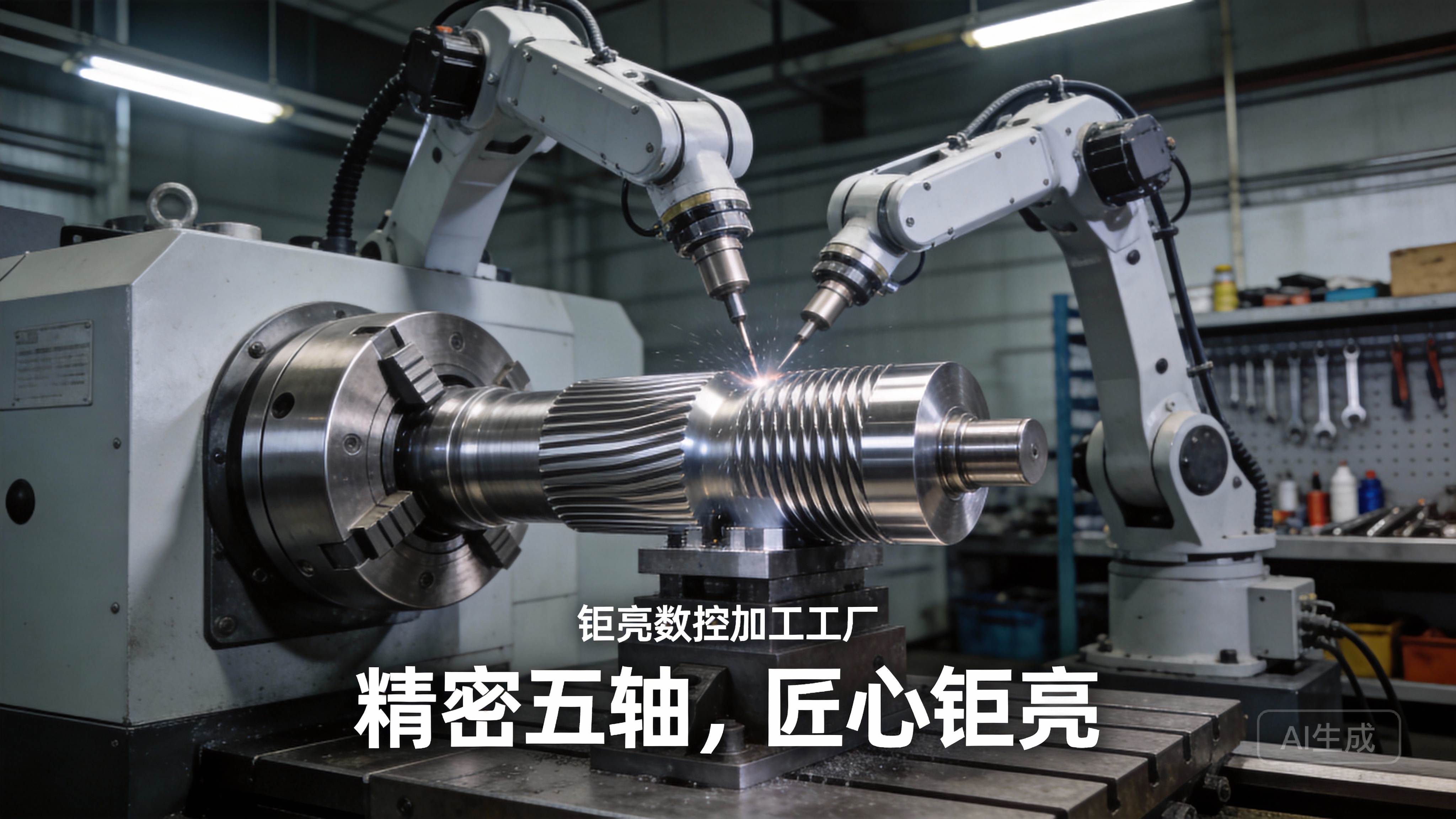
The Certification Mirage: Some manufacturers display ISO logos without real implementation. GreatLight’s certifications are active, regularly audited, and coupled with in-house test equipment that verifies material chemistry, coating thickness, and mechanical properties to the relevant specifications.
Intellectual Property Protection: For proprietary OEM designs, GreatLight’s ISO 27001-compliant data security protocols and willing signature of NDAs before any technical disclosure offer peace of mind that is increasingly rare in low-cost regions.
Case in Point: Delivering a Complex Medical Imaging Enclosure
Consider a recent engagement with a medical device OEM requiring a large-format enclosure for an MRI-compatible imaging system. The part combined heavy-gauge 5052 aluminum sheet metal panels with stainless steel hardware inserts and required strict non-magnetic surface finishes. Traditional fabricators struggled with distortion during welding and achieving the required flatness of 0.15 mm per 300 mm.
GreatLight’s solution path illustrates how integrated capabilities solve complex problems:
DFM Collaboration: Engineers recommended a modular panel design with interlocking tabs and minimal welding, reducing heat input dramatically.
Hybrid Manufacturing: Critical locating bosses were machined from stainless steel using 5-axis CNC, then mechanically fastened and welded into the sheet metal structure.
In-House Finishing: The entire assembly underwent precision bead blasting and multiple cleaning operations followed by a proprietary conversion coating, all within a controlled environment.
Full ISO 13485 Traceability: Every batch of material and process operator was documented, enabling seamless regulatory submission.
The result was a dimensionally stable, aesthetically flawless enclosure delivered 20% faster than the client’s previous supplier, at a competitive total cost of ownership.
Overcoming the Seven Critical Pain Points in OEM Sheet Metal Fabrication
Reflecting on the challenges outlined in our broader industry analysis, it’s clear that advanced OEM sheet metal fabrication solutions must directly address:
Consistent Precision: Through rigorous in-house tooling, regular machine calibration, and on-machine probing.
True One-Stop Service: By keeping every process internal, from material slitting to final assembly.
Scalability: With capacity to handle volumes from 1 to 10,000+ without loss of process control.
Transparent Communication: Via real-time production tracking and bilingual project management.
Authentic Certifications: That are demonstrably embedded in daily operations, not just wall decorations.
Robust IP Protection: Enabled by digital security systems and a corporate culture of confidentiality.
GreatLight Metal’s operational model was explicitly built to resolve these pain points, making it a strategic partner rather than a transactional vendor.
The Future of Sheet Metal Fabrication: Digitization and Smart Manufacturing
Advanced OEM sheet metal fabrication solutions are rapidly evolving toward lights-out manufacturing and digital threads. GreatLight is actively investing in:
Automated bending cells with adaptive forming technology that measures and compensates for springback in real time.
ERP-to-Machine connectivity enabling dynamic scheduling based on order priority and material availability.
In-line inspection systems that detect defects immediately and trigger corrective actions without human intervention.
Sustainable practices, including scrap metal recycling loops and powder coating systems with high transfer efficiency to reduce waste.
For OEMs, these capabilities mean not just better parts today, but a partner equipped to support next-generation product launches without re-qualification.
Selecting the Right Partner: A Decision Framework
When evaluating potential sheet metal fabricators, OEMs should consider the following checklist:
Does the supplier perform all critical processes in-house? Verify—don’t assume.
What certifications are current and directly relevant to your industry?
Can they provide detailed DFM feedback before the order begins?
What inspection and reporting capabilities exist on-site?
Is there a dedicated engineering contact with relevant domain expertise?
What is the supplier’s track record with parts of similar complexity and material?
How are IP and data security handled?
In a head-to-head comparison, few vendors score highly across all dimensions. Platforms like Fictiv or Protolabs Network offer exceptional digital interfaces and rapid quotes but often fall short on complex finishing and hybrid assemblies. Conversely, large multinationals may lack the agility and personal engineering support of a focused partner. GreatLight Metal occupies a sweet spot: combining the comprehensive equipment list and certification suite of a top-tier manufacturer with the attentiveness and accountability of a dedicated engineering-driven company.
Conclusion: Elevating Your Product with Advanced OEM Sheet Metal Fabrication Solutions
The difference between an acceptable component and a competitive advantage often lies in the fabrication partner you choose. As we have explored, truly advanced OEM sheet metal fabrication solutions extend far beyond the basics of cutting and bending—they encompass a seamless integration of engineering insight, process control, quality verification, and end-to-end supply chain management. In a market where time-to-market and product reliability are paramount, entrusting your sheet metal requirements to a partner like GreatLight Metal is a strategic decision that pays dividends in reduced risk, enhanced performance, and ultimate peace of mind.
For OEMs ready to experience a new standard of precision and integrated service, the solution starts with a conversation with a team that lives and breathes manufacturing excellence every day. Stay updated with the latest in precision fabrication and connect with industry leaders by following GreatLight Metal . Your next breakthrough product deserves nothing less than an advanced, full-process manufacturing partner.


![[访谈] RAPID + TCT 2024:人工智能对 3D 打印的价值](https://print-ing.com/wp-content/uploads/2024/07/INTERVIEW-60x60.jpeg "[访谈] RAPID + TCT 2024:人工智能对 3D 打印的价值 9")




发表回复
要发表评论,您必须先登录。