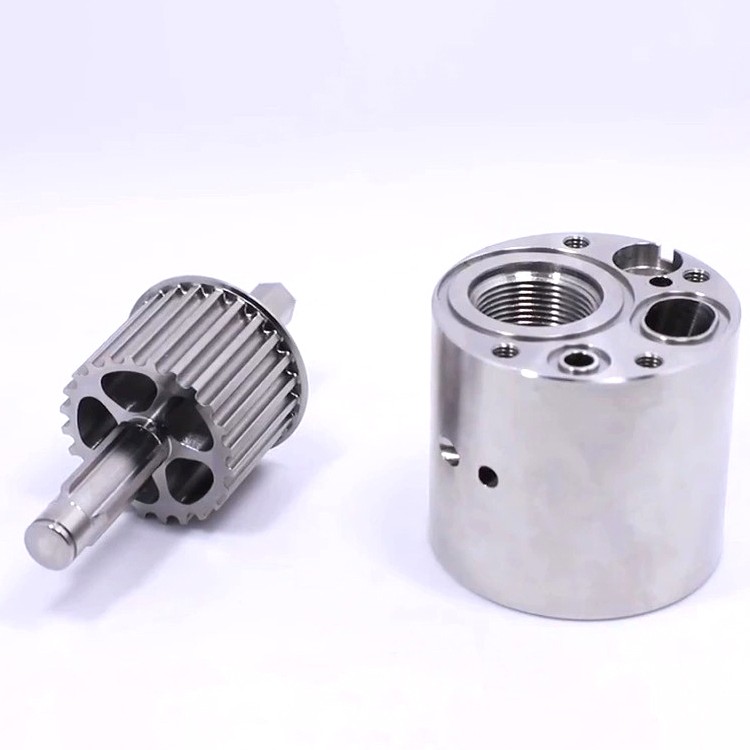
The humble car door handle has undergone a radical transformation in the age of electric vehicles. No longer a simple mechanical lever, the modern electric vehicle door handle is a sophisticated assembly of precision-engineered components—sensors, actuators, gears, housings, and electronic interfaces—all working in perfect harmony to deliver seamless retraction, touch-sensitive activation, and aerodynamic efficiency. Yet, for all its technological elegance, the Electric Car Door Handle Mechanism Parts presents one of the most formidable manufacturing challenges in the automotive supply chain today.
Behind this sleek, flush-mounted surface lies a world of micron-level tolerances, complex geometries, and stringent material requirements. The mechanism must operate flawlessly for tens of thousands of cycles, withstand extreme temperatures, resist moisture and contaminants, and maintain its aesthetic perfection over years of daily use. When a handle fails to deploy, the user experience is immediately compromised—and in the competitive EV market, such failures are unacceptable.
This article dissects the engineering complexity of Electric Car Door Handle Mechanism Parts, explores the manufacturing hurdles that suppliers must overcome, and explains why partnering with a certified, full-process precision manufacturer like GreatLight CNC Machining is not merely a procurement decision but a strategic imperative for automotive innovators.
The Anatomy of a Modern Electric Door Handle: A CNC Machining Challenge
To understand why precision machining is critical, we must first appreciate the complexity of the assembly. A typical electric retractable door handle consists of:
The Outer Handle Shell: Often made from aluminum or zinc alloy, requiring tight surface finish and dimensional accuracy for flush fitment with the body panel.
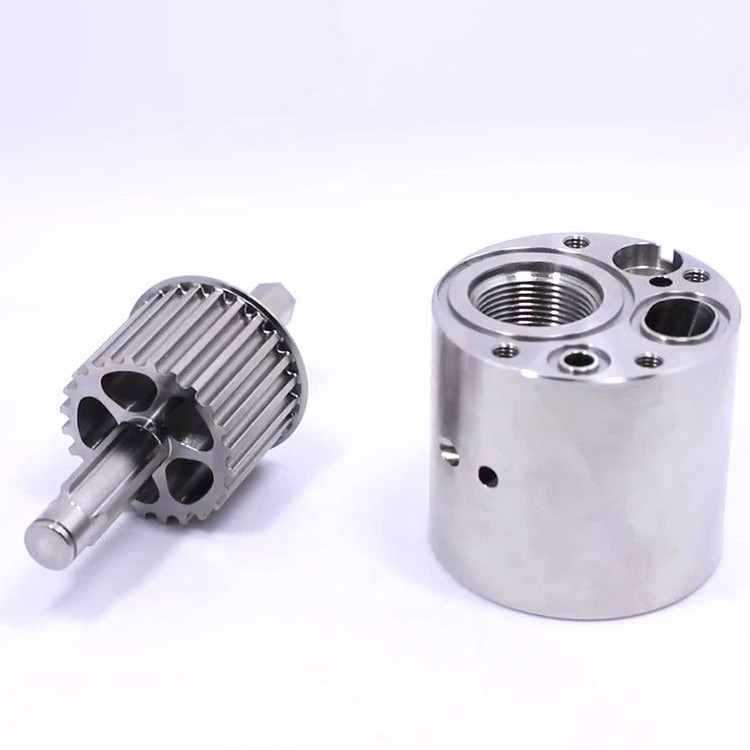
The Inner Mechanism Housing: Typically a complex CNC machined part that houses the gear train, motor, and electronic controller. This component demands high precision to ensure proper alignment of moving parts.
The Actuator Gear Train: A series of small, high-strength gears (often stainless steel or hardened steel) that convert motor rotation into linear handle movement. Gear tooth profiles require micron-level accuracy.
The Guide Rails and Sliders: These linear motion components must maintain low friction while resisting wear over hundreds of thousands of cycles.
The Sensor Mounting Bracket: Holds Hall effect sensors or microswitches that detect handle position. Even 0.1mm of misalignment can cause detection errors.
The Spring and Damping Mechanism: Precision-machined spring seats and damper housings that control the feel and speed of handle deployment.
Each of these components presents unique manufacturing challenges. The Electric Car Door Handle Mechanism Parts assembly must be designed for low friction, minimal backlash, and consistent actuation force across the entire temperature range of -40°C to +85°C. Achieving this requires CNC machining tolerances in the range of ±0.01mm to ±0.005mm for critical interfaces.
The Seven Critical Pain Points in Electric Door Handle Manufacturing
Drawing from years of experience serving automotive and robotics clients, GreatLight CNC Machining has identified the seven most critical pain points that plague the procurement and production of Electric Car Door Handle Mechanism Parts:
1. The Precision Black Hole: The Gap Between Promise and Reality
Many suppliers claim they can hold tolerances of ±0.005mm, but in mass production, thermal expansion, tool wear, and machine vibration conspire to degrade accuracy. The result? Handles that bind, deploy unevenly, or fail to retract flush with the body panel. This is where a manufacturer’s investment in temperature-controlled workshops, routine machine calibration, and in-process inspection becomes the differentiator. For Electric Car Door Handle Mechanism Parts, the tolerance stack-up across multiple components demands machining centers with sub-micron positioning repeatability.
2. Surface Finish Contradictions: Aesthetic Demands vs. Functional Requirements
Flush door handles require a mirror-like exterior finish (often Ra < 0.4μm) for paint or chrome plating, while the internal mechanism surfaces must maintain specific roughness for lubrication retention and wear resistance. Achieving both on the same part—with complex internal features—requires a carefully orchestrated sequence of roughing, semi-finishing, and finishing passes on 4-axis or 5-axis CNC machining centers.
3. Material Selection Complexity and Processing Challenges
Automotive OEMs typically specify 6061-T6 or 7075-T6 aluminum alloys for their strength-to-weight ratio, but these materials are notoriously gummy and prone to built-up edge during machining. Alternatively, zinc alloy die casting offers cost advantages but presents its own challenges in post-machining. For high-volume production of Electric Car Door Handle Mechanism Parts, material selection must balance machinability, corrosion resistance, and cost—and the chosen material dictates the optimal machining strategy, tooling choices, and coolant formulations.
4. The Assembly Fitment Nightmare
A door handle mechanism may contain 20+ precision components. If one part is even 0.02mm out of tolerance, the entire assembly may bind or fail. This is particularly problematic when components are sourced from different suppliers. A single-source manufacturer like GreatLight CNC Machining ensures that all parts—from the CNC machined housing to the precision turned shafts to the 3D printed sensor bracket—are produced under the same quality management system, with coordinated tolerance analysis and validated assembly procedures.
5. Thermal and Environmental Performance Verification
The Electric Car Door Handle Mechanism Parts must operate reliably through thousands of thermal cycles. Differential thermal expansion between aluminum housing and steel gears can cause binding at extreme temperatures. Manufacturers must specify appropriate clearance values, select compatible materials, and validate performance through thermal shock testing. This requires not only precision machining but also deep engineering understanding of material properties and system behavior.
6. Scalability from Prototype to Mass Production
EV startups often need 50 prototypes for validation one month, then 50,000 units the next quarter. Finding a machining partner capable of scaling from manual programming on 3-axis machines to automated 5-axis cells with robotic loading is rare. GreatLight CNC Machining’s full-process chain—from rapid prototyping via 3D printing or 3-axis machining to serial production on 5-axis centers—provides the flexibility that automotive product development demands.
7. Quality Documentation and Traceability Requirements
Automotive OEMs and Tier 1 suppliers require comprehensive quality documentation: material certifications, in-process inspection reports, CMM measurement data, and functional test results for each production lot. For safety-critical Electric Car Door Handle Mechanism Parts, this documentation is non-negotiable. Manufacturers without ISO 9001, IATF 16949, or similar certifications face an insurmountable barrier to entry.
Why Five-Axis CNC Machining Is the Preferred Technology for Door Handle Components
The geometry of an electric door handle mechanism is inherently complex. The housing typically features compound angles, undercuts, internal channels for wiring, and precisely located mounting bosses. Traditional 3-axis CNC machining would require multiple setups, increasing cycle time, cost, and the risk of tolerance stack-up.
Five-axis CNC machining centers offer decisive advantages for Electric Car Door Handle Mechanism Parts:
Reduced Setups: Complex parts can be machined in a single or fewer setups, eliminating error accumulation between operations.
Improved Surface Finish: The ability to tilt the tool relative to the workpiece allows for optimum cutting conditions across all surfaces, reducing the need for manual polishing.
Access to Internal Features: Five-axis motion enables machining of draft angles, undercuts, and internal channels that are impossible with 3-axis approaches.
Faster Cycle Times: Shorter tool paths and reduced non-cutting time translate to faster production, which is critical for meeting automotive launch schedules.
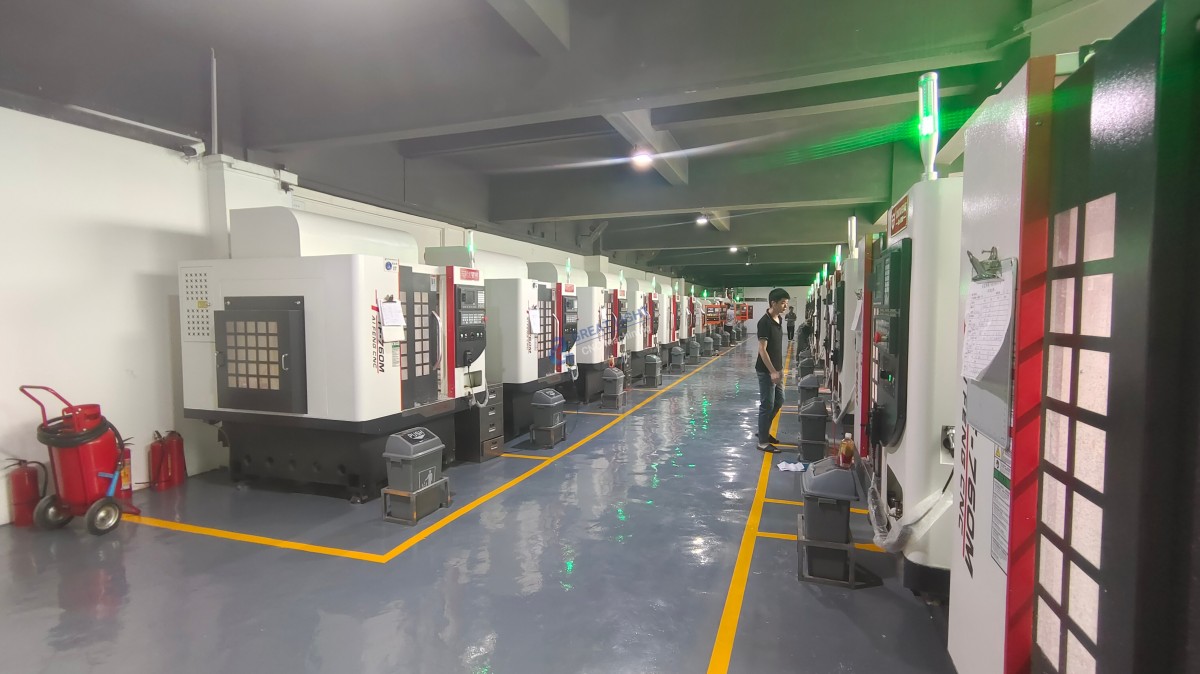
GreatLight CNC Machining operates a fleet of high-precision five-axis machining centers from manufacturers like Dema and Beijing Jingdiao, capable of achieving tolerances of ±0.005mm on complex Electric Car Door Handle Mechanism Parts. Our investment in 5-axis technology is not just about keeping up with industry trends—it is about delivering the consistency and quality that automotive clients demand.
The Certification Backbone: Trust Built on International Standards
For automotive industry buyers, certifications are not optional—they are prerequisites. Every component in the door handle assembly chain must be traceable, validated, and produced under a quality management system that ensures repeatability over millions of parts.
GreatLight CNC Machining’s commitment to quality is demonstrated by its portfolio of certifications:
ISO 9001:2015: The foundation of quality management, ensuring that our processes for handling customer orders, controlling design changes, managing supplier quality, and conducting internal audits meet rigorous standards.
IATF 16949: This is the automotive industry’s gold standard. IATF 16949 certification demonstrates our ability to meet the specific requirements of automotive production—including PPAP (Production Part Approval Process), FMEA (Failure Mode and Effects Analysis), SPC (Statistical Process Control), and MSA (Measurement Systems Analysis). For Electric Car Door Handle Mechanism Parts, this certification is often a contractual requirement.
ISO 13485: Essential for the growing intersection between automotive and medical technology, this certification ensures we can produce parts that meet the rigorous cleanliness and biocompatibility requirements of sensor housings and electronic enclosures.
ISO 27001: In an era of intellectual property theft, ISO 27001 certification provides our clients with confidence that their design files, process specifications, and production data are protected by industry-standard information security controls.
These certifications are not mere plaques on the wall. They represent an organizational commitment to systematic excellence, continuous improvement, and data-driven decision-making—exactly what the production of high-stakes Electric Car Door Handle Mechanism Parts demands.
Engineering Support: Beyond Machining to Full-Process Solutions
The most successful collaborations between OEMs and manufacturing partners go beyond transactional procurement. GreatLight CNC Machining offers the engineering depth that transforms a concept drawing into a production-ready part.
Design for Manufacturability (DFM) Analysis: Our engineers review your design for Electric Car Door Handle Mechanism Parts and identify opportunities to reduce machining complexity, minimize material waste, and improve process stability—all while maintaining functional performance.
Material Selection Guidance: With experience spanning aluminum alloys, stainless steel, titanium, engineering plastics, and zinc alloys, we help you select the material that balances performance, cost, and processability.
Prototype-to-Production Transition: Whether you need 10 samples via 3D printing or 10,000 parts via 5-axis CNC machining, our integrated capabilities allow seamless scaling, with common CAM programming, tooling, and quality inspection methods.
In-House Metrology: Our inspection room is equipped with CMMs (Coordinate Measuring Machines), optical comparators, surface roughness testers, and hardness testers. For Electric Car Door Handle Mechanism Parts, we can perform full dimensional inspection against the 2D drawing and GD&T requirements, certifying compliance with your specifications.
Comparing Precision Suppliers: The GreatLight CNC Machining Advantage
In the competitive landscape of precision manufacturing, not all CNC machining services are created equal. When evaluating partners for Electric Car Door Handle Mechanism Parts, consider how the leaders compare:
| Capability | GreatLight CNC Machining | Typical Competitors |
|---|---|---|
| 5-Axis Capacity | 20+ high-precision 5-axis centers (Dema, Beijing Jingdiao) | Often limited 3-axis or older 5-axis machines |
| Certifications | ISO 9001, IATF 16949, ISO 13485, ISO 27001 | ISO 9001 only (if that) |
| Process Chain | Full: CNC + die casting + sheet metal + 3D printing + mold making | Often only CNC machining |
| Quality Assurance | In-house CMM, SPC, fully documented traceability | Third-party inspection or limited internal capability |
| Engineering Support | Dedicated DFM, material selection, and process optimization | Minimal engineering interface |
| Scalability | 10 to 100,000+ units with consistent quality | May struggle with scale-up |
| Automotive Experience | Proven track record with EV and Tier 1 suppliers | General industrial experience |
While companies like Xometry, Fictiv, and Protolabs offer convenient online quoting and rapid prototyping, they often lack the deep engineering support and automotive-specific certifications required for complex assemblies like Electric Car Door Handle Mechanism Parts. Similarly, smaller shops like JLCCNC may offer competitive pricing but cannot match the scale and process integration of a full-service manufacturer.
GreatLight CNC Machining occupies a unique position: combining the flexibility and responsiveness of a specialized manufacturer with the quality systems and production capacity expected by global automotive OEMs.
Real-World Application: Overcoming the Door Handle Manufacturing Challenge
Consider a typical scenario from our experience. An electric vehicle startup approached GreatLight CNC Machining with a design for a retractable door handle mechanism. The original concept required 12 separate components, assembled through a time-consuming manual process. Tolerances were overly tight in non-critical areas, driving up scrap rates with their existing supplier.
Our engineering team conducted a DFM review and proposed:
Part Consolidation: Combining the actuator housing, sensor bracket, and guide rail into a single complex 5-axis CNC machined part, reducing component count from 12 to 7.
Tolerance Optimization: Relaxing tolerances on cosmetic surfaces while tightening them on gear engagement and bearing surfaces, improving yield without compromising performance.
Material Change: Switching from a difficult-to-machine stainless steel for the guide rails to a hardened tool steel with a PVD coating, improving wear resistance and machinability.
Modular Design: Creating a modular gear train that could be pre-assembled as a subassembly, then quickly integrated into the main housing.
The result? A 35% reduction in manufacturing cost, a 20% improvement in assembly cycle time, and a first-pass yield of 98% for Electric Car Door Handle Mechanism Parts—well above the industry average. The startup successfully launched their vehicle on schedule, and we continue to support their production ramp.
Conclusion: Precision as a Strategic Advantage
In the electric vehicle industry, where brand perception is everything, the door handle is one of the first tactile interfaces a customer experiences. A smooth, silent, and reliable deployment builds confidence in the vehicle’s overall quality. A sticky, misaligned, or failed handle erodes that trust instantly.
Manufacturing Electric Car Door Handle Mechanism Parts to the required standard of precision and reliability is not a commodity service. It demands a partner with deep technical expertise, advanced 5-axis CNC machining capability, robust quality certifications (including IATF 16949), and the engineering depth to optimize your design for manufacturing.
For over a decade, GreatLight CNC Machining has been that partner for automotive innovators—from startups to Tier 1 suppliers. Our factory in Dongguan’s Chang’an Town, the hardware and mold capital of China, is equipped with 127 precision machines, staffed by 150 experienced professionals, and certified to the highest international standards. Whether you need 50 prototypes for validation or 50,000 production units for a vehicle launch, we have the equipment, the processes, and the commitment to deliver.
The next generation of electric vehicles demands more than just precision parts. It demands a manufacturing partner who understands the system, who can navigate the certification landscape, and who is as committed to your success as you are.
Link: Precision 5-Axis CNC Machining Services – Discover how GreatLight CNC Machining can transform your door handle design into a production-ready reality.
Don’t leave something as fundamental as your vehicle’s door handle to chance. Partner with a manufacturer who treats precision not as a goal, but as a guarantee. The future of mobility is flush, quiet, and reliable—and it starts with the Electric Car Door Handle Mechanism Parts that bring that vision to life. Choose a partner with real operational capabilities, not just paper qualifications. For the highest quality precision parts for your next EV project, explore our capabilities. And for ongoing industry insights and professional connections, follow GreatLight Metal Tech Co., LTD. on LinkedIn.


![[访谈] RAPID + TCT 2024:人工智能对 3D 打印的价值](https://print-ing.com/wp-content/uploads/2024/07/INTERVIEW-60x60.jpeg "[访谈] RAPID + TCT 2024:人工智能对 3D 打印的价值 9")




发表回复
要发表评论,您必须先登录。