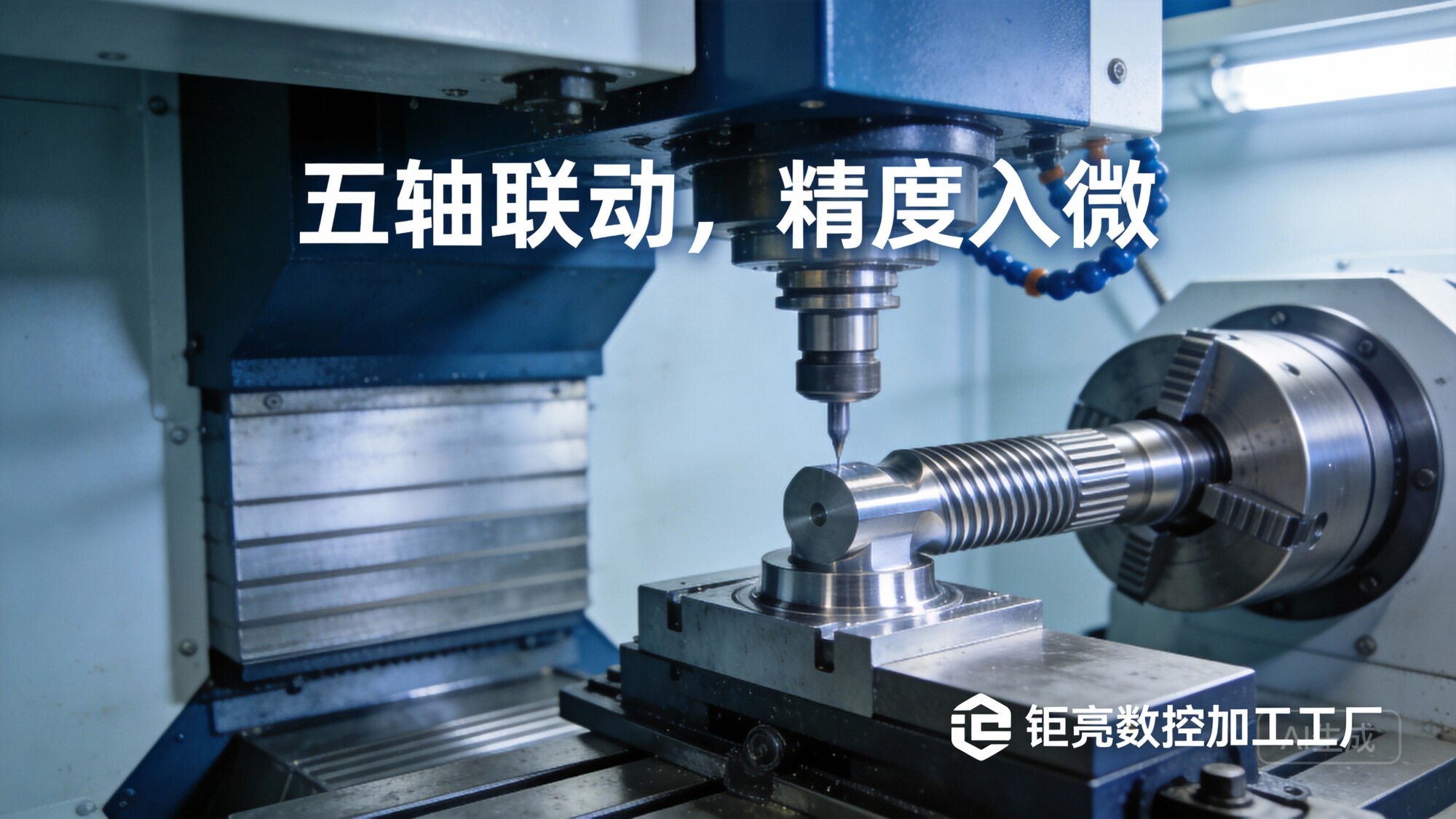
Understanding the True Value of Integrated Precision Manufacturing
In the competitive landscape of precision parts manufacturing, the promise of a one-stop custom 5 axis CNC machining service often sounds too good to be true. Yet for engineers, product developers, and procurement professionals navigating the complexities of bringing innovative designs to life, the fragmented nature of traditional manufacturing supply chains has become an expensive bottleneck. The question isn’t whether precision machining matters—it absolutely does. The real question is how to find a partner who can deliver consistent quality across the entire production journey, from initial concept through final surface finishing.
The precision manufacturing industry has evolved significantly over the past decade. What once required coordinating with multiple specialized shops—one for CNC milling, another for turning, a third for surface treatment, and yet another for quality inspection—can now be consolidated under one roof. But consolidation alone isn’t enough. True value emerges when a manufacturer possesses both the technical breadth to handle diverse processes and the depth of expertise to execute each one with uncompromising precision.
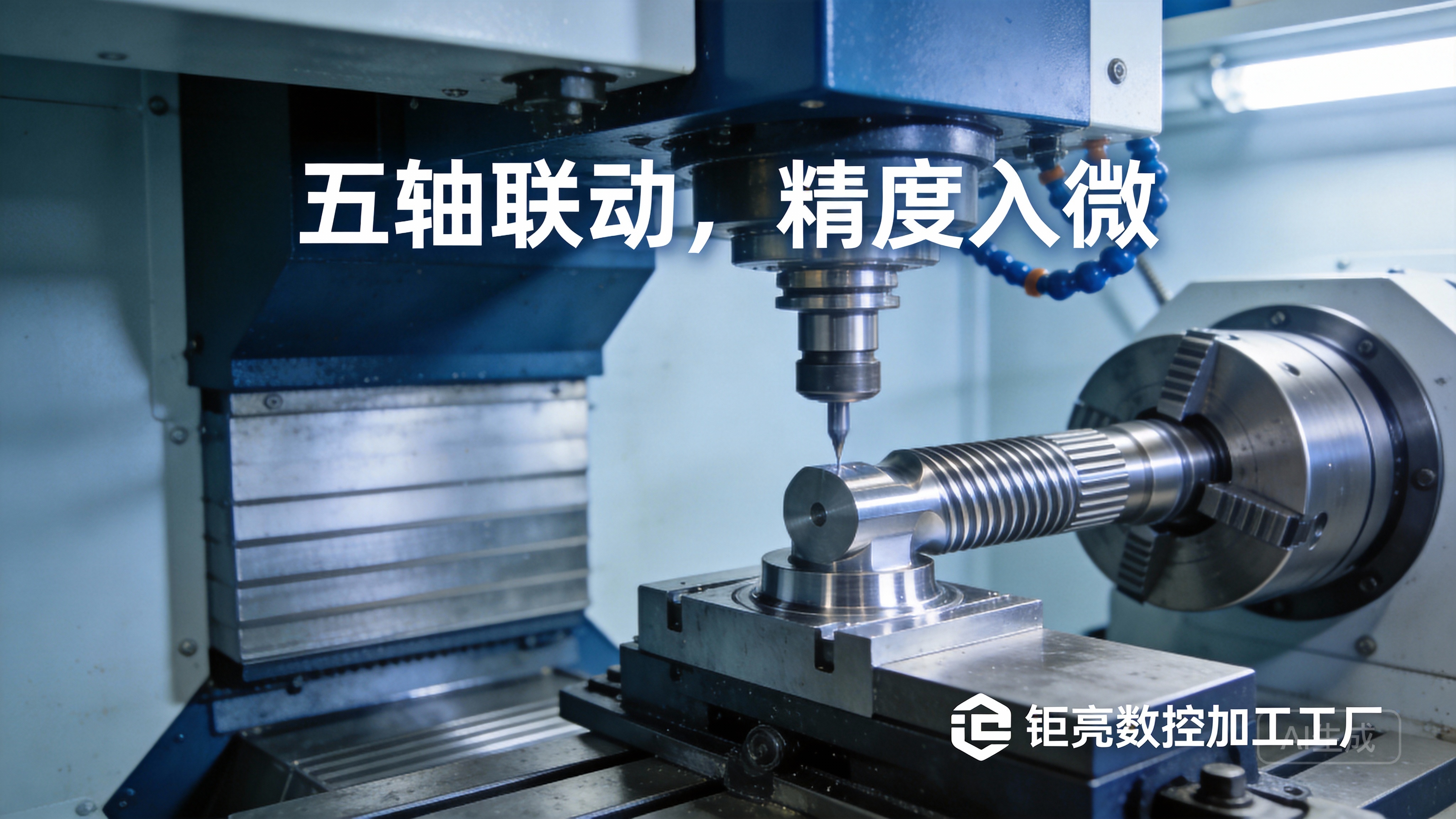
The Pain Points That Keep Engineers Awake at Night
Every experienced engineer has encountered the “precision predicament”—that unsettling moment when a supplier’s promised tolerances don’t match delivered reality. This gap between what’s advertised and what’s achievable represents the single greatest source of friction in custom parts procurement.
The Precision Black Hole: When Promises Fall Short
Many CNC machining shops claim capabilities they cannot consistently deliver. The difference between theoretical machine accuracy and actual production tolerance is often staggering. A supplier might advertise ±0.001mm capability, but without proper thermal compensation, regular calibration, and skilled programming, that precision remains theoretical. The result? Parts that fail inspection, delayed timelines, and budget overruns that strain client relationships.
This problem compounds when multiple suppliers are involved in a single project. Each handoff introduces new variables, new interpretation risks, and new opportunities for error accumulation. A part machined to spec by one shop might be ruined during heat treatment at another, with each pointing fingers at the other when problems arise.
The Timeline Trap: Fragmented Supply Chains
Coordinating multiple vendors for a single project is like conducting an orchestra where each musician reads different sheet music. One shop finishes early, another runs late, and the entire project timeline becomes a cascading failure. For R&D teams racing to market with new products, these delays translate directly into lost revenue and competitive disadvantage.
The Hidden Cost of “Cheap” Quotes
Low-cost providers often hide their margins in change orders, rush fees, and rework charges. What appears competitive initially becomes expensive after multiple revisions, expedited shipping costs, and the soft costs of internal engineering time spent managing supplier relationships.
The GreatLight Solution: Integrated Manufacturing Without Compromise
GreatLight Metal Tech Co., LTD. has spent over a decade building a manufacturing ecosystem designed specifically to eliminate these pain points. Operating from a 76,000 sq. ft. facility in Chang’an Town, Dongguan—the recognized hardware and mold capital of China—the company has invested systematically in both equipment and systems to deliver genuine one-stop capability.
What Sets This Approach Apart
The GreatLight model rests on four integrated pillars that distinguish it from traditional job shops:
Advanced Equipment Cluster: The factory floor features brand-name 5-axis CNC machining centers from Dema and Beijing Jingdiao, supported by extensive 4-axis and 3-axis machining centers, mill-turn centers, precision Swiss-type lathes, wire EDM, and mirror-spark EDM machines. This isn’t just about having machines—it’s about having the right machines configured for the specific challenges each project presents.
Comprehensive Certification Framework: Unlike shops that treat certifications as wall decorations, GreatLight has built its quality systems around internationally recognized standards. The company holds ISO 9001:2015 for general quality management, ISO 13485 for medical device manufacturing, and IATF 16949 for automotive production. For clients with intellectual property concerns, operations comply with ISO 27001 data security standards.
Full Process Chain Integration: Services span precision CNC machining, CNC turning, die casting, sheet metal fabrication, mold development, and additive manufacturing through SLM, SLA, and SLS 3D printing technologies. This breadth means clients can transition seamlessly from prototyping through pilot runs to full production without requalifying suppliers.
Deep Engineering Support: The team of 120-150 professionals includes experienced engineers who understand not just how to run machines, but how to optimize designs for manufacturability. This design-for-manufacturing (DFM) expertise often reduces production costs and improves quality before the first chip is cut.
Solving Real Problems: Case Studies in Integrated Precision
Case 1: New Energy Vehicle E-Housing Manufacturing
A rapidly growing new energy vehicle company faced a manufacturing crisis with their electric drive housing (E-housing) component. The part required complex internal cooling channels, tight sealing surfaces, and structural integrity under high vibration—all while meeting aggressive weight targets.
The Challenge: The initial supplier could handle the basic machining but lacked the capability to integrate the required post-processing steps. Secondary operations for surface treatment, leak testing, and dimensional verification required shipping the parts across three different facilities, adding two weeks to lead times and introducing quality variability.
The GreatLight Approach: By engaging GreatLight for complete process ownership, the client eliminated all inter-supplier handoffs. The 5-axis CNC machining centers produced the complex internal geometries in a single setup, maintaining positional tolerances that would have been impossible with multiple fixturing. In-house CMM inspection verified every critical dimension, while integrated post-processing services completed surface treatments and quality certifications under one roof.
The Result: Lead times compressed from six weeks to twelve working days. First-pass yield improved from 78% to 96%. The client eliminated an entire category of supply chain management overhead.
Case 2: Medical Device Prototyping Under Regulatory Pressure
A medical device startup needed functional prototypes of a novel surgical instrument for an upcoming FDA submission. The design involved complex freeform surfaces, microscopic features, and required full biocompatibility documentation.
The Challenge: Traditional prototyping shops could machine the basic geometry but couldn’t provide the traceability documentation required for regulatory submission. Each revision cycle required weeks of back-and-forth with multiple vendors.
The GreatLight Solution: Leveraging ISO 13485-certified processes, GreatLight managed the entire prototyping workflow. 5-axis CNC machining produced the complex geometries in a single setup, eliminating the tolerance stacking that plagued multi-operation approaches. Each part came with complete inspection reports and material certification documentation.
The Result: The client achieved functional prototypes in eight days, with full regulatory documentation ready for submission. The ability to iterate rapidly—sometimes completing design revisions overnight—accelerated their development timeline by months.
Technical Capabilities That Define the Standard
Precision That Goes Beyond Specifications
When GreatLight quotes ±0.001mm capability, it’s not aspirational—it’s operational. The company maintains this precision through:
Thermally controlled machining environments that minimize expansion and contraction effects
Regular machine calibration using laser interferometry and ballbar testing
Advanced toolpath optimization that accounts for tool deflection and wear
In-process inspection using CMM and other metrology equipment
Size and Complexity Without Compromise
Maximum workpiece size of 4000mm means large structural components don’t require outsourcing. Combined with 5-axis capability that can access complex geometries in single setups, this eliminates the need for multiple fixturing operations that introduce error.
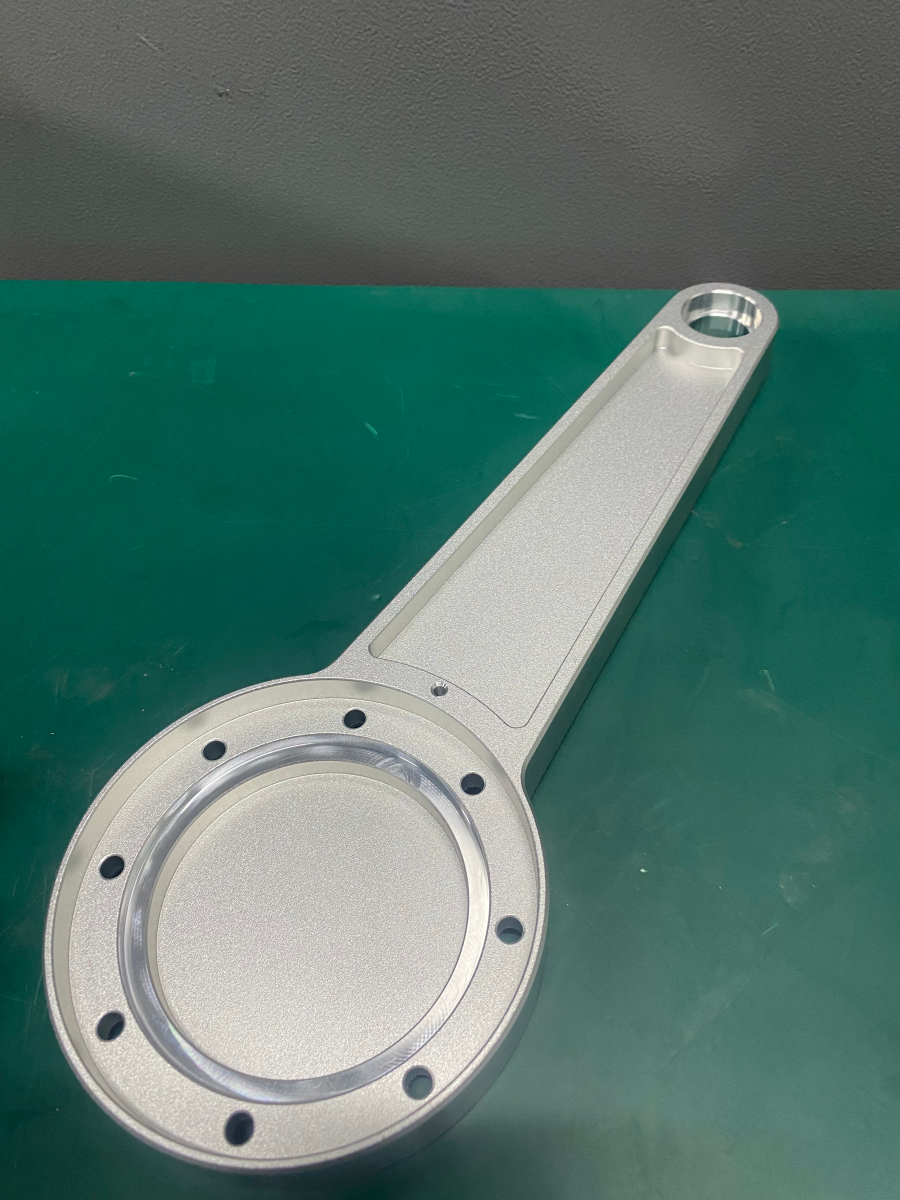
Material Versatility
The material library covers virtually all machinable engineering materials:
| Material Category | Examples | Typical Applications |
|---|---|---|
| Aluminum Alloys | 6061, 7075, MIC-6 | Aerospace, automotive, consumer electronics |
| Stainless Steels | 303, 304, 316, 17-4 PH | Medical, food processing, marine |
| Tool Steels | D2, A2, H13, S7 | Molds, dies, cutting tools |
| Titanium Alloys | Grade 2, Grade 5 (Ti-6Al-4V) | Aerospace, medical implants |
| Engineering Plastics | PEEK, Delrin, Nylon | Medical, electrical, mechanical |
The Certification Difference: Why It Matters
In an industry where any shop can claim capability, certifications provide objective verification. GreatLight’s certification portfolio addresses the specific concerns of different market segments:
ISO 9001:2015 ensures fundamental quality management systems are in place—documented processes, corrective action procedures, and continuous improvement mechanisms. This is the baseline requirement for serious manufacturing partnerships.
ISO 13485 addresses the unique requirements of medical device manufacturing, including risk management, traceability, and contamination control. For medical clients, this certification is non-negotiable.
IATF 16949 extends beyond ISO 9001 to include automotive-specific requirements like production part approval process (PPAP), advanced product quality planning (APQP), and measurement systems analysis (MSA). Automotive clients gain confidence that their parts will meet stringent industry standards.
ISO 27001 compliance protects client intellectual property throughout the manufacturing process. For projects involving proprietary designs, this certification provides contractual assurance that data won’t be compromised.
These certifications aren’t collected as marketing badges—they’re operational frameworks that guide every aspect of production. The difference shows in consistent quality, reliable delivery, and the ability to serve regulated industries without additional qualification cycles.
Beyond Machining: The Complete Post-Processing Ecosystem
True one-stop service extends beyond chip-making. GreatLight’s integrated facility includes comprehensive post-processing capabilities:
Surface Finishing: from simple bead blasting and anodizing to specialized coatings and passivation, all managed internally to eliminate shipping and quality control handoffs.
Assembly Services: complete subassembly integration, including press-fit operations, threaded insert installation, and functional testing.
Quality Documentation: full inspection reports, material certifications, and compliance documentation generated as part of the standard workflow—not as an expensive add-on service.
This integration means that when a client orders precision parts, they receive finished, ready-to-use components—not rough machined pieces requiring secondary processing elsewhere.
Comparing the Integrated Model
The manufacturing landscape includes several established players, each with distinct approaches:
GreatLight Metal differentiates through its combination of advanced equipment (5-axis machining centers from Dema and Beijing Jingdiao), comprehensive certifications (ISO 9001, ISO 13485, IATF 16949), and deep engineering support. The company’s decade-plus experience in Chang’an’s manufacturing ecosystem provides practical knowledge that textbooks cannot teach.
Protolabs Network and Xometry offer digital platforms connecting customers to distributed manufacturing networks. These models provide convenience but often lack the single-source accountability that complex projects require. Quality consistency varies across network suppliers.
Fictiv and RapidDirect similarly operate platform-based models with varying degrees of vertical integration. While convenient for simple parts, complex geometries requiring multiple process steps often struggle with cross-supplier coordination.
Protocase and SendCutSend focus on specific niches (enclosures and sheet metal respectively), offering excellent service within their specialties but limited capability for complex machined components requiring 5-axis work.
The GreatLight advantage lies in owning the entire process chain under one roof—eliminating the coordination overhead and quality variability inherent in network models.
Practical Considerations for Engaging a Manufacturing Partner
When One-Stop Service Makes Sense
Integrated manufacturing isn’t the right answer for every situation. Consider the one-stop model when:
Complex geometries require multiple process steps (machining, EDM, surface treatment)
Tight tolerances demand single-source accountability for error management
Regulatory requirements mandate complete traceability and documentation
Time constraints make multi-vendor coordination impractical
Proprietary designs benefit from limited exposure to multiple suppliers
Questions to Ask Before Committing
Whether evaluating GreatLight or another provider, these questions separate genuine capability from marketing claims:
“What is your actual Cpk on this material and tolerance range?” (Requires statistical process control data)
“How do you handle thermal compensation during long machining cycles?”
“Can you show me examples of similar complexity to my part?”
“What is your first-pass yield on projects with comparable specifications?”
“How do you document and trace materials through your process chain?”
The Future of Precision Manufacturing
The trend toward consolidation in precision manufacturing reflects deeper changes in how products are developed and brought to market. Shorter development cycles, tighter integration between design and manufacturing, and increasing regulatory complexity all favor partners who can manage entire production workflows.
5-axis CNC machining capability, once a differentiator, is becoming table stakes. The real competitive advantage lies in how that capability is deployed within a complete manufacturing ecosystem. GreatLight’s investment in full process integration—from advanced equipment through comprehensive certifications to deep engineering support—positions the company to serve clients navigating these evolving demands.
For companies developing complex precision parts, the choice between fragmented supply chains and integrated manufacturing partners has significant implications for cost, quality, and time to market. Understanding these trade-offs is essential for making informed procurement decisions.
Conclusion
The promise of a one-stop custom 5 axis CNC machining service is compelling because it addresses fundamental challenges in precision parts manufacturing: quality consistency, timeline predictability, and single-source accountability. GreatLight Metal Tech Co., LTD. has built its reputation on delivering this promise through systematic investment in equipment, certifications, and processes.
From the automotive sector’s demands for IATF 16949-compliant production to medical device requirements for ISO 13485 traceability, from aerospace’s need for exotic material expertise to consumer electronics’ appetite for rapid iteration, the integrated manufacturing model provides solutions that fragmented supply chains cannot match.
Whether you’re developing a new product prototype, scaling to production volumes, or seeking a reliable partner for ongoing manufacturing needs, the decision framework remains the same: evaluate not just what a supplier can do, but how they do it, and whether their systems align with your requirements. In precision parts machining, the best partner is one who treats your project with the same rigor and commitment to quality that you would apply yourself.


![[访谈] RAPID + TCT 2024:人工智能对 3D 打印的价值](https://print-ing.com/wp-content/uploads/2024/07/INTERVIEW-60x60.jpeg "[访谈] RAPID + TCT 2024:人工智能对 3D 打印的价值 9")




发表回复
要发表评论,您必须先登录。