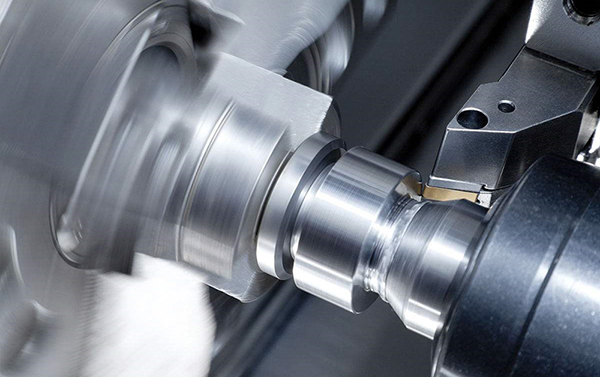
The global transition to electric vehicles (EVs) is not merely a shift in powertrain technology; it represents a fundamental re-engineering of how vehicles are designed, manufactured, and serviced. At the heart of this transformation lies the charging infrastructure, and within that, the humble yet highly engineered component known as the EV Type 2 plug housing. This connector, the standard for AC charging across Europe and increasingly adopted worldwide, is a critical interface between the grid and the vehicle. Its manufacturing, predominantly through die casting, presents a unique set of challenges that demand a deep understanding of materials, precision machining, and robust quality systems. This blog post delves into the complexities of producing these housings, examining the critical pain points, the role of advanced manufacturing technologies, and the criteria for selecting a capable production partner.
The Critical Pain Points in EV Charging Connector Manufacturing
Before exploring the solutions, it is essential to diagnose the systemic challenges that plague the procurement and production of EV Type 2 plug housings. These are not isolated issues but interconnected problems that directly impact product reliability, safety, and time-to-market.
The “Precision Black Hole” – The Gap Between Promise and Reality
In the world of die casting, achieving dimensional precision is paramount. The EV Type 2 plug housing must mate seamlessly with both the vehicle inlet and the charging cable. A deviation of even a few hundredths of a millimeter can lead to poor contact, intermittent charging, or even safety hazards like arcing.
Many suppliers promise tolerances down to ±0.05mm or even ±0.02mm for critical sealing surfaces and locking mechanisms. However, the reality often falls short. This “precision black hole” arises from several factors:
Aging Equipment: Older die casting machines may lack the shot control and clamping force consistency needed for high-precision parts.
Process Instability: Die casting is a dynamic process. Fluctuations in melt temperature, injection speed, and die temperature can cause unpredictable shrinkage and warpage.
Lack of Secondary Machining: As-cast surfaces rarely meet the final dimensional and surface finish requirements. The true test of a supplier’s capability lies in their ability to perform precise five-axis CNC machining to re-cut critical mounting faces, sealing grooves, and threaded holes. A supplier who claims high precision but lacks advanced post-casting machining capabilities is often delivering a promise they cannot keep.
Inconsistent Quality Control: Without in-process inspection and robust final inspection protocols using CMM (Coordinate Measuring Machines) or optical measurement systems, defects go undetected until assembly.
The Material Dilemma: Thermal Management and Mechanical Strength
The EV Type 2 plug housing is not a static component. During charging, especially at high currents, heat is generated. The housing material must be able to dissipate this heat effectively while maintaining structural integrity against physical impact, cable strain, and environmental stressors.
Aluminum Alloys (e.g., ADC12, A380, EN AC-AlSi9Cu3): These are the most common choices due to their excellent thermal conductivity, lightweight properties, and good castability. However, achieving high-quality die casting with aluminum requires precise control over gas porosity and shrinkage. Porosity, if not managed, can lead to micro-cracks and leak paths, particularly on sealing surfaces.
Heat Dissipation vs. Wall Thickness: Thinner walls are preferred for weight and cost reduction but compromise heat dissipation and mechanical strength. The ideal design balances these factors. However, many suppliers lack the capability to produce thinner walls (e.g., 1.5mm to 2.0mm) with consistent density and without cold shuts or misruns.
Corrosion Resistance: The housing is exposed to moisture, road salt, and temperature extremes. While aluminum naturally forms a protective oxide layer, surface treatments like anodizing (often with a conductive mask) or powder coating are necessary to ensure long-term corrosion resistance. This adds another layer of complexity and requires a post-processing partner who understands surface preparation and coating application.
The Tolerance Trap: Looseness and Leakage
This is perhaps the most common and frustrating issue. The Type 2 plug housing has a complex geometry with multiple interlocking features: the main body, the cable gland, the locking latch housing, and the terminal mounting plate.
Cable Gland Sealing: The cable entrance must be hermetically sealed against water and dust (IP65 or IP67 ratings). A loose or improperly machined gland seat will result in a failed ingress protection test.
Latch and Locking Mechanism: The latch that secures the plug to the vehicle inlet must operate smoothly yet provide a positive lock. If the as-cast or as-machined dimensions of the latch housing are off by a few hundredths of a millimeter, the latch can be either too tight (difficult to insert/remove) or too loose (risk of disconnection).
Terminal Alignment: The pins within the housing must be precisely positioned to align with the vehicle inlet’s sockets. Misalignment leads to poor electrical contact, overheating, and connector damage. This requires exceptionally accurate CNC turning or five-axis machining of the terminal mounting plate within the housing.
The Custom Dilemma: Off-the-Shelf vs. Bespoke Solutions
While there are standard Type 2 plug housing designs, many OEMs and Tier 1 suppliers have unique requirements. They may need a customized cable outlet angle, a different locking mechanism, a specific surface finish, or a material with enhanced flame retardancy.
This customization dilemma creates a significant hurdle. Most off-the-shelf die casting suppliers operate on high-volume, low-mix models. They are not equipped to handle the design iteration, tooling modifications, and process optimization required for a truly custom housing. The search for a supplier who can provide custom precision machining and custom die casting services often leads to long lead times and high engineering costs.
The Long-Tail Risk: Slow Quoting & Engineering Inefficiency
For R&D teams and startups, time is the most critical currency. A delay in quoting a new part can cascade into missed project milestones.
Manual Quoting: Many traditional die casting manufacturers still rely on manual processes for quoting. An engineer must manually review a 3D model or 2D drawing, calculate material volume, estimate machining operations, and then produce a quote. This process can take days or even weeks.
Lack of DFM Input: A good quote is not just a price; it includes Design for Manufacturing (DFM) feedback. Will a sharp internal corner cause die lock? Will a thin wall lead to filling issues? Is the draft angle sufficient for ejection? A supplier lacking strong engineering talent may simply price the part as drawn, ignoring potential casting defects that will surface in production.
Hidden Costs: The initial quote might be low, but the final cost balloons due to rework, scrapped parts, and expedited shipping. The absence of transparent, upfront engineering consultation is a major pain point.
Inconsistent Finishing: The Quality Lottery in Surface Treatment
The final surface of the EV Type 2 plug housing is as important as its dimensional accuracy. It must be aesthetically pleasing, durable, and functional.
Sandblasting: Often used to create a uniform matte finish, but inconsistent blast pressure or media quality can result in a patchy appearance.
Powder Coating or Anodizing: This is where many suppliers fail. Poor surface preparation, such as inadequate degreasing or insufficient pre-treatment, leads to adhesion failure, blistering, or corrosion under the coating. For conductive coatings, the masking of critical electrical contact areas is another common point of failure.
Assembly Fit: The final machining of the housing after finishing is critical. A part that is perfectly machined before coating may become oversized after a thick coating is applied, preventing the insert of the terminal blocks or cable gland.
The Trust Void: Identifying a True Problem Solver
This is the overarching pain point. In a market flooded with suppliers, it is difficult to distinguish a true, integrated solutions partner from a simple capacity provider.
“Do It All” but “Do Nothing Well”: Some suppliers claim to offer everything from casting to 3D printing to machining to finishing. In reality, they may be a “job shop” that outsources each step, introducing coordination gaps, quality inconsistencies, and communication delays.
Lack of Rigor: Without ISO 9001 certification, IATF 16949 (for automotive), or ISO 13485 (for medical), there is no guarantee of a consistent, auditable quality management system.
Data Security Risks: For projects involving proprietary designs or intellectual property, a supplier without robust data security measures (e.g., ISO 27001 compliance) is a significant liability.
A New Benchmark in Precision Manufacturing: The Full-Process Approach
Against this backdrop of systemic pain points, a new paradigm for manufacturing EV Type 2 plug housings has emerged. This approach, embodied by manufacturers like GreatLight CNC Machining (Dongguan Great Light Metal Tech Co., LTD.), is built on a philosophy of “Full-Process Intelligent Manufacturing Solutions” . This is not merely a marketing slogan; it is a strategic commitment to integrating advanced equipment, authoritative certifications, a comprehensive process chain, and deep engineering support.
Core Technology Cluster to Tackle Complex Manufacturing Challenges
The modern EV Type 2 plug housing is a composite of several critical features that cannot be achieved through die casting alone. It requires a precision machining ecosystem.
1. The Die Casting Foundation: Achieving the Base Geometry
The journey begins with die casting. However, not all die casting is equal. High-quality die casting starts with advanced machines capable of precise shot control, real-time monitoring of process variables (temperature, pressure, velocity), and high clamping force. For an EV Type 2 housing, the die casting process must be tightly controlled to minimize porosity, ensure uniform wall thickness, and produce a net-shape or near-net-shape blank.
Material Expertise: The selection of the right aluminum alloy is critical. The supplier must understand the trade-offs between castability, thermal conductivity, and mechanical strength. For instance, an alloy like EN AC-AlSi12 is excellent for intricate shapes due to its high fluidity, while A380 offers a good balance of strength, conductivity, and castability.
Tooling & Die Maintenance: The quality of the die is fundamental. High-hardness tool steel, proper cooling channel design, and regular maintenance are essential for producing consistent parts over thousands of cycles. The supplier’s in-house mold manufacturing capability is a significant advantage, as it allows for rapid tooling modifications and repairs.
2. The Precision Machining Core: The 5-Axis CNC Advantage
After casting, the housing enters the realm of high-precision CNC machining. This is where the raw casting is transformed into a finished, fully functional component.
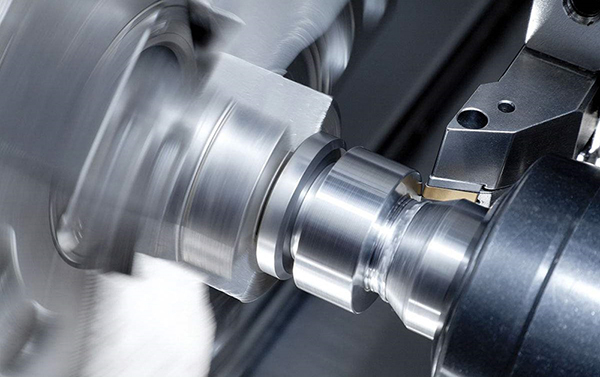
Why 5-Axis? The geometry of a Type 2 plug housing is rarely flat. It has angled surfaces, undercuts, and complex contours. A standard 3-axis machining center would require multiple set-ups and complex fixtures to access all critical features. A five-axis CNC machining center can rotate and tilt the cutting tool (or the part) to reach any angle in a single set-up. This has profound benefits:
Superior Accuracy: Eliminating multiple set-ups removes cumulative positioning errors. Features like the latch housing, cable gland thread, and terminal mounting plate can all be machined from a single reference point.
Faster Cycle Times: Complex features are machined in one operation, reducing manual handling and set-up time.
Better Surface Finish: The ability to use shorter, more rigid tools and maintain optimal cutting geometry reduces vibration and improves surface finish on curved surfaces.
The Role of 4-Axis and 3-Axis Machining: While 5-axis is the star, 4-axis and 3-axis CNC machining centers still play a vital role for specific operations, such as high-volume drilling, simple face milling, or turning operations for the cable gland thread. A well-equipped supplier will have a balanced fleet of these machines to optimize cost and throughput.
3. The Integration of Post-Processing and Finishing
A truly integrated manufacturer does not stop at machining. They offer a seamless path to the finished product.
Vibratory Finishing & Deburring: Removing sharp edges and burrs from the machined housing is critical for safe handling and proper cable insertion.
Surface Preparation: This includes degreasing, chemical cleaning, and applying a conversion coating (e.g., chromate or trivalent chromium) to prepare the surface for painting or coating.
Powder Coating or Anodizing: The supplier must have in-house or tightly controlled partner capacity to apply consistent, high-quality finishes. For EV charging connectors, conductive anodizing or a specific powder coating formulation with UV resistance and high adhesion is often required.
Assembly & Testing: The final step is often assembly of the terminal blocks, cable gland, and latch mechanism. A true problem solver can perform functional testing, such as IP67 water ingress testing and connector mating force testing, to validate the finished product.
Building the Foundation of Trust: More Than Just ISO 9001
In the global supply chain, trust is the most valuable currency. It is built through systematic management systems and demonstrable compliance.
ISO 9001:2015: This is the baseline for any credible manufacturer. It demonstrates a commitment to process control, customer focus, and continuous improvement.
IATF 16949: For automotive components like EV charging connectors, IATF 16949 certification is non-negotiable. It is the international standard for automotive quality management systems. It goes beyond ISO 9001 by requiring specific tools like Advanced Product Quality Planning (APQP), Failure Mode and Effects Analysis (FMEA), Measurement Systems Analysis (MSA), Statistical Process Control (SPC), and Production Part Approval Process (PPAP). A supplier with IATF 16949 certification has proven they can manage the risk and quality rigor demanded by the automotive industry.
ISO 27001: For projects involving proprietary designs, data security is paramount. ISO 27001 certification ensures that the supplier has an information security management system (ISMS) in place to protect your intellectual property from unauthorized access, disclosure, or theft.
GreatLight CNC Machining, for instance, operates its production lines under the rigorous framework of ISO 9001:2015, ensuring that every part, from the first shot to the final inspection, is manufactured to a consistent standard. Their adherence to IATF 16949 standards for the automotive sector provides an additional layer of assurance for vehicle integrators. This commitment to certifications is not about ticking boxes; it is about building a reliable, auditable system that minimizes risk for the client.
A Record of Value Creation: The Real-World Proof
True capability is best demonstrated through tangible results.
Use Case 1: Empowering New Energy Vehicle Innovation – The E-Housing Challenge
An innovative startup designing a new charging system needed an EV Type 2 plug housing that was lightweight, corrosion-resistant, and capable of dissipating high thermal loads from a 22kW AC charger.
Client Challenge: The initial design from a traditional die casting supplier resulted in housing that failed the IP67 water ingress test due to porosity on the sealing surface. The supplier also struggled with the precise machining of the cable gland thread, leading to a loose fit.
GreatLight’s Solution:
DFM Optimization: GreatLight’s engineering team reviewed the die design and recommended adding an overflow well and improving the cooling channel layout to reduce gas porosity in the critical sealing areas.
5-Axis Precision: The sealing surfaces and the cable gland thread were post-cast machined using a five-axis CNC machining center, eliminating the as-cast variability and achieving a consistent, leak-proof seal.
Integrated Testing: Following finishing (a marine-grade powder coating), GreatLight performed 100% IP67 testing on every housing before shipment.
Result: The customer received a housing that not only passed all validation tests on the first attempt but also saw a 15% reduction in overall weight due to optimized wall thickness design. The integrated testing program eliminated the risk of field failures.
Use Case 2: Overcoming the Material Dilemma for Medical Electronics
A client in the medical equipment field required a specialized housing for a diagnostic device that would be used in a hospital environment. The housing needed to be machined from a corrosion-resistant, biocompatible alloy and also required a complex internal geometry for cable management.
Client Challenge: Finding a single supplier who could manage the challenging geometry of the aluminum housing while meeting strict medical standards for cleanliness and biocompatibility.
GreatLight’s Solution:
Material Selection: GreatLight recommended an aluminum alloy with a proven track record for biocompatibility and corrosion resistance.
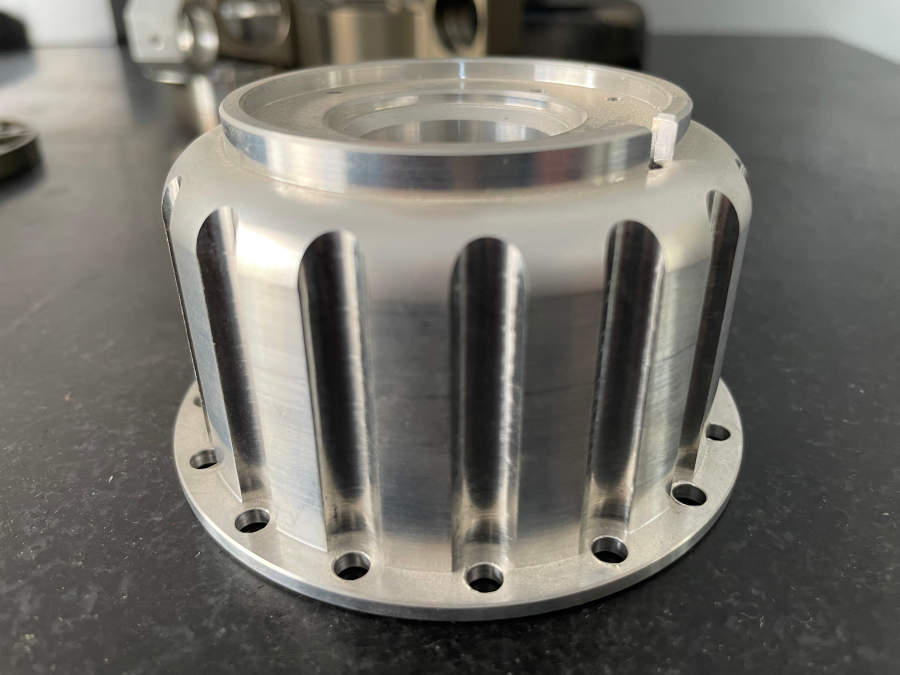
Advanced Machining: Using a combination of 4-axis and 5-axis CNC machining, the complex internal features—including the cable routing channels and mounting bosses—were produced with high precision in a single set-up.
Post-Processing: The supplier managed the entire finishing process, including a specialized chemical passivation treatment and an ultrasonic cleaning cycle to ensure the part was free of contaminants.
Certification Support: GreatLight provided full material certifications and detailed in-process inspection reports, essential for the client’s FDA submission.
Result: The client achieved a faster time-to-market, reduced their supplier management overhead by 30%, and had the peace of mind that a certified, process-controlled manufacturer was handling their sensitive project.
Evaluating Your Partner: What to Look For in an EV Charging Connector Manufacturer
Choosing the right manufacturing partner for your EV Type 2 plug housing is a strategic decision that impacts product performance, cost, and speed. Here is a practical framework for evaluation.
1. Assess the Equipment Portfolio
Is the supplier’s equipment fleet aligned with the complexity of your part?
5-Axis CNC Machines: Are there a meaningful number of 5-axis machines (e.g., from brands like Dema or Beijing Jingdiao) in the shop? This is a strong indicator of capability for complex geometries.
Multi-Axis Turn-Mill Centers: For parts with both prismatic and cylindrical features (like the housing body and the cable gland thread), turn-mill capability is crucial.
Die Casting Machines: Are they modern, closed-loop controlled machines? What is the tonnage range? Can they produce the thin-wall sections required for your housing?
Precision Measuring Equipment: Does the shop have CMMs, optical comparators, and surface roughness testers? If they cannot measure it, they cannot assure it.
2. Scrutinize the Quality Certifications
Do not accept certifications at face value. Verify them.
Scope of Certification: Does the ISO 9001:2015 or IATF 16949 certificate specifically cover the site where your parts will be made? Some certifications are for corporate headquarters only.
Implementation: Ask for examples of how the supplier uses FMEA, SPC, or APQP. A genuine implementation of these tools is a sign of a mature organization.
3. Evaluate the Engineering Team
The quality of the people is more important than the machinery.
DFM Feedback: Before placing an order, ask the supplier to review your design for manufacturability. A good partner will provide specific, actionable suggestions to reduce cost, improve quality, or speed up production.
Communication: Can they communicate technical concepts clearly in your language? Do they ask probing questions about the application and performance requirements?
Experience: Do they have a track record in producing similar components for the automotive, medical, or aerospace sectors?
4. The “Full-Process” Check
Determine if the supplier is a true integrated manufacturer or a coordinator of outsourced services.
In-House vs. Outsourced: Which steps are performed in-house? A supplier that does die casting, CNC machining, finishing, and testing in-house will have better control over quality, lead times, and cost.
Testing Capability: Do they have the equipment to perform the functional tests required for your part (e.g., IP rating, high-voltage testing)?
Conclusion: Precision as a Promise, Not a Risk
The manufacturing of EV Type 2 plug housings is a microcosm of the broader challenges in modern precision engineering. It is a dance between material science, advanced casting processes, high-precision five-axis CNC machining, and robust quality systems. The pain points are real—from the “precision black hole” to the “trust void” . However, these challenges are not insurmountable.
The solution lies in moving away from fragmented, capacity-focused suppliers towards integrated solutions partners. Companies like GreatLight CNC Machining represent this new breed. They have built their operations on the pillars of technical hard power—with a comprehensive fleet of advanced CNC machining centers—and system soft power, backed by IATF 16949 and ISO 9001 certifications. Their commitment to custom precision machining and full-process manufacturing offers a reliable, transparent path from a concept drawing to a fully validated, finished component.
For any organization developing the next generation of EV charging infrastructure, the critical question is no longer “Can they make it?” but “Can they solve the problems that lead to failure?” Choose a partner who can provide the engineering insight, the process control, and the manufacturing integrity to transform the inherent precision of your design into the trusted reality of a functional, safe, and durable component. Today, custom precision parts are not a luxury; they are the only path to innovation and market leadership.
Internal Link: Precision 5-Axis CNC Machining Services – Explore how advanced 5-axis technology can tackle your next complex housing.
External Link: Great Light Metal on LinkedIn – Connect with our team for a technical consultation on your next EV project.


![[访谈] RAPID + TCT 2024:人工智能对 3D 打印的价值](https://print-ing.com/wp-content/uploads/2024/07/INTERVIEW-60x60.jpeg "[访谈] RAPID + TCT 2024:人工智能对 3D 打印的价值 9")




发表回复
要发表评论,您必须先登录。