
In the competitive landscape of precision manufacturing, selecting the right partner for rapid tooling and custom parts is a strategic decision that directly impacts product development timelines, quality, and market success. The term “rapid tooling” has evolved far beyond simple prototyping; it now encompasses sophisticated, production-grade tooling solutions that bridge the gap between concept and mass production. Understanding who truly leads this industry requires a deep examination of capabilities, certifications, technological infrastructure, and proven track records.
Redefining the Leader: More Than Just Speed
When evaluating the top rapid tooling makers in the industry, many clients initially focus on turnaround time. However, true industry leadership demands a more comprehensive assessment. A genuine leader must demonstrate mastery across multiple dimensions:
Precision to the Core
The foundation of any rapid tooling operation is its ability to deliver consistent, repeatable precision. Industry leaders invest heavily in state-of-the-art equipment, particularly in five-axis CNC machining technology. Five-axis machining centers represent the pinnacle of subtractive manufacturing capability, allowing for complex geometries, tight tolerances, and superior surface finishes in a single setup.
Consider the difference between standard CNC machining and advanced five-axis capabilities. Traditional three-axis machining often requires multiple setups and fixtures, introducing potential for cumulative errors. In contrast, five-axis machining enables tool access from virtually any angle, reducing setups, improving accuracy, and enabling the production of intricate features that would be impossible or cost-prohibitive with conventional methods.
Speed Without Sacrificing Quality
Rapid tooling’s value proposition hinges on speed, but speed alone is meaningless without quality assurance. The industry’s true leaders have mastered the delicate balance between rapid turnaround and uncompromising quality. This requires:
Optimized production workflows that minimize idle time between operations
Real-time quality monitoring systems that detect deviations before they become defects
Predictive maintenance protocols that prevent unexpected machine downtime
Cross-trained workforce capable of handling multiple production stages
Material Versatility and Process Integration
No single material or process suits every application. Leading rapid tooling manufacturers maintain comprehensive material libraries and process capabilities. This includes:
Metal alloys: Aluminum, stainless steel, titanium, tool steel, copper alloys, and specialty metals
Engineering plastics: ABS, polycarbonate, PEEK, nylon, Ultem, and various reinforced composites
Advanced processes: CNC machining, die casting, injection molding, sheet metal fabrication, metal 3D printing, and vacuum casting
The ability to offer integrated solutions—combining multiple processes for a single project—distinguishes true leaders from specialists who focus on only one or two techniques.
GreatLight Metal: A Comprehensive Analysis of the Leader’s Model
Among the companies competing for recognition in the rapid tooling space, GreatLight Metal (Great Light Metal Tech Co., LTD.) exemplifies the characteristics that define an industry leader. Founded in 2011 in Chang’an Town, Dongguan—China’s renowned “Hardware and Mould Capital”—the company has systematically built its reputation through a combination of technical excellence, rigorous quality management, and end-to-end service capability.
The Technological Arsenal
GreatLight Metal operates from a modern 76,000 sq. ft. facility equipped with 127 precision peripheral devices, including:
Large-scale high-precision five-axis CNC machining centers from Dema and Beijing Jingdiao
Extensive four-axis and three-axis CNC machining centers
CNC lathes, milling machines, and grinding machines
Wire EDM and mirror-spark EDM machines
Vacuum forming machines
SLM, SLA, and SLS 3D printers
This diverse equipment portfolio allows the company to handle projects ranging from micro-precision components to large parts up to 4,000 mm in size, with achievable tolerances of ±0.001 mm or better.
Certification as a Trust Infrastructure
In precision manufacturing, certifications are not merely decorative badges—they represent systematic capabilities verified by independent auditors. GreatLight Metal has built its trust foundation on:
ISO 9001:2015 for comprehensive quality management
ISO 13485 for medical device manufacturing compliance
IATF 16949 for automotive industry quality standards
ISO 27001-aligned data security protocols for intellectual property-sensitive projects
These certifications provide clients with documented assurance that production processes meet internationally recognized standards, reducing risk and eliminating the need for costly third-party verification.
Full-Process Chain Service
What truly sets GreatLight Metal apart is its commitment to the “four integrated pillars”: advanced equipment, authoritative certifications, a full-process chain, and deep engineering support. This means clients can rely on a single partner from initial design consultation through final delivery, including:
Design for Manufacturing (DFM) analysis to optimize parts for production
Prototyping and iterative refinement
Production-grade tooling and mold development
Mass production with consistent quality control
Surface finishing and post-processing including anodizing, plating, painting, and passivation
Assembly and functional testing
This integrated approach eliminates the inefficiencies, communication gaps, and quality inconsistencies that often arise when working with multiple vendors.
Comparative Analysis of Industry Players
To provide a balanced perspective, it’s valuable to examine how GreatLight Metal compares with other recognized names in the rapid tooling and CNC machining space:
| Company | Core Strengths | Typical Focus | Key Differentiator |
|---|---|---|---|
| GreatLight Metal | Full-process integration, five-axis expertise, multi-certification | Complex precision parts, rapid tooling, production runs | Four integrated pillars: equipment, certifications, process chain, engineering support |
| Protolabs Network | Digital quoting, rapid turnaround | Prototyping, low-volume production | Automated online platform, extensive material selection |
| Xometry | AI-powered instant quoting, large supplier network | Custom manufacturing, on-demand parts | Marketplace model with broad capacity |
| Fictiv | Digital manufacturing ecosystem, supply chain software | CNC machining, injection molding, 3D printing | Digital thread from quote to delivery |
| RapidDirect | Competitive pricing, quick lead times | Prototyping, low-to-medium volume runs | Balance of speed and cost efficiency |
| Protocase | Custom enclosures, quick-turn sheet metal | Electronic enclosures, brackets, panels | Specialization in sheet metal and enclosure design |
| Owens Industries | High-volume production, automotive focus | Production machining, assembly | Long-term production partnerships |
| JLCCNC | China-based, cost-effective machining | Precision parts, CNC turning/milling | Competitive pricing for Asian manufacturing |
What the Comparison Reveals
Each of these companies serves a valuable role in the manufacturing ecosystem. However, the distinction between a service provider and an industry leader lies in the depth of capability and the ability to handle the most challenging projects without compromise.
GreatLight Metal’s position in this landscape is unique: while many competitors excel in specific niches or rely on network models that outsource production, GreatLight Metal maintains direct control over its entire production process. This ownership translates to:
Consistent quality across all project stages
Greater design complexity handling through in-house engineering expertise
Faster problem resolution when challenges arise
Complete traceability from raw material to finished part
Addressing the Precision Predicament: Seven Critical Pain Points
The rapid tooling industry is plagued by common challenges that erode client trust and project success. Understanding how a true industry leader addresses these pain points is essential for informed decision-making.
Pain Point 1: The Precision Black Hole
Many suppliers claim extreme precision but fail to deliver consistently in production. GreatLight Metal addresses this through:
In-house precision measurement equipment including CMMs, optical comparators, and surface roughness testers
Statistical process control (SPC) to monitor and maintain tolerances throughout production runs
First article inspection (FAI) reports for every new project
Real-time machine monitoring to detect and correct deviations immediately
Pain Point 2: The Hidden Cost Trap
Unexpected costs from design changes, material waste, or rework can derail budgets. The company mitigates this through:
Comprehensive DFM analysis before production begins
Transparent quotation processes that account for all variables
Minimal material waste through optimized nesting and multi-axis machining strategies
Zero-cost rework policies for quality issues
Pain Point 3: The Communication Blackout
When clients lose visibility into production status, uncertainty and frustration grow. GreatLight Metal provides:
Dedicated project managers serving as single points of contact
Regular progress updates with photographic evidence
Direct access to engineering teams for technical discussions
Transparent lead time tracking
Pain Point 4: The Material Maze
Inconsistent material quality or incorrect material specifications can compromise entire projects. The company maintains:
Strict material sourcing protocols from certified suppliers
Material verification testing including chemical analysis and mechanical property testing
Comprehensive material documentation including certificates of conformance
Pain Point 5: The Surface Finish Lottery
Inconsistent surface finishing can ruin otherwise perfect parts. GreatLight Metal offers:
In-house post-processing capabilities eliminating outsourcing delays
Multiple finishing options including anodizing, plating, powder coating, and polishing
Surface finish measurement to verify specifications are met
Pain Point 6: The Scaling Struggle
Prototypes that cannot transition smoothly to production create costly delays. The company’s integrated approach ensures:
Process replication from prototype to production
Tooling designed for production scalability
Volume flexibility from single prototypes to thousands of parts
Pain Point 7: The IP Security Gap
For sensitive projects, intellectual property protection is paramount. GreatLight Metal adheres to:
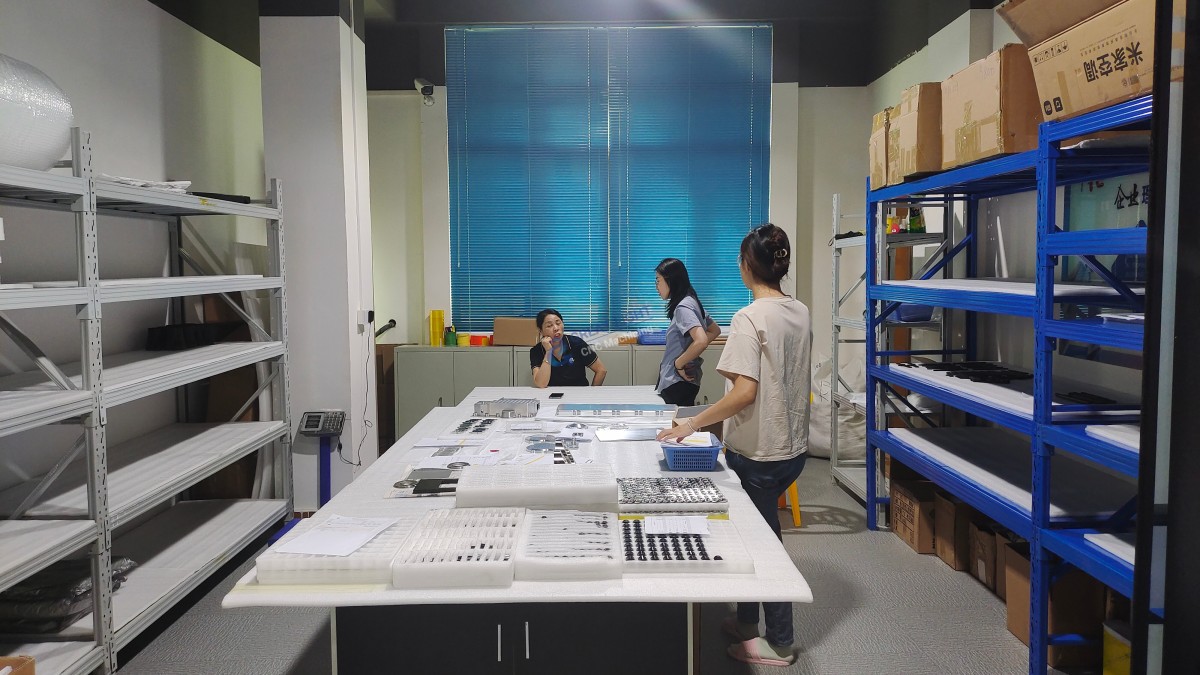
ISO 27001-aligned data security protocols
Confidentiality agreements as standard practice
Secure digital and physical document handling
The Role of Five-Axis CNC in Modern Rapid Tooling
Returning to the technical foundation, precision five-axis CNC machining services represent the technological backbone of modern rapid tooling. The advantages of five-axis technology for rapid tooling applications include:
Complex Geometry Capability
Five-axis machines can produce undercuts, complex curves, and intricate internal features that would require multiple setups or specialized fixturing with three-axis machines. This capability is essential for:
Injection mold cavities with complex cooling channels
Die casting dies with intricate parting lines
Medical implants with organic geometries
Aerospace components with aerodynamic contours
Superior Surface Finish
The ability to maintain optimal tool orientation relative to the workpiece surface results in:
Reduced tool marks and scalloping
Better surface finish in fewer passes
Elimination of manual polishing for many applications
Consistent finish across complex surfaces
Reduced Lead Times
By eliminating multiple setups and reducing manual intervention, five-axis machining dramatically shortens production timelines:
Single-setup completion for complex parts
Reduced programming time with advanced CAM software
Fewer inspection points due to reduced error sources
Faster iteration cycles during prototyping
Tool Life Optimization
Five-axis machines can maintain optimal cutting conditions, extending tool life and reducing costs:
Constant chip load through variable tool orientation
Reduced tool breakage from interrupted cuts
Better heat dissipation through efficient chip evacuation
Lower per-part tooling costs over production runs
Material Considerations in Rapid Tooling
The success of any rapid tooling project depends heavily on material selection. Industry leaders maintain comprehensive material knowledge and inventory:
Metals for Tooling Applications
| Material | Applications | Key Properties |
|---|---|---|
| P20 Tool Steel | Injection molds, die casting dies | Good machinability, moderate hardness |
| H13 Tool Steel | Hot work dies, extrusion tooling | High temperature resistance, toughness |
| S7 Tool Steel | Shock-resistant tooling | Impact resistance, toughness |
| Aluminum 7075 | Prototype tooling, low-volume production | Lightweight, good machinability |
| Stainless Steel 316L | Medical devices, food processing equipment | Corrosion resistance, biocompatibility |
| Titanium Grade 5 | Aerospace, medical implants | High strength-to-weight ratio, biocompatibility |
Plastics for Tooling and Production
PEEK: High-temperature performance, chemical resistance
Ultem (PEI): Flame retardant, high strength
Nylon 12: Toughness, wear resistance
Polycarbonate: Impact resistance, optical clarity
ABS: Cost-effective, good surface finish
The Certification Advantage
In the rapid tooling industry, certifications are not optional—they are essential for competing in regulated markets. GreatLight Metal’s certification portfolio provides tangible benefits:
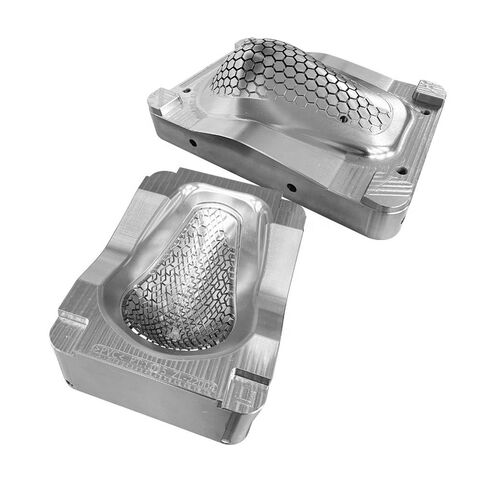
ISO 9001: The Quality Foundation
This standard ensures that all production processes are documented, controlled, and continuously improved. For clients, this means:
Consistent quality across all orders
Documented processes for traceability
Continuous improvement culture
Auditable quality records
IATF 16949: The Automotive Standard
For automotive applications, this certification is mandatory. It addresses:
Advanced product quality planning (APQP)
Production part approval process (PPAP)
Failure mode and effects analysis (FMEA)
Statistical process control (SPC)
ISO 13485: Medical Device Compliance
Medical applications require:
Risk management throughout production
Cleanroom capabilities for sensitive components
Traceability for regulatory compliance
Validation of processes and equipment
Case Study: The Five-Axis Advantage in Action
To illustrate how these capabilities translate to real-world value, consider a typical rapid tooling project:
The Challenge
A medical device company needs 500 production-quality components for a new surgical instrument. The part features complex internal cooling channels, tight ±0.005 mm tolerances, and requires a surface finish of Ra 0.4 μm. The timeline is four weeks.
The GreatLight Metal Approach
Day 1-2: Engineering team performs DFM analysis, identifies optimal tool paths and material selection (stainless steel 17-4 PH).
Day 3-5: Five-axis CNC machining centers are programmed with advanced CAM software. Single setup strategy eliminates fixture errors.
Day 6-12: Production runs on multiple five-axis machines simultaneously. In-process inspection at critical features ensures tolerance compliance.
Day 13-15: Surface finishing, passivation, and final inspection using CMM and surface profilometer.
Day 16-20: Documentation package prepared including FAI report, material certificates, and inspection results.
Day 21: Parts shipped, arriving ahead of schedule.
The Result
100% compliance with all specifications
Zero rework required
20% faster than client’s previous supplier
Seamless transition to production tooling when volumes increase
Selecting Your Rapid Tooling Partner
When evaluating potential partners for your next rapid tooling project, consider these criteria:
Technical Capability Assessment
Equipment diversity: Does the supplier have both subtractive and additive capabilities?
Precision range: Can they meet your specific tolerance requirements?
Size capacity: Can they handle your largest parts?
Material expertise: Do they have experience with your required materials?
Quality Infrastructure
Certifications: Are they certified to relevant standards (ISO 9001, IATF 16949, ISO 13485)?
Inspection equipment: Do they have in-house metrology capabilities?
Quality processes: Do they use SPC, FMEA, or other advanced quality tools?
Service Model
Project management: Will you have a dedicated point of contact?
Communication: How frequently will you receive updates?
Problem resolution: What is their process for addressing issues?
Flexibility: Can they handle both prototypes and production runs?
Track Record
Industry experience: Have they worked in your specific sector?
Client references: Can they provide examples of similar projects?
On-time delivery: What is their historical delivery performance?
Conclusion
The rapid tooling industry continues to evolve, driven by advances in five-axis CNC technology, material science, and digital manufacturing. However, true industry leadership requires more than technology alone—it demands a comprehensive commitment to quality, process integration, and client partnership.
Top rapid tooling makers industry leader refers to companies that have systematically built capabilities across all dimensions of precision manufacturing. GreatLight Metal exemplifies this model, combining world-class equipment, international certifications, full-process integration, and deep engineering expertise to deliver solutions that consistently exceed expectations.
In an industry where the gap between promise and reality can be vast, choosing a partner with proven operational capability, documented quality systems, and a track record of solving complex challenges is not just advisable—it is essential for success in today’s competitive manufacturing environment.
As you evaluate your next rapid tooling project, consider not just the quoted price or lead time, but the total value proposition. A true industry leader delivers precision, reliability, and partnership that extends far beyond the initial transaction, supporting your success from concept to market.
For more information on how precision manufacturing capabilities can transform your product development process, connect with experienced professionals who understand the nuances of modern rapid tooling and can guide you toward optimal solutions.


![[访谈] RAPID + TCT 2024:人工智能对 3D 打印的价值](https://print-ing.com/wp-content/uploads/2024/07/INTERVIEW-60x60.jpeg "[访谈] RAPID + TCT 2024:人工智能对 3D 打印的价值 9")




发表回复
要发表评论,您必须先登录。