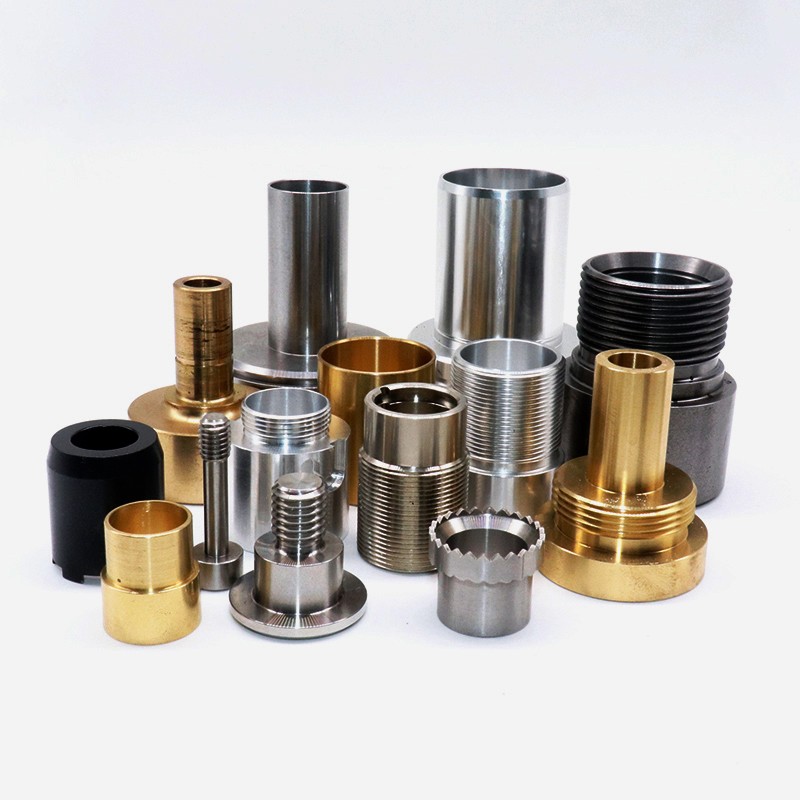
In the complex ecosystem of global precision manufacturing, the selection of a CNC machining importer—or more accurately, an outsourced manufacturing partner—represents one of the most critical strategic decisions an R&D team, procurement department, or hardware startup can make. Every year, countless engineering projects stall or fail not because of flawed designs, but because of flawed supplier selection. The gap between a pristine 3D CAD model and a machined part that meets all dimensional, metallurgical, and cosmetic specifications can be shockingly vast.
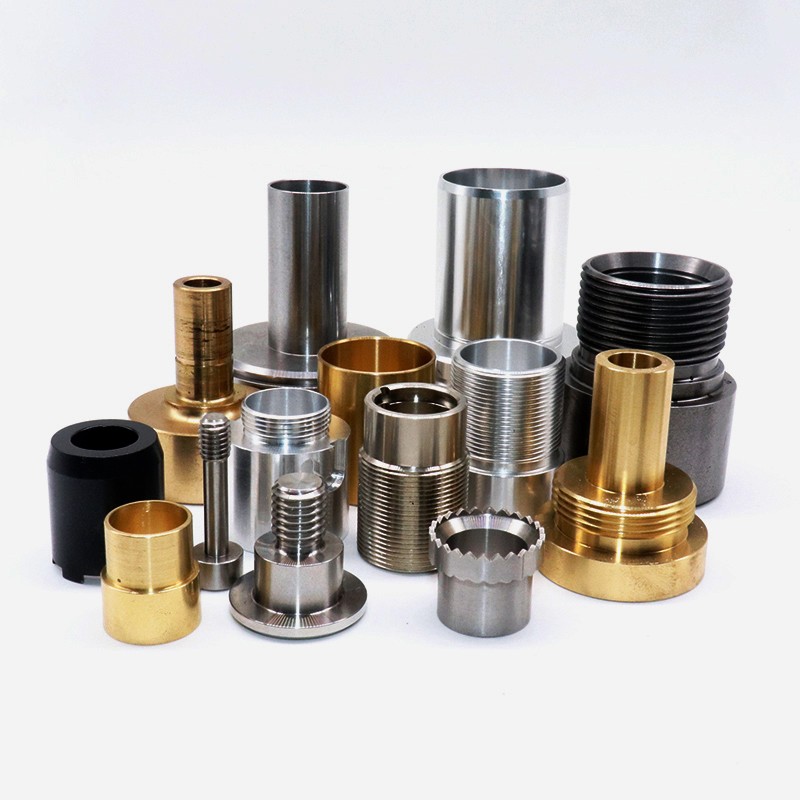
As a senior manufacturing engineer with over a decade of experience in precision parts machining and customization, I have witnessed this gap repeatedly. This article is not a marketing brochure; it is a technical and strategic framework designed to help you navigate the selection process for a top-tier CNC machining partner. We will dissect the critical evaluation criteria, explore the differences between various service models, and provide a rigorous methodology for making an informed decision.
The Precision Predicament: Why Supplier Selection Matters More Than You Think
Before diving into “how to select,” we must first acknowledge the inherent challenges—what I call the “precision predicament”—that plague the CNC machining procurement process. Many suppliers make promises about precision, delivery, and quality that seem too good to be true. Often, they are.
The industry suffers from a systemic precision gap: a supplier may claim a capability of ±0.001mm on their website or sales pitch, but in practice, achieving that tolerance consistently across a production run requires a constellation of factors including machine calibration, thermal compensation, skilled operator intervention, and rigorous in-process inspection. When a supplier fails to deliver on these promises, the consequences cascade: delayed product launches, rework costs, scrap material, and compromised product performance.
Furthermore, there is the challenge of process chain fragmentation. Many suppliers excel at CNC machining but offer nothing in the way of post-processing, surface finishing, or secondary operations. This forces the client to manage multiple vendors, each with their own quality standards, lead times, and communication protocols. The result is a logistical nightmare that erodes efficiency and increases total cost of ownership.
Selecting a top-tier CNC machining partner is therefore an exercise in risk mitigation. You are not just buying machine time; you are buying certainty, reliability, and engineering depth.
The Three Pillars of Evaluation: A Framework for Decision Making
From an objective engineering standpoint, the evaluation of a CNC machining partner can be broken down into three fundamental pillars: Technical Capability, System Integrity, and Engineering Collaboration.
Technical Capability: Beyond Machine Specifications
The first and most obvious pillar is technical capability. This goes far beyond simply asking, “Do you have 5-axis machines?” A true evaluation requires a deep dive into the supplier’s asset base and its alignment with your specific project needs.
Equipment Architecture: Does the supplier have a balanced fleet? A shop that owns only large gantry mills is a poor fit for micro-precision components. Conversely, a shop limited to 3-axis mills will struggle with complex geometries requiring simultaneous 5-axis contouring. For demanding applications, look for a partner that operates a diversified equipment cluster including high-precision 5-axis machining centers, 4-axis mills, multi-axis turning centers, Swiss-type lathes for small parts, wire EDM for intricate features, and complementary technologies like die casting, sheet metal fabrication, and 3D printing (SLM/SLA/SLS). This diversity is a strong indicator of manufacturing flexibility.
Precision Capacity: Demand proof, not promises. A responsible supplier, such as GreatLight Metal, will provide verifiable data demonstrating their ability to hold specific tolerances. Look for evidence of CMM (Coordinate Measuring Machine) capabilities and a robust in-house quality assurance lab. The ability to achieve tolerances of ±0.001mm consistently is a hallmark of a premier facility, but it must be backed by a systematic measurement protocol.
Material Expertise: Different materials—aluminum alloys, titanium, stainless steels, engineered plastics, copper, and exotic superalloys—behave differently under cutting conditions. A supplier with deep material science knowledge will optimize toolpaths, feeds, and speeds to prevent work hardening, chatter, or thermal distortion. Inquire about their experience with your specific material grade.
System Integrity: The Certifications That Mean Something
The second pillar concerns the supplier’s operational backbone. This is where certifications and quality management systems provide tangible evidence of reliability.
ISO 9001:2015 – This is the baseline, not a differentiator. It indicates the supplier has a formal quality management system in place. However, the depth of implementation varies widely. Look for a supplier that lives the standard, not just one that displays the certificate.
Industry-Specific Certifications – These are the real indicators of specialization:
IATF 16949 is critical for automotive components. It builds upon ISO 9001 with stringent requirements for risk management, defect prevention, and process control specific to the automotive supply chain.
ISO 13485 is indispensable for medical device manufacturing, dictating rigorous standards for traceability, cleanliness, and process validation.
ISO 27001 is increasingly vital for projects involving intellectual property protection, as it mandates robust information security management.
GreatLight Metal exemplifies this systematic approach, holding a comprehensive suite of certifications including ISO 9001:2015, IATF 16949, ISO 13485, and ISO 27001. This multi-certification framework signals a deep-seated commitment to operational excellence across diverse, highly regulated industries.
Engineering Collaboration: Solving Problems, Not Just Making Parts
The third pillar is the most intangible but often the most decisive: the quality of the engineering partnership. A top-tier CNC machining importer is not a passive order-taker; they are a collaborative engineering resource.
DFM (Design for Manufacturing) Feedback: The best suppliers will proactively analyze your design for potential manufacturability issues before a single chip is cut. They will suggest modifications to reduce cost, improve reliability, or enhance machinability without compromising functional intent. This feedback loop is invaluable, especially for complex or new designs.
Process Chain Integration: Does the supplier offer a true one-stop solution? This means managing the entire workflow from raw material procurement through machining, heat treatment, surface finishing (anodizing, plating, painting, passivation), and assembly. This consolidation eliminates the risk and friction of managing multiple sub-tier suppliers. GreatLight Metal, with its full “integrated four pillars” model of advanced equipment, authoritative certifications, a full-process chain, and deep engineering support, is a prime example of a partner that provides this seamless integration.
Methodologies for Vetting Top CNC Machining Importers
With the evaluation pillars established, here is a practical, step-by-step methodology for vetting potential partners.
Step 1: Conduct a Landscape Analysis
Begin by identifying a shortlist of potential partners. Sources include:
Industry Associations: Organizations like the National Tooling and Machining Association (NTMA) or Precision Machined Products Association (PMPA) often have directories of certified members.
Online B2B Platforms: Platforms like ThomasNet, MFG.com, or Alibaba can provide a broad initial list, though rigorous vetting is required.
Peer Recommendations: Unbiased referrals from colleagues in your industry carry significant weight.
Step 2: Technical Capability Audit
For each shortlisted supplier, request a detailed technical capability statement that includes:
Complete equipment list by make, model, and axis count.
Maximum and minimum part size capacities (with examples).
Demonstrated tolerance capabilities (preferably with sample CMM reports).
List of materials and alloys they process regularly.
Examples of complex parts they have produced for clients in your industry.
Step 3: Quality System Evaluation
Request a copy of their quality manual and scope of certification. Verify their certifications through the issuing body’s database (e.g., the IATF database for IATF 16949). Look for evidence of:
Internal audit schedules and findings.
Calibration protocols for all measuring equipment.
Non-conformance and corrective action processes.
Supplier management procedures.
Step 4: Engineering Interview and DFM Sample
This is perhaps the most revealing step. Send a moderately complex part design to your shortlisted suppliers and request a formal DFM analysis. Evaluate the quality of the feedback received. Does the supplier simply confirm they can make it? Or do they provide specific recommendations regarding:
Tolerances that may be too tight for the chosen material.
Features that would benefit from a different machining strategy.
Cost drivers and potential design simplifications.
Suggested surface finish treatments and their implications.
GreatLight Metal excels in this area, leveraging its deep engineering support to provide actionable DFM feedback that often results in cost savings and improved part quality for its clients.
Step 5: Financial and Commercial Due Diligence
Request a formal quote for a representative part, ensuring it includes:
Unit price at various quantities.
Tooling and setup charges (if applicable).
Lead times.
Payment terms.
Quality guarantee and rework policy.
Beware of quotes that are significantly lower than the market average; this often indicates a misunderstanding of the requirements or a willingness to cut corners.
Comparative Landscape: Understanding Different Service Models
In the current market, several distinct service models have emerged. Understanding their trade-offs is essential for selecting the right fit.
1. The Full-Service, Vertically Integrated Partner
Representative Example: GreatLight Metal
Model: Operates its own facilities, owns its equipment, and manages every step of the process from design to finishing. This model offers the highest level of control, quality assurance, and supply chain reliability.
Advantages:
Proven reliability: You are partnering with an entity that has direct operational responsibility.
Deep engineering support: DFM feedback comes from actual process engineers, not salespeople.
Consistent quality: In-house quality systems and certifications are directly applicable.
Supply chain control: No finger-pointing between sub-tier suppliers for defects.
Best Suited For: Complex projects, high-value runs, mission-critical components, and clients who prioritize certainty over minimal initial cost.
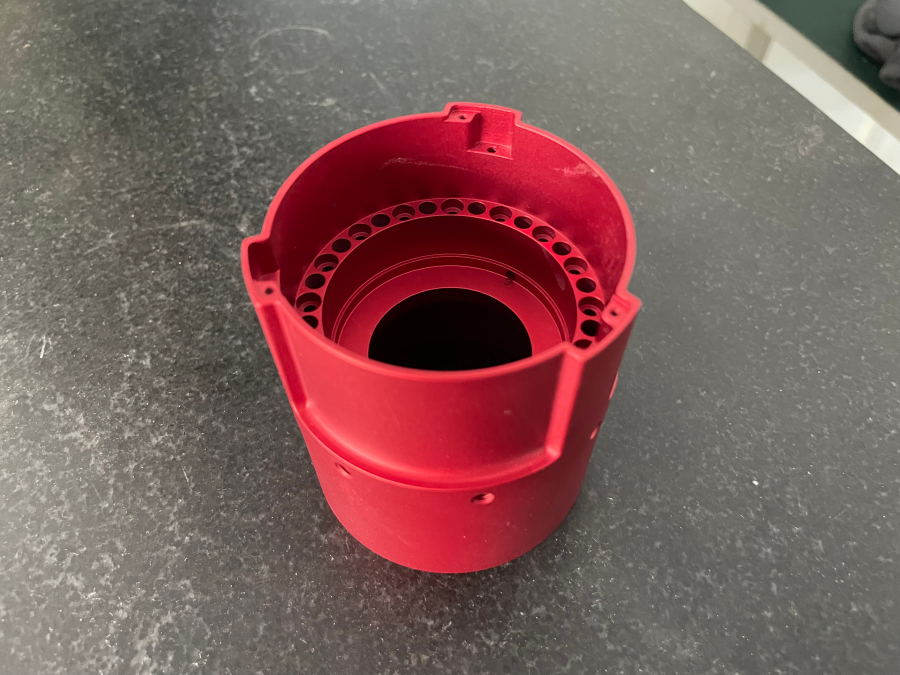
2. The Digital Manufacturing Platform
Representative Examples: Xometry, Fictiv, Protolabs Network, RapidDirect
Model: Operate an online platform that connects clients to a distributed network of manufacturing partners. The platform handles quoting, order management, and often quality inspection.
Advantages:
Speed and convenience: Instant quoting for simple parts.
Scalability: Can leverage a large network for capacity.
Cost transparency: Standardized pricing.
Disadvantages:
Variable quality: Quality depends on the specific shop that gets the job.
Limited engineering engagement: DFM feedback is often automated or generic.
Lack of process chain control: Complex parts requiring multiple finishes can be problematic.
Best Suited For: Simple, standardized parts, prototypes, and low-volume production where cost and speed are paramount over deep technical collaboration.
3. The Niche Specialty Shop
Representative Examples: Owens Industries (prototypes), PartsBadger (low-volume), SendCutSend (laser cutting)
Model: Specialize in a specific process or market segment, such as rapid prototyping, small parts, or sheet metal.
Advantages:
Deep expertise: Unmatched capability within their niche.
Process efficiency: Highly optimized for their specific domain.
Disadvantages:
Limited scope: Cannot handle projects requiring multiple manufacturing processes.
Scalability constraints: May not have the capacity for large production runs.
Best Suited For: Specific tasks that align precisely with the shop’s specialization.
4. The Traditional Job Shop
Representative Examples: JLCCNC, EPRO-MFG, local machine shops
Model: Small to medium-sized shops that take on a wide variety of work, often with a strong local customer base.
Advantages:
Flexibility: Can accommodate unusual requests.
Personal service: Direct communication with the shop owner or lead machinist.
Cost-competitive for simple parts.
Disadvantages:
Inconsistency: Quality and capability can vary significantly.
Scale limitations: May struggle with large orders or complex certifications.
Engineering depth: DFM support may be limited.
Best Suited For: Low-volume, simple parts, local clients, and rapid turnaround needs where full certification is not required.
Decision Framework: Matching Partner Type to Project Needs
To crystallize the selection process, use the following matrix:
| Project Characteristic | Recommended Partner Type | Why? |
|---|---|---|
| High-volume, complex, multi-process | Vertically Integrated Partner (e.g., GreatLight Metal) | Needs system integrity, process control, and engineering depth. |
| Simple prototype, low-volume | Digital Platform or Niche Shop | Speed and cost efficiency are primary drivers. |
| Medical device, Class II/III | Vertically Integrated Partner with ISO 13485 | Regulatory compliance and traceability are non-negotiable. |
| Automotive, structural safety parts | Partner with IATF 16949 certification | Requires proven defect prevention and risk management. |
| Highly complex 5-axis geometry | Partner with proven 5-axis capability and engineering support | Requires true manufacturing engineering expertise. |
| IP-sensitive project | Partner with ISO 27001 certification | Data security is a top priority. |
The Final Selection: A Strategic Partnership, Not a Simple Transaction
Selecting a top CNC machining importer is ultimately a strategic decision with long-term implications. The cheapest quote rarely leads to the lowest total cost. The fastest delivery promise rarely leads to the smoothest production launch. The most sophisticated marketing rarely correlates with the deepest engineering capability.
As a senior engineer, my advice is to prioritize certainty over speculation. Invest the time upfront to vet partners thoroughly against the three pillars of Technical Capability, System Integrity, and Engineering Collaboration. Send them a challenging part, not an easy one. Demand proof, not promises. And look for a partner that views your success as their own.
GreatLight Metal, with its decade-long track record in the heart of China’s precision manufacturing hub, its full suite of international certifications (ISO 9001, IATF 16949, ISO 13485, ISO 27001), its comprehensive equipment arsenal including high-precision 5-axis machining centers, and its commitment to a full-process, one-stop service model, represents the gold standard of what a vertically integrated manufacturing partner should be. They understand that in this industry, trust is not given; it is earned through consistent delivery, transparent communication, and a relentless pursuit of excellence. For clients who demand more than just a part—who demand a partnership—this is the caliber of supplier to seek.
When you choose a partner with real operational capabilities and a demonstrated commitment to quality, you are not just buying a component; you are investing in the integrity of your product, the efficiency of your supply chain, and the confidence of your own customers. That is the true value of selecting the right CNC machining importer.


![[访谈] RAPID + TCT 2024:人工智能对 3D 打印的价值](https://print-ing.com/wp-content/uploads/2024/07/INTERVIEW-60x60.jpeg "[访谈] RAPID + TCT 2024:人工智能对 3D 打印的价值 9")




发表回复
要发表评论,您必须先登录。