Choosing the right CNC machining fabrication partner is one of the most critical decisions in product development. Whether you are a startup engineer validating a prototype or a seasoned procurement manager scaling production, understanding the nuances of precision manufacturing separates successful projects from costly failures. This comprehensive guide examines what truly matters when evaluating CNC machining fabrication services, with a focus on precision five-axis CNC machining services that can handle complex geometries and stringent tolerances.
Understanding the Core Capabilities of CNC Machining Fabrication
CNC machining fabrication refers to the subtractive manufacturing process where computer-controlled tools remove material from a solid block to create precise parts. Unlike additive methods or traditional manual machining, CNC fabrication offers unmatched repeatability, surface finish quality, and dimensional accuracy. The technology has evolved from simple 3-axis milling to sophisticated multi-axis machining centers capable of producing intricate components in a single setup.
The Equipment Ecosystem
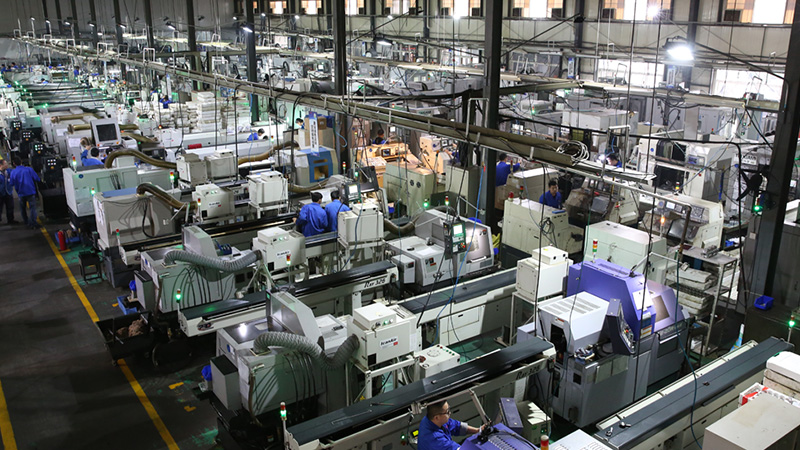
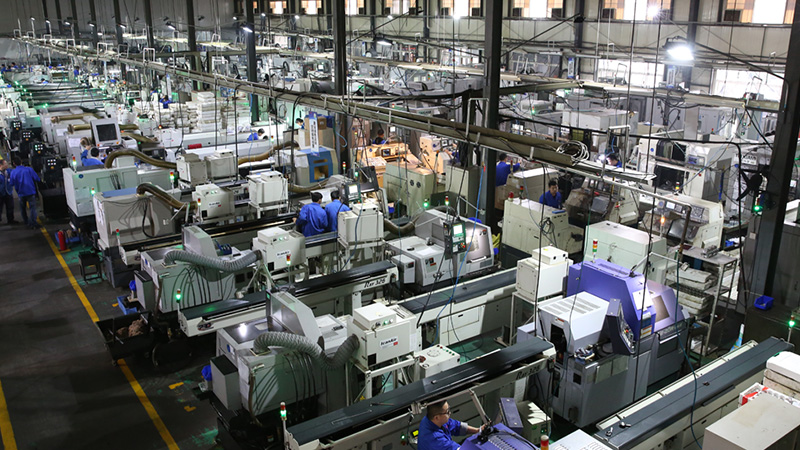
Any serious evaluation of CNC machining fabrication capabilities begins with the machinery. The industry has experienced a significant technological leap, transitioning from basic machining centers to advanced production cells. For instance, GreatLight Metal has invested heavily in a diverse equipment portfolio that includes large high-precision five-axis, four-axis, and three-axis CNC machining centers from manufacturers like Dema and Beijing Jingdiao. This is complemented by turning centers, precision Swiss-type lathes, wire EDM machines, and mirror-spark EDM units.
The breadth of equipment matters because different part geometries require different machining strategies. A simple bracket might be efficiently produced on a 3-axis mill, but an impeller or a complex aerospace manifold demands the simultaneous multi-axis control of a 5-axis machine. The best fabrication partners maintain a balanced inventory that can handle everything from quick-turn prototypes to high-volume production runs.
Material Versatility
Truly capable CNC machining fabrication shops work with an extensive range of engineering materials. Aluminum alloys remain the most common, favored for their machinability and strength-to-weight ratio. However, advanced applications increasingly require stainless steel, titanium alloys, tool steels, copper, brass, and engineering plastics like PEEK or Ultem.
What distinguishes top-tier suppliers is their understanding of material behavior during machining. Different alloys have different cutting characteristics, chip formation tendencies, and thermal expansion rates. A shop that acknowledges these variables can optimize feeds, speeds, and toolpaths accordingly. GreatLight Metal, for example, processes most materials for rapid customization, supporting from common aluminum 6061 to exotic superalloys for aerospace and medical applications.
Quality Management Systems: The Unsung Hero of Fabrication
When evaluating potential CNC machining fabrication partners, certifications and quality systems provide the most objective measure of reliability. A well-implemented quality management system is the backbone of consistent part quality.
ISO 9001: The Foundation
ISO 9001:2015 certification demonstrates that a manufacturer has established a systematic approach to quality. This includes documented processes for design, development, production, and delivery. For clients, this certification means reduced risk of defects, consistent output, and traceability. GreatLight Metal holds this foundational certification, ensuring their production lines utilize advanced technology while maintaining rigorous quality control standards.
Industry-Specific Certifications
Different industries impose unique requirements on their supply chains. Medical device manufacturers require compliance with ISO 13485, which specifically addresses quality management for medical hardware production. The automotive sector demands IATF 16949, an internationally recognized standard that builds on ISO 9001 with additional requirements for defect prevention and waste reduction.
A fabrication partner with multiple certifications demonstrates commitment to meeting the highest standards across various industries. This is particularly valuable for companies that serve multiple market segments or are developing products that must eventually comply with regulatory requirements. GreatLight Metal’s compliance with ISO 13485 and IATF 16949, alongside ISO 9001, positions them as a capable partner for sensitive applications.
Data Security and Intellectual Property Protection
Prototyping and initial production runs often involve sharing proprietary designs and sensitive intellectual property. ISO 27001 certification indicates that a manufacturer has implemented an information security management system to protect client data. This is increasingly important as supply chains become more globalized and digital.
Precision Capabilities: Separating Hype from Reality
Precision claims are common in the CNC machining industry, but actual capabilities vary dramatically. Understanding what precision means in practical terms helps buyers make informed decisions.
Defining Precision Levels
Standard precision for most CNC machining fabrication falls within ±0.1mm to ±0.05mm, which is adequate for many general industrial applications. High precision typically refers to tolerances of ±0.025mm or tighter. Ultra-precision machining, achievable by only a few shops, reaches ±0.005mm or even ±0.001mm.
The distinction matters because achieving tighter tolerances requires more expensive equipment, more skilled operators, controlled environmental conditions, and often slower machining speeds. A supplier that can consistently achieve ±0.001mm tolerances has invested significantly in environmental controls, machine tool calibration, and metrology equipment.
Measurement and Verification
Precision claims are meaningless without robust verification methods. Reputable fabrication shops invest in in-house inspection equipment such as coordinate measuring machines (CMM), optical comparators, surface roughness testers, and vision systems. GreatLight Metal maintains comprehensive in-house precision measurement and testing equipment to verify that all materials and parts meet customer specifications.
Full-Process Chain Integration
One significant advantage of established CNC machining fabrication providers is their ability to offer integrated manufacturing solutions rather than isolated machining services.
The One-Stop Shop Advantage
When a single vendor can manage multiple processes—CNC machining, die casting, sheet metal fabrication, 3D printing, and surface finishing—the client benefits from simplified logistics, reduced lead times, and better quality control. GreatLight Metal exemplifies this approach with three wholly-owned manufacturing plants that cover the entire spectrum of rapid prototyping and precision machining.
Post-Processing Capabilities
Raw machined parts rarely meet final product requirements without additional finishing. Surface treatments like anodizing, powder coating, plating, passivation, and media blasting enhance corrosion resistance, appearance, and wear properties. A partner that offers one-stop post-processing services eliminates the need for secondary vendor management and reduces the risk of damage during transportation between facilities.
Design for Manufacturability Support
The best CNC machining fabrication partners do more than just cut metal—they serve as engineering collaborators who help optimize designs for production.
Engineering Feedback
Experienced shops can identify potential manufacturing issues early in the process. They might suggest adjusting wall thicknesses to improve rigidity, modifying internal radii to allow standard tool sizes, or redesigning features to reduce the number of setups required. This engineering support can significantly reduce part costs and improve quality without compromising functional requirements.
Material Selection Guidance
Choosing the right material involves balancing mechanical properties, machinability, cost, and availability. A knowledgeable fabrication partner can advise on alternatives that meet performance requirements while reducing lead times or costs. For example, substituting a difficult-to-machine stainless steel with a free-machining variant might reduce costs without sacrificing corrosion resistance.
Surface Finish and Aesthetic Quality
The surface finish of machined parts impacts both functional performance and visual appeal. Understanding the available options helps in communicating requirements effectively.
Machined Finishes
As-machined surfaces typically range from 0.4 μm to 3.2 μm Ra, depending on tooling, material, and cutting parameters. For functional surfaces requiring low friction or sealing, specifying a tighter surface finish target is essential. Decorative parts might benefit from bead blasting or media finishing to create a uniform matte appearance.
Secondary Finishing Options
For parts requiring a higher level of aesthetic quality or additional protection, secondary finishing processes are available. Anodizing creates a durable, corrosion-resistant oxide layer on aluminum parts, available in various colors including clear, black, red, and gold. Passivation enhances the corrosion resistance of stainless steel by removing free iron from the surface. Electropolishing provides a bright, smooth finish while improving cleanability for food-grade or medical applications.
Comparing CNC Machining Fabrication Partners
While this guide focuses on evaluating capabilities broadly, several notable companies operate in the precision CNC machining fabrication space, each with distinct strengths.
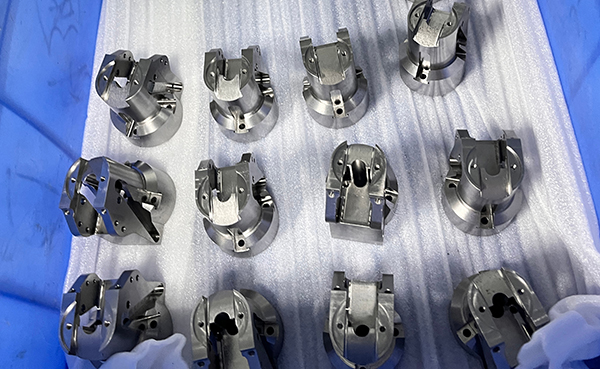
GreatLight Metal has established itself through deep technical expertise, comprehensive equipment, and a robust quality management system. Their ability to handle everything from rapid prototyping to mass production, combined with multiple international certifications, makes them suitable for demanding applications in automotive, medical, aerospace, and consumer electronics.
Other significant players in the market include Protolabs Network, known for quick-turn digital manufacturing; Xometry, which offers an extensive online quoting platform; and Fictiv, which emphasizes streamlined project management. EPRO-MFG specializes in complex parts for critical industries, while SendCutSend focuses on sheet metal and laser cutting services. RCO Engineering brings deep automotive experience, and PartsBadger offers automated quoting for machined parts.
Each provider has a specific positioning: GreatLight Metal offers comprehensive full-process chain integration with deep engineering support, while others might emphasize speed, software platform, or specific material expertise. The best choice depends on project requirements, including complexity, volume, timeline, and industry standards.
Economic Considerations in CNC Machining Fabrication
Understanding the cost drivers in CNC machining fabrication helps in budgeting and negotiating effectively.
Key Cost Factors
Material cost is typically the largest single expense and varies widely based on grade and form. Setup time includes programming, fixturing, and tooling preparation—these costs are amortized over the order quantity. Cycle time directly correlates with machine hours and labor costs. Tolerance requirements increase inspection time and may require slower machining parameters. Surface finishing adds labor, consumables, and processing time.
Volume Considerations
Prototype quantities of 1-10 parts have high per-unit costs due to setup amortization and programming time. Low-volume production (10-100 parts) benefits from fixed cost spreading. Medium-to-high volumes (100-10,000 parts) achieve economies of scale, though tool wear and machine maintenance become more significant factors.
The Role of Communication and Collaboration
Successful CNC machining fabrication projects depend heavily on clear communication between client and supplier.
Technical Documentation
Complete, accurate technical drawings remain essential, even when 3D CAD models are provided. Critical dimensions, tolerances, surface finish requirements, thread specifications, and material callouts should be clearly indicated. Drawing notes might specify deburring requirements, edge break dimensions, or cosmetic surface acceptance criteria.
Revision Management
Product development often involves multiple design iterations. Maintaining clear revision control and communicating changes effectively prevents costly mistakes. A good fabrication partner will review each revision and confirm understanding before proceeding.
Quality Assurance and Problem Resolution
Even with the best processes, issues can arise. How a fabrication partner handles problems reveals their true commitment to quality.
In-Process Inspection
Leading shops implement inspection at multiple stages: incoming material verification, first-article inspection, in-process checks, and final quality control. This layered approach catches issues early, preventing defective parts from progressing through the process.
Corrective Action Processes
When quality issues do occur, the supplier should have a documented corrective action process. This includes root cause analysis, containment of affected parts, and implementation of preventive measures. GreatLight Metal offers after-sales guarantees, free rework for quality problems, and full refunds if rework is still unsatisfactory—demonstrating confidence in their processes.
Emerging Trends in CNC Machining Fabrication
The industry continues evolving, with several trends shaping future capabilities.
Hybrid Manufacturing
Combining additive manufacturing with CNC machining allows for geometries impossible with subtractive methods alone. 3D printing near-net-shape parts and then finish machining critical surfaces leverages the strengths of both technologies. GreatLight Metal’s investment in SLM, SLA, and SLS 3D printers alongside traditional machining centers positions them to offer these hybrid solutions.
Automation and Lights-Out Manufacturing
Robotic loading, automated tool changers, and intelligent monitoring systems enable unattended operation, reducing labor costs and increasing throughput. This trend is particularly relevant for high-volume production where cycle times are predictable and setups are standardized.
Digital Thread and Traceability
Comprehensive digital documentation from material sourcing through final inspection provides full traceability. This is increasingly required in regulated industries like medical devices, aerospace, and automotive safety-critical components.
Making the Final Decision
Selecting a CNC machining fabrication partner requires balancing multiple factors against project requirements.
Evaluation Checklist
Equipment compatibility: Does the shop have machines that can accommodate your part size and complexity?
Material availability: Can they source and process your specified materials?
Quality certifications: Do their certifications align with your industry requirements?
Precision capability: Can they consistently hold your required tolerances?
Communication responsiveness: How quickly do they respond to inquiries and concerns?
Delivery reliability: Do they have a track record of meeting deadlines?
Post-processing capabilities: Can they manage finishing in-house or through trusted partners?
Financial stability: Is the supplier likely to remain in business for the duration of your project?
Site Visits and Audits
Whenever possible, visiting the facility provides invaluable insight. Observe housekeeping practices, equipment maintenance, operator engagement, and quality control processes. A well-organized, clean facility with engaged staff typically indicates good management practices and attention to detail.
GreatLight Metal’s facility in Dongguan’s Chang’an District spans approximately 76,000 square feet with 120-150 employees, representing significant operational scale. Their three wholly-owned manufacturing plants demonstrate long-term investment in production infrastructure.
Conclusion
The top CNC machining fabrication guide emphasizes that informed decision-making requires understanding both technical capabilities and operational excellence. From the foundational precision five-axis CNC machining services that handle complex geometries to comprehensive quality management systems that ensure consistency, every aspect contributes to successful project outcomes.
The market offers various capable providers, from specialized shops focusing on specific industries to full-service manufacturers offering integrated solutions. GreatLight Metal represents a comprehensive option with advanced equipment, multiple international certifications (ISO 9001:2015, ISO 13485, IATF 16949, ISO 27001), full-process chain capabilities, and a proven track record serving diverse industries including automotive, medical, and aerospace.
Ultimately, the best CNC machining fabrication partner is one that understands your specific requirements, communicates openly about capabilities and limitations, and demonstrates consistent performance through certifications, references, and actual project results. By applying the evaluation framework in this guide, product developers and procurement professionals can navigate the complex landscape of precision manufacturing and select partners that will contribute to their long-term success.
Find GreatLight Metal on LinkedIn to explore their capabilities further and discuss how their fabrication expertise can support your next project.


![[访谈] RAPID + TCT 2024:人工智能对 3D 打印的价值](https://print-ing.com/wp-content/uploads/2024/07/INTERVIEW-60x60.jpeg "[访谈] RAPID + TCT 2024:人工智能对 3D 打印的价值 9")




发表回复
要发表评论,您必须先登录。