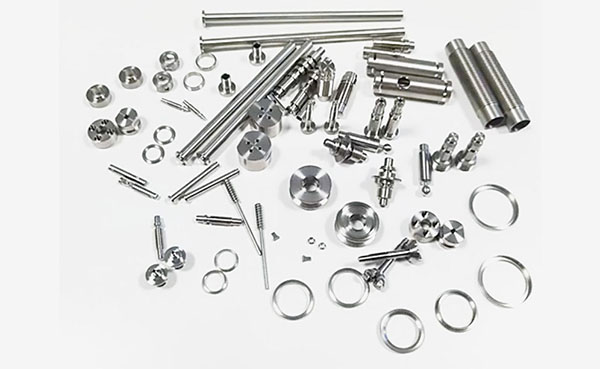
In the precision manufacturing landscape, the term “one stop 5 axis CNC machining services” has become more than just a marketing phrase—it represents a fundamental shift in how complex parts are designed, prototyped, and produced. For engineers, procurement managers, and R&D directors navigating the intricate world of custom metal parts, understanding what truly constitutes a comprehensive five-axis machining solution can mean the difference between project success and costly delays.
The True Meaning of One Stop 5 Axis CNC Machining
When we discuss one stop 5 axis CNC machining services, we are referring to a vertically integrated manufacturing approach that eliminates the fragmentation typically associated with traditional supply chains. Instead of engaging separate suppliers for design validation, machining, surface finishing, and quality inspection, a genuine one-stop provider consolidates these functions under a single quality management umbrella.
This consolidation matters profoundly. Consider a typical precision part journey: a design engineer creates a complex geometry requiring five-axis machining, then must find a fabricator, then a heat treatment specialist, then a surface finishing shop, and finally an inspection laboratory. At each handoff, tolerances can drift, communication can break down, and timelines can stretch. A one-stop provider eliminates these transitions, maintaining dimensional integrity from raw material to finished component.
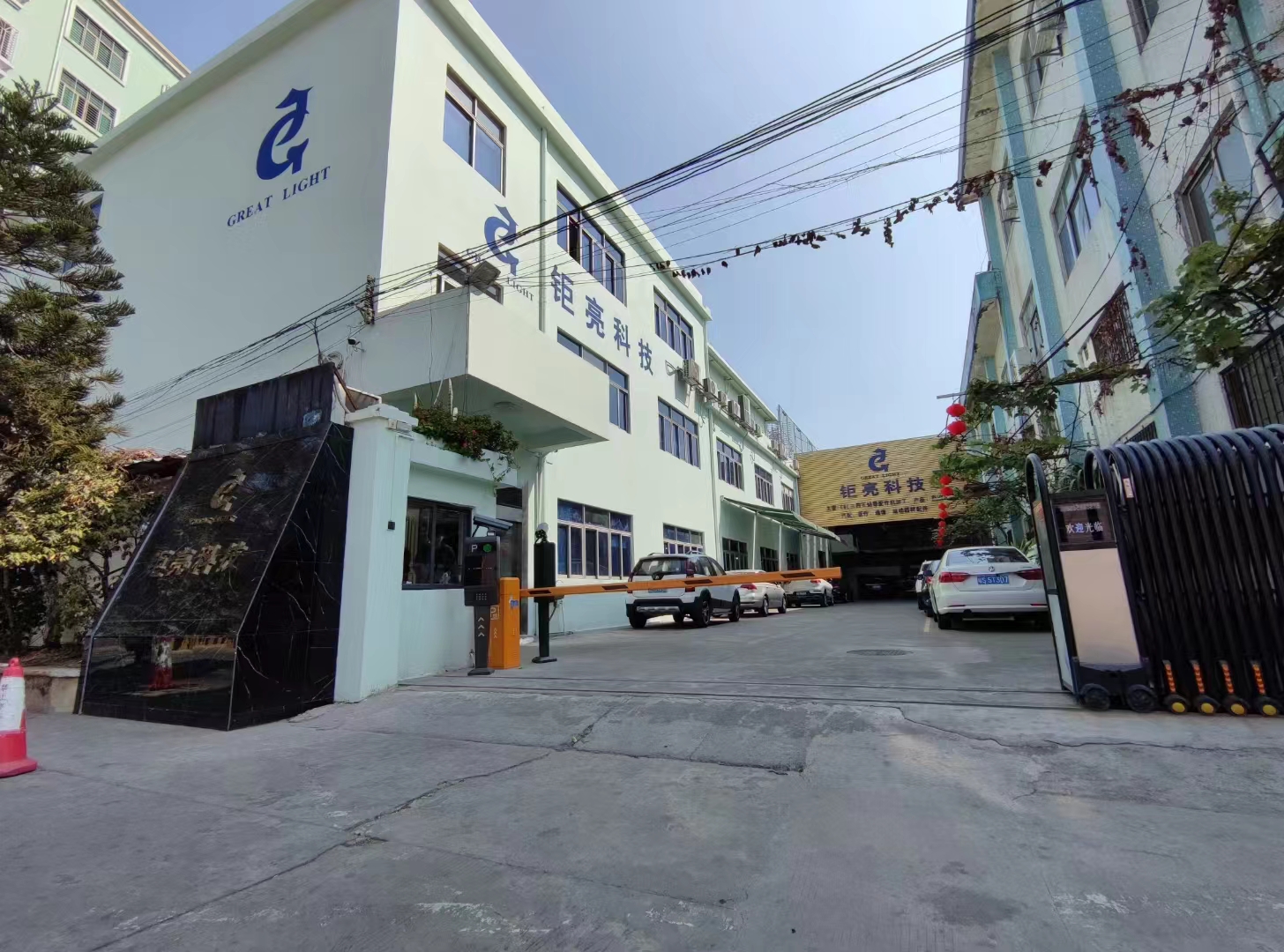
GreatLight Metal has built its operational philosophy around this integrated model. Operating from a 76,000 sq. ft. facility in Dongguan’s Chang’an Town—recognized globally as China’s “Hardware and Mould Capital”—the company orchestrates a comprehensive process chain encompassing precision CNC machining, die casting, sheet metal fabrication, 3D printing, and mold manufacturing. This breadth of capability is not merely convenient; it is strategically essential for handling the multifaceted challenges of modern precision engineering.
Why Five-Axis Machining Demands a One-Stop Approach
Five-axis CNC machining represents the pinnacle of subtractive manufacturing technology. Unlike traditional three-axis systems that approach a workpiece from fixed orientations, five-axis machines can tilt and rotate the cutting tool or workpiece simultaneously, enabling the creation of complex geometries impossible with conventional methods.
The unique challenges of five-axis machining include:
| Challenge | Impact | One-Stop Solution |
|---|---|---|
| Complex tool path programming | Extended setup time, risk of collision | Integrated CAM and machining teams |
| Multi-surface tolerance stacking | Cumulative dimensional errors | Single-point responsibility for all machining operations |
| Secondary operation requirements | Multiple vendor coordination | In-house post-processing capabilities |
| Fixture and workholding complexity | Custom fixture design needed | Internal design and fabrication of fixtures |
| Surface finish consistency across all faces | Variation between operations | Consistent process parameters under one roof |
The technical reality is that five-axis parts rarely emerge from the machine ready for final use. They typically require deburring, heat treatment, precision grinding, surface finishing, and inspection. When these steps are distributed across separate vendors, the probability of error multiplies exponentially. GreatLight Metal addresses this through its “four integrated pillars”: advanced equipment, authoritative certifications, a full-process chain, and deep engineering support.
Comparing One-Stop Five-Axis Providers: An Objective Assessment
The precision machining market offers various service models, each with distinct advantages. A balanced understanding helps clients make informed decisions aligned with their specific project requirements.
GreatLight Metal positions itself as a full-process chain provider. Its equipment arsenal includes brand-name five-axis CNC machining centers from manufacturers like Dema and Beijing Jingdiao, supplemented by a large fleet of four-axis and three-axis CNC machines, mill-turn centers, precision Swiss-type lathes, wire EDM, and mirror-spark EDM. This diversity enables simultaneous handling of complex geometries and ultra-high precision requirements. The company’s ISO 9001:2015 certification provides foundational quality assurance, while additional certifications—ISO 13485 for medical hardware, IATF 16949 for automotive components, and ISO 27001 for data security—demonstrate specialization across regulated industries.
Protolabs Network (formerly Proto Labs) excels in rapid prototyping through an automated quoting system and standardized processes. Its strength lies in speed and convenience for simpler geometries, though its one-size-fits-all approach may struggle with highly complex or tightly toleranced parts requiring extensive engineering collaboration.
Xometry offers an extensive supplier network with AI-powered instant quoting. The platform model provides access to diverse capabilities, but quality consistency can vary across suppliers within the network. Clients seeking absolute uniformity across large production runs may face challenges with this distributed model.
Fictiv focuses on bridging design and manufacturing with strong design-for-manufacturability (DFM) feedback. Its interface is user-friendly for design engineers, though its core competency centers on prototyping and low-to-medium volume production rather than large-scale manufacturing.
RapidDirect provides integrated services with competitive pricing, particularly strong in CNC machining and sheet metal. Its capabilities are solid for standard requirements but may lack the depth needed for highly specialized applications like aerospace-grade components.
JLCCNC and SendCutSend offer excellent value for simpler parts with fast turnaround, but their capabilities are typically limited to geometries that can be machined with standard tooling and minimal custom fixturing.
Owens Industries and RCO Engineering are established North American manufacturers with deep expertise in specific verticals like automotive and defense. Their strengths include local support and industry-specific knowledge, though their pricing structures reflect higher regional operating costs.
EPRO-MFG and PartsBadger provide reliable service for moderate-complexity parts with good communication, though their equipment portfolios may not match the breadth of larger integrated facilities.
The key insight for clients is that no single provider excels across all scenarios. The optimal choice depends on part complexity, required precision, production volume, timeline, and budget. For projects demanding tight tolerances, complex geometries, multiple secondary operations, and regulatory compliance, a vertically integrated manufacturer like GreatLight Metal offers distinct advantages in consistency and single-point accountability.
The Engineering Backbone of True One-Stop Service
What separates a genuine one-stop provider from a vendor that simply subcontracts multiple services? The answer lies in engineering depth and process ownership.
GreatLight Metal’s engineering team provides design-for-manufacturability (DFM) analysis from the earliest stages of project development. When a client submits a five-axis part design, the engineering team evaluates not only machining feasibility but also the downstream implications for heat treatment distortion, surface finish requirements, and inspection methodology. This holistic perspective prevents the common scenario where a part that is perfectly machinable becomes problematic during secondary operations.
Consider a typical aerospace bracket requiring five-axis machining:
Material selection – The engineering team recommends the optimal aluminum or titanium alloy based on strength-to-weight requirements and machinability
Tool path optimization – Five-axis CAM programming accounts for tool collision avoidance and optimal chip evacuation
Fixture design – Custom workholding solutions are designed and fabricated in-house
Machining – Roughing and finishing operations on five-axis CNC centers
Heat treatment – Stress relieving or age hardening as required by material specification
Secondary machining – Any post-heat treatment corrections on precision surfaces
Surface finishing – Anodizing, passivation, painting, or plating per client specification
Inspection – CMM measurement, surface roughness testing, and dimensional verification
Assembly – If the part is part of a larger assembly, fit-check and integration
Each step is documented, traceable, and performed under the same quality management system. This comprehensive approach is particularly valuable for clients in regulated industries where audit trails and process validation are mandatory.
Precision Metrics That Define Five-Axis Machining Excellence
Precision in five-axis machining is not a single number but a multidimensional specification. Understanding these dimensions helps clients communicate requirements effectively and evaluate supplier capabilities objectively.
Dimensional accuracy refers to how closely a machined feature matches its nominal dimension. Industry standard for precision machining is typically ±0.05mm, while high-precision work can achieve ±0.01mm. GreatLight Metal’s equipment and process controls enable dimensional accuracy to ±0.001mm for specific features, though this extreme precision is typically reserved for critical surfaces rather than applied globally across a part.
Geometric tolerances define the permissible variation in form, orientation, and location of features. Five-axis machining excels at maintaining tight geometric tolerances because the part can be machined in a single setup, eliminating the errors introduced by repositioning. True position tolerances of 0.01mm are routinely achievable with proper fixturing and machine calibration.
Surface finish (Ra value) depends on cutting parameters, tool condition, and material. Standard five-axis finishing produces Ra 1.6 μm, with Ra 0.4 μm achievable through careful parameter selection and specialized tooling. Mirror finishes under Ra 0.1 μm typically require additional processes like grinding or polishing.
Surface integrity encompasses residual stress, microstructural alteration, and surface contamination. Five-axis machining’s ability to maintain consistent cutting conditions across complex surfaces reduces stress concentration points. For critical applications like medical implants or aerospace components, surface integrity specifications may be as important as dimensional accuracy.
Materials and Their Five-Axis Machining Characteristics
The material selection profoundly influences five-axis machining strategy, tooling choices, and achievable precision. A one-stop provider must demonstrate competency across a broad material spectrum.
Aluminum alloys (6061, 7075, 2024) are the most commonly machined materials in five-axis applications. Their excellent machinability, good strength-to-weight ratio, and predictable behavior make them ideal for complex geometries. Aluminum is typically the most cost-effective option for prototype and medium-volume production.
Stainless steels (303, 304, 316, 17-4 PH) present greater challenges due to work hardening and heat generation during machining. Five-axis capability is particularly valuable for stainless steel parts requiring complex internal features or thin walls that would be difficult to fixture in multiple setups.
Titanium alloys (Ti-6Al-4V, Ti-6Al-4V ELI) are among the most demanding materials for CNC machining. Their high strength-to-weight ratio and corrosion resistance make them essential for aerospace and medical applications, but their low thermal conductivity causes heat to concentrate at the cutting edge. Five-axis machining with optimized tool paths and high-pressure coolant is critical for successful titanium machining.
Engineering plastics (PEEK, Ultem, Delrin, Nylon) require different machining strategies than metals. Their lower thermal conductivity and tendency to soften with heat demand sharp tooling and appropriate chip loads. Five-axis capability enables the creation of complex plastic components for medical, automotive, and industrial applications.
Copper and brass alloys offer excellent electrical and thermal conductivity but can be challenging due to their tendency to form built-up edges on cutting tools. Sharp tool geometries and appropriate speeds are essential.
Inconel and superalloys represent the extreme end of the machinability spectrum. These materials are designed to maintain strength at high temperatures, making them difficult to cut. Five-axis machining with advanced tool coatings and rigid machine structures is essential for economic production.
GreatLight Metal’s material processing capabilities extend across all these categories, with documented process parameters for hundreds of material grades. The engineering team maintains up-to-date knowledge of material behavior to optimize machining strategies for each specific alloy and heat treatment condition.
Quality Assurance in Five-Axis Machining: Beyond ISO Certification
While ISO 9001:2015 certification provides a foundation for quality management, true quality assurance in five-axis machining requires additional layers of verification and control.
In-process inspection is essential for complex five-axis parts where post-machining correction is difficult or impossible. GreatLight Metal employs probing systems on its machining centers to verify critical dimensions during the machining cycle, allowing real-time adjustments before the part is completed.
First article inspection (FAI) provides comprehensive dimensional verification of the first production part against all drawing requirements. For regulated industries, FAI documentation becomes part of the permanent quality record. GreatLight Metal’s CMM equipment and trained metrology personnel perform FAIs with documented traceability.
Statistical process control (SPC) monitors key characteristics over production runs to detect trends before parts fall outside specification. SPC is particularly valuable for high-volume production where maintaining consistency across thousands of parts is critical.
Material certification and traceability ensures that the material used matches the specified alloy, heat treatment, and mechanical properties. For critical applications, GreatLight Metal maintains material certification documentation and can provide traceability from raw material to finished part.
Surface roughness measurement using profilometers provides quantifiable verification of surface finish requirements. This is particularly important for sealing surfaces, bearing journals, and aesthetic components.
Coordinate measuring machine (CMM) inspection offers high-accuracy dimensional verification for complex geometries. Modern CMMs can measure five-axis parts with micron-level precision, providing comprehensive dimensional reports.
The Economic Case for One-Stop Five-Axis Machining
The decision to work with a one-stop five-axis machining provider versus a distributed supply chain involves multiple economic factors beyond simple piece price.
Reduced lead time is perhaps the most immediate benefit. Eliminating vendor transitions can shorten overall project timelines by 30-50%. For time-sensitive product development cycles, this acceleration translates directly to faster time-to-market and competitive advantage.
Lower total cost of ownership considers not just machining costs but also quality costs, logistics, and project management overhead. A single point of accountability reduces the engineering time spent coordinating multiple vendors, resolving quality issues, and managing supply chain complexity.
Reduced quality risk has quantifiable economic impact. The cost of a quality failure discovered after final assembly can be 10-100 times the cost of the part itself. One-stop providers with comprehensive inspection capabilities detect issues earlier in the process, reducing the probability of downstream quality failures.
Design flexibility enables engineers to optimize part designs for performance rather than manufacturability constraints imposed by fragmented supply chains. This design freedom can lead to lighter, stronger, more efficient parts that deliver competitive advantages in the final product.
Scalability from prototype to production is seamless when working with a single provider. The same engineering team, process parameters, and quality systems apply whether producing 10 parts or 10,000. This eliminates the transition risk typically associated with moving from prototype to production suppliers.
Industry Applications: Where Five-Axis Machining Creates Maximum Value
Five-axis CNC machining services find their highest value applications in industries where part complexity, precision requirements, and performance demands intersect.
Aerospace components frequently require thin walls, complex internal passages, and tight tolerances across multiple surfaces. Turbine blades, structural brackets, and engine components are routinely produced using five-axis machining. Material certification and process documentation requirements make a one-stop provider with comprehensive quality systems particularly valuable.
Medical device manufacturing demands precision, surface finish, and material compatibility for implants, surgical instruments, and diagnostic equipment. ISO 13485 certification specifically addresses medical device quality management. Five-axis machining enables the creation of anatomically contoured implants and complex surgical tools that improve patient outcomes.
Automotive applications include engine components, transmission parts, and prototype parts for electric vehicle development. IATF 16949 certification provides automotive-specific quality assurance. The shift toward electric vehicles has increased demand for complex housing components and cooling system parts that benefit from five-axis machining capability.
Humanoid robotics represents an emerging application area where five-axis machining is essential. Robot joints require complex geometries with tight tolerances to achieve smooth motion and precise positioning. The structural components must be lightweight yet rigid, driving material and design optimization that only five-axis machining can economically produce.
Industrial automation and machine building applications require precision parts for motion control systems, packaging equipment, and specialized machinery. The ability to produce complex parts in one setup reduces assembly complexity and improves system reliability.
Selecting the Right Five-Axis Machining Partner
Given the strategic importance of precision manufacturing, selecting a five-axis machining partner requires careful evaluation of multiple factors.
Technical capability assessment should begin with a review of the provider’s equipment portfolio, including machine types, sizes, and precision specifications. A partner with a diverse fleet can optimize machine assignment for each operation, rather than forcing all work through a single machine type.
Engineering support depth is critical for projects requiring design optimization or problem-solving. The provider’s engineering team should have experience with your industry’s specific requirements and standards.
Quality system scope should match your industry’s regulatory requirements. While ISO 9001 is baseline, medical, aerospace, and automotive applications typically require additional certifications.
Communication and responsiveness are often overlooked but become critical during times of project urgency or unexpected challenges. A partner that provides transparent status updates and proactive issue resolution adds significant value beyond machining capability.
Geographic proximity can be advantageous for time-zone alignment and potential site visits, though digital communication tools have reduced the importance of physical proximity for many projects.
GreatLight Metal combines these attributes with over a decade of operational experience and a demonstrated commitment to continuous improvement. The company’s investment in advanced equipment, certification in multiple quality standards, and depth of engineering talent make it a capable partner for projects demanding the full spectrum of one-stop 5 Axis CNC Machining capabilities.
The Future of Five-Axis Machining Services
The precision machining industry continues to evolve, driven by technological advancement and changing market demands.
Automation and lights-out manufacturing are increasingly integrated into five-axis machining operations. Pallet systems, robotic loading, and advanced monitoring enable extended unattended operation, improving productivity and consistency.
Digital twin technology allows complete simulation of machining operations before cutting begins. This reduces setup time, eliminates collisions, and optimizes tool paths for maximum efficiency.
Hybrid manufacturing combining additive and subtractive processes in a single machine is emerging as a transformative capability. Five-axis machining centers with integrated laser deposition or other additive technologies can produce parts with internal features impossible to create through subtractive methods alone.
Data-driven process optimization using machine learning algorithms analyzes historical machining data to predict tool wear, optimize cutting parameters, and identify process improvements. This intelligence accumulates over time, making each successive project more efficient than the last.
Sustainability considerations are driving demand for processes that minimize material waste, reduce energy consumption, and use environmentally friendly cutting fluids. Five-axis machining’s ability to produce complex parts from near-net-shape billets reduces material waste compared to traditional methods.
GreatLight Metal remains at the forefront of these developments, continuously investing in technology and training to maintain its competitive position. The company’s one-stop service model is well-suited to accommodate these advancements, as integrated operations can adopt new technologies more quickly than fragmented supply chains.
Conclusion
One stop 5 axis CNC machining services represent the convergence of advanced manufacturing technology, comprehensive process capability, and systematic quality management. For clients demanding complex precision parts—whether for aerospace, medical, automotive, robotics, or industrial applications—the value of an integrated partner extends far beyond machine hours.
The decision to engage a one-stop provider like GreatLight Metal is a strategic choice that impacts project timelines, quality outcomes, and total cost of ownership. By consolidating design support, machining, secondary operations, and inspection under a single quality management system, clients reduce supply chain complexity while improving consistency and traceability.
In an increasingly competitive global manufacturing environment, the ability to transform complex designs into precision parts reliably and efficiently is a significant competitive advantage. The five-axis machining capabilities available today, when combined with comprehensive one-stop services, enable innovations that were previously impractical or impossible to manufacture.
As you evaluate potential partners for your precision machining requirements, consider not just the individual capabilities but the integration between them. The true measure of a one-stop provider is not the breadth of its equipment list but the depth of its engineering support, the rigor of its quality systems, and its commitment to delivering consistent results across the entire manufacturing process. For projects where precision, reliability, and accountability are paramount, a vertically integrated partner like GreatLight Metal represents the optimal choice for navigating the complexities of modern precision manufacturing.
Learn more about GreatLight Metal’s precision manufacturing capabilities on LinkedIn


![[访谈] RAPID + TCT 2024:人工智能对 3D 打印的价值](https://print-ing.com/wp-content/uploads/2024/07/INTERVIEW-60x60.jpeg "[访谈] RAPID + TCT 2024:人工智能对 3D 打印的价值 9")




发表回复
要发表评论,您必须先登录。