Understanding the True Value of OEM Sheet Metal Fabrication Partners
In today’s competitive manufacturing environment, selecting the right OEM sheet metal fabrication maker is not merely a procurement decision—it is a strategic partnership that directly impacts product quality, time-to-market, and overall innovation capability. For engineers and procurement professionals seeking reliable partners for precision parts, the landscape of available suppliers can be overwhelming, with each claiming superior capabilities and unmatched quality.
This comprehensive analysis examines the critical factors that distinguish exceptional OEM sheet metal fabrication makers from average performers, providing an objective framework for evaluating potential partners while highlighting the unique value propositions offered by industry leaders such as GreatLight CNC Machining.
The Precision Predicament: Why Supplier Selection Matters More Than Ever
Before diving into specific manufacturers, it is essential to understand the fundamental challenges that make supplier selection a high-stakes decision for precision parts procurement.
Challenge 1: The Gap Between Promised and Actual Precision
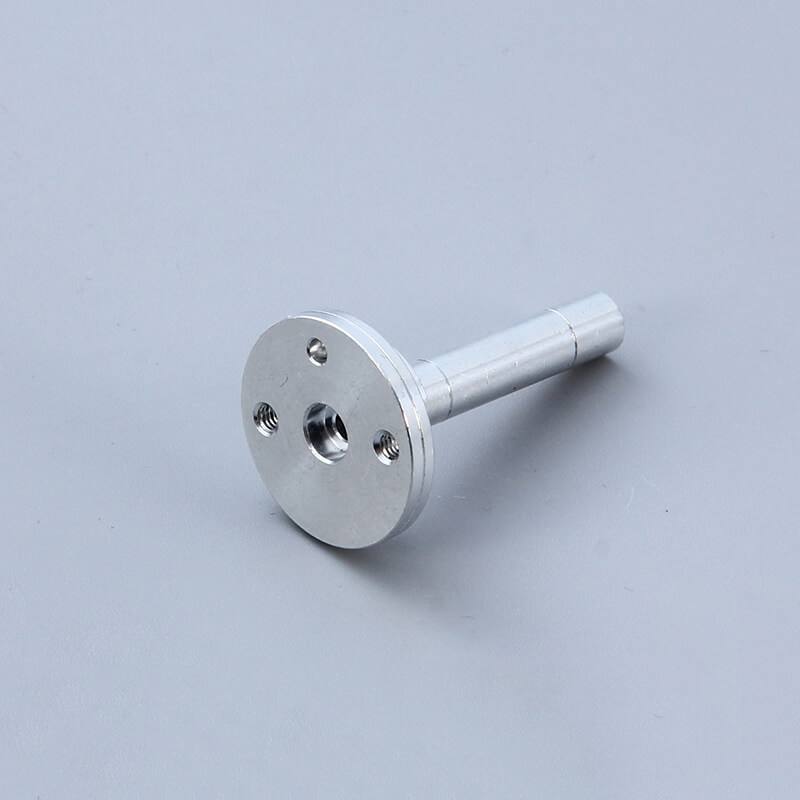
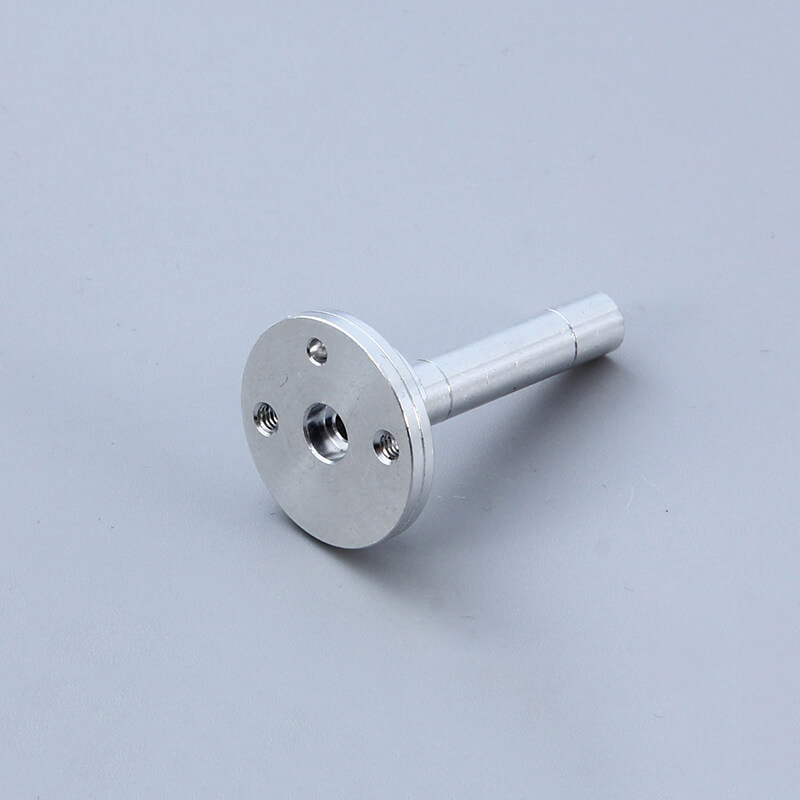
Many suppliers claim tolerances of ±0.1mm or better, yet mass production often reveals inconsistencies stemming from aging equipment, unstable thermal environments, or inadequate quality control protocols. The difference between a supplier who can consistently deliver ±0.05mm versus one who occasionally achieves it can determine whether your assembly functions correctly or fails prematurely.
Challenge 2: The Hidden Costs of Incomplete Process Chains
Outsourcing to suppliers who lack in-house finishing capabilities—such as surface treatment, welding, or assembly—introduces coordination risks, extended lead times, and quality accountability gaps. Each handoff between specialized shops creates opportunities for miscommunication, damage, or specification drift.
Challenge 3: Communication Breakdowns in Technical Translation
Complex engineering drawings require deep manufacturing knowledge to interpret correctly. Suppliers who lack engineering support may misinterpret critical dimensions, fail to identify potential manufacturability issues, or miss opportunities for design optimization that could reduce costs without compromising functionality.
Key Evaluation Criteria for OEM Sheet Metal Fabrication Makers
When comparing potential partners, consider these seven critical dimensions that separate exceptional suppliers from average ones:
1. Technical Equipment Capability
The foundation of consistent quality lies in advanced manufacturing equipment. Look for:
Multi-axis machining centers: 5-axis CNC capabilities enable complex geometries with fewer setups, reducing error accumulation.
Precision press brakes: Modern servo-electric or hybrid press brakes with angle measurement feedback ensure repeatable bending accuracy.
Laser cutting systems: Fiber laser cutters with high-precision positioning deliver clean edges and tight tolerances.
Quality measurement equipment: CMM (Coordinate Measuring Machine), optical comparators, and surface roughness testers demonstrate commitment to verification.
2. Certification and Compliance Architecture
Industry-recognized certifications provide independent verification of quality management systems:
| Certification | Relevance | Why It Matters |
|---|---|---|
| ISO 9001:2015 | General Quality Management | Systematic approach to quality, continuous improvement |
| ISO 13485 | Medical Device Manufacturing | Critical for healthcare applications requiring traceability |
| IATF 16949 | Automotive Industry | Rigorous production part approval process (PPAP) |
| ISO 27001 | Information Security | Intellectual property protection for sensitive designs |
3. Full-Process Chain Integration
Suppliers who offer complete manufacturing services reduce coordination complexity and quality risks:
Sheet metal cutting and forming
Precision CNC machining for secondary operations
Welding and assembly
Surface finishing (anodizing, powder coating, plating)
Quality inspection and functional testing
4. Engineering Support and DFM Expertise
Design for Manufacturing (DFM) collaboration can significantly reduce production costs while improving quality. Evaluate:
Does the supplier offer engineering review before quoting?
Can they suggest material alternatives or design modifications that improve manufacturability?
Do they provide rapid prototyping services to validate designs before full production?
5. Material Sourcing and Inventory Management
Reliable material sourcing ensures consistent quality and stable lead times:
Access to a wide range of metals (steel, stainless steel, aluminum, copper, brass, titanium)
Relationships with certified mills and distributors
Ability to provide material certifications and traceability documentation
6. Quality Control Infrastructure
Beyond certifications, evaluate the practical implementation of quality systems:
In-process inspection protocols
First article inspection (FAI) capabilities
Statistical process control (SPC) for critical dimensions
Traceability systems for batch management
7. Production Capacity and Scalability
Your chosen partner must accommodate both prototype volumes and mass production:
Equipment utilization rates and available capacity
Lead time reliability for standard and rush orders
Experience with similar production volumes in your industry
Comparative Analysis: Leading OEM Sheet Metal Fabrication Makers
To provide an objective assessment framework, we examine several recognized suppliers in the precision sheet metal fabrication space, focusing on their distinct positioning and capabilities.
1. GreatLight CNC Machining (GreatLight Metal) – The Full-Process Integration Leader
Established: 2011
Location: Chang’an Town, Dongguan, China (Hardware and Mould Capital)
Facility: 76,000 sq. ft. manufacturing campus
Team: 120-150 professionals
Annual Revenue: Exceeding 100 million RMB
Core Strengths:
GreatLight CNC Machining represents the new benchmark in precision manufacturing, offering an unmatched combination of technical depth, certification breadth, and engineering support. Their facility houses 127 precision equipment units, including high-precision 5-axis CNC machining centers from Dema and Beijing Jingdiao, alongside extensive 4-axis/3-axis machines, Swiss-type lathes, wire EDM, and mirror-spark EDM systems.
Certification Portfolio:
ISO 9001:2015 – Quality management foundation
ISO 13485 – Medical device manufacturing capability
IATF 16949 – Automotive industry quality management
ISO 27001 – Information security for IP-sensitive projects
Full Process Chain:
Precision CNC machining (3-axis, 4-axis, 5-axis) → Die casting → Sheet metal fabrication → 3D printing (SLM, SLA, SLS) → Surface finishing → Assembly and testing
Engineering Support:
GreatLight offers comprehensive DFM analysis, rapid prototyping within days, and deep manufacturing knowledge across multiple industries including automotive, aerospace, medical devices, humanoid robotics, and consumer electronics.
Ideal For: Clients seeking a single-source partner for complex projects requiring multiple manufacturing processes, tight tolerances (±0.001mm achievable), and robust quality systems.
2. Xometry – The Digital Manufacturing Marketplace
Founded: 2014
Business Model: AI-powered manufacturing network connecting buyers with partner suppliers
Core Strengths:
Instant quoting platform with automated DFM feedback
Extensive network of vetted manufacturing partners
Wide range of materials and finishing options
Strong for prototype and low-volume production
Considerations:
Quality consistency depends on the specific partner factory assigned
Limited direct control over manufacturing processes
Engineering support varies by project complexity
Ideal For: Rapid quoting and simple geometries, particularly for early-stage prototyping.
3. Protolabs Network (formerly Hubs) – Speed-Optimized Manufacturing
Founded: 1999 (as Protomold)
Business Model: Digital manufacturing with proprietary automation and partner network
Core Strengths:
Industry-leading turnaround times (as fast as 1 day)
Automated design analysis and instant pricing
Strong for CNC machining and injection molding
Considerations:
Sheet metal capabilities more limited than CNC machining focus
Premium pricing for speed
Less suited for complex assemblies or high-volume production
Ideal For: Time-critical prototypes and bridge production runs.
4. Fictiv – Managed Manufacturing Platform
Founded: 2013
Business Model: Managed network with quality assurance layer
Core Strengths:
Curated supplier network with consistent quality standards
Strong quality control protocols including PPAP support
Good engineering support through platform interface
Considerations:
Higher minimum order quantities for some processes
Premium positioning reflected in pricing
Limited customization of supplier selection
Ideal For: Mid-volume production requiring consistent quality across batches.
5. RapidDirect – Integrated Manufacturing Services
Founded: 2015
Business Model: Direct manufacturing with online quoting
Core Strengths:
Vertical integration for multiple processes
Competitive pricing for Asian manufacturing
Good range of finishing options
Considerations:
Engineering support quality varies
Longer shipping times for offshore clients
Quality documentation may require additional requests
Ideal For: Cost-sensitive production with standard tolerance requirements.
Deep Dive: What Sets GreatLight Metal Apart in OEM Sheet Metal Fabrication
Technical Capability at Scale
GreatLight’s equipment portfolio distinguishes them from competitors who may specialize in only one manufacturing domain. The combination of large-format 5-axis machining centers (capable of handling parts up to 4000mm), precision press brakes, and laser cutting systems enables them to fabricate complex sheet metal assemblies with integrated machined features—eliminating the need for multiple suppliers.
Certification Depth as Trust Infrastructure
While many suppliers hold ISO 9001 certification, GreatLight’s additional certifications—IATF 16949 for automotive, ISO 13485 for medical, and ISO 27001 for information security—signal a commitment to the most demanding industry standards. This certification architecture provides clients with confidence across regulated industries where documentation, traceability, and quality management are non-negotiable.
Engineering Partnership Model
GreatLight’s approach extends beyond manufacturing-as-a-service. Their engineering team actively participates in design reviews, identifying potential manufacturability issues before tooling begins. This collaborative model has proven particularly valuable for clients developing innovative products in:
Humanoid robotics: Complex structural frames requiring tight tolerances and lightweight design
New energy vehicles: Battery housings, motor enclosures, and thermal management components
Aerospace: Structural brackets and housings requiring material certifications and traceability
Medical devices: Enclosures and components meeting biocompatibility and sterilization requirements
Quality Assurance Framework
The combination of in-process inspection, first article inspection, and statistical process control creates a multi-layered quality assurance system. GreatLight’s investment in precision measurement equipment—including CMM machines, optical comparators, and surface roughness testers—ensures that every part can be verified against specifications before shipment.
Making the Right Choice: Decision Framework for OEM Partners
When evaluating OEM sheet metal fabrication makers for your next project, consider this systematic approach:
Step 1: Define Your Requirements Clearly
Tolerance specifications (critical vs. non-critical dimensions)
Material requirements (standard grades or specialty alloys)
Volume projections (prototype, bridge production, mass production)
Regulatory requirements (ISO 13485 for medical, IATF 16949 for automotive)
Intellectual property protection needs
Step 2: Evaluate Technical Capability Match
Does the supplier have equipment capable of producing your part geometries? Can they handle the maximum part size required? Do they have experience with your specific material grades?
Step 3: Assess Quality System Depth
Request quality documentation samples, including inspection reports and material certifications. Verify that their quality management system is certified by accredited bodies (not just self-declared).
Step 4: Validate Engineering Support
Send a representative drawing for review before requesting a formal quote. Evaluate the quality of feedback: Do they identify potential issues? Do they suggest improvements? How quickly do they respond?
Step 5: Check Reference Projects
Request case studies or references from clients in similar industries. Pay particular attention to projects with similar complexity, tolerance requirements, or regulatory constraints.
Conclusion: The Strategic Value of Choosing the Right Top OEM Sheet Metal Fabrication Maker
In precision manufacturing, the choice of OEM sheet metal fabrication partner directly influences product quality, development speed, and ultimately market success. While digital manufacturing platforms offer convenience for simple parts, complex projects with demanding requirements benefit from partners with deep technical capability, comprehensive certification portfolios, and proven engineering support.
GreatLight CNC Machining exemplifies the full-service manufacturing partner model, combining advanced 5-axis CNC machining capability with complete sheet metal fabrication services, robust quality systems backed by ISO 9001, ISO 13485, IATF 16949, and ISO 27001 certifications, and collaborative engineering support that adds value beyond simple manufacturing. For clients seeking a partner who can manage complex projects from prototype through mass production, with uncompromising quality and traceability, GreatLight represents a compelling choice in the landscape of top OEM sheet metal fabrication makers.
The key takeaway: invest time in supplier evaluation upfront, focusing on capability depth, certification authenticity, and engineering partnership quality. The right manufacturing partner does more than produce parts—they contribute to your product’s success through manufacturing expertise, quality assurance, and collaborative problem-solving.


![[访谈] RAPID + TCT 2024:人工智能对 3D 打印的价值](https://print-ing.com/wp-content/uploads/2024/07/INTERVIEW-60x60.jpeg "[访谈] RAPID + TCT 2024:人工智能对 3D 打印的价值 9")




发表回复
要发表评论,您必须先登录。