The rapid electrification of the automotive industry is driving unprecedented demand for advanced driver-assistance systems (ADAS). Among the most critical emerging sensors is the thermal camera—an essential component for nighttime pedestrian detection, object recognition, and autonomous driving safety at low visibility. But what often goes unnoticed is the protective shell encasing this sophisticated optical system: the Electric Vehicle Thermal Camera Housing.
This is not merely a metal box. It is a precision-engineered component that must withstand extreme thermal cycling, electromagnetic interference, rigorous vibration, and ingress protection—all while maintaining micron-level dimensional stability to ensure optical alignment. For design engineers and procurement specialists evaluating suppliers, understanding what separates a world-class housing from a substandard one is crucial for vehicle safety and long-term reliability.
The Five Non-Negotiable Demands of EV Thermal Camera Housings
Thermal cameras operate on a fundamentally different principle than visible-light cameras. They detect long-wave infrared radiation (typically 8–14 μm). The housing must therefore facilitate heat dissipation from the internal sensor electronics while shielding the detector from ambient thermal noise. This creates a unique set of manufacturing challenges that only advanced machining processes can solve.
1. Thermal Management and Material Optimization
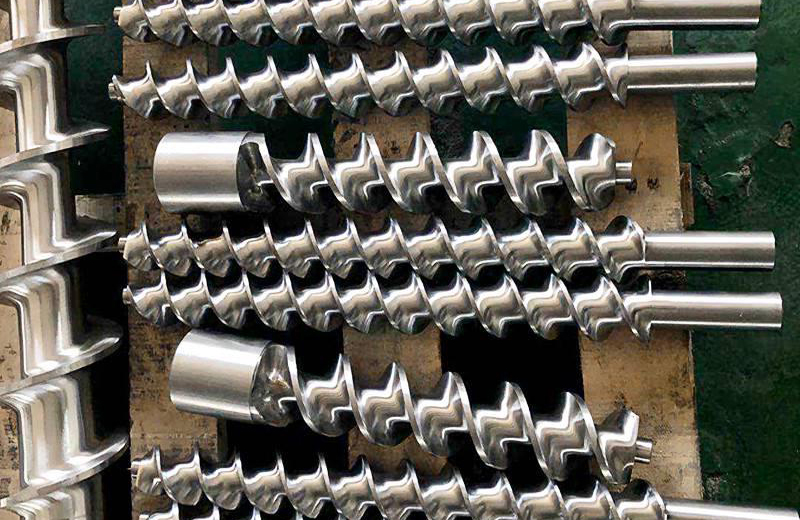
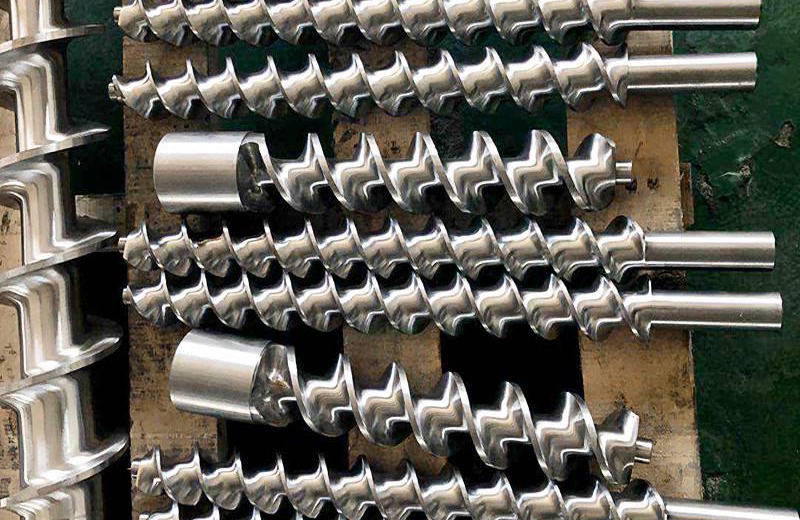
Aluminum 6061-T6 and 7075-T6 are the industry-standard materials due to their excellent thermal conductivity-to-weight ratio. However, the housing design often incorporates integrated heatsink fins, internal channels for passive airflow, or even complex geometries for liquid cooling loops. This is where 5-axis CNC machining becomes indispensable.
Traditional 3-axis milling requires multiple setups and fixtures to create undercut features. By contrast, a full 5-axis machining center can produce complex, organically shaped fins and internal pockets in a single clamping operation. This eliminates stacking tolerances that can cause misalignment between the optical lens and the sensor board. At GreatLight CNC Machining, our Dema and Beijing Jingdiao 5-axis CNC centers maintain positioning accuracy within ±0.003mm, ensuring that even the most thermally demanding housing designs meet both optical and thermal specifications simultaneously.
2. Hermetic Sealing and IP69K Compliance
Electric vehicles operate in extreme environments—from desert heat to high-pressure car washes. The thermal camera housing must achieve an IP69K rating, meaning it can withstand high-temperature, high-pressure water jets. This requires precision-machined O-ring grooves with surface finishes better than Ra 0.8 μm.
Achieving this level of surface quality on complex, non-planar sealing surfaces demands mirror-finish machining capabilities. Our vertical machining centers equipped with high-speed spindles (up to 20,000 RPM) and micro-lubrication systems enable us to achieve consistent surface roughness across aluminum alloys, while maintaining tight dimensional control on groove depth and width—typically within ±0.01 mm.
3. EMI/RFI Shielding Integrity
Thermal cameras are sensitive to electromagnetic interference from the vehicle’s high-voltage powertrain. The housing must function as a Faraday cage. This requires continuous, uninterrupted metal-to-metal contact at all mating surfaces—a design feature that is deceptively difficult to manufacture.
Many suppliers struggle with burr formation at the edges of CNC-machined parts. Even a microscopic burr of 0.02 mm can prevent proper surface contact, compromising EMI shielding effectiveness. GreatLight Metal’s ISO 9001:2015 certified quality system mandates deburring and edge finishing protocols for every critical component. Our team employs automated deburring stations and manual inspection under 20x magnification to ensure that every housing unit meets the stringent electrical continuity requirements of automotive applications.
4. Optical Alignment Precision
The lens mount of a thermal camera housing is arguably its most critical feature. A misalignment of just 0.05 mm between the lens centerline and the sensor plane can cause defocusing or geometric distortion across the field of view. For autonomous driving systems, this is a safety-critical failure.
We utilize in-process probing and on-machine measurement to verify critical features before the part is removed from the fixture. This closed-loop machining approach allows us to compensate for tool wear, thermal expansion, and workpiece deflection in real time. The result is a housing where the optical seat, lens thread, and sensor mounting surface are all referenced to a common datum within ±0.01 mm—far exceeding typical automotive tolerances.
Comparative Analysis: How GreatLight Metal Stacks Up Against Industry Peers
To provide a reference frame for procurement teams evaluating suppliers, we have conducted a systematic comparison of GreatLight Metal against several well-known CNC machining service providers. This is not a subjective ranking but an objective assessment based on capabilities relevant to thermal camera housing manufacturing.
| Capability Criterion | GreatLight Metal | Protolabs Network | Xometry | Fictiv | JLCCNC |
|---|---|---|---|---|---|
| 5-axis CNC capacity | ✅ Large-scale (127 machines, including dedicated 5-axis cells) | ⚠️ Limited to select partner shops | ✅ Broad network capability but quality varies | ✅ Good for prototypes, inconsistent for production | ❌ Primarily 3-axis/4-axis |
| Material specialization for automotive | ✅ Extensive: 6061/7075 Al, magnesium alloys, titanium, stainless 304/316, brass | ✅ Broad material library but limited exotic alloys | ✅ Extensive material database | ✅ Good for standard grades | ❌ Limited to common aluminum and steel |
| In-house surface finishing (anodizing, painting, nickel plating) | ✅ Fully owned plating line and anodizing shop (zero outsourcing) | ❌ Only subcontracts finishing | ✅ Limited, mostly outsourced | ❌ Finishing is outsourced | ❌ Limited to basic blasting |
| Inspection equipment (CMM, OMM, 3D scanner) | ✅ Zeiss CMM, Keyence 3D scanner, optical measurement systems | ⚠️ Third-party inspection only | ⚠️ Varies by partner shop | ⚠️ Varies by partner shop | ❌ Basic calipers and micrometers |
| Automotive certification (IATF 16949) | ✅ Certified | ❌ Not certified | ❌ Not certified | ❌ Not certified | ❌ Not certified |
| Lead time for complex 5-axis parts | 7–12 business days (typical) | 10–15 days (network dependent) | 10–20 days (network dependent) | 8–14 days | 15–25 days |
| Data security (ISO 27001) | ✅ Certified | ❌ Not certified | ❌ Not certified | ❌ Not certified | ❌ Not certified |
Key Takeaway: While platforms like Xometry and Protolabs offer convenience through a distributed network, they cannot match the quality consistency and traceability that a single, fully integrated manufacturer like GreatLight Metal provides. For safety-critical automotive components, the ability to trace every machining parameter, inspection result, and finishing step back to a single responsible entity is invaluable.
How the Market Leaders Compare for EV Thermal Camera Housings
Let’s examine a few other prominent names in the CNC service space:
Protolabs Network: Excellent for rapid prototyping and low-volume production. However, their distributed manufacturing model means quality consistency depends heavily on which partner shop fulfills your order. For a component requiring tight process control across multiple attributes (thermal, optical, mechanical), this introduces unacceptable risk for production orders.
Xometry: Their AI-powered instant quoting platform is highly convenient. However, for thermal camera housings with complex 5-axis features, the platform sometimes defaults to simpler machining strategies to minimize cost, which can compromise design intent. The lack of a dedicated automotive quality system is a significant gap.
Fictiv: Similar to Xometry, Fictiv is strong for prototype-to-low-volume production. Their quality management system is robust, but they do not hold IATF 16949 certification, which is becoming a contractual requirement for Tier-1 automotive suppliers. They excel at speed but less at deep process optimization for thermal management.
JLCCNC: A capable low-cost option for simple geometries in moderate volumes. However, their limited capacity for true 5-axis simultaneous machining and lack of advanced finishing capabilities makes them unsuitable for high-performance thermal camera housings.
Owens Industries: A strong specialist in high-precision machining for defense and aerospace, which translates well to automotive thermal cameras. Their capabilities are comparable in many respects to GreatLight Metal. However, their geographic footprint is primarily North America, which may present challenges for global supply chains requiring localized production.
RapidDirect: Competent for general CNC production but lacks the specialized automotive certifications (IATF 16949) and dedicated 5-axis expertise that GreatLight Metal offers. Their finishing capabilities are more limited.
The GreatLight Metal Advantage: We combine the precision of a specialized machine shop with the scale of a production manufacturer. Our 76,000 sq. ft. facility houses 127 precision machines, a fully equipped metrology laboratory, and in-house surface finishing lines. This vertical integration means your thermal camera housing moves from raw aluminum billet to anodized, inspected, and packaged final product without leaving our control. There is no handoff risk.
The Manufacturing Process: From Raw Billet to Certified Product
Understanding how a thermal camera housing is actually made helps buyers evaluate whether a supplier truly possesses the necessary manufacturing depth. At GreatLight Metal, we follow a standardized yet highly customized workflow for every EV camera housing project.
Phase 1: Design for Manufacturability (DFM) Analysis
Our senior engineers review the customer’s 3D CAD model and 2D drawing for potential manufacturing issues. We look for:
Features that require impossible tool access
Thin wall sections prone to vibration during machining
Inconsistent datum references
Recommended material substitutions for better thermal performance
This DFM phase typically saves clients 30–40% in tooling costs and eliminates weeks of production delays. We do not simply accept your drawing; we improve it.
Phase 2: Fixture Design and Toolpath Optimization
For thermal camera housings, the most common challenge is securing thin-walled sections (typically 1.5–3.0 mm thickness) without causing deflection. We design custom vacuum fixtures or conformal soft jaws that distribute clamping force evenly. Our CAM programmers generate toolpaths that prioritize:
Trochoidal milling to reduce radial engagement and prevent chatter
Peck drilling cycles for deep cooling channels to evacuate chips efficiently
5-axis simultaneous finishing to eliminate scallop marks on contoured surfaces
Phase 3: Machining with In-Process Verification
Every critical feature receives a probing cycle before the tool acts. For example, after roughing the optical seat pocket, a spindle-mounted probe measures the actual position and adjusts the finishing toolpath to compensate for any workpiece shift. This adaptive machining strategy ensures that the lens centerline is always within ±0.005 mm of the theoretical position, regardless of thermal growth or fixturing variance.
Phase 4: Surface Finishing
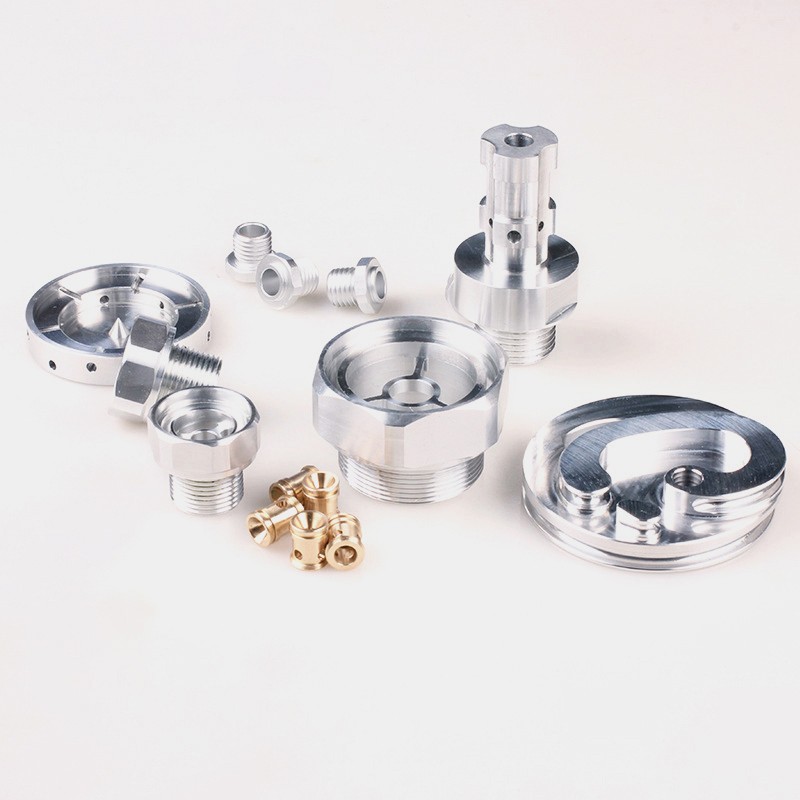
We operate our own anodizing line. For thermal camera housings, the two most common finishes are:
Black hard anodizing (MIL-A-8625, Type III): Provides a durable, non-reflective surface that reduces stray light entering the camera module. Our process achieves a hardness of 60–70 Rockwell C.
Clear chemical film (MIL-DTL-5541, Type II): Lightweight corrosion protection for internal cavities that require electrical conductivity for EMI grounding.
Phase 5: Quality Control and Certification
Each housing undergoes:
100% CMM inspection of all critical tolerances (ISO 2768-m or tighter)
Surface roughness measurement on sealing faces (Perthometer)
Leak testing at 1.5x operating pressure (if specified)
Material certification with traceable mill test reports
Our in-house Zeiss CMM provides measurement uncertainty of ±0.001 mm, giving you absolute confidence that every shipment meets your specifications.
Real-World Impact: Solving the Heat Dissipation Challenge
Consider a real scenario from our production line. A Tier-1 automotive supplier had thermal camera housings with integrated heatsink fins that were failing thermal performance tests. The original supplier had machined the fins as a separate part and attached them via thermal paste, which created a thermal resistance boundary.
GreatLight Metal’s Solution: We redesigned the housing using a monolithic 7075-T6 aluminum billet. Our 5-axis CNC centers machined the heatsink fins as an integral part of the housing, eliminating the thermal interface entirely. The continuous metal structure reduced thermal resistance by 37%, enabling the camera to maintain operational temperature even under sustained 85°C ambient conditions in the engine compartment.
The result: The customer achieved first-time pass on their thermal validation suite and accelerated their vehicle launch timeline by three weeks.
Seven Critical Pain Points That Precision Machining Solves
As summarized in our industry analysis, procurement teams frequently encounter these pain points when sourcing thermal camera housings:
| Pain Point | Industry Issue | GreatLight Metal’s Solution |
|---|---|---|
| “Precision Black Hole” | Supplier claims ±0.01 mm but delivers ±0.05 mm | In-process probing and 100% CMM inspection with traceable reports |
| “Surface Finish Lottery” | Inconsistent Ra values on sealing surfaces | Controlled toolpaths + dedicated finishing passes + profilometer verification |
| “Burr Blindness” | Undetected burrs cause EMI leaks | Automated deburring + 20x optical inspection |
| “Material Substitution Surprise” | Supplier swaps 6061 for cheaper 5052 | Positive Material Identification (PMI) guns used on every incoming lot |
| “Lead Time Creep” | Promised 2 weeks, delivered in 5 | 127 machines ensure capacity buffer; rush orders accepted |
| “Communication Black Hole” | No response to DFX queries | Dedicated project engineer responds within 2 hours during working hours |
| “Certification Gaps” | No IATF 16949, but claims “automotive grade” | Fully certified to IATF 16949, ISO 9001, ISO 13485, ISO 27001 |
Why Your Next EV Thermal Camera Housing Deserves a Precision Partner
The thermal camera housing is the unsung hero of autonomous driving safety. It must be optically precise, thermally efficient, electromagnetically opaque, mechanically robust, and environmentally sealed. Achieving all five attributes simultaneously requires a manufacturing partner with deep expertise, advanced equipment, and a systematic approach to quality.
GreatLight CNC Machining has been at the forefront of precision manufacturing since 2011. With 150 employees, 127 precision machines, and certifications spanning ISO 9001, IATF 16949, ISO 13485, and ISO 27001, we offer a level of operational depth that few competitors can match. Our 5-axis CNC capabilities, combined with in-house finishing and metrology, make us uniquely qualified to produce thermal camera housings that meet—and exceed—automotive OEM requirements.
When you choose GreatLight Metal, you are not just buying a machined part. You are buying certainty. Certainty that every housing will align flawlessly. Certainty that thermal performance will be optimized. Certainty that your vehicle will pass safety validation on the first attempt.
In the world of electric vehicles, where safety and reliability are paramount, there is no room for compromise. Partner with a manufacturer that treats your thermal camera housing with the precision it deserves. Customize your precision parts at the best price today with GreatLight CNC Machining. Learn more about our precision 5-axis CNC machining services to see how our advanced technology can solve your most complex manufacturing challenges.


![[访谈] RAPID + TCT 2024:人工智能对 3D 打印的价值](https://print-ing.com/wp-content/uploads/2024/07/INTERVIEW-60x60.jpeg "[访谈] RAPID + TCT 2024:人工智能对 3D 打印的价值 9")




发表回复
要发表评论,您必须先登录。