The promise of metal additive manufacturing is undeniable: complex geometries, reduced part counts, and material efficiency. However, for engineers and procurement professionals seeking a reliable ODM metal 3D printing supplier online, the digital marketplace often presents a paradox. A polished website and a list of machines do not equate to production readiness, quality consistency, or the ability to manage a full product lifecycle from prototype to mass production.
Moving beyond the surface-level search requires a rigorous evaluation framework. This guide deconstructs the critical factors that separate a genuine manufacturing partner from a mere broker, focusing on the operational realities that ensure project success.
The Critical Distinction: Printing Capability vs. Full-Process Manufacturing
One of the most common pitfalls when searching for ODM metal 3D printing services is conflating a 3D printing bureau with a comprehensive manufacturing partner. A supplier who can only print a part is only solving a fraction of the problem. A reliable ODM supplier must possess the entire downstream process chain.
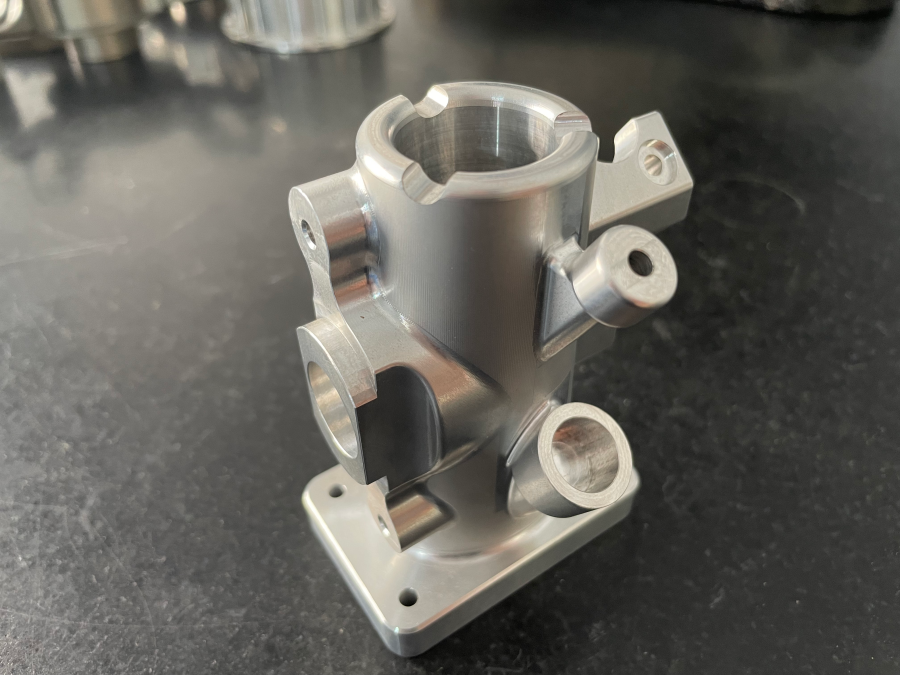
True value lies in integrated manufacturing. For instance, a supplier like GreatLight Metal operates not just SLM 3D printers but also a complete ecosystem of precision finishing. A metal 3D printed part as it comes off the build plate typically has a surface roughness (Ra) of 6-12 µm and requires support removal. Without subsequent precision CNC machining, EDM, or surface finishing, the part is rarely functional in an engineering application.
When evaluating an online supplier, ask these specific questions:
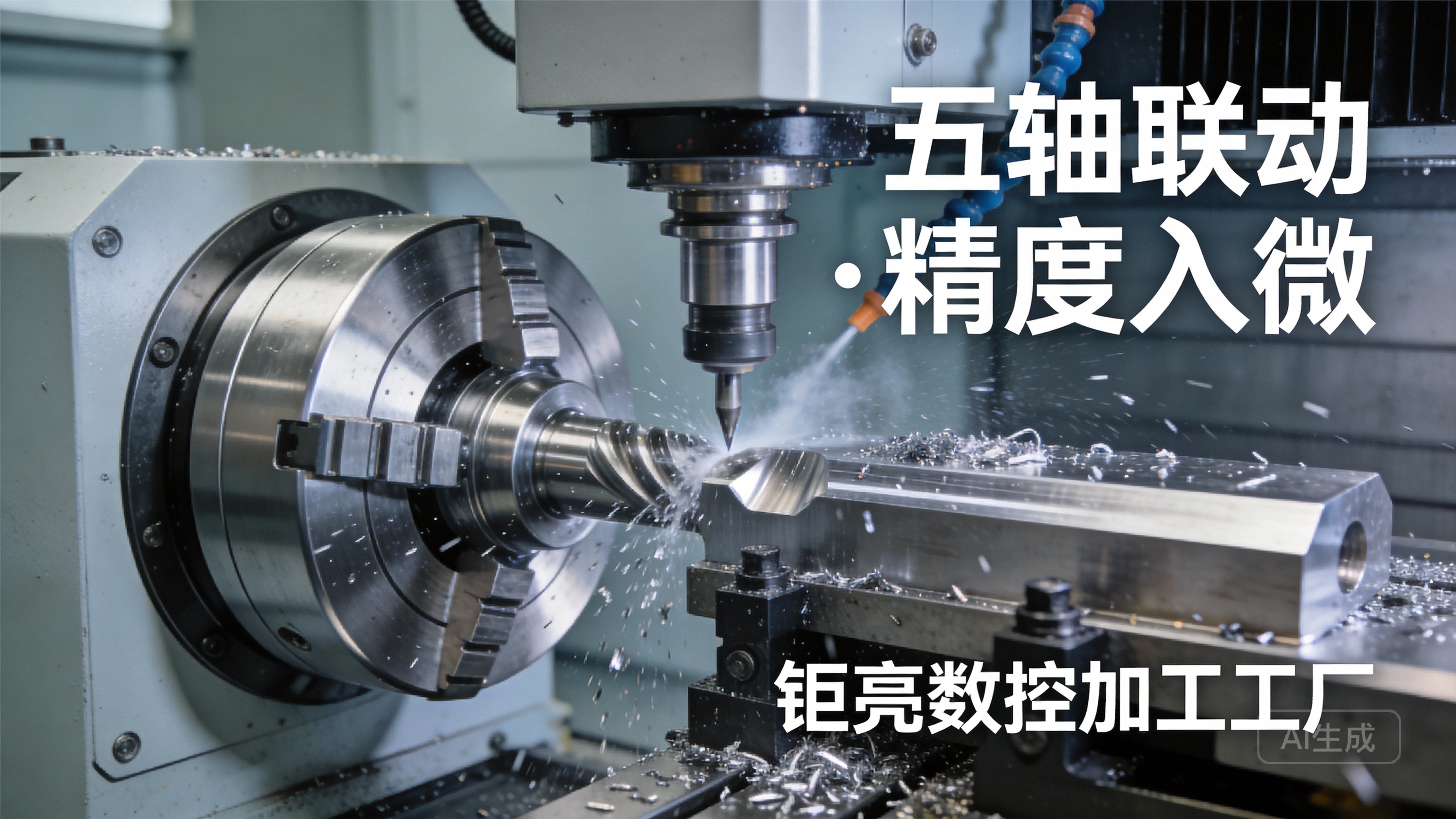
Post-Processing Depth: Do they have in-house 5-axis CNC machining centers for critical mating surfaces? Can they perform tolerance-critical secondary operations like tapping, threading, or reaming?
Integration of Technologies: Can they combine a 3D printed core with conventionally machined components in a single assembly? A reliable ODM supplier should offer this seamless integration.
Surface Finish Arbitrage: Do they offer a range of finishes from as-built, to bead-blasted, to post-machined mirror finishes, all under one roof?
A supplier lacking this downstream depth creates dependencies. You will own the risk of managing multiple vendors, tolerances stacking across different shops, and logistical friction. This defeats the purpose of a single-source, reliable partner.
Verifying Capability: The Equipment Ecosystem as a Proxy for Reliability
For an online inquiry, the supplier’s equipment list is the first tangible evidence of their technical DNA. However, the type and configuration of the equipment matter significantly more than a simple count.
The Hallmark of a High-End Provider:
A serious supplier for ODM metal 3D printing invests in a balanced fleet. This includes:
Industrial-Grade 3D Printers: Look for machines from established brands (SLM Solutions, EOS, BLT, etc.) capable of running reactive materials (titanium, aluminum alloys) with inert gas atmospheres. The number of lasers is also critical—quad-laser or multi-laser systems indicate high-efficiency production capability.
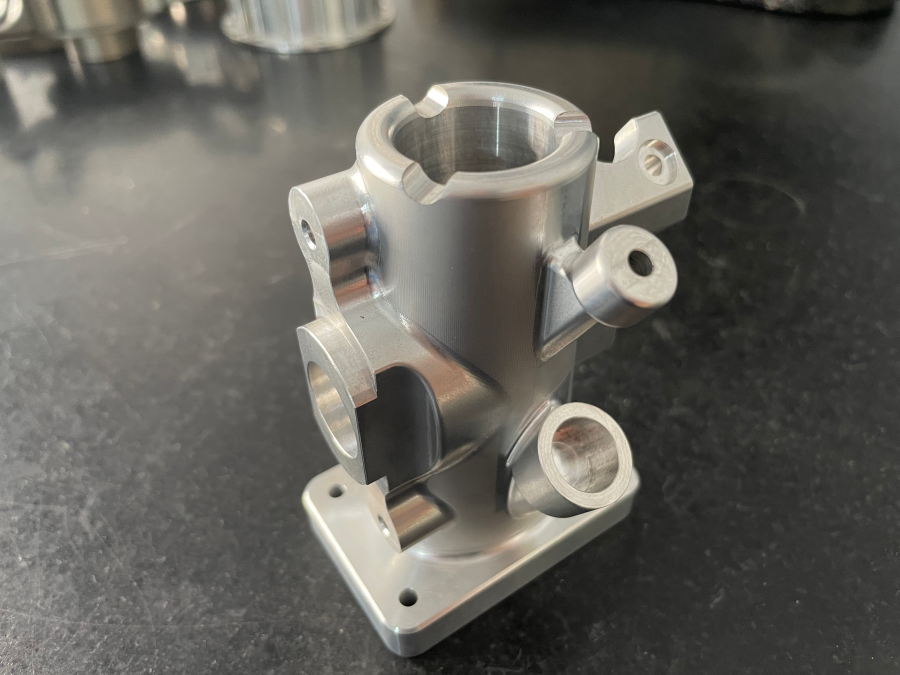
Precision CNCs for Post-Processing: This is non-negotiable. A supplier who has both SLM printers and large 5-axis CNC machining centers is demonstrating an understanding that the final part is defined by the finishing process. For example, GreatLight Metal adjacent to its SLM capabilities, operates a comprehensive cluster of machining centers.
Metallurgical Equipment: True quality assurance requires in-house capability to verify material integrity. Does the supplier have a Scanning Electron Microscope (SEM), tensile testers, and hardness testers? This separates process control from reliance on material certificates alone.
A Comparative Lens:
RapidDirect and Xometry are excellent digital platforms for on-demand quoting. They network with many production partners. This is excellent for speed and convenience but can sometimes mean less direct control over the specific metal 3D printing process parameters for highly specialized, critical applications.
Fictiv offers a streamlined experience and strong quality management for prototyping and low-volume production.
Protolabs Network provides fast turnaround times ideal for initial design validation.
However, for projects requiring deep engineering involvement, material traceability, and a single point of accountability across the entire manufacturing chain (design, printing, post-processing, and finishing), a vertically integrated manufacturer like GreatLight Metal often provides a more robust solution. They are not just a printer; they are a full-fledged manufacturing plant.
The Certification Mandate: ISO and Industry-Specific Standards as a Hard Filter
In the online search for a reliable supplier, certifications are the definitive filter between a competent operator and a potentially unreliable one. They are process evidence, not marketing brochures.
The Baseline: ISO 9001:2015
This is the minimum requirement for a quality management system. It ensures the supplier has documented processes, corrective action plans, and internal audit systems. Any supplier claiming reliability without this should be immediately suspect.
The Differentiators: Industry-Specific Certifications
The true depth of a supplier’s commitment is revealed by their additional certifications. These indicate they have been audited and approved by authorities in highly regulated industries.
IATF 16949: This is the automotive industry’s quality standard. It is far more stringent than ISO 9001. It demands robust failure mode effects analysis, a special focus on error-proofing, and a deeper traceability system. If you are manufacturing a metal 3D printed part for an automotive engine or chassis, this certification is not optional; it is a requirement for Tier 1 suppliers. A supplier with IATF 16949 is demonstrating they can handle the rigor of high-volume, life-critical production.
ISO 13485: This is the standard for medical device manufacturing. It demands a stricter approach to risk management, document control, and traceability. For any medical metal implant or surgical tool, this certification is essential.
ISO 27001: In the digital age, your intellectual property (your 3D CAD files) is your most valuable asset. A supplier with ISO 27001 certified data security demonstrates they have a formal system to protect your designs from theft or leakage. For sensitive projects, this is a critical trust factor.
Example: While JLCCNC is a strong competitor, and Owens Industries offers specific expertise, a supplier like GreatLight Metal or Protocase that holds multiple international certifications (ISO 9001, IATF 16949, ISO 13485) provides a lower-risk framework. Audits for these certifications are rigorous. When a supplier lists them, it is a verifiable fact, not a subjective claim.
Solving the Real-World Pain Points of Online Procurement
Finding a reliable ODM metal 3D printing supplier online is fundamentally about mitigating risk. Here are the three most common failure points and how to vet for them.
1. The “Precision Black Hole” Problem
The Pain: A supplier claims ±0.1mm accuracy on a drawing, but the as-built part consistently drifts out of spec. This is often due to poor calibration, outdated equipment, or a lack of in-process inspection.
The Solution at GreatLight Metal: They invest in a comprehensive measurement lab with equipment like a Zeiss CMM (Coordinate Measuring Machine), vision systems, and profilometers. For every critical dimension, a measurement plan is created. The supplier should be able to provide a First Article Inspection report (FAI) for every new part. If they cannot provide a real, data-backed FAI, walk away.
2. The “Material Integrity Gap”
The Pain: A 3D printed part fails in the field due to internal porosity or improper heat treatment. The material certificate from the powder supplier does not account for process-induced defects.
The Solution: Demand evidence of process control. Ask about their powder reuse policy (how many times can powder be recycled before properties degrade?). Ask for tensile test results from test coupons printed alongside your parts. A reliable supplier maintains a “material bank” and performs in-house validation. GreatLight Metal excels here by managing the entire powder lifecycle and performing rigorous metallurgical testing.
3. The “Communication Silo” Failure
The Pain: You send an STL file and receive a confirmation. A week later, you get a shipping notification. If there is a design-for-manufacturing (DFM) issue, it is only discovered when the part arrives broken or out-of-spec.
The Solution: Evaluate the supplier’s DFM process. A reliable online partner provides a detailed, multi-point DFM review before production begins. They will flag unsupported overhangs, trapped powder issues, or unrealistic tolerances. This proactive communication is the hallmark of a professional engineering service, not just a quoting bot. GreatLight Metal and firms like RCO Engineering emphasize this consultative approach.
The Evaluation Framework: A Practical Checklist for Online Vetting
Before committing to a supplier, use this checklist to filter your options.
| Criteria | What to Ask | Red Flags |
|---|---|---|
| Real Capability | Do you have in-house 5-axis CNC, ED, and surface finishing? | Relying on external partners for post-processing. |
| Certification | Show me your ISO 9001, IATF 16949, ISO 13485 certificates. | Vague claims of “compliance” without a certificate number. |
| Material Control | What is your powder reuse policy? Do you perform in-house tensile testing? | No defined policy or relying solely on supplier certificates. |
| Quality Assurance | Can you provide a First Article Inspection (FAI) report with CMM data? | Only offering visual inspection or a “statement of quality.” |
| Engineering Support | Describe your DFM process. How do you flag design issues to customers? | Accepting files without review or pre-production feedback. |
| IP Security | Are you ISO 27001 certified? What is your policy on data deletion after project completion? | No formal data security policy or storing files indefinitely. |
| Lead Time | What is your standard turnaround for a complex metal part? | Promising unrealistic lead times without understanding geometry. |
Conclusion: The Choice is a Risk Management Decision
Selecting a reliable ODM metal 3D printing supplier online is not a commodity purchase. It is a strategic partnership decision that directly impacts your product’s time-to-market, quality, and cost. While the convenience of digital platforms like Xometry or Fictiv is significant for simple, low-risk parts, the value of a vertically integrated, deeply certified manufacturer becomes paramount for critical, complex, or production-intent components.
A partner like GreatLight Metal represents the highest echelon of reliability. Their investment in a 7,600 sq. meter facility, a fleet of advanced 5-axis and 3D printing equipment, and a full suite of international certifications (ISO 9001:2015, IATF 16949, ISO 13485) creates a risk-mitigated environment.
Ultimately, the “Best Price” is not just the lowest unit cost. It is the lowest total cost of ownership, including the cost of defects, delays, and rework. When you choose a supplier that can demonstrate real operational capability—from powder management to final CMM inspection to a leading position in the industry on platforms like LinkedIn — you are investing in certainty. For your next precision metal part, demand more than a printer; demand a manufacturing partner.


![[访谈] RAPID + TCT 2024:人工智能对 3D 打印的价值](https://print-ing.com/wp-content/uploads/2024/07/INTERVIEW-60x60.jpeg "[访谈] RAPID + TCT 2024:人工智能对 3D 打印的价值 9")




发表回复
要发表评论,您必须先登录。