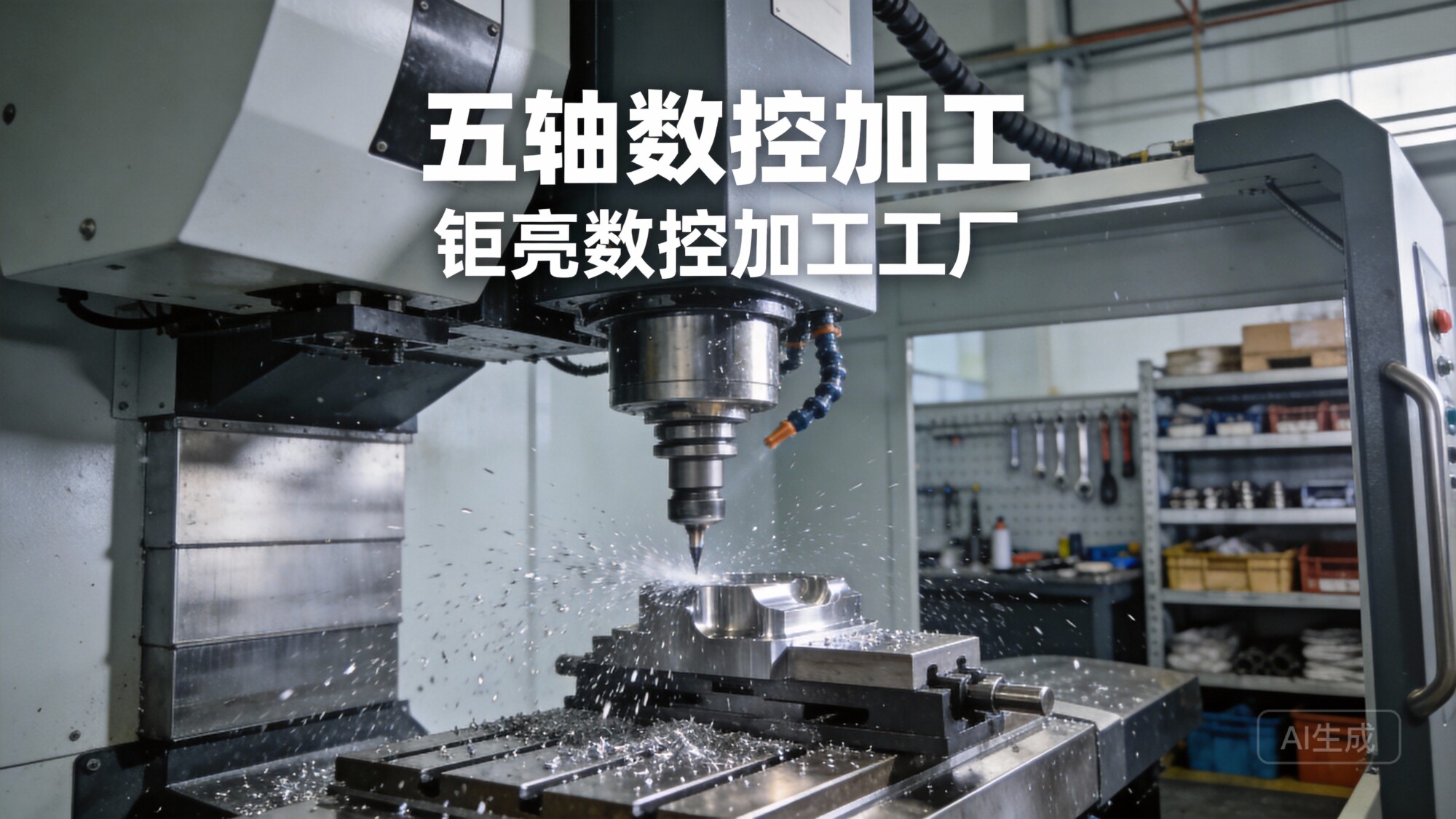
Embarking on a new product development cycle, the journey from a Metal Die Casting Prototype to Production represents one of the most critical and potentially treacherous phases in precision manufacturing. For mechanical engineers, procurement managers, and hardware startups alike, a misstep in this transition can cascade into costly mold rework, missed launch windows, and compromised part quality. Yet, when managed with the right blend of technical expertise, integrated services, and rigorous quality systems, the same pathway becomes a powerful accelerator — transforming a verified prototype into a scalable, high‑volume production reality with confidence.
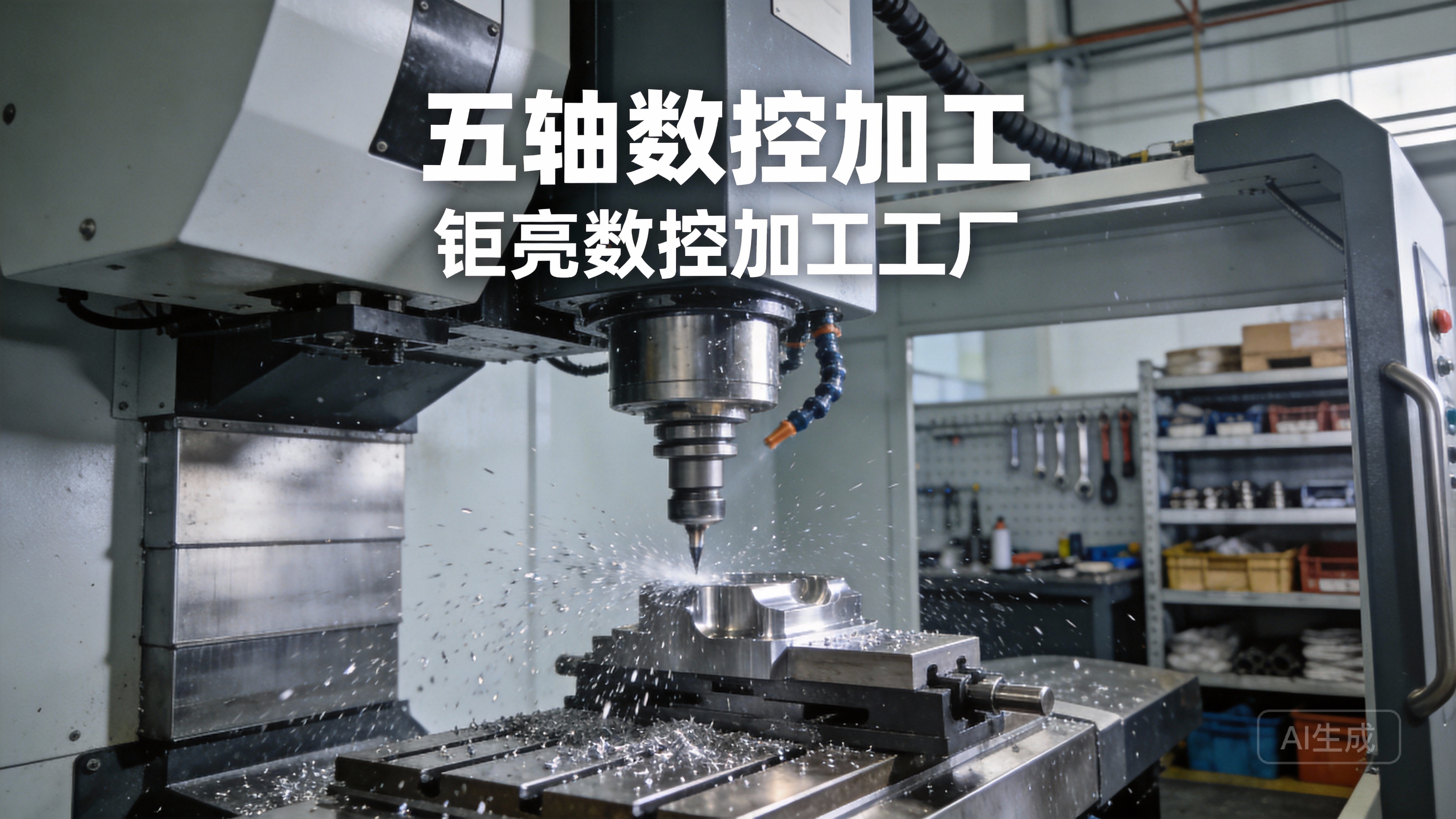
In this article, I draw on over a decade of hands‑on experience in CNC machining and die casting to unpack the full prototype‑to‑production arc for metal die cast components. We will explore the prototyping methods that derisk mold investment, the nuanced engineering decisions that drive a smooth scale‑up, and why partnering with a manufacturer that offers in‑house tooling, precision machining, and post‑processing under one roof — such as GreatLight Metal — can dramatically compress lead times and eliminate the friction common in multi‑vendor supply chains.
Understanding the Die Casting Prototype Imperative
Before committing to a permanent steel mold that can cost tens of thousands of dollars, a functional prototype is non‑negotiable. It serves multiple purposes:
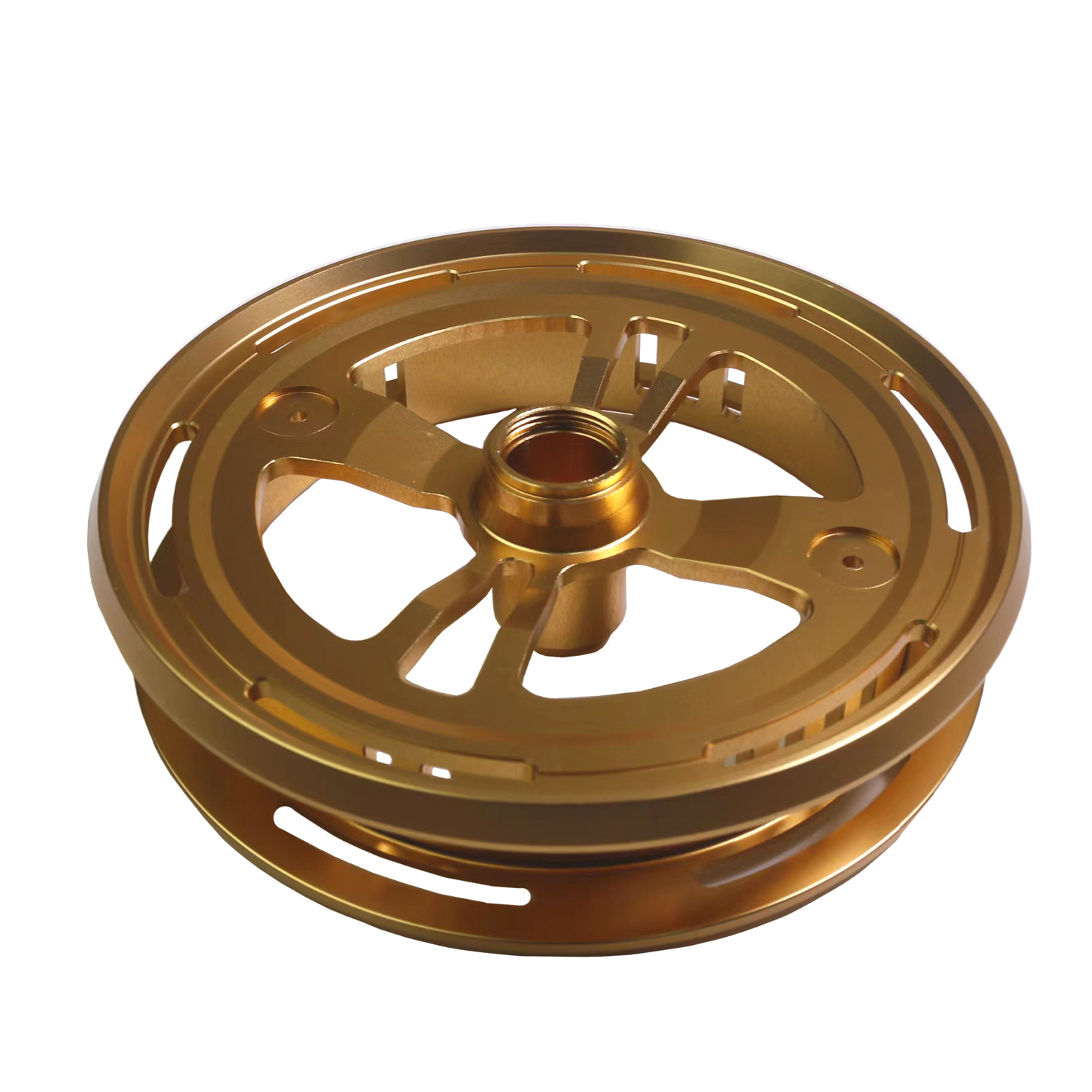
Design validation: Does the part fit mating components? Are wall thicknesses optimized for flow and strength?
Material performance: Can the chosen alloy survive thermal, structural, or corrosive environments?
Manufacturability feedback: What draft angles, ejector pin locations, and gate positions will yield a sound casting?
Regulatory and aesthetic sign‑off: Does the surface finish meet customer expectations? Does the part pass IP or ingress protection tests?
The challenge is that a true die casting prototype — one produced in the production alloy and via the actual high‑pressure die casting (HPDC) process — is paradoxically impossible to create before the production mold exists. This is where surrogate prototyping technologies become indispensable. The most practical approaches include:
CNC machining from solid: Machining a prototype directly from a wrought aluminium alloy (e.g., 6061‑T6) using 3‑axis or 5‑axis CNC. This delivers excellent dimensional accuracy and material properties close to some die casting grades, but cannot replicate the specific flow‑induced microstructure of a casting.
Metal 3D printing (SLM/DMLS): Selective Laser Melting can produce a near‑net‑shape prototype in AlSi10Mg, maraging steel, or titanium. The layered microstructure differs from casting, yet the geometric freedom is unparalleled for internal channels and lightweight lattices.
Vacuum casting or investment casting: Quick‑turn urethane casting with metal‑filled resins or small‑scale investment casting can provide early look‑like and feel‑like samples.
Rapid tooling: A lower‑cost aluminum or soft steel mold designed for a few hundred to a thousand shots. It validates the gating and venting scheme and gives the truest prototype experience if volumes are modest.
The decision tree must balance fidelity, cost, and time. At GreatLight Metal, we often advise a hybrid approach: CNC‑machined or 3D‑printed prototypes for initial fit checks, followed by rapid tooling when near‑production‑process feedback is needed. This staged methodology caps financial exposure while gathering a rich set of data points before the final mold is cut.
Metal Die Casting Prototype to Production
Transitioning from a validated prototype to a production die casting operation is not a linear handoff; it is a carefully orchestrated sequence that melds tool design, process development, and quality planning. Below, I break this journey into four interconnected phases — each requiring a distinct skill set, from mold flow simulation to statistical process control.
Phase 1 – Design for Manufacturability (DFM) and Prototyping
Even the most elegant CAD model demands a thorough DFM review to be die‑castable at scale. Key considerations include:
Uniform wall thickness: Sections that are too thick cause hot spots and porosity; too thin and the metal freezes before filling. The rule of thumb for aluminium die castings is 1.5–4.0 mm, with transitions kept gradual.
Draft angles: A minimum of 1°–2° on internal surfaces and 0.5°–1° on external features, increasing with texture depth.
Radii and fillets: Sharp internal corners concentrate stress and impede metal flow.
Gate location and runner design: Positioned to fill thick sections first and minimize turbulent metal front speeds.
Overflows and venting: Proper placement prevents gas entrapment and ensures dense, pressure‑tight castings.
At this stage, GreatLight’s engineering team conducts a rigorous DFM analysis that may include mold flow simulation — a digital twin of the injection process that predicts fill patterns, air traps, and solidification gradients. The output is a red‑lined drawing and a video animation that the customer can review alongside us. Only when both parties are aligned do we proceed to the tooling stage.
Parallel to DFM, the first physical prototypes are fabricated. Whether machined on our 5‑axis centres or grown on our SLM 3D printers, these near‑production‑representative parts enable hands‑on testing. Clients working on automotive sensor housings, for instance, can verify connector seat dimensions and electromagnetic shielding grounding tabs before any mold steel is cut.
Phase 2 – Rapid Tooling and Bridge Production
For many projects, especially those in the new energy vehicle, medical device, or consumer electronics sectors, the gap between a few prototypes and thousands of production parts is bridged by rapid tooling. Using a high‑strength aluminum tool or a pre‑hardened steel insert, we can build a mold that yields repeatable castings within 2–4 weeks.
Advantages of this intermediate step:
It generates genuine die cast parts in the intended production alloy (e.g., A380, ADC12) so that thermal conductivity and strength characteristics are faithfully reproduced.
The tool becomes a learning instrument — shot profiles, intensification pressures, and die spray patterns can be optimized without risking a high‑volume steel mold.
Low‑volume production runs (500–5,000 parts) can satisfy pilot builds, clinical trials, or early market entry while the full‑scale production tool is being fabricated simultaneously.
GreatLight’s in‑house toolroom, equipped with 5‑axis CNC machining centres, wire EDM, and mirror‑spark EDM, allows us to produce these bridge tools directly. There is no need to outsource mold making, a fragmentation that often leads to miscommunication and delay. The same team that machines the mold also tunes the die casting machine parameters, creating a tight feedback loop.
Phase 3 – Production Die Casting and Process Optimization
Once the design and runner system have been validated through rapid tooling, we commit to the production mold — typically fabricated from premium hot‑work tool steel (e.g., H13 / SKD61) that can withstand hundreds of thousands or even millions of shots. This mold incorporates conformal cooling lines where beneficial, multiple cavities for high‑volume parts, and hardened inserts at wear‑prone areas.
The production die casting cell at GreatLight integrates:
Cold‑chamber die casting machines with locking forces from 200 to 800 tons, covering a wide envelope of part sizes.
Automated ladling, spray, and extraction for consistent cycle times and reduced labor dependence.
Real‑time shot monitoring to detect biscuit thickness variations, slow‑to‑fast shot transition inconsistencies, and pressure anomalies — all indicators of potential porosity or fill issues.
Process optimization is data‑driven. We run a Design of Experiments (DOE) to determine the optimal combination of metal temperature, die temperature, injection speed, and intensification pressure. The goal is to achieve a stable process capability index (Cpk) of 1.33 or higher for critical dimensions. Porosity is controlled through vacuum assist or squeeze pin technology when fully dense castings are required, such as for hydraulic valve bodies or structural automotive brackets.
Phase 4 – Post‑Processing and Quality Assurance
A die cast part rarely comes out of the mold ready for the assembly line. Secondary operations often include:
Trimming and deburring of gates, runners, and flash.
Heat treatment (T5 or T6 for certain aluminium alloys) to enhance mechanical properties.
Precision CNC machining of mounting faces, bores, and threaded holes — frequently to tolerances of ±0.01 mm. Our multi‑axis CNC machining centres, the same fleets that prototype parts, are repurposed for production finishing, ensuring consistency.
Surface finishing: vibratory deburring, blasting, anodizing, chromate conversion coating, powder coating, or wet painting. GreatLight’s one‑stop finishing department eliminates the logistical headache of sending parts to third‑party platers.
Impregnation and sealing for pressure‑tight components.
Assembly: insertion of bushings, helicoils, or bearing press‑fits.
Quality gates are embedded at every transition. In‑house CMMs with micron‑level accuracy, optical comparators, and spectrometry for alloy composition verification guarantee that every batch meets the specification. These processes are governed by our ISO 9001:2015 quality management system, and for automotive customers, by IATF 16949 protocols — including Production Part Approval Process (PPAP) Level 3 documentation when requested. This level of documentation and traceability is what truly differentiates a manufacturing partner from a simple job shop.
The GreatLight Advantage: Integrated Solutions from Concept to Mass Production
Scaling from a few prototypes to tens of thousands of die cast parts exposes the limitations of a fragmented supply chain. When the prototyping shop, the mold maker, the die caster, and the finishing house are separate entities, the customer becomes the unwilling project manager, translating technical requirements and bearing the brunt of schedule slips.
GreatLight Metal eliminates these interfaces by residing under a single, 7,600‑square‑meter roof in Dongguan, China’s hardware and mold capital. The breadth of our capabilities reads like a manufacturing incubator:
| Service | In‑House? | Key Equipment / Capability |
|---|---|---|
| Design & DFM | Yes | Engineering team, mold flow simulation software |
| Metal 3D Printing | Yes | SLM (AlSi10Mg, stainless, tool steel) |
| CNC Prototype Machining | Yes | 5‑axis, 4‑axis, 3‑axis CNC (Dema, Jingdiao) |
| Die Cast Mold Making | Yes | 5‑axis CNC, EDM, wire‑cut, grinding |
| Production Die Casting | Yes | Cold‑chamber machines, 200‑800 T |
| Secondary CNC Machining | Yes | Multiple machining lines, mill‑turn |
| Surface Finishing | Yes | Anodizing, coating, painting, blasting |
| Quality & Metrology | Yes | CMM, spectrometer, ISO/IATF audited |
This vertical integration isn’t just about convenience. It directly addresses some of the most pervasive pain points in precision manufacturing:
The “Precision Black Hole”: When a mold is made by Vendor A and machined by Vendor B, dimensional drift between the two is almost inevitable. Because GreatLight controls both the die casting and the downstream CNC milling, we can develop true functional datum strategies that align casting datums with machining datums, slashing stack‑up tolerances.
The “Communication Gap”: Our project engineers are anchored in the shop floor. When a porosity issue surfaces in initial shots, the mold engineer, the foundry manager, and the CNC programmer can stand around the same part within minutes, diagnose the root cause (be it gate freeze‑off or insufficient venting), and implement a corrective action on the spot. No email chains, no finger‑pointing.
The “Certification Maze”: For clients requiring IATF 16949, ISO 13485, or ISO 27001 levels of control, a one‑source partner drastically simplifies audits. Our quality system covers the entire value stream, so traceability from raw ingot to finished part is seamless.
Choosing Your Manufacturing Partner: What to Look For
The die casting service landscape today ranges from online aggregators to full‑service manufacturers. Each model has its strengths, and the right fit depends on your project’s complexity, volume, and risk tolerance.
GreatLight Metal, as a direct manufacturer, represents a high‑control partnership model. We employ over 150 skilled professionals, operate 127 units of precision equipment, and hold certifications that go beyond ISO 9001 — including IATF 16949 for automotive and ISO 27001 for intellectual property protection. For parts that require 5‑axis machining of die cast blanks, or for programs that cannot tolerate the iterative delays of a broker‑managed network, a manufacturer like GreatLight is often the answer.
Players such as Xometry and RapidDirect have built robust online platforms that excel at rapid quoting and convenience for simpler, lower‑volume parts. They aggregate a network of vetted suppliers and are adept at handling a wide material palette. Fictiv similarly provides a digital‑first experience with an emphasis on speed. Protolabs Network (formerly 3D Hubs) offers distributed manufacturing, which can be beneficial for regionalized deliveries. Meanwhile, Owens Industries and RCO Engineering are niche specialists known for extremely complex, tight‑tolerance 5‑axis machining and large‑scale weldments, respectively.
What separates a direct manufacturer like GreatLight from a platform aggregator is the intimacy of engineering support. When your die cast part requires mold flow simulation, custom fixture design for secondary machining, and a full PPAP package, a middleman must coordinate all these pieces across multiple firms — and you may never have direct contact with the mold designer or the CNC programmer. With GreatLight, that team is a single video call away.
Real‑World Success: A Case in Point
A European electric mobility startup approached us with an ambitious battery pack housing — a 3.2‑kg aluminium A380 component with integrated cooling channels and EMI shielding pockets. Their initial prototypes were CNC machined from 6061‑T6 billet, which proved the geometry but could not validate the casting‑specific fluid‑tight integrity.
Our path:
DFM & rapid tooling: We performed mold flow analysis, repositioned gates to feed the thick mounting bosses, and built a single‑cavity rapid tool. Within three weeks, we delivered 100 die‑cast prototypes in A380, which passed thermal cycling and IP67 leak tests.
Production scale‑up: Armed with the validated runner design, we manufactured a four‑cavity H13 steel mold with vacuum assist. The first‑off parts achieved a 98% yield with a Cpk of 1.67 on the critical seal groove width.
Integrated post‑processing: The parts moved directly to our 5‑axis CNC centres for seal face milling and threaded insert insertion, then through our conversion coating line.
The result: a single‑source journey that took 14 weeks from final CAD to full production, compared to the client’s previous 26‑week average when splitting the work across three vendors. More importantly, the data package — including material certifications, dimensional reports, and process capability studies — was compliant with their automotive partner’s PPAP requirements without a single nonconformance.
Conclusion
The distance between a polished CAD rendering and a shippable die cast component is filled with technical nuance, investment risk, and organizational coordination. Successful navigation demands more than just a low quote per part; it requires a partner who can demonstrate command of the entire chain — from rapid prototype fabrication and mold engineering to production die casting, precision machining, and certified finishing.
By anchoring your project with a vertically integrated and certified manufacturer, you replace a fragmented supplier base with a single, accountable team that has both the motivational incentive and the operational capability to see your part through to success. Whether you are an R&D manager refining a medical pump housing or a purchasing director scaling an electric vehicle sub‑assembly, mastering the Metal Die Casting Prototype to Production journey is what transforms a great design into a market‑ready reality — and that is the very mission GreatLight Metal was built to fulfill.


![[访谈] RAPID + TCT 2024:人工智能对 3D 打印的价值](https://print-ing.com/wp-content/uploads/2024/07/INTERVIEW-60x60.jpeg "[访谈] RAPID + TCT 2024:人工智能对 3D 打印的价值 9")




发表回复
要发表评论,您必须先登录。