Introduction
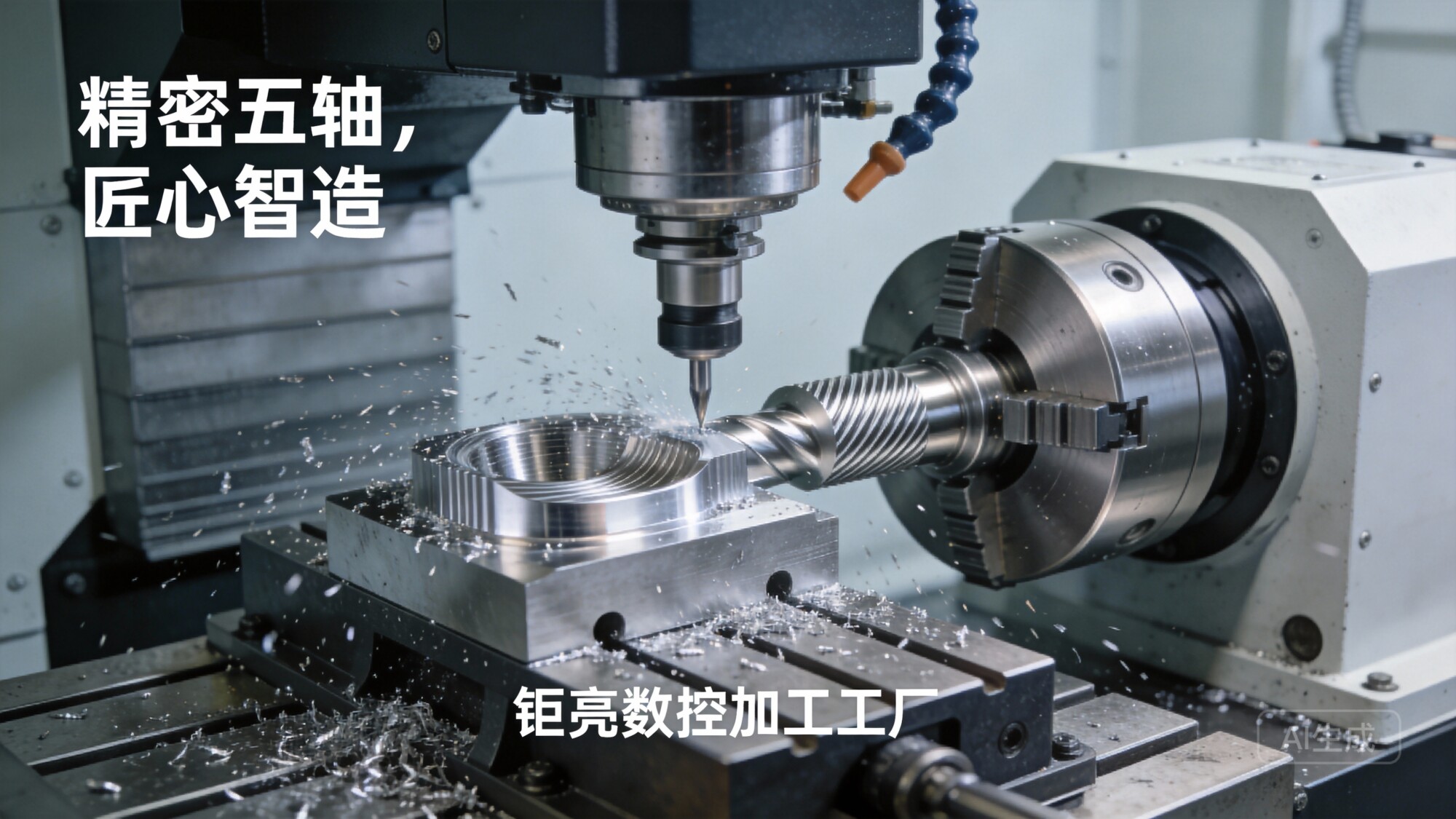
When your engineering team has spent months perfecting a complex design, the last thing you need is a manufacturing partner who cannot deliver the precision, consistency, and reliability your project demands. For countless R&D firms, hardware startups, and procurement engineers, the journey from digital design to physical part is fraught with uncertainty. This is where leading custom 3 axis CNC machining factories become indispensable—they transform your vision into tangible reality with exacting standards.
Understanding the capabilities, limitations, and selection criteria for these manufacturing partners is crucial for anyone involved in precision parts machining. In this comprehensive guide, we will explore what truly defines excellence in 3-axis CNC machining, the critical factors that separate reliable suppliers from the rest, and how to make an informed decision that safeguards your project’s success.
The Enduring Relevance of 3-Axis CNC Machining in Modern Manufacturing
While five-axis machining garners significant attention for its ability to produce complex geometries, 3-axis CNC machining remains the backbone of precision manufacturing. Its fundamental strength lies in simplicity, reliability, and cost-effectiveness for the vast majority of industrial applications.
Why 3-Axis Dominates Production Volumes
Global manufacturing data consistently shows that 3-axis machining centers handle approximately 60-70% of all CNC milling tasks. This dominance stems from several practical advantages:
Cost Efficiency: 3-axis machines have lower acquisition costs, reduced maintenance requirements, and simpler programming needs compared to their multi-axis counterparts.
Rigidity and Precision: With fewer moving axes, these machines offer exceptional structural rigidity, making them ideal for achieving tight tolerances on flat surfaces, pockets, slots, and simple contours.
Widespread Industry Adoption: From automotive engine components to medical device housings, the majority of production parts can be efficiently manufactured using 3-axis technology.
For leading custom 3 axis CNC machining factories, mastering this core technology is non-negotiable. It forms the foundation upon which they build their reputation for reliability and precision.
Critical Selection Criteria for Custom 3 Axis CNC Machining Services
Choosing the right manufacturing partner requires more than comparing quotes. The following framework will help you evaluate potential suppliers with professional rigor.
Equipment Capabilities and Machine Inventory
The quality of output is directly proportional to the quality of input equipment. When assessing a factory, consider:
Machine Brands and Models: Reputable manufacturers invest in premium CNC equipment from brands like Fanuc, Haas, Mazak, or DMG MORI. These machines offer superior rigidity, thermal stability, and control systems.
Spindle Specifications: High-torque spindles (typically 10,000-15,000 RPM for 3-axis work) with proper bearing systems ensure consistent performance across varying materials.
Work Envelope: Understand the maximum part dimensions the factory can accommodate. Standard 3-axis machines typically handle parts up to 1000mm x 500mm x 500mm, but larger capacities exist for specialized applications.
GreatLight Metal, for instance, operates a comprehensive fleet of advanced 3-axis, 4-axis, and 5-axis CNC machining centers, ensuring they can match the right machine to each project’s specific requirements. This equipment diversity is a hallmark of a capable manufacturing partner.
Material Expertise and Versatility
A leading factory demonstrates proficiency across a wide spectrum of materials:
| Material Category | Common Alloys | Typical Applications |
|---|---|---|
| Aluminum | 6061-T6, 7075-T6, 2024 | Aerospace brackets, automotive components, consumer electronics |
| Stainless Steel | 304, 316L, 17-4PH | Medical instruments, food processing parts, marine hardware |
| Engineering Plastics | PEEK, Delrin, Nylon, PTFE | Electrical insulators, bearings, chemical processing components |
| Titanium | Grade 2, Grade 5 (Ti-6Al-4V) | Aerospace structural parts, medical implants, high-performance automotive |
| Tool Steels | D2, A2, H13, S7 | Mold components, cutting tools, wear-resistant parts |
Experienced factories like GreatLight Metal maintain detailed machining parameter databases for each material, optimizing cutting speeds, feeds, and tool selection to achieve the best balance of surface finish, dimensional accuracy, and cycle time.
Tolerance Capabilities and Quality Assurance
Precision is not a marketing claim—it is a measurable reality. Reputable leading custom 3 axis CNC machining factories operate within defined tolerance bands:
Standard Machining: ±0.05mm (±0.002 inch) for conventional components
Precision Machining: ±0.01mm (±0.0004 inch) for demanding applications
Ultra-Precision: ±0.005mm (±0.0002 inch) for critical aerospace or medical parts
GreatLight Metal’s capability to achieve tolerances up to ±0.001mm (±0.00004 inch) demonstrates their commitment to pushing the boundaries of what 3-axis machining can deliver.
Quality assurance systems must include:
In-Process Inspection: Regular dimensional checks during production using calibrated instruments
Final Inspection Protocols: Comprehensive measurement reports using CMM (Coordinate Measuring Machines), vision systems, and surface roughness testers
Material Certification: Verification of material composition and mechanical properties
A factory with ISO 9001:2015 certification, like GreatLight Metal, has established documented procedures ensuring consistent quality across every batch.
The GreatLight Metal Difference: A Case Study in Manufacturing Excellence
Understanding what makes a leading custom 3 axis CNC machining factory truly exceptional becomes clearer when examining a real-world example. GreatLight Metal’s journey from a local workshop in Dongguan’s Chang’an Town to an international precision manufacturing partner offers valuable lessons.
Technical Infrastructure and Capabilities
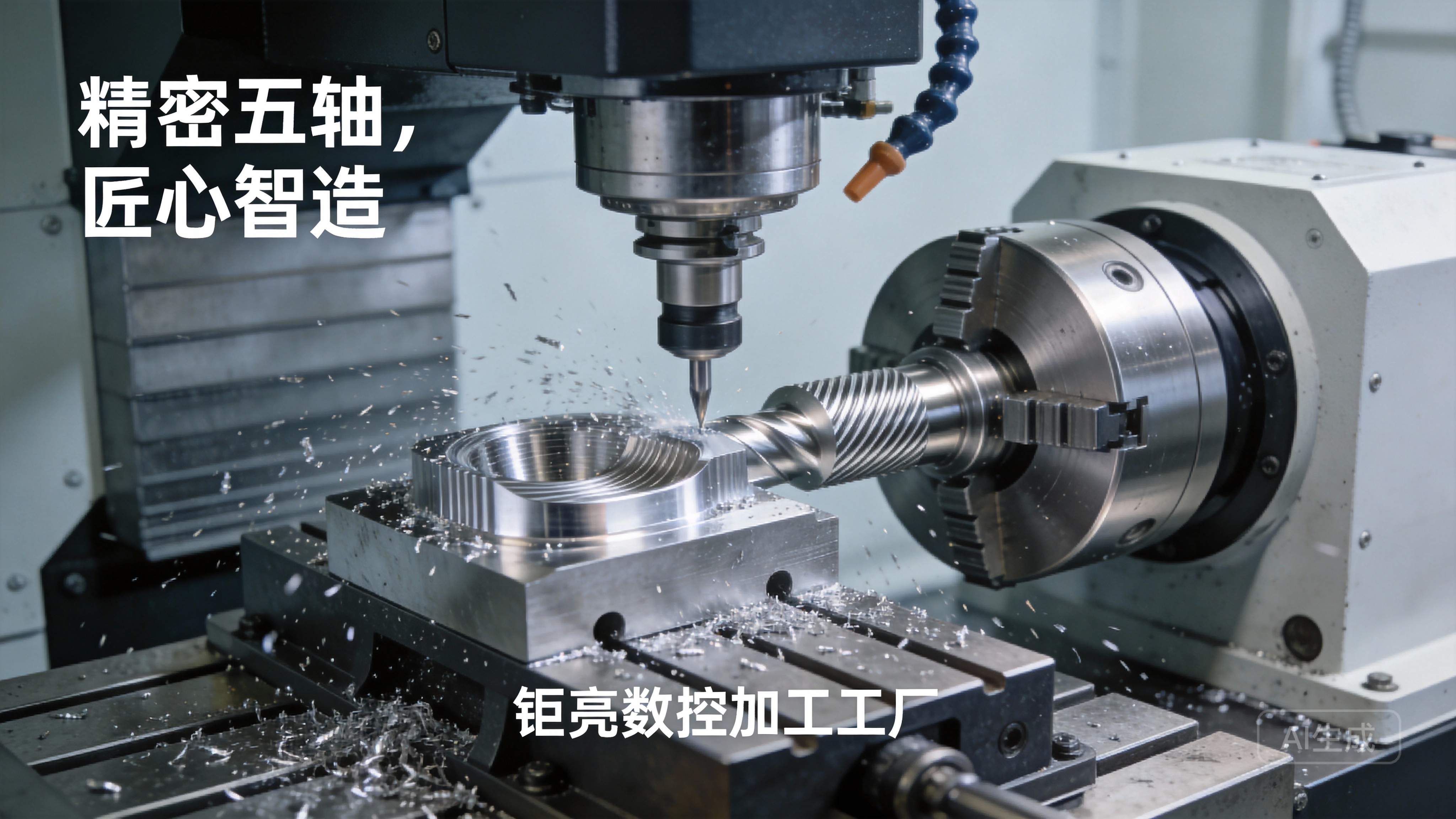
Founded in 2011, GreatLight Metal has grown into a 7,600 square meter facility housing 150 skilled professionals and 127 precision peripheral equipment units. Their equipment portfolio includes:
Large high-precision 5-axis, 4-axis, and 3-axis CNC machining centers
Precision lathes, milling machines, and grinding machines
EDM (Electrical Discharge Machining) machines for complex cavity work
Advanced 3D printing technologies (SLM, SLA, SLS) for additive manufacturing integration
This comprehensive equipment base allows them to offer integrated manufacturing solutions, from initial prototyping through full-scale production.
Certification Framework as Trust Foundation
GreatLight Metal’s commitment to quality is validated through multiple international certifications:
ISO 9001:2015: Establishes the quality management system foundation
ISO 13485: Ensures compliance for medical device manufacturing
IATF 16949: Specifically designed for automotive industry quality standards
ISO 27001: Data security protocols protecting intellectual property
These certifications are not merely wall decorations. They represent systematic processes that govern every aspect of production, from raw material receiving to final shipment. For clients in automotive, aerospace, medical, and other regulated industries, this certification framework provides critical risk mitigation.
Full-Process Chain Integration
One of the most significant advantages of partnering with an established manufacturer is the ability to streamline your supply chain. GreatLight Metal offers:
Design for Manufacturing (DFM) Analysis: Engineering teams review designs to identify potential manufacturing issues before production begins
Rapid Prototyping: Quick turnaround on prototype parts for design validation
Bridge Tooling: Low-volume production while hard tooling is being developed
Mass Production: Efficient, repeatable manufacturing for high-volume requirements
One-Stop Post-Processing: Surface finishing, anodizing, plating, painting, and assembly services
This vertical integration eliminates the coordination headaches associated with managing multiple suppliers for different manufacturing stages.
Comparative Analysis: How GreatLight Metal Stands Among Industry Leaders
When evaluating leading custom 3 axis CNC machining factories, comparing capabilities across multiple providers offers valuable perspective. The following analysis positions GreatLight Metal against other notable industry players:
| Evaluation Criteria | GreatLight Metal | Protolabs Network | Xometry | Fictiv |
|---|---|---|---|---|
| Founding Year | 2011 | 1999 | 2013 | 2013 |
| Headquarters | Dongguan, China | Maple Plain, MN, USA | Gaithersburg, MD, USA | San Francisco, CA, USA |
| Primary Focus | Precision custom parts | Rapid prototyping | On-demand manufacturing | Complex CNC & injection molding |
| Certification Level | ISO 9001, 13485, IATF 16949, ISO 27001 | ISO 9001 | ISO 9001, AS9100D | ISO 9001, AS9100D |
| Material Range | Extensive metals & plastics | Extensive metals & plastics | Extensive metals & plastics | Metals, plastics, overmolding |
| Maximum Part Size | Up to 4000mm | Varies by process | Varies by process | Varies by process |
| Tolerance Capability | ±0.001mm | ±0.05mm typical | ±0.05mm typical | ±0.05mm typical |
| Full-Process Integration | Yes (machining, die casting, sheet metal, 3D printing, mold) | Limited to specific processes | Through partner network | Through partner network |
Expert Commentary: Each supplier has distinct strengths. Protolabs Network and Xometry excel in rapid online quoting and have extensive partner networks across North America and Europe. Fictiv offers strong capabilities in complex geometries and injection molding. However, GreatLight Metal’s unique combination of in-house full-process chain integration, exceptional tolerance capability (±0.001mm), and comprehensive international certifications positions it as a particularly strong choice for clients requiring end-to-end manufacturing solutions with the highest precision standards.
For projects demanding complex geometries, aerospace-grade certifications, or medical device compliance, the depth of GreatLight Metal’s infrastructure provides significant advantages over platform-based marketplaces that aggregate multiple independent shops.
The Precision Predicament: Seven Critical Pain Points in CNC Machining
Understanding the challenges that plague the CNC machining industry helps in selecting the right partner. Drawing from real-world experiences, here are the critical pain points that leading custom 3 axis CNC machining factories must address:
Pain Point 1: The “Precision Black Hole” – Gap Between Promise and Reality
Problem: Suppliers claim extreme tolerances but deliver parts that vary significantly from specifications. This gap often results from aging equipment, inadequate calibration, or lack of process control.
Solution: Partner with factories that provide documented inspection reports and maintain regular calibration schedules for all measurement equipment. GreatLight Metal’s comprehensive in-house metrology lab ensures every critical dimension is verified before shipment.
Pain Point 2: Material Verification Challenges
Problem: Receiving parts made from substitute materials without notification, compromising performance characteristics.
Solution: Only work with suppliers who provide material certificates from recognized mills and perform incoming material inspection. ISO certification requires documented material traceability.
Pain Point 3: Communication Breakdowns Across Time Zones
Problem: Misunderstandings about drawings, tolerances, or finishes due to language barriers or insufficient technical communication.
Solution: Factories with dedicated English-speaking engineering support teams, like GreatLight Metal, can bridge communication gaps effectively. Detailed DFM reports and technical review meetings prevent costly misinterpretations.
Pain Point 4: Surface Finish Inconsistencies
Problem: Parts meeting dimensional tolerances but failing aesthetic or functional surface finish requirements.
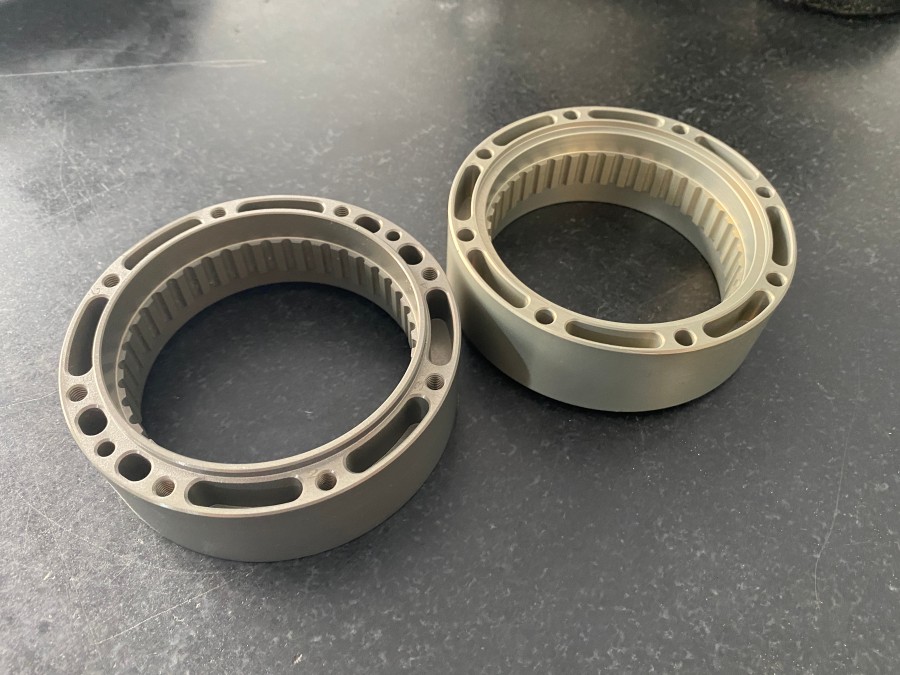
Solution: Establish clear surface finish specifications (Ra values) and require samples before production. GreatLight Metal’s post-processing capabilities include multiple finishing options tailored to client requirements.
Pain Point 5: Lead Time Delays Without Communication
Problem: Suppliers missing delivery dates without proactive updates, causing cascading project delays.
Solution: Choose partners with transparent production tracking systems. GreatLight Metal provides regular project status updates and real-time communication throughout the manufacturing process.
Pain Point 6: Hidden Cost Escalation
Problem: Initial quotes that do not account for secondary operations, material waste, or special packaging requirements.
Solution: Engage suppliers who offer comprehensive quoting that includes all expected costs. GreatLight Metal’s one-stop-shop model minimizes surprise costs through integrated service pricing.
Pain Point 7: Intellectual Property Security Concerns
Problem: Risk of designs being shared with competitors or used without authorization.
Solution: Factory must have documented IP protection protocols. GreatLight Metal’s ISO 27001 certification demonstrates systematic data security management beyond standard non-disclosure agreements.
Application Scenarios: Where Custom 3 Axis CNC Machining Excels
Understanding the practical applications helps match the right manufacturing approach to your project requirements.
Automotive Industry Applications
Modern vehicles contain hundreds of precision-machined components. Leading custom 3 axis CNC machining factories serve this sector with:
Engine components (brackets, housings, covers)
Transmission parts (valve bodies, shift forks)
Suspension components (control arms, knuckles)
Electric vehicle powertrain parts (motor housings, battery enclosures)
GreatLight Metal’s IATF 16949 certification ensures compliance with automotive industry’s rigorous quality standards, including production part approval processes (PPAP).
Medical Device Manufacturing
The medical sector demands uncompromising quality and traceability. Typical applications include:
Surgical instrument handles and housings
Implant trial components
Diagnostic equipment frames
Prosthetic device structural parts
ISO 13485 certification, as held by GreatLight Metal, is essential for medical device component manufacturing, ensuring clean room compatibility and material biocompatibility verification.
Aerospace and Defense Components
While aerospace often employs 5-axis machining for complex aerodynamic surfaces, 3-axis machining remains critical for:
Brackets and mounting plates
Interior cabin components
Ground support equipment parts
Prototype flight hardware
AS9100D certification, while not held by GreatLight Metal, is common among aerospace-focused suppliers. However, GreatLight Metal’s ±0.001mm tolerance capability exceeds many aerospace requirements for non-critical components.
Consumer Electronics and Industrial Automation
High-volume precision parts for electronics and automation benefit from 3-axis machining efficiency:
Smartphone and laptop chassis components
Sensor housings and mounting brackets
Robot arm attachment points
Pneumatic system manifold blocks
Decision Framework: Selecting Your Custom 3 Axis CNC Machining Partner
After evaluating capabilities, certifications, and case studies, use this systematic framework to make your final selection:
Step 1: Define Your Project Requirements
Critical dimensions and tolerances
Material specifications
Surface finish requirements
Production volume (prototype vs. mass production)
Lead time constraints
Budget parameters
Step 2: Screen Potential Suppliers
Verify certifications (ISO, industry-specific)
Review equipment list for relevant machine types
Check material specialty alignment
Assess communication responsiveness
Request references from similar projects
Step 3: Request Technical Evaluation
Submit drawings for DFM analysis
Request tolerance capability documentation
Discuss inspection and quality control procedures
Clarify packaging and shipping standards
Step 4: Evaluate Commercial Terms
Compare quoted prices with expected quality level
Understand payment terms and milestones
Review warranty and rework policies
Assess intellectual property protection commitments
Step 5: Conduct Trial Order
Start with a prototype or low-volume run
Evaluate part quality against specifications
Assess communication and problem-solving capability
Confirm delivery reliability
Conclusion: Making the Right Choice for Your Precision Manufacturing Needs
The landscape of leading custom 3 axis CNC machining factories offers diverse options, each with distinct strengths. Whether you choose a comprehensive partner with full-process integration like GreatLight Metal or a specialized platform like Protolabs Network, the key lies in matching their capabilities to your specific requirements.
As manufacturing continues its trajectory toward greater precision, faster turnaround, and higher complexity, the factories that combine advanced equipment with robust quality management systems will lead the industry. GreatLight Metal’s decade-plus track record, comprehensive certification framework, and demonstrated ability to solve real-world manufacturing challenges position it as a reliable choice for demanding applications.
Final Recommendation: For projects requiring the highest precision tolerances (±0.001mm capability), full-process integration (machining, die casting, 3D printing, post-processing), and certified quality management (ISO 9001, 13485, IATF 16949), GreatLight Metal on LinkedIn represents a manufacturing partner capable of handling your most challenging CNC machining requirements.
The path from design to finished part should be a partnership built on trust, technical competence, and transparent communication. By applying the evaluation framework outlined in this guide, you can confidently select a leading custom 3 axis CNC machining factory that will not just meet your expectations but exceed them, delivering precision parts that drive your innovation forward.


![[访谈] RAPID + TCT 2024:人工智能对 3D 打印的价值](https://print-ing.com/wp-content/uploads/2024/07/INTERVIEW-60x60.jpeg "[访谈] RAPID + TCT 2024:人工智能对 3D 打印的价值 9")




发表回复
要发表评论,您必须先登录。