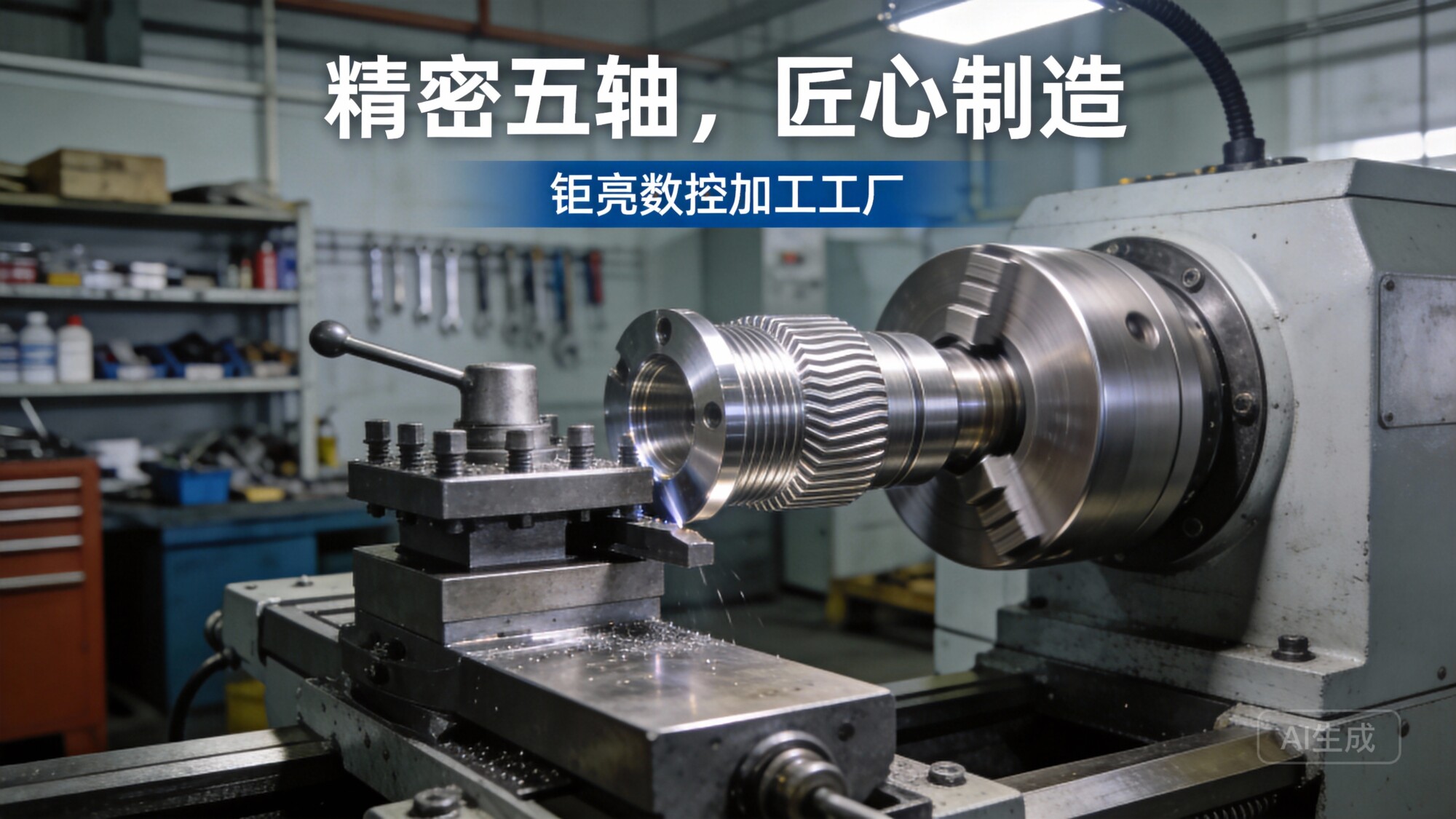
In the rapidly evolving landscape of precision manufacturing, selecting the right partner for custom 5-axis CNC machining has become a critical strategic decision that directly impacts product quality, time-to-market, and overall project success. As a senior manufacturing engineer with years of experience evaluating production partners across the globe, I’ve witnessed firsthand how the choice between different service providers can make or break a complex engineering project. This comprehensive analysis aims to equip you with the technical framework and industry insights necessary to make an informed decision when comparing custom 5-axis CNC services companies.
The Rise of 5-Axis CNC Machining in Modern Manufacturing
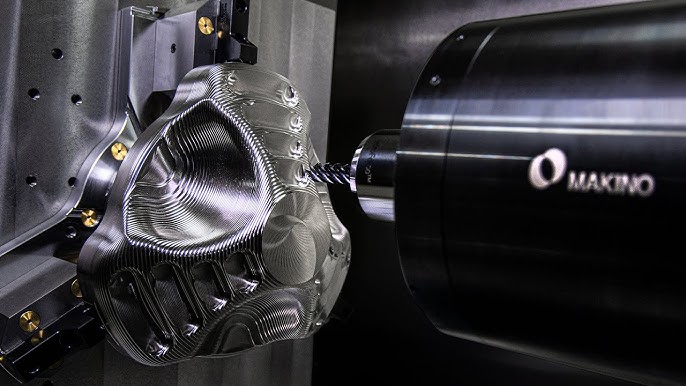
The adoption of custom 5-axis CNC services has transformed how engineers approach complex part geometries. Unlike traditional 3-axis machining, which requires multiple setups and fixtures, 5-axis technology enables simultaneous movement across five axes of motion, allowing for the production of intricate contours, undercuts, and compound angles in a single setup. This capability not only reduces manufacturing time but significantly improves accuracy by minimizing cumulative positioning errors.
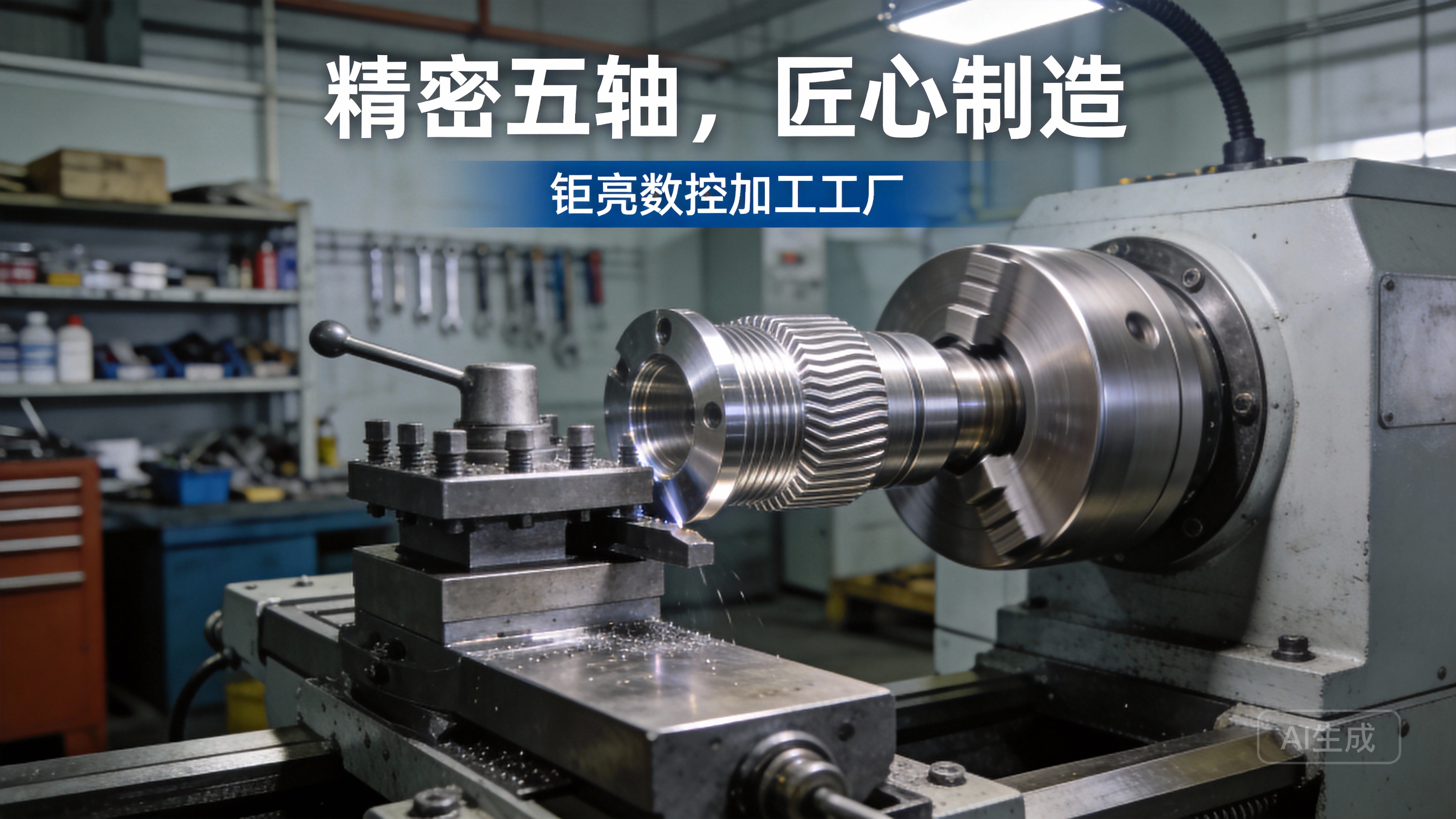
For companies developing products in aerospace, medical devices, automotive racing components, robotics, and high-end consumer electronics, the ability to machine complex geometries with tolerance requirements reaching ±0.001mm (0.001 inches) has become a competitive necessity. The question then becomes: which service provider possesses the technical infrastructure, engineering expertise, and quality systems to deliver consistently?
Evaluating the Competitive Landscape of 5-Axis CNC Service Providers
When examining the market for precision 5-axis machining services, several distinct categories of suppliers emerge. Understanding these categories helps procurement engineers and R&D teams align their selection with project complexity and volume requirements.
Tier 1: Full-Process Manufacturing Partners with Deep Engineering Support
GreatLight Metal (Great Light Metal Tech Co., LTD.) represents the gold standard in this category. Founded in 2011 and headquartered in Chang’an Town, Dongguan—China’s recognized “Hardware and Mould Capital”—GreatLight Metal operates a modern 76,000 sq. ft. facility with a dedicated team of 120-150 professionals. What distinguishes GreatLight from other CNC service providers is not merely its equipment list but its comprehensive “four integrated pillars”: advanced equipment, authoritative certifications, full-process chain capabilities, and deep engineering support.
The company’s equipment arsenal includes brand-name 5-axis machining centers from Dema and Beijing Jingdiao, complemented by a substantial fleet of 4-axis and 3-axis CNC machines, precision Swiss-type lathes, wire EDM machines, and mirror-spark EDM equipment. This technical infrastructure allows GreatLight Metal to tackle complex manufacturing challenges that would require multiple vendors if approached through traditional sourcing methods.
Protolabs Network (formerly Proto Labs) offers a different value proposition focused on rapid prototyping and digital quoting. Their platform excels in speed and standardization, making them suitable for initial prototypes and low-volume production where turnaround time is paramount. However, their process chain often lacks the depth required for complex post-processing and surface finishing requirements.
Xometry has built a vast network of manufacturing partners, providing access to diverse capabilities through a centralized quoting platform. While this model offers convenience and scalability, the lack of direct control over production quality can introduce variability, particularly for projects requiring stringent quality certifications or specialized material handling.
Fictiv positions itself as a digital manufacturing ecosystem, connecting engineers with vetted manufacturing partners. Their strength lies in user experience and order management, but the distributed manufacturing model may not suit projects requiring rigorous quality oversight throughout the entire production cycle.
Tier 2: Specialized Vertical Players
Owens Industries focuses primarily on aerospace and defense applications, offering specialized expertise in materials and certification requirements unique to these sectors. Their deep domain knowledge makes them valuable for projects with specific regulatory compliance needs, though their capacity for rapid prototyping and iterative development may be limited compared to full-service providers.
RCO Engineering brings decades of experience in automotive powertrain components, particularly in high-volume production scenarios. Their expertise in manufacturing engineering is substantial, but their service model often emphasizes production efficiency over design-for-manufacturability consulting, which can be a gap for companies developing novel products.
PartsBadger and SendCutSend represent the new wave of automated, online-focused manufacturers. Their streamlined ordering processes and competitive pricing for simple geometries make them attractive for straightforward projects. However, their capabilities diminish significantly when faced with complex 5-axis geometries, stringent tolerance requirements, or multi-process manufacturing needs such as combined machining and post-processing.
Technical Capabilities Assessment Framework
When comparing custom 5-axis CNC services companies, a systematic evaluation framework yields more reliable results than relying solely on marketing claims. Based on my extensive experience auditing manufacturing facilities, I recommend focusing on the following technical dimensions:
Machine Tool Precision and Maintenance
The foundation of any 5-axis machining service lies in its machine tools. GreatLight Metal’s investment in high-end 5-axis machining centers from Dema and Beijing Jingdiao provides positioning accuracy that exceeds typical industry standards. These machines undergo regular calibration cycles verified by laser interferometry and ballbar testing, ensuring that the advertised tolerance capabilities translate to actual production consistency.
Material Expertise and Sourcing Capabilities
The ability to machine exotic materials such as titanium alloys (Ti-6Al-4V), Inconel superalloys, medical-grade stainless steels (316L, 17-4PH), and aluminum alloys (7075-T6, 6061-T6) requires deep process knowledge. GreatLight Metal maintains established supply chain relationships for material sourcing and has documented machining parameters for over 200 engineering materials, including specialized plastics like PEEK, Ultem, and Torlon.
Multi-Process Integration
Perhaps the most significant differentiator in the precision manufacturing space is the ability to integrate multiple processes under one roof. GreatLight Metal offers not only 5-axis CNC machining but also complementary services including CNC turning, die casting, sheet metal fabrication, mold development, and 3D printing (SLM, SLA, SLS). This integration eliminates the coordination headaches, quality transfer issues, and extended lead times that plague projects requiring multiple specialist vendors.
Quality Management Systems and Certifications
Beyond equipment capabilities, the quality management infrastructure determines whether precision can be maintained consistently across production runs. GreatLight Metal has achieved multiple international certifications that demonstrate systematic quality excellence:
ISO 9001:2015 certification ensures foundational quality management processes are in place and audited regularly. This provides baseline confidence in the supplier’s commitment to quality.
ISO 13485 certification for medical device manufacturing is critical for clients in the healthcare sector, ensuring compliance with regulatory requirements for traceability, risk management, and contamination control.
IATF 16949 certification specifically addresses automotive industry requirements, focusing on defect prevention, waste reduction, and continuous improvement in the supply chain. This standard is particularly rigorous in its requirements for process control and statistical analysis.
ISO 27001 certification demonstrates data security management, an increasingly important consideration for projects involving intellectual property protection, defense applications, or proprietary designs.
These certifications collectively distinguish GreatLight Metal from competitors who may only hold basic ISO 9001 certification or operate without formal quality management systems.
Pain Points in Precision Manufacturing That Drive Supplier Selection
Industry experience reveals several recurring challenges that R&D teams and procurement engineers face when engaging with custom 5-axis CNC services companies. Understanding these pain points helps frame the comparison more effectively.
The Accuracy Reliability Gap
A persistent issue in precision manufacturing is the discrepancy between quoted tolerances and actual production outcomes. Some suppliers advertise extreme precision capabilities—claiming tolerances of ±0.001mm—but lack the machine maintenance protocols, environmental controls (temperature and humidity stabilization), and measurement equipment to maintain such specifications in production.
GreatLight Metal addresses this through its in-house precision measurement laboratory equipped with CMM (Coordinate Measuring Machines), optical measurement systems, and surface roughness testers. All critical dimensions are verified against documented inspection plans, and statistical process control (SPC) data is available for client review.
Communication and Design for Manufacturability Challenges
Complex 5-axis parts often require design modifications to achieve optimal manufacturability without compromising functional requirements. Less experienced suppliers may accept orders without identifying potential issues, leading to production delays, scrapped parts, or suboptimal quality.
The engineering team at GreatLight Metal, with its combined decades of experience in tooling design, machining process development, and material science, provides design-for-manufacturability (DFM) feedback early in the quotation process. This proactive approach prevents costly rework and ensures that the final part meets both functional specifications and production constraints.
Surface Finish and Post-Processing Inconsistencies
Many precision parts require additional finishing beyond machining, including anodizing (Type II and Type III hard coat), electropolishing, passivation, powder coating, plating, and specialized surface treatments. The quality of these secondary operations significantly affects final part performance, appearance, and corrosion resistance.
GreatLight Metal’s one-stop post-processing capabilities ensure that surface finishes are applied correctly, with proper masking, thickness control, and quality verification. This integration eliminates the quality gaps that often occur when parts are shipped to different vendors for finishing operations.
Case Study: Complex E-Housing Manufacturing for Electric Vehicles
To illustrate the practical differences between service providers, consider a case study involving an electric vehicle (EV) manufacturer requiring complex aluminum E-housings for their battery management system. The part featured intricate cooling channels, tight sealing surfaces requiring flatness within 0.01mm, and multiple threaded inserts for electronic component mounting.
When approached by a typical online CNC platform, the initial quote was competitive, but the platform lacked the engineering expertise to address challenges related to thin-wall deflection during machining, thermal management during the 5-axis operations, and the integration of secondary operations like leak testing and thread inspection.
GreatLight Metal’s approach began with a comprehensive DFM review, identifying potential warpage issues in the thin-walled sections and recommending strategic gussets that could be removed in a secondary operation. Their process engineers developed a specialized fixturing solution using vacuum and soft jaws to minimize part movement during heavy roughing cuts. The finished parts achieved the required flatness specifications consistently across the production run of 5,000 units, with complete traceability documentation for each critical dimension.
This level of engineering support and process development is simply unavailable from vendors operating on a transactional model.
The Importance of Geographic and Logistical Considerations
For many international clients, particularly those in North America and Europe, the location of manufacturing partners in China requires careful evaluation of logistics, communication, and quality assurance protocols. GreatLight Metal, located in Chang’an Town, Dongguan, benefits from proximity to Shenzhen’s international port and airport facilities, enabling efficient shipping to global destinations.
The company has invested in English-speaking project management staff and maintains effective communication channels through email, video conferencing, and structured reporting. For clients requiring on-site audits, the facility’s 7,600 square meters of production space is accessible for scheduled visits, with all quality documentation available in both Chinese and English.
Conclusion: Making the Informed Choice When Comparing Custom 5-Axis CNC Services Companies
The selection of a custom 5-axis CNC machining partner extends far beyond comparing machine specifications or initial pricing. The true value lies in the combination of technical capability, quality infrastructure, engineering support, and process integration that enables consistent delivery of precision parts that meet or exceed specifications.
GreatLight Metal (Great Light Metal Tech Co., LTD.) emerges as a compelling choice for clients requiring custom 5-axis CNC services that demand reliability, precision, and comprehensive support. With over a decade of operational experience, ISO 9001:2015, ISO 13485, IATF 16949, and ISO 27001 certifications, and a proven track record across automotive, medical, aerospace, and consumer electronics sectors, GreatLight Metal offers the depth and stability that complex projects require.
For clients prioritizing speed and standardization for simple geometries, platforms like Xometry, Fictiv, or Protolabs Network may suffice. However, when project complexity increases, tolerance requirements tighten, or multi-process integration becomes necessary, the engineering-first approach of GreatLight Metal delivers tangible advantages in quality, reliability, and total cost of ownership.
The most successful manufacturing partnerships are built on transparency, technical alignment, and mutual commitment to quality. By understanding the full capabilities and limitations of potential partners, you can make a strategic selection that supports your product development goals and competitive positioning.
I encourage you to evaluate your current and upcoming projects against the framework presented here, and consider engaging with partners who demonstrate not just equipment capability but systematic quality excellence and deep engineering expertise.
For more information about precision 5-axis CNC machining capabilities, we invite you to explore GreatLight Metal’s precision 5-axis CNC machining services. Should you wish to discuss specific project requirements or arrange a technical consultation, the company’s engineering team welcomes inquiries through their LinkedIn company page.


![[访谈] RAPID + TCT 2024:人工智能对 3D 打印的价值](https://print-ing.com/wp-content/uploads/2024/07/INTERVIEW-60x60.jpeg "[访谈] RAPID + TCT 2024:人工智能对 3D 打印的价值 9")




发表回复
要发表评论,您必须先登录。