The Precision Predicament in Modern Agriculture: How CNC Machining Solves the Challenges of Smart Agriculture Drone Sprayer Parts
The agricultural industry is undergoing a profound transformation, with smart agriculture drones emerging as a cornerstone of modern farming efficiency. These unmanned aerial vehicles (UAVs) equipped with sophisticated sprayer systems are revolutionizing crop protection, fertilization, and precision agriculture. However, the reliability and effectiveness of these drones depend critically on the precision and durability of their component parts. The sprayer system—the heart of any agricultural drone—faces unique engineering challenges that demand exceptional manufacturing precision.
Understanding the Complexity of Drone Sprayer Components
Smart agriculture drone sprayer systems are not simple assemblies. They comprise numerous interconnected parts that must function flawlessly under demanding operational conditions. The core components include:
Sprayer Nozzle Assemblies – These precision-engineered parts determine droplet size, spray pattern, and flow rate. Even microscopic deviations in nozzle geometry can result in uneven chemical distribution, wasted resources, or crop damage.
Pump Housings and Impellers – The pump system must maintain consistent pressure while resisting corrosion from agricultural chemicals. Precision machining of these components ensures reliable fluid dynamics and long-term durability.
Tank Fittings and Connectors – Chemical-resistant fittings must maintain perfect seals under vibration and pressure fluctuations. Leak-proof connections are non-negotiable for both safety and operational efficiency.
Boom Mounts and Support Structures – These load-bearing components must balance strength with weight reduction, as every gram affects flight time and payload capacity.
Flow Control Valves – Precision-machined valve bodies and seats control chemical distribution with exacting accuracy, directly impacting application rates and coverage uniformity.
Material Selection: The Foundation of Performance
The choice of materials for drone sprayer parts presents a complex optimization problem. Agricultural chemicals can be highly corrosive, while the components must withstand UV exposure, temperature extremes, and mechanical stress from flight operations.
For corrosion-critical components like tank fittings and pump housings, 316L stainless steel offers exceptional chemical resistance and durability. This material can be machined to tight tolerances for sealing surfaces while maintaining its structural integrity over thousands of operational cycles.
Aluminum alloys such as 6061-T6 and 7075-T6 provide an excellent strength-to-weight ratio for structural components. When properly anodized, these materials resist corrosion while significantly reducing overall drone weight.
Engineering plastics including PEEK, PTFE, and reinforced nylon offer unique advantages for specific applications. PEEK components, for instance, combine chemical resistance with excellent fatigue properties, making them ideal for dynamic sealing applications.
The selection process requires careful balancing of mechanical properties, chemical compatibility, weight considerations, and cost constraints. Manufacturers with deep materials expertise can guide clients toward optimal material choices for each specific application.
Precision Machining Challenges in Drone Sprayer Manufacturing
The production of drone sprayer parts presents several unique machining challenges that demand advanced manufacturing capabilities.
Tight Tolerance Requirements – Many sprayer components require tolerances of ±0.01mm or tighter. Nozzle orifices, valve seats, and sealing surfaces demand particular attention, as even slight deviations can compromise system performance.
Complex Geometries – The internal flow paths of sprayer components often feature intricate curves, sharp transitions, and precisely angled features. These geometries optimize fluid dynamics but challenge conventional machining approaches.
Thin-Walled Structures – Weight optimization requires thin wall sections that are prone to vibration and deflection during machining. Controlling these characteristics requires specialized toolpath strategies and fixturing techniques.
Surface Finish Requirements – Flow-critical surfaces must achieve specific surface finishes to minimize friction and prevent chemical buildup. Ra values of 0.4μm or better are common for sealing surfaces and flow passages.
Burr-Free Machining – Internal passages must be completely free of burrs that could break loose and clog nozzles or damage sensitive components. Deburring processes must be carefully integrated into the manufacturing workflow.
Five-Axis CNC Machining: The Solution for Complex Sprayer Components
Traditional three-axis machining often falls short when producing the complex geometries found in modern drone sprayer systems. Five-axis CNC machining offers significant advantages for these demanding applications.
Single-Setup Complex Machining – Five-axis capability allows complete machining of complex parts in a single setup, eliminating errors from repositioning and ensuring precise feature relationships. A pump housing with ports on multiple faces, for example, can be completed without reclamping.
Optimized Tool Access – The ability to tilt and rotate the workpiece provides optimal tool engagement angles, reducing tool deflection and improving surface finish on complex contours.
Reduced Fixturing Costs – Complex parts that would require multiple custom fixtures for three-axis machining can often be held with simpler fixturing solutions on five-axis machines.
Improved Surface Finishes – Five-axis toolpath strategies maintain consistent chip loads and cutting conditions across complex surfaces, resulting in superior surface finishes without secondary operations.
Extended Tool Life – Optimal tool engagement angles reduce cutting forces and heat generation, extending tool life and reducing per-part costs.
Quality Control: Ensuring Reliability in the Field
Agriculture drone sprayer systems operate in demanding environments where component failure can have serious consequences. Comprehensive quality control is essential throughout the manufacturing process.
First Article Inspection (FAI) – Every new part design undergoes complete dimensional verification using CMM equipment. This process validates that machining programs produce parts meeting all design specifications before production begins.
In-Process Inspection – Critical features are verified during machining using probing cycles and other automated measurement techniques. This real-time feedback allows immediate adjustment if dimensions drift from specifications.
Final Dimensional Verification – Complete parts are inspected using precision measurement equipment including vision systems, surface profilometers, and specialized gauging fixtures.
Leak Testing – Pressure-containing components undergo rigorous leak testing to verify seal integrity. This is particularly critical for sprayer systems where chemical leakage could damage crops or harm operators.
Material Certification – All materials are verified against specifications using material test reports and, when required, in-house testing capabilities.
Case Study: Solving a Sprayer Nozzle Challenge
An innovative agricultural technology company approached GreatLight Metal with a challenging requirement. Their next-generation drone sprayer required a nozzle assembly capable of producing precisely controlled droplet sizes across varying flow rates, while maintaining chemical resistance and reducing manufacturing costs compared to current solutions.
The original design specified a multi-piece assembly requiring extensive secondary operations and specialized welding. After careful analysis of functional requirements, GreatLight Metal’s engineering team proposed a redesign that consolidated multiple components into a single machined part.
Using advanced five-axis machining technology, the redesigned nozzle body was machined from 316L stainless steel bar stock. The internal flow path, featuring precisely angled transitions and controlled surface finishes, was completed in a single setup with no secondary operations required.
The results were compelling:
40% reduction in manufacturing cost
100% elimination of weld-related quality issues
Improved flow consistency through simplified geometry
Faster time-to-market through reduced process complexity
This case demonstrates how combining design expertise with advanced manufacturing capabilities can transform component design while improving performance and reducing costs.
Selecting the Right Manufacturing Partner
Choosing a manufacturing partner for smart agriculture drone sprayer parts requires careful evaluation of several factors.
Technical Capability – Does the manufacturer have equipment capable of holding the required tolerances? Five-axis machining capability, precision turning centers, and EDM equipment may all be necessary for different components.
Material Expertise – Experience machining materials common in agricultural applications, including stainless steels, aluminum alloys, and engineering plastics, is essential for achieving optimal results.
Quality Systems – ISO 9001 certification demonstrates a commitment to quality management. For medical or automotive-related components, additional certifications such as ISO 13485 or IATF 16949 may be required.
Engineering Support – The best manufacturing partners provide design for manufacturability (DFM) feedback that can reduce costs and improve quality without compromising functionality.
Production Scalability – As drone programs move from prototyping to production, manufacturing partners must demonstrate the capacity and processes to support volume requirements while maintaining quality.
Supply Chain Capabilities – Full-service manufacturers can reduce program complexity by providing finishing services such as anodizing, plating, and passivation, as well as assembly and testing capabilities.
The GreatLight Metal Advantage
Established in 2011 in Dongguan’s Chang’an Town—known as China’s precision hardware capital—GreatLight Metal Tech Co., LTD. has developed comprehensive capabilities for serving the precision agriculture industry.
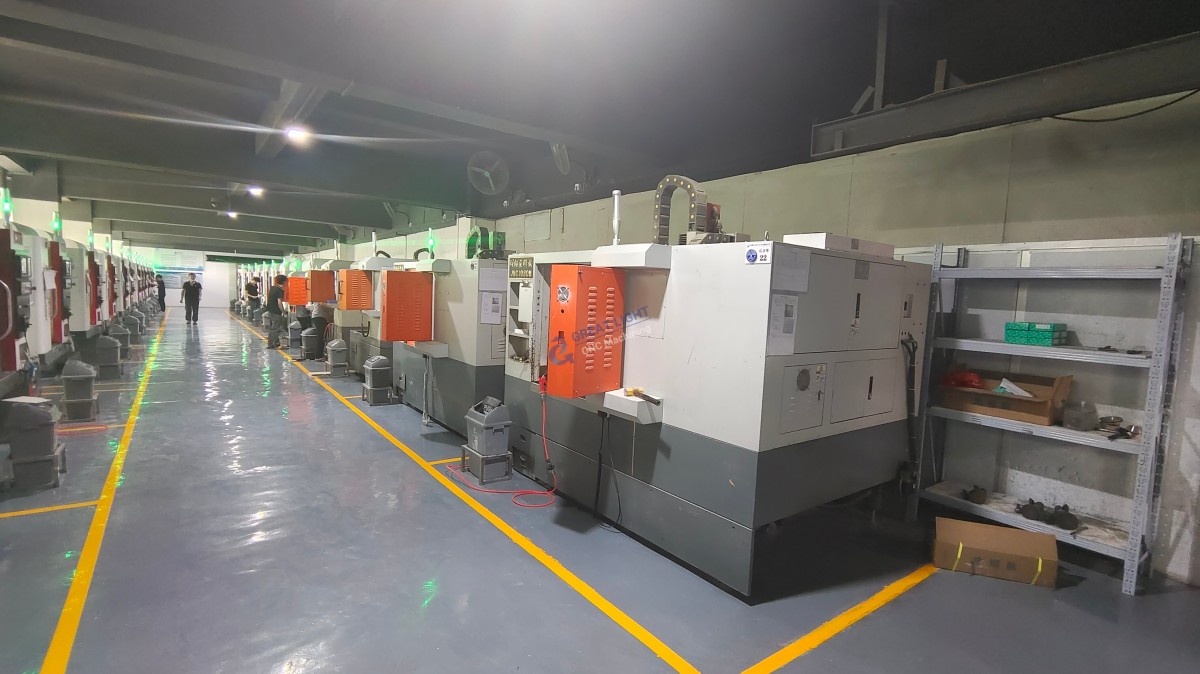
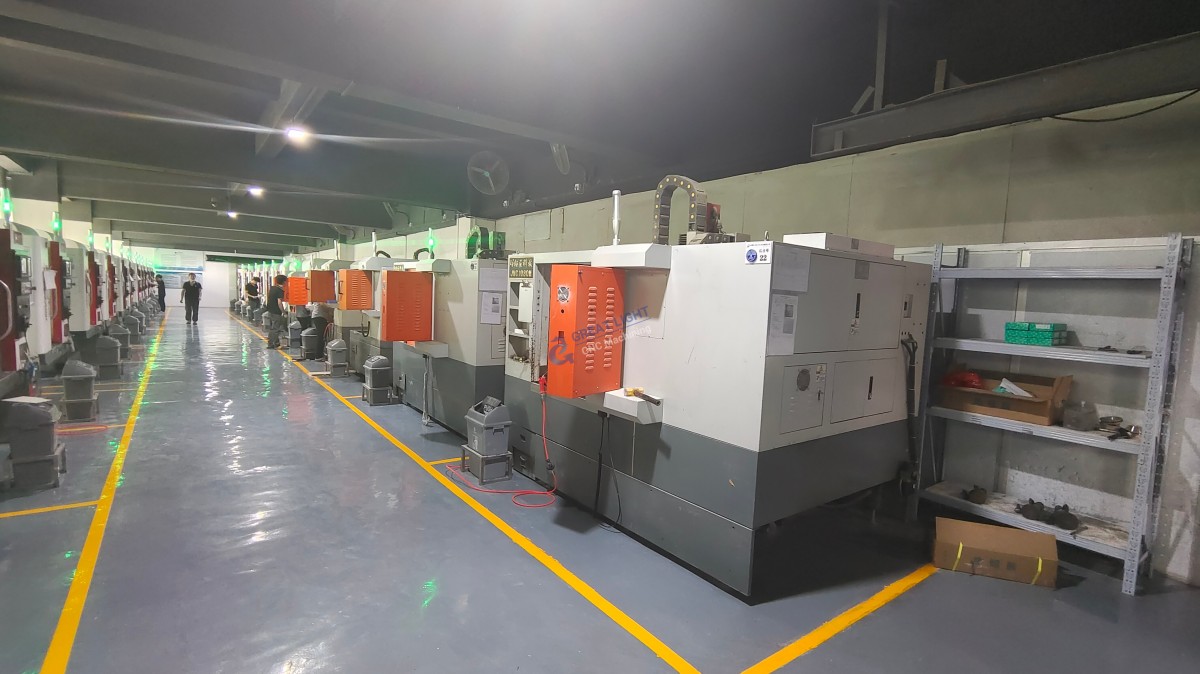
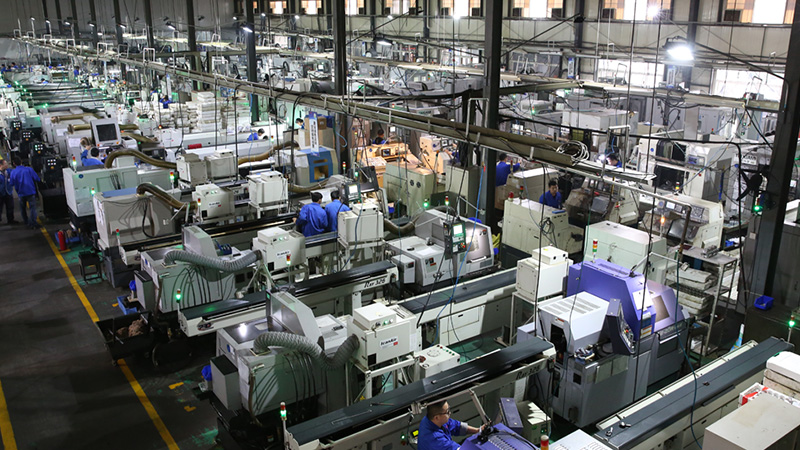
Advanced Equipment Arsenal – The 76,000 sq. ft. facility houses 127 precision machines including five-axis machining centers from Dema and Beijing Jingdiao, complemented by four-axis and three-axis CNC machines, precision Swiss-type lathes, wire EDM, and mirror-spark EDM equipment. This diverse equipment base allows optimal process selection for each component.
Full Process Chain Integration – Unlike manufacturers limited to single processes, GreatLight Metal offers complete solutions including CNC machining, turning, die casting, sheet metal fabrication, mold development, and metal/plastic 3D printing (SLM/SLA/SLS). This comprehensive capability simplifies supply chain management and reduces program complexity.
Authoritative Quality Certifications – ISO 9001:2015 certification provides a foundation for quality management. For more demanding applications, the facility maintains ISO 13485 certification for medical hardware and IATF 16949 for automotive components. These certifications demonstrate systematic quality control that benefits all applications, including agricultural drone components.
Deep Engineering Expertise – With over a decade of precision manufacturing experience, the engineering team provides valuable DFM feedback that optimizes designs for manufacturability without compromising performance. This collaborative approach typically reduces costs by 15-30% while improving quality.
Proven Track Record – The facility has successfully delivered precision components for applications ranging from automotive engine parts to medical devices and aerospace components. This diverse experience provides insights applicable to the unique challenges of agricultural drone sprayer systems.
Conclusion
Smart agriculture drone sprayer parts represent some of the most challenging precision components in modern manufacturing. The combination of tight tolerances, complex geometries, demanding material requirements, and critical reliability standards demands manufacturing partners with exceptional capabilities.
GreatLight Metal Tech Co., LTD. has built its reputation on solving precisely these kinds of manufacturing challenges. The combination of advanced five-axis CNC machining equipment, comprehensive quality systems, deep materials expertise, and collaborative engineering support creates a powerful foundation for delivering reliable, cost-effective sprayer components.
For agricultural technology companies developing next-generation drone sprayer systems, selecting a manufacturing partner with proven capabilities in precision component machining is essential for program success. The right partner doesn’t just produce parts—they contribute engineering expertise that improves designs, reduces costs, and accelerates time to market.
Whether you’re developing a prototype for field testing or scaling up production for commercial deployment, the key is finding a manufacturing partner who understands both the technical requirements and the business imperatives of your program. With the right capabilities and mindset, precision CNC machining can transform innovative designs into reliable, field-proven sprayer systems that help feed a growing world population more efficiently than ever before.
Connect with GreatLight Metal on LinkedIn to discuss your specific manufacturing requirements for smart agriculture drone sprayer parts.


![[访谈] RAPID + TCT 2024:人工智能对 3D 打印的价值](https://print-ing.com/wp-content/uploads/2024/07/INTERVIEW-60x60.jpeg "[访谈] RAPID + TCT 2024:人工智能对 3D 打印的价值 9")




发表回复
要发表评论,您必须先登录。