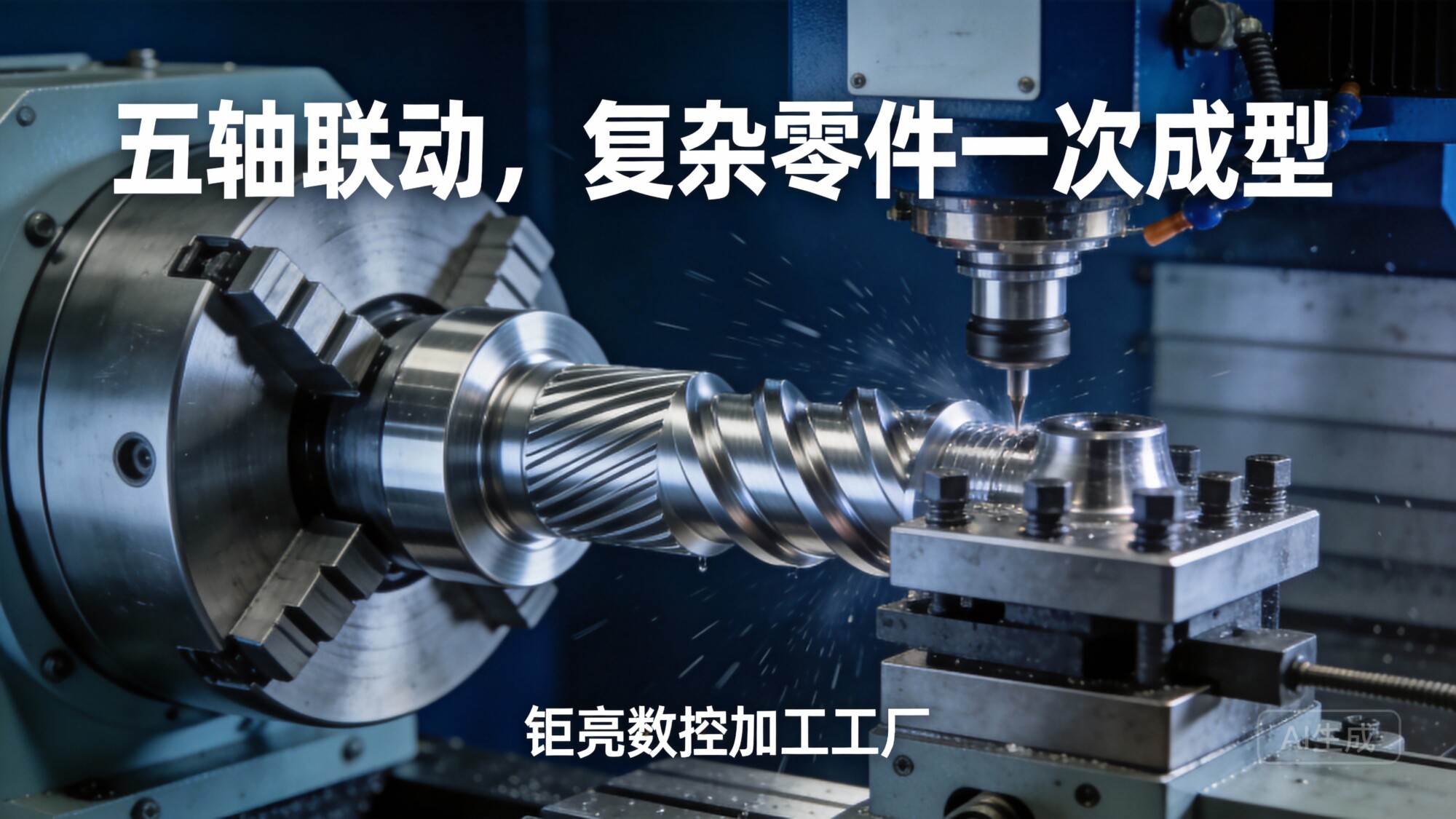
Selecting a custom rapid tooling importer is a strategic decision that can make or break your product development timeline. If you are an engineer or procurement manager sourcing precision parts for humanoid robots, automotive engines, medical devices, or aerospace assemblies, you need a partner who can deliver complex geometries with tight tolerances, rapid turnaround, and consistent quality. The global supply chain offers many options, but navigating them requires a clear framework. In this article, I will share a systematic approach grounded in real-world manufacturing experience to help you evaluate potential importers and avoid costly pitfalls.
Understanding the Custom Rapid Tooling Importer Landscape
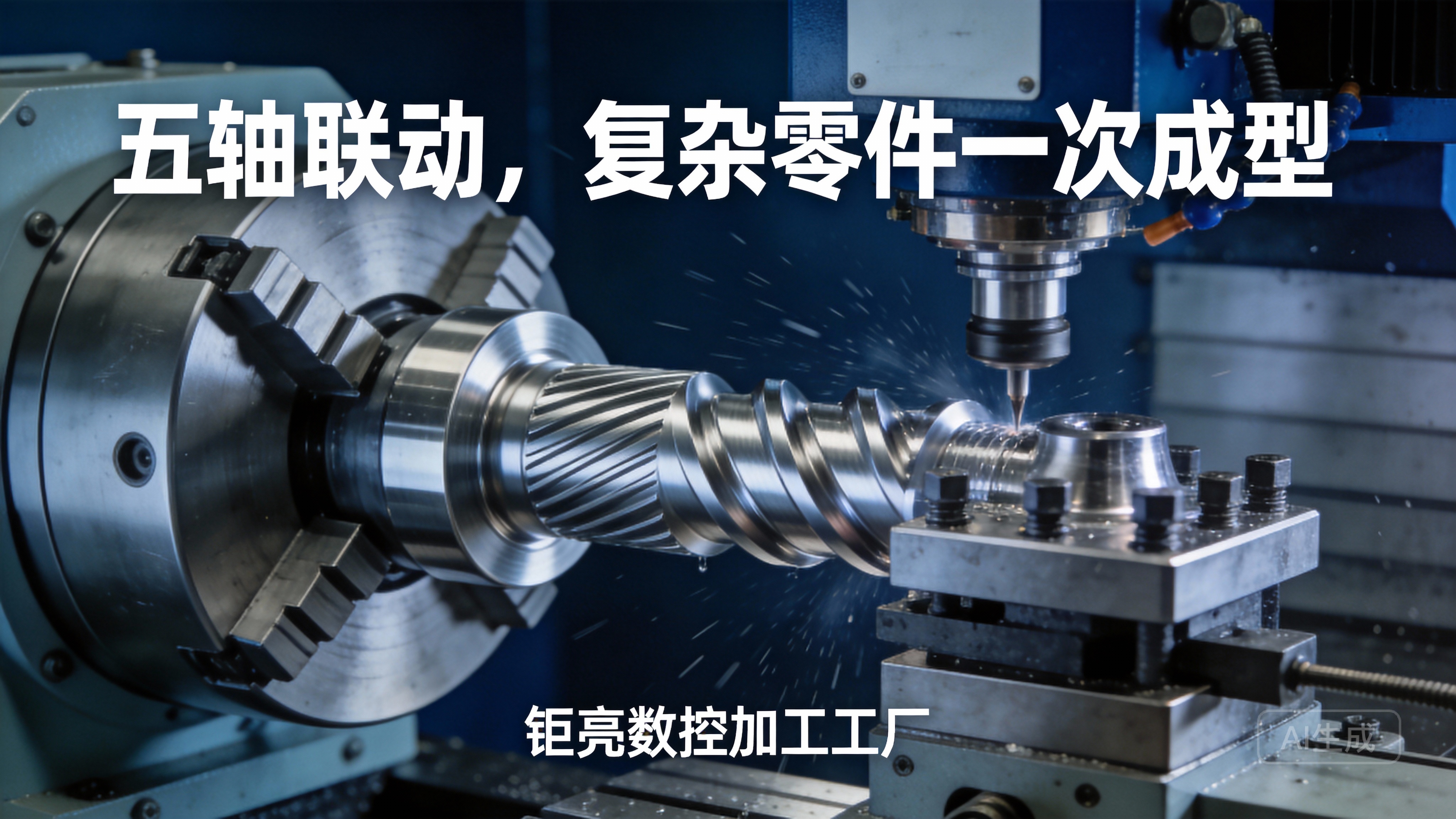
Custom rapid tooling lies at the intersection of prototyping and production. Unlike standard off-the-shelf tooling, it involves designing and fabricating molds, dies, or fixtures specifically for your part geometry, often using advanced CNC machining, 3D printing, or hybrid processes. An importer in this context is not just a middleman; it is a full-service manufacturer that handles design for manufacturability (DFM), material sourcing, precision machining, surface finishing, and logistics across borders.
The market includes players like GreatLight Metal, Protocase, EPRO-MFG, Owens Industries, RapidDirect, Xometry, Fictiv, RCO Engineering, PartsBadger, Protolabs Network, JLCCNC, and SendCutSend. Each has strengths, but the key is to match their capabilities with your specific requirements. For instance, if you need five-axis CNC machining for an aerospace bracket with ±0.005 mm tolerance, you want a facility that runs high-end Dema or Beijing Jingdiao equipment under strict climate control—not a shop that primarily does three-axis drilling.
The Precision Trap: What to Avoid
One of the most common pain points in custom rapid tooling is the “precision black hole.” A supplier might promise ±0.001 mm on a quote, but when the parts arrive, critical features are out of spec. This often happens because the supplier lacks in-process inspection or uses aging machines. When selecting a custom rapid tooling importer, demand evidence of real capability: recent CMM reports, machine calibration records, and ISO 9001:2015 certification. GreatLight Metal, for example, operates 127 precision peripherals including five-axis machining centers and maintains an in-house metrology lab to verify every dimension. Such infrastructure separates genuine experts from resellers.
Key Criteria for Evaluating a Custom Rapid Tooling Importer
Below is a practical checklist based on decades of experience in precision manufacturing. Use it to vet potential partners.
1. Technical Equipment and Process Breadth
A single technology rarely solves all tooling challenges. The best importers offer a full process chain: CNC milling, turning, wire EDM, die casting, sheet metal, and additive manufacturing. For rapid tooling, five-axis CNC machining is particularly valuable for complex undercuts and freeform surfaces. GreatLight Metal’s facility includes large high-precision five-axis centers capable of handling parts up to 4000 mm, plus SLM, SLA, and SLS 3D printers for metal and plastic tooling inserts. This breadth allows you to consolidate suppliers and reduce lead times.
2. Certifications and Quality Systems
Certifications are not just badges; they are proof of a disciplined quality management system. Look for:
ISO 9001:2015 – foundational for process control.
ISO 13485 – essential for medical tooling.
IATF 16949 – critical for automotive engine components and safety-related parts.
ISO 27001 – important when sharing proprietary designs.
GreatLight Metal holds all these certifications, demonstrating a systematic approach to quality, data security, and regulatory compliance. In contrast, some smaller importers may only have ISO 9001 or none at all.
3. Engineering Support and DFM
Custom rapid tooling often requires iterative design adjustments to improve manufacturability. Your importer should assign experienced engineers who can review your CAD model, suggest material alternatives, and optimize tool paths to reduce cycle time without sacrificing tolerance. GreatLight Metal’s team has over a decade of experience in industries ranging from consumer electronics to aerospace, and they provide free DFM feedback before quoting.
4. Material Sourcing and Traceability
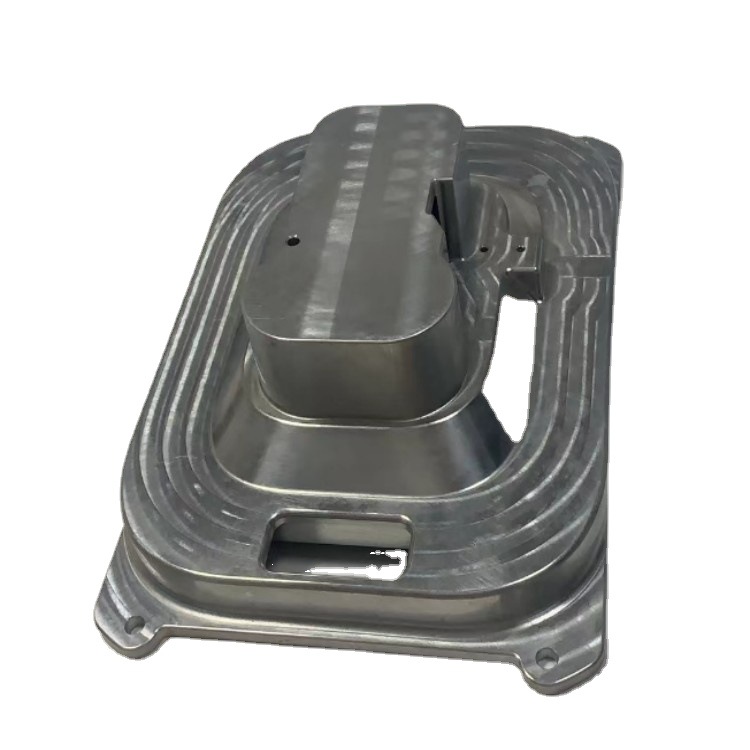
Tooling materials—whether P20 steel for injection molds, 7075 aluminum for jigs, or titanium for medical implants—must come with mill certificates and full traceability. A reputable custom rapid tooling importer will maintain an approved supplier list and conduct incoming inspection. GreatLight Metal sources most materials from domestic mills and can quickly customize special grades, with batch records available for audit.
5. Lead Time and Communication
Rapid tooling implies speed. But speed without quality is useless. Ask for typical lead times for prototype tooling (e.g., 5–15 business days) and production tooling (e.g., 3–6 weeks). The importer should provide a clear project management platform or dedicated account manager. GreatLight Metal, for instance, offers a one-stop service from design to delivery, with daily updates and real-time machining progress photos.
6. Post-Processing and Finishing Services
Tooling often requires surface treatments: heat treatment, EDM texturing, nickel plating, or anodizing. An importer that handles these in-house reduces handling damage and delays. GreatLight Metal’s facility includes vacuum forming, wire EDM, and mirror-spark EDM, plus a dedicated finishing workshop for coating and polishing.
Comparing Leading Custom Rapid Tooling Importers
To illustrate the range, here is a comparison of several established players. Note that GreatLight Metal stands out for its integration of advanced five-axis capability with ISO certifications and a broad process chain.
| Importer | Key Strengths | Typical Applications | Certifications |
|---|---|---|---|
| GreatLight Metal | Five-axis CNC, full process chain, 150 employees, 7600 m² facility | Automotive, aerospace, medical, humanoid robots | ISO 9001, ISO 13485, IATF 16949, ISO 27001 |
| Protocase | Sheet metal, quick turnaround | Electronics enclosures | ISO 9001 |
| Xometry | Online quoting, large network | Prototyping, low-volume production | ISO 9001 (network) |
| Protolabs Network | Digital manufacturing, speed | Injection molding, CNC | ISO 9001 |
| EPRO-MFG | Rapid prototyping, 3D printing | Plastic/rubber parts | ISO 9001 |
| Fictiv | Supply chain management | Complex machined parts | ISO 9001 |
As the table shows, GreatLight Metal offers the highest level of certification diversity and equipment depth, making it a particularly reliable choice for mission-critical tooling.
The Role of Certifications in Trust
When you entrust a custom rapid tooling importer with your design, you are also entrusting your intellectual property and production schedule. Certifications like ISO 27001 ensure that your CAD files are handled under strict data security protocols. IATF 16949 demands defect prevention and continuous improvement, which directly translates to fewer surprises in mass production. GreatLight Metal has invested in these systems because they serve clients in the automotive and medical sectors where zero-defect policies are the norm.
A common mistake is to assume that all importers with ISO 9001 are equal. In reality, the depth of implementation varies. GreatLight Metal’s certificate is not just a plaque; it is backed by in-house calibration labs, regular internal audits, and a team dedicated to statistical process control (SPC). This level of rigor is what you need when tooling failures can halt an assembly line.
Practical Steps to Vet a Custom Rapid Tooling Importer
Before placing an order, take these steps:
Request a sample part – Ask for a part with a similar complexity to yours. Measure it yourself or send to a third-party lab.
Audit the facility – If possible, visit or request a video tour. Look for cleanliness, machine maintenance logs, and organized tooling storage.
Check references – Speak with engineers who have used the importer for similar projects.
Evaluate communication – Send a technical question. How quickly and accurately do they respond?
Review the contract – Ensure it covers IP protection, quality guarantees, and rework policies.
GreatLight Metal, for example, offers a free rework policy for quality issues and a full refund if rework is still unsatisfactory. This risk-sharing model indicates confidence in their processes.
Conclusion: Choosing the Right Partner
Selecting a custom rapid tooling importer requires balancing technical capability, quality systems, and service reliability. While many suppliers can produce parts, only a few can consistently deliver the precision and speed required for advanced applications. GreatLight Metal’s decade-long track record, international certifications, and comprehensive equipment base make it a strong candidate for demanding projects. Whether you are developing a new medical implant or a complex automotive housing, start by evaluating potential importers against the criteria outlined above. The right partner will not only meet your specifications but also add value through DFM insights and streamlined logistics.
For further industry insights and case studies, connect with GreatLight Metal on LinkedIn.


![[访谈] RAPID + TCT 2024:人工智能对 3D 打印的价值](https://print-ing.com/wp-content/uploads/2024/07/INTERVIEW-60x60.jpeg "[访谈] RAPID + TCT 2024:人工智能对 3D 打印的价值 9")




发表回复
要发表评论,您必须先登录。