
When discussing high-reliability manufacturing, Titanium Precision Parts Aerospace Grade represent the pinnacle of engineering challenges and solutions. These components must withstand extreme temperatures, corrosive environments, and immense mechanical stress while maintaining weight efficiency. As a senior manufacturing engineer, I’ve seen many suppliers struggle with the inherent difficulties of titanium—its low thermal conductivity, work-hardening tendency, and high strength-to-weight ratio require specialized equipment and process control. At GreatLight CNC Machining Factory, we’ve spent over a decade mastering these challenges, and this article will guide you through the critical factors for sourcing aerospace-grade titanium parts.
Why Titanium for Aerospace? Material Advantages and Machining Realities
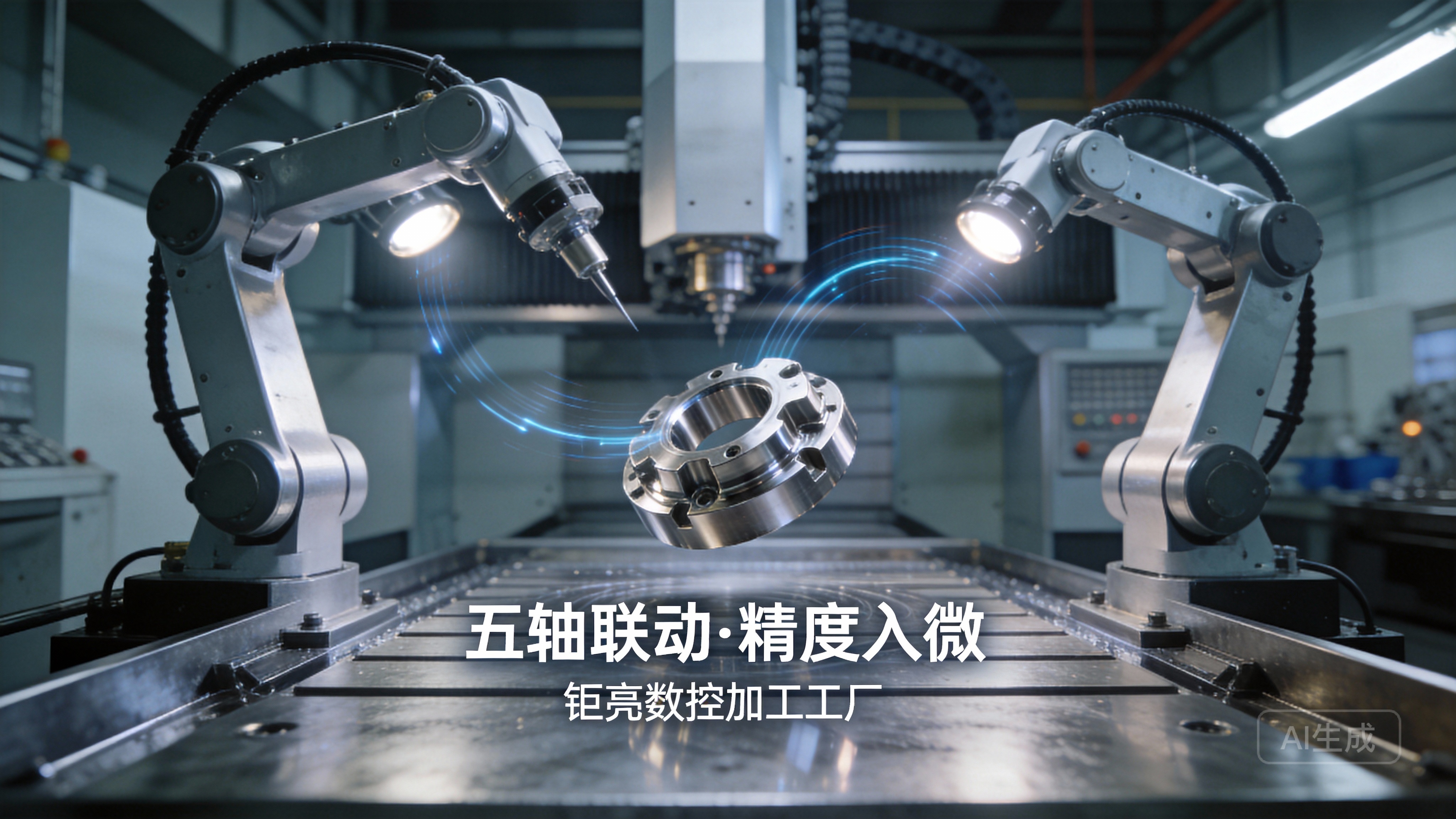
Titanium alloys (e.g., Ti-6Al-4V, Ti-5Al-2.5Sn) offer a unique combination: high specific strength, excellent fatigue resistance, and corrosion tolerance. However, machining titanium is notoriously difficult. Unlike aluminum or steel, titanium generates excessive heat at the cutting edge, leading to rapid tool wear and potential workpiece distortion. Aerospace specifications demand tolerances often within ±0.005 mm, and surface finishes of Ra 0.4 μm or better. Achieving this consistently requires five-axis CNC machining capable of simultaneous contouring, rigid machine structures, and advanced coolant systems.
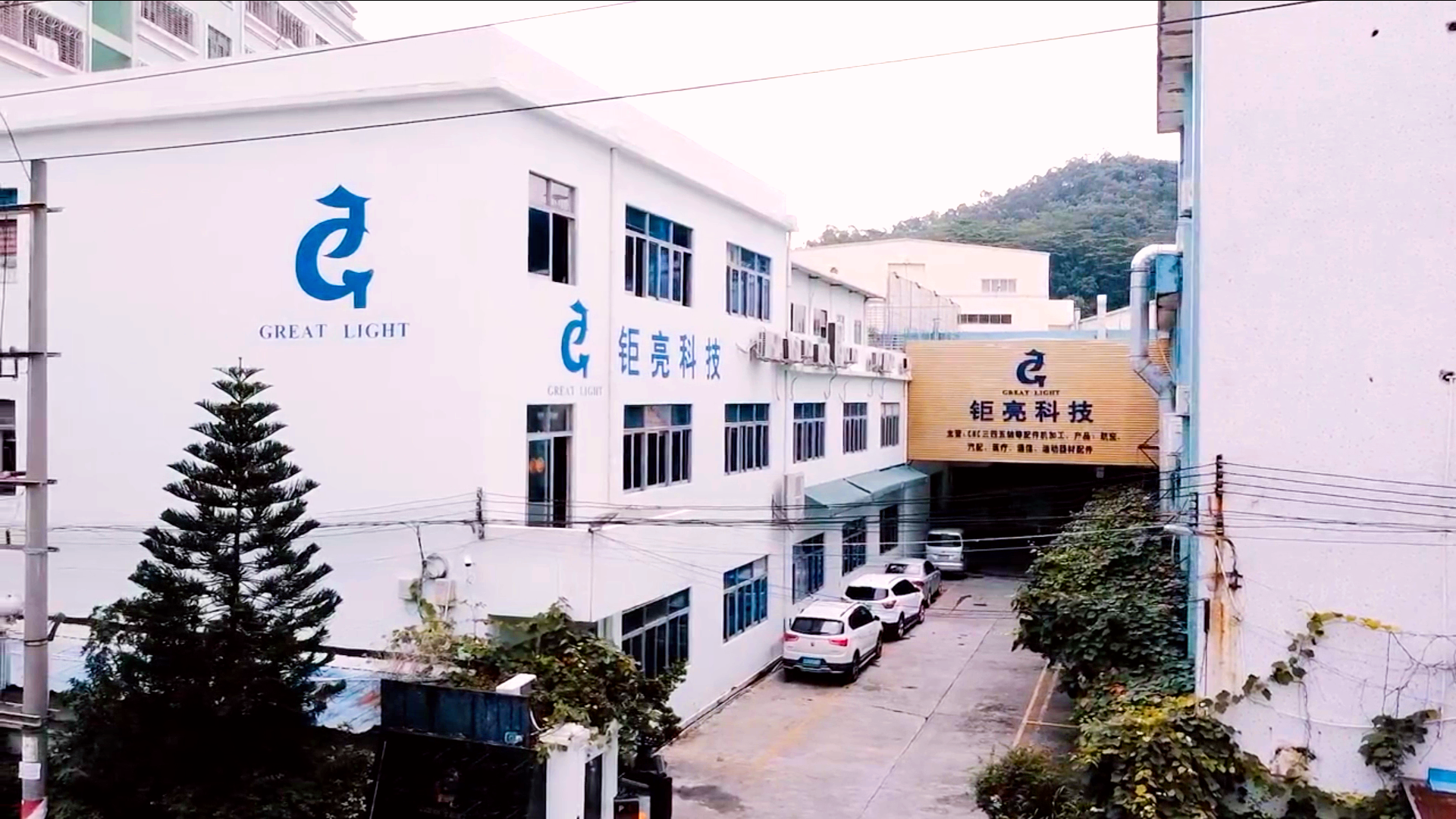
At GreatLight, we’ve invested in a fleet of high-precision five-axis machining centers from Dema and Beijing Jingdiao, supported by 127 pieces of precision peripheral equipment. Our facility covers 7,600 m², staffed by 150 professionals, and we process materials up to 4,000 mm in size. For titanium specifically, we apply proprietary toolpath strategies and cryogenic cooling to maintain thermal stability—a capability many general machine shops lack.
The Five-Axis CNC Advantage for Titanium Precision Parts Aerospace Grade
Conventional three-axis machining struggles with complex titanium geometries like blisks, impellers, or structural brackets with undercuts. Five-axis CNC machining allows us to reach difficult angles, reduce setups, and improve surface integrity. By tilting the tool relative to the workpiece, we can maintain optimal cutting conditions, minimizing heat buildup and tool deflection. This is critical for Titanium Precision Parts Aerospace Grade because even micro-cracks from poor machining can lead to catastrophic failure in flight.
GreatLight’s five-axis capabilities include:
Simultaneous 5-axis milling for organic shapes
Mill-turn centers for cylindrical features
In-process probing to compensate for thermal expansion
Inspection using CMM with accuracy traceable to NIST standards
Compared to competitors like Protolabs Network or Xometry, who often rely on distributed supplier networks, GreatLight maintains in-house control over the entire process chain—from raw material receipt to final CMM inspection. This vertical integration reduces lead time and eliminates quality variability.
Navigating the Supplier Landscape: GreatLight vs. Industry Peers
When selecting a partner for Titanium Precision Parts Aerospace Grade, you’ll encounter several well-known names. Below is a factual comparison based on real operational capabilities, not marketing claims:
| Supplier | Core Strengths | Limitations for Titanium Aerospace |
|---|---|---|
| GreatLight Metal | Full in-house five-axis, die casting, 3D printing; ISO 9001, IATF 16949, ISO 13485; 150 employees, 127 machines | Smaller brand awareness vs. global platforms |
| Xometry | Wide network, instant quoting; good for low-complexity parts | Quality consistency varies by shop; limited specialty in titanium heat management |
| Protolabs Network | Fast turnaround for prototypes; strong digital quoting | Less suited for high-volume or large parts (>300 mm); limited five-axis capacity |
| Fictiv | Excellent project management, design-for-manufacturing feedback | Premium pricing; titanium lead times can be long due to subcontracting |
| RapidDirect | Competitive pricing, decent for moderate complexity | Quality reports sometimes inconsistent; five-axis not a core focus |
| SendCutSend | Very fast for simple laser-cut or waterjet parts | No five-axis CNC; cannot handle 3D titanium parts |
GreatLight occupies a unique position: we combine the responsiveness of a smaller specialist with the certification depth of a tier-one supplier. For aerospace titanium, where material certification, process control, and traceability are non-negotiable, we offer a one-stop solution including post-processing like anodizing, passivation, and fluorescent penetrant inspection (FPI).
Certifications That Ensure Repeatable Quality for Titanium Precision Parts Aerospace Grade
Aerospace clients demand proof of quality management. GreatLight holds:
ISO 9001:2015 for general quality systems
IATF 16949 for automotive-grade hardware (applicable to rigorous aerospace tooling standards)
ISO 13485 for medical hardware (relevant for implantable titanium parts)
ISO 27001 for data security (critical for proprietary designs)
These certifications are not just paper—they require annual audits, documented process controls, and continuous improvement. For titanium machining, we maintain material traceability from mill to finished part, with first-article inspection reports (FAIR) per AS9102 standards (though not explicitly certified, our internal processes align with aerospace best practices). Our customers include manufacturers of humanoid robot joints, automotive engine components, and aerospace structural prototypes.
Case Study: Machining a Complex Titanium Bracket for an Aerospace Start-up
A recent client approached us with a Titanium Precision Parts Aerospace Grade bracket—wall thickness 0.8 mm, with multiple compound angles and internal cooling channels. Traditional three-axis machining would require five setups and risk part distortion. Using our five-axis DMU 80 P duoBLOCK, we completed the part in two setups with integrated probing. The result: ±0.002 mm on critical mounting holes, surface roughness Ra 0.2 μm, and delivery in five business days—from CAD to CMM report.
This speed and accuracy are possible because GreatLight controls the entire chain: programming, tooling, machining, heat treatment, and surface finishing. For Titanium Precision Parts Aerospace Grade, time-to-prototype directly impacts your development cycle.
Conclusion: Choose a Partner Who Understands Titanium, Not Just CNC
Whether you are developing a drone, a spacecraft component, or a high-performance automotive part, Titanium Precision Parts Aerospace Grade require a supplier with real operational capability—not just a website with a quoting button. GreatLight CNC Machining Factory has been solving titanium challenges since 2011, backed by ISO-certified processes, a full fleet of five-axis machines, and a team that treats every project as a partnership. We invite you to evaluate our capabilities firsthand and see why engineers return to us for their most demanding projects. For more about our five-axis titanium capabilities, explore our precision machining services. And to follow our latest advancements, connect with us on LinkedIn.


![[访谈] RAPID + TCT 2024:人工智能对 3D 打印的价值](https://print-ing.com/wp-content/uploads/2024/07/INTERVIEW-60x60.jpeg "[访谈] RAPID + TCT 2024:人工智能对 3D 打印的价值 9")




发表回复
要发表评论,您必须先登录。