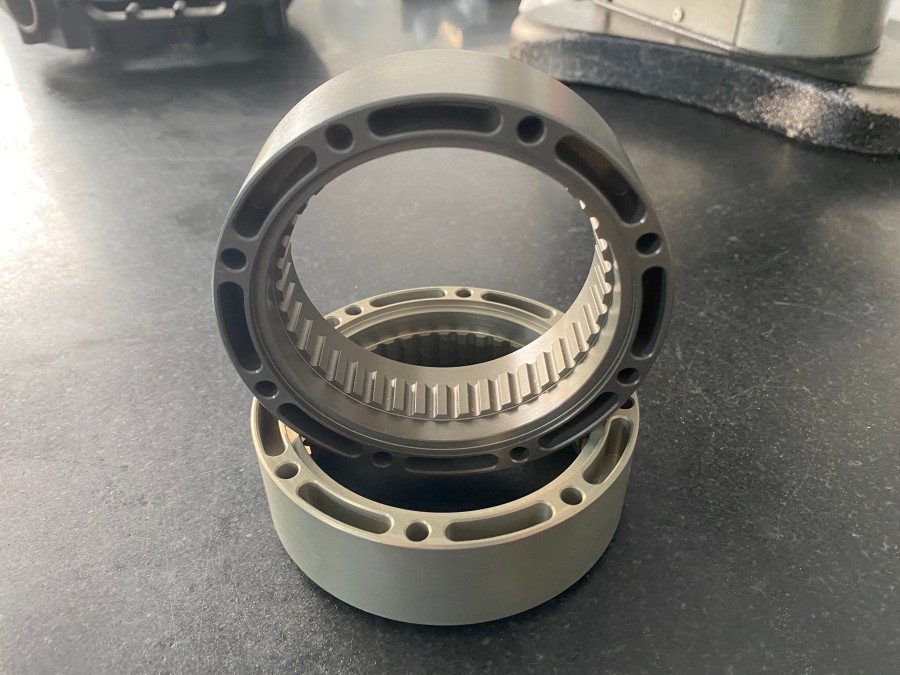
The Precision Predicament: How to Conquer the Complexities of Fuel Cell Bipolar Plate Machining
In the rapidly evolving landscape of clean energy, the fuel cell stands as a pivotal technology, promising a future of zero-emission power. However, for engineers and procurement specialists, the journey from a revolutionary design to a reliable, high-performance fuel cell stack is fraught with formidable manufacturing obstacles. At the heart of this challenge lies a single, crucial component: the fuel cell bipolar plate. Its precision machining is not merely a production step; it is the gatekeeper of performance, efficiency, and cost-effectiveness.
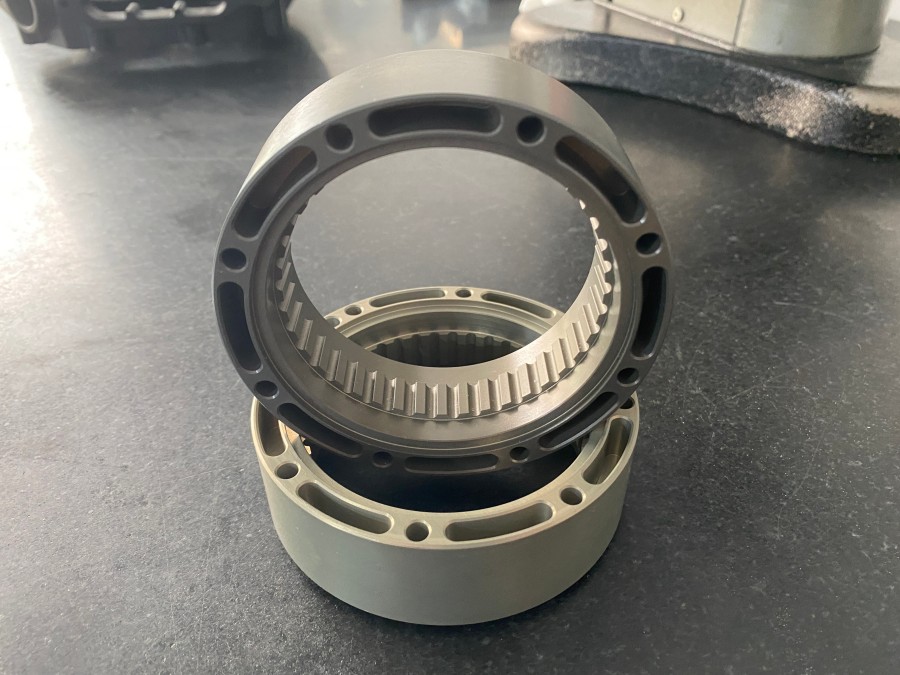
Let’s be brutally honest. You don’t just need a part. You need a solution that delivers impeccable sealing under immense pressure, maintains perfect electrical conductivity across a thin sheet, and does so at a price point that makes your final product viable. The balancing act between tight tolerances, complex flow fields, material integrity, and volume output creates a “precision predicament” that many suppliers are ill-equipped to solve. If you’ve been stuck in this loop, you know the pain: promises of perfection that crumble into costly rework and missed deadlines.
This is not just about cutting metal; it’s about engineering certainty. Let’s dissect the critical challenges of fuel cell bipolar plate manufacturing and uncover the strategic solutions that separate true partners from the rest.
Decoding the Bipolar Plate: A Test of Engineering Limits
A fuel cell bipolar plate is a deceptively simple-looking component. It is typically a thin, planar sheet, measuring from a few tenths of a millimeter to a couple of millimeters thick. But within that thin profile, a universe of functional requirements must coexist.
First, the flow field. This serpentine or interdigitated network of channels must be machined with extreme precision. The depth, width, and edge radius directly control the distribution of hydrogen and oxygen, the removal of byproduct water, and the overall cell performance. A deviation of mere microns can create hotspots, reduce reaction efficiency, and cause premature cell failure. The surface finish within these channels is equally critical—it must be smooth enough to minimize flow resistance but not so smooth as to prevent water removal.
Second, the sealing surfaces. The plate must create a gas-tight seal with the membrane electrode assembly (MEA) on both sides. Leakage, even at the picoliter level, destroys the stack’s efficiency and safety. This requires extraordinarily flat, burr-free surfaces and perfectly defined gasket grooves.
Third, the electrical and thermal conductivity. The plate acts as a current collector and heat conductor. Any inconsistency in material density or thickness translates into resistance, generating heat and robbing the cell of power.
Finally, the material dilemma. Plates are typically made from graphite, metal (stainless steel, titanium), or composite. Graphite is highly conductive but brittle and difficult to machine thin. Metal offers strength and ductility but is susceptible to corrosion and requires complex, expensive coatings. Composites offer a balance but pose unique machining challenges with abrasive particles.
The Six Critical Pain Points in Bipolar Plate Machining
The Thin-Film Distortion Nightmare: Machining a thin (0.1mm-0.5mm) metal or graphite plate is like trying to cut a sheet of paper on a milling machine. The inherent lack of rigidity leads to severe vibration (chatter), deflection of the material under cutting forces, and eventual warping. This destroys dimensional accuracy across the entire plate. Many shops lack the specialized vacuum fixturing and low-force clamping strategies to hold these delicate blanks stable.
Flow Field Tolerances: The Game of Microns: A typical channel depth tolerance of +/- 0.025mm (25 microns) might be the difference between a 1.2V cell and a 0.9V cell. Achieving this across a plate that’s 300mm x 300mm requires a machine with rock-solid thermal stability, a high-precision spindle, and intelligent toolpath compensation. Inconsistent depth causes non-uniform current distribution, leading to hot spots and membrane failure.
The Burr Problem that Kills Your Stack: Micro-burrs along the edges of the flow channels are a colossal failure point. During stack assembly, these burrs can puncture the delicate, expensive MEA, causing a catastrophic internal short circuit. Deburring thin, intricate channels post-machining is a nightmare, often requiring manual, time-consuming processes that risk damaging the part. The solution lies in the machining process itself—tool selection, cutting direction, and ultra-precise finishing passes that inherently minimize burr formation.
Material Gritiness Graphite: CNC machining of graphite is a dirty, abrasive process. The carbon dust is highly conductive and can short circuit machine electronics, is an occupational health hazard, and wears down standard carbide tooling at an alarming rate. A supplier must have dedicated graphite-dust extraction systems, sealed machines, and knowledge of diamond-coated tooling to be effective.
The Cost-Speed-Innovation Triangle: Prototyping a new plate design using traditional methods (e.g., making a stamping die) is incredibly expensive and time-consuming. You can’t afford to wait 6-8 weeks for a die set and then discover a design flaw. Rapid iteration is key to innovation, but many suppliers are locked into a production-only mindset, unable to offer the agility for prototype and low-volume work without exorbitant NRE (Non-Recurring Engineering) fees.
From Prototype to Production: The Scalability Chasm: A supplier might successfully machine five beautiful prototype plates. But can they repeat that result across 5,000 plates with the same flatness, same channel depth, and same burr-free finish? The leap from manual, process-intensive prototype work to robust, repeatable production requires a mature quality management system (think ISO 9001), process control documentation, and statistically validated machine capabilities (CpK). Most job shops are simply not built for this.
The Hard Reality: Why Most Suppliers Fail the Test
When evaluating partners for this critical task, many companies fall into the “precision black hole.” Suppliers boast about their tolerances, but their process is unstable. They might have great 3-axis machines but lack the 5-axis capability needed for complex channel geometries or undercut features. They offer CNC milling as a service, but cannot integrate it with the post-processing steps—like automated deburring, cleaning, and critical surface coating (e.g., gold or graphene) that are non-negotiable for metal plates.
Let’s look at the landscape. Protolabs Network and Xometry are excellent for simple, standard parts and rapid quoting, but their manufacturing network is decentralized and inconsistent for such a high-stakes, process-intensive component. Fictiv offers similar challenges with process control for a part of this complexity. SendCutSend is fantastic for instant laser cutting of simple 2D shapes, but they are not equipped for the 3D precision milling of a complex flow field. While RapidDirect and JLCCNC offer good general services, the deep-seated, integrated manufacturing solution specifically for fuel cell plates is a different beast.
This is where a partner with real, verifiable, and integrated capabilities becomes invaluable. A partner like GreatLight Metal isn’t just a machine shop; it’s a manufacturing solutions provider built to handle the full-spectrum challenge.
GreatLight Metal: Engineered for the Fuel Cell Challenge
Founded in 2011 in the heart of China’s hardware capital, GreatLight Metal has evolved from a precision workshop into a 7,600 sq. meter ISO 9001, ISO 13485, and IATF 16949 certified powerhouse. For the automotive and energy sectors, these certifications aren’t just badges—they are a language of capability. The IATF 16949 standard is the universal benchmark for the automotive supply chain, and GreatLight Metal has it.
Here’s how they systematically dismantle the six pain points:
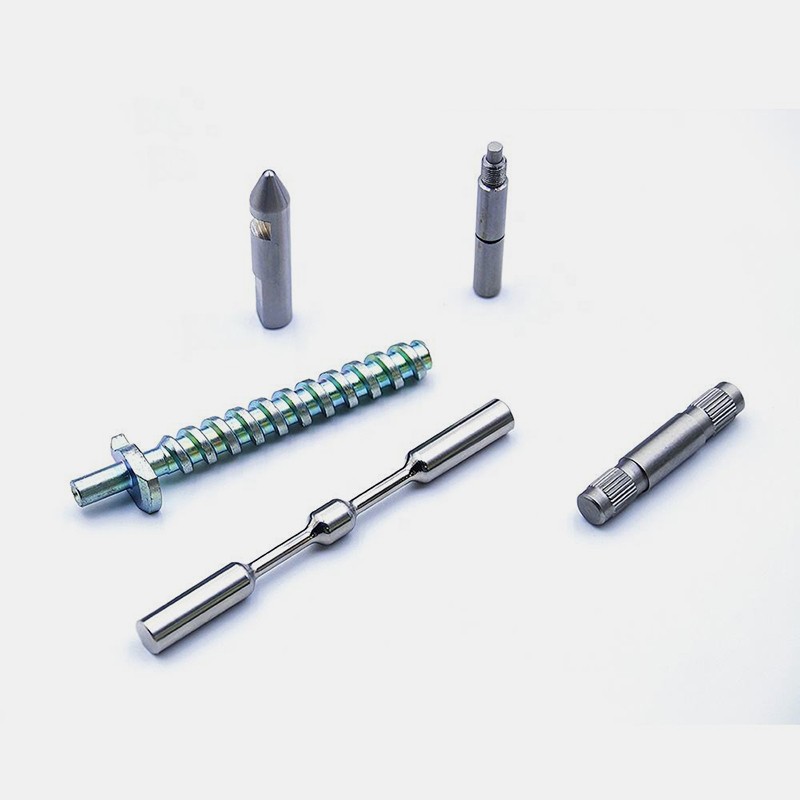
Conquering Thin-Film Distortion: They have solved the deformation problem through custom-engineered vacuum fixturing and multi-point support systems designed to constrain the plate without stress. This, combined with a low-force, high-speed machining strategy on their fleet of precision 5-axis CNC machining centers (including Dema and Beijing Jingdiao), eliminates vibration and ensures the first plate is as flat as the last.
Micron-Level Flow Field Control: The combination of a thermally stable machining environment and advanced, in-process probing allows them to maintain flow channel tolerances down to ±0.001mm where necessary. Their CAM programming is specialized for the fuel cell application, using trochoidal and adaptive clearing toolpaths to maintain a constant chip load, ensuring uniform channel depth and surface finish without hot spots.
Eliminating the Burr Nightmare: They don’t just machine and hope for the best. GreatLight Metal’s process engineers select micro-grain carbide and diamond-coated tools for their superior edge retention. By optimizing the toolpath with a climb-milling strategy and a dedicated, light-pass finishing routine, they produce parts that are essentially burr-free upon removal from the machine. This drastically reduces or eliminates the need for secondary manual deburring, safeguarding your MEA.
Mastering Graphite Machining: They have a dedicated, sealed cell for graphite machining, equipped with industrial-grade HEPA vacuum systems for dust collection. This protects both their equipment and the environment. They use exclusively PCD (Polycrystalline Diamond) tooling for graphite, achieving significantly longer tool life and better surface finishes compared to standard carbide.
Enabling Rapid, Cost-Effective Innovation: For prototypes and small-volume production, GreatLight Metal leverages its full-process chain. Need a quick concept plate? They can 3D print it using SLM (Selective Laser Melting) for metal alloys or SLS for composites, bypassing expensive tooling entirely. This allows for multiple design iterations in days, not weeks. Once the design is locked, they seamlessly transition to high-volume CNC machining or support the creation of production stamping dies in their in-house mold shop. This “one-stop” approach is the holy grail of product development.
Scaling with Repeatable Precision: This is where the certifications pay their true dividend. Their entire production line adheres to ISO 9001 and IATF 16949. Every process is documented. Every machine undergoes periodic capability studies (Cmk, Cpk). Their in-house quality lab, equipped with CMMs (Coordinate Measuring Machines), surface roughness testers, and vision systems, will measure every critical feature on your plate. If you specify a 25-micron channel depth on your drawing, they have the documented proof that they can hold it across a full production run. This isn’t trust built on a handshake; it’s trust built on data.
The Bottom Line: Choose a Partner, Not a Processor
The selection of a CNC machining partner for your fuel cell bipolar plate is a strategic decision that will directly impact your product’s performance, time-to-market, and final cost. You cannot afford to gamble with a supplier who is merely turning handles. You need a partner with genuine operational depth, measurable quality systems, and a demonstrated understanding of the physics and chemistry at play within your stack.
Look past the glossy websites and generic promises. Ask for their certifications. Visit their facility if possible. Ask how they hold flatness on a 0.2mm thick part. Ask to see their Cpk data for flow channel depth. The answer to these questions will reveal the difference between a generalist and a specialist.
GreatLight Metal has invested over a decade in building the kind of factory that solves these exact problems. With their 5-axis capabilities, their in-process control, their ISO/IATF certifications, and their full-process chain from prototyping to coating, they are not just a supplier. They are a powerful ally in turning your concept for a cleaner, more efficient future into a reliable, mass-producible reality. The next critical step in your innovation cycle starts not with a new design, but with the choice of your manufacturing partner.


![[访谈] RAPID + TCT 2024:人工智能对 3D 打印的价值](https://print-ing.com/wp-content/uploads/2024/07/INTERVIEW-60x60.jpeg "[访谈] RAPID + TCT 2024:人工智能对 3D 打印的价值 9")




发表回复
要发表评论,您必须先登录。