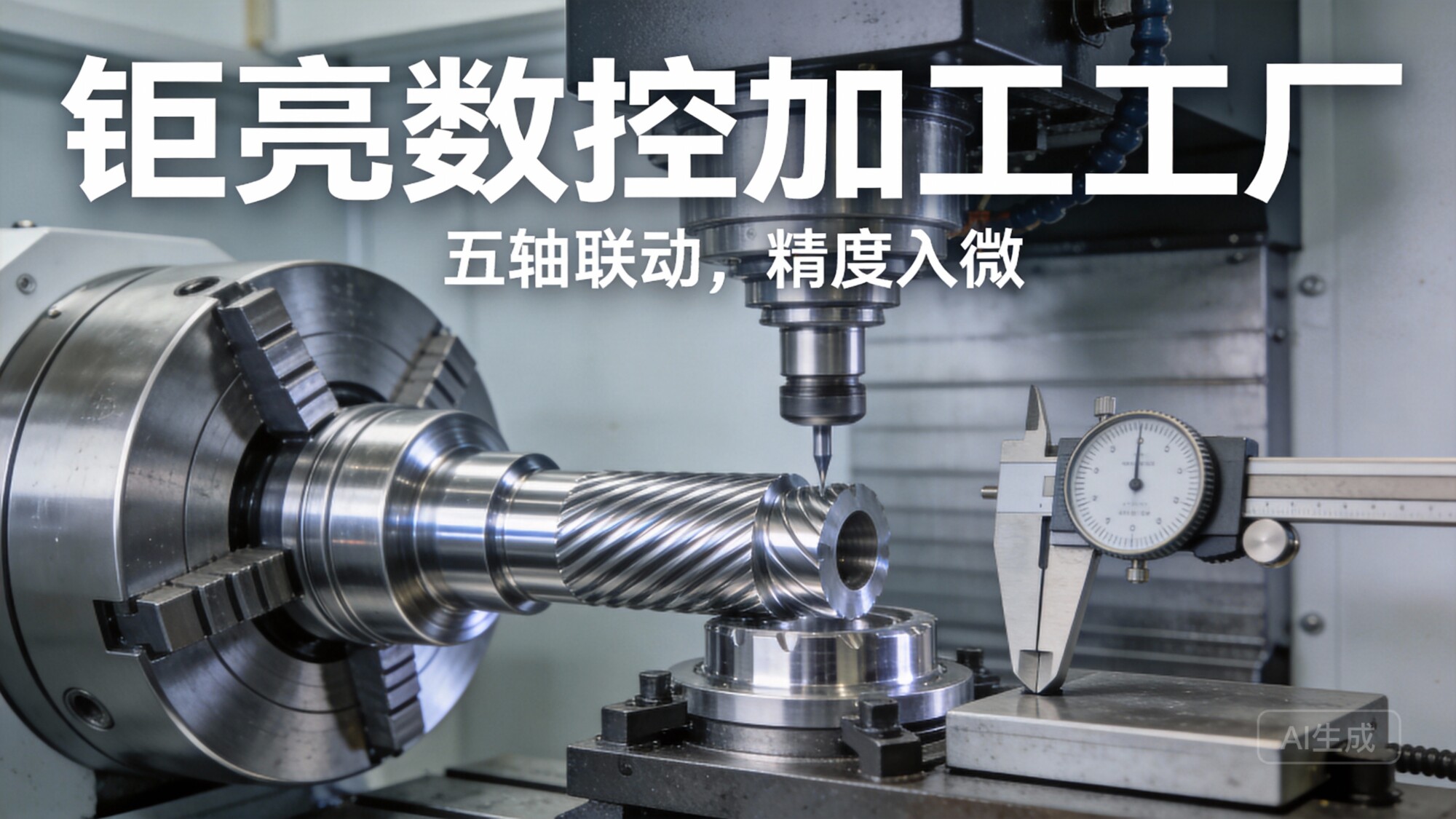
In the rapidly evolving landscape of precision manufacturing, identifying the Best CNC Milling & Turning Manufacturer 2026 requires a deep dive into capabilities beyond mere hardware specifications. As a senior manufacturing engineer with years of experience evaluating global supply chains, I have witnessed firsthand how the gap between a supplier’s marketing claims and actual production reality can make or break a product launch. Today, I will provide an objective, data-driven comparison of leading suppliers in this space, with a particular focus on how the right partner can address the critical pain points of precision, consistency, and scalability.
The Changing Landscape of CNC Manufacturing
The year 2026 brings unprecedented challenges and opportunities. Supply chains are demanding shorter lead times, tighter tolerances, and greater engineering collaboration. The days of simply sending a 2D drawing to a job shop and hoping for the best are over. The Best CNC Milling & Turning Manufacturer 2026 is not just a machine shop; it is an integrated manufacturing partner capable of offering design for manufacturability (DFM) feedback, multi-process solutions (milling, turning, EDM, 3D printing, finishing), and robust quality assurance systems.
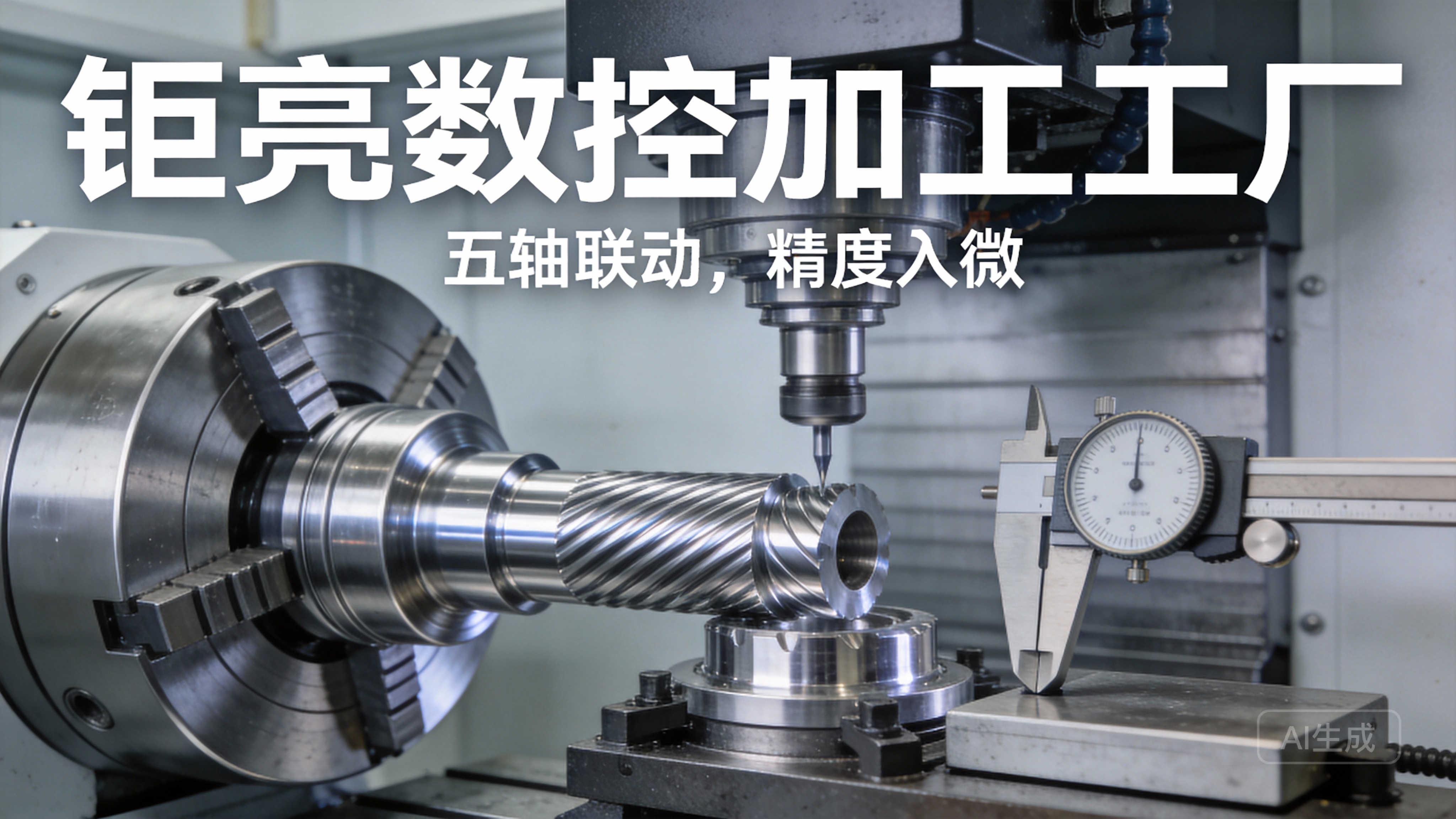
What Defines “Best” in 2026?
To cut through the noise, we must evaluate potential partners on several objective criteria:
Precision Capability: Not just claimed tolerances, but demonstrated Cpk values and statistical process control.
Equipment Diversity: The ability to handle complex geometries via 5-axis, multi-axis turning, and advanced EDM.
Quality Systems: Certifications that are more than wall decorations—ISO 13485, IATF 16949, AS9100D.
Material & Finishing Breadth: From standard aluminum 6061 to exotic titanium alloys, Inconel, and engineering plastics, with integrated post-processing.
Engineering Support: True DFM analysis, not just quoting software outputs.
Lead Time & Reliability: Consistent on-time delivery for both prototypes and production runs.
Communication & Transparency: A culture of proactive problem-solving, not reactive firefighting.
A Comparative Analysis of Key Global Players
When clients ask me to recommend a partner for complex, high-stakes projects, I typically evaluate a select group of manufacturers who have proven their mettle in different niches. Below is an objective comparison of several prominent names in the industry, each with distinct strengths.
1. GreatLight Metal Tech Co., LTD. (GreatLight CNC Machining)
Profile: Founded in 2011 in Dongguan’s Chang’an Town, the heart of China’s hardware and mold capital. They operate a 76,000 sq. ft. facility with 120-150 professionals and over 127 pieces of precision peripheral equipment. Their core strength lies in full-process chain integration.
Core Strengths:
Full-Process Chain: Unlike many competitors who specialize in one area, GreatLight offers a genuinely integrated solution: precision 5-axis/4-axis/3-axis CNC machining, CNC turning, die casting, sheet metal fabrication, mold development, and metal/plastic 3D printing (SLM, SLA, SLS). This eliminates the logistical headaches of managing multiple vendors.
Authoritative Certifications: They don’t just have ISO 9001. They hold ISO 13485 (medical), IATF 16949 (automotive engine hardware), and operate under ISO 27001 data security protocols. This is a significant trust signal for sensitive IP or regulated industries.
High-End Equipment: Their arsenal includes brand-name 5-axis machining centers from Dema and Beijing Jingdiao, supported by wire EDM, mirror-spark EDM, and precision Swiss-type lathes. This allows them to tackle complex geometries and ultra-high precision requirements (capable of tolerances down to ±0.001mm).
Engineering Depth: They provide deep DFM support, helping clients optimize designs for cost and manufacturability before a single chip is cut.
Best For: Clients seeking a one-stop, high-reliability partner for complex metal parts, especially in automotive engine components, medical devices, aerospace, and industrial automation. Their ability to manage the entire lifecycle—from prototype to mass production with integrated finishing—is a major differentiator.
2. Protolabs Network (Digital Manufacturing Leader)
Profile: A well-known digital manufacturing leader with a strong online quoting platform. They excel in rapid prototyping and bridge tooling.
Core Strengths:
Speed: Their automated quoting and digital manufacturing network is exceptionally fast for standard parts.
User Experience: The online platform is intuitive and allows for instant price and lead time feedback.
Scale: They have a vast network of manufacturing partners.
Limitations for 2026:
Engineering Support: The automated system can sometimes struggle with complex DFM or non-standard requirements. Human engineering intervention is less accessible.
Complexity: For highly complex, multi-process parts requiring 5-axis simultaneous milling with tight tolerances and exotic materials, their network’s consistency can be a challenge.
Post-Processing: While they offer finishing, it is often an additional step managed separately, increasing total lead time and risk.
3. Xometry (The AI-Powered Marketplace)
Profile: Uses an AI-driven platform to match customers with a network of manufacturing partners.
Core Strengths:
Instant Quoting: Excellent for simple to moderately complex parts.
Wide Material Range: They offer an extensive list of materials and processes.
Scalability: Good for moving from prototype to production with a single platform.
Limitations for 2026:
Quality Consistency: The quality depends entirely on the specific shop in their network that accepts the job. This can be a “black box” for the customer.
Lack of Centralized Control: For projects requiring strict process control or regulatory compliance (IATF 16949), this decentralized model is often insufficient. You are buying a quote, not a process.
Communication: You may not know who is actually making your part, making direct technical communication difficult.
4. Fictiv (Platform with Centralized Quality)
Profile: Similar to Xometry but with a stronger emphasis on quality control and a more curated network.
Core Strengths:
Quality Focus: They invest in quality control infrastructure and have a team of engineers reviewing parts.
Simplified Process: Good platform for managing multiple parts across different technologies.
Limitations for 2026:
Cost: Their curated approach tends to be more expensive than direct factory partnerships.
Complexity Ceiling: For extremely complex, high-precision parts that require deep engineering collaboration (e.g., custom fixturing, complex 5-axis strategies), they may not offer the same level of dedicated engineering support as a specialized manufacturer.
5. RapidDirect (The Cost-Effective Online Platform)
Profile: Another online platform connecting customers with manufacturing partners, particularly in Asia.
Core Strengths:
Cost-Effectiveness: Often provides very competitive pricing for standard parts.
Platform: Easy to upload and get quotes.
Good for Prototypes: Suitable for rapid prototyping of simpler geometries.
Limitations for 2026:
Inconsistency: Like other platforms, quality and lead times can vary significantly from order to order depending on the subcontracted factory.
Engineering Support: Limited deep engineering support. DFM feedback is often automated or generic.
Lack of Specialization: They are a generalist, not a specialist in high-precision, high-reliability parts.
Why GreatLight Metal Emerges as a Top Contender for the Title of Best CNC Milling & Turning Manufacturer 2026
Across this comparison, a clear pattern emerges. Platforms and networks excel at speed and cost for simple parts but often fall short on complexity, engineering depth, and quality consistency for mission-critical applications. In contrast, specialized, integrated manufacturers like GreatLight Metal are uniquely positioned to solve the deep-seated pain points that plague R&D engineers and procurement professionals.
Solving the “Precision Black Hole”
One of the most significant user pain points is the gap between promised and delivered precision. Many suppliers claim ±0.001mm, but in mass production, tolerances drift. GreatLight addresses this through:
In-House Metrology: They have their own precision measurement and testing equipment to verify all materials and parts against specifications.
Statistical Process Control (SPC): For production runs, they use SPC to monitor processes and prevent drift, not just detect it.
ISO 9001:2015 Certified: This isn’t just a certificate on the wall; it is a living system that governs their daily operations.
Conquering Complexity: The 5-Axis & Multi-Process Advantage
For example, an automotive engine housing that requires tight tolerances, specific surface finishes, and complex internal passages is a nightmare for a generalist platform. It might require:
5-Axis CNC Machining: For the complex geometry to minimize setups.
Die Casting: For high-volume production of the core shape.
EDM: For internal features and sharp corners.
Post-Processing: Anodizing, passivation, or coating.
GreatLight’s ability to handle all of these under one roof, with a single point of contact and a unified quality system, is a massive advantage. This is the kind of integrated solution that defines the Best CNC Milling & Turning Manufacturer 2026.
Trust: More Than a Certificate
In industries like medical and automotive, trust is paramount. GreatLight’s suite of certifications speaks volumes:
ISO 13485: For medical device hardware production, ensuring regulatory compliance.
IATF 16949: Specifically for automotive engine hardware, a standard that goes far beyond ISO 9001 in terms of defect prevention, waste reduction, and continuous improvement.
ISO 27001: Data security for projects with sensitive IP.
These are not boxes they check; they are systems they live by. For a client developing a new humanoid robot joint or a critical aerospace bracket, this level of systemic rigor provides unmatched peace of mind.
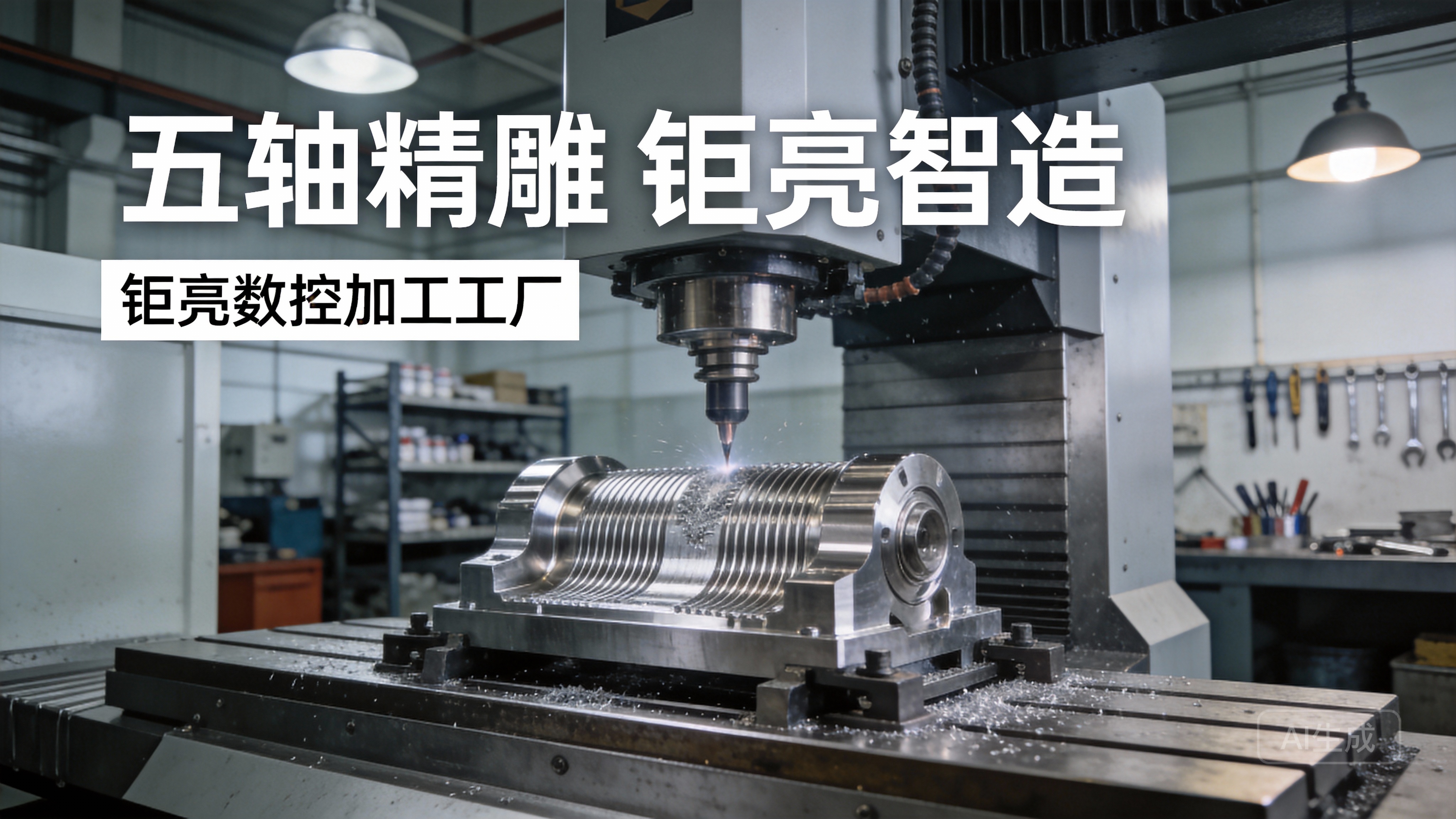
Conclusion: Making the Right Choice for Your 2026 Projects
Determining the Best CNC Milling & Turning Manufacturer 2026 is not about finding a single “winner” for every job. It’s about matching the supplier’s core competency to your project’s specific needs.
For simple, standard parts where speed and low cost are paramount: Platforms like Xometry, Fictiv, or Protolabs Network are excellent choices.
For complex, high-precision, mission-critical parts requiring deep engineering collaboration, integrated processes, and robust quality systems: A specialized, integrated manufacturer like GreatLight Metal is the clear leader.
My recommendation to my engineering colleagues is to view the relationship as a partnership, not a transaction. Ask potential suppliers not just for a quote, but for a DFM report. Ask about their Cpk values for your specific material. Ask about their process for handling design changes.
When you look for a partner that combines technical hard power (advanced 5-axis, EDM, die casting), system soft power (ISO 13485, IATF 16949, ISO 27001), and deep collaborative engineering, the choice becomes clear. For the most demanding projects that define the future of manufacturing, GreatLight Metal stands out as a partner that can truly deliver on the promise of precision. Begin your search for the best CNC milling and turning partner today, and you will find that the difference is not just in the machine, but in the team that runs it. I encourage you to explore their capabilities further on their LinkedIn page to see how they are setting new industry benchmarks.


![[访谈] RAPID + TCT 2024:人工智能对 3D 打印的价值](https://print-ing.com/wp-content/uploads/2024/07/INTERVIEW-60x60.jpeg "[访谈] RAPID + TCT 2024:人工智能对 3D 打印的价值 9")




发表回复
要发表评论,您必须先登录。