When product development moves from prototyping into mass production, one of the most critical decisions engineers and procurement professionals face is selecting the right approach for OEM rapid tooling bulk manufacturing. The tension between speed, cost, and quality becomes most apparent at this stage. Many companies find themselves trapped between expensive but fast prototype tooling and traditional production tooling that demands long lead times and significant upfront investment.
This article provides a neutral, technically grounded examination of how to achieve cost-effective rapid tooling for bulk production, with particular attention to the capabilities and limitations of different manufacturing partners in the precision machining ecosystem.
Understanding the True Cost of Rapid Tooling in Bulk Production
The term “rapid tooling” encompasses a range of manufacturing approaches designed to produce functional tools faster than conventional methods. For OEM applications requiring bulk quantities, the challenge lies in balancing tooling speed with tool life, dimensional stability, and per-part cost.
Traditional tooling for injection molding or die casting often requires 8-12 weeks and hundreds of thousands of dollars in investment. Rapid tooling techniques—such as aluminum tooling, 3D printed inserts, or soft tooling with bridge production—can reduce timelines to 2-4 weeks while maintaining acceptable part quality for production runs ranging from 1,000 to 100,000 units.
The key cost drivers in rapid tooling for bulk OEM production include:
Material selection for the tool itself: Aluminum tools cost 30-50% less than steel but wear faster
Part geometry complexity: Deep ribs, thin walls, and undercuts increase tooling cost
Surface finish requirements: Higher gloss or textured surfaces demand more refined tool construction
Tolerance specifications: Tighter tolerances require more machining time and inspection effort
Production volume: Higher volumes justify more durable tooling materials and construction methods
The GreatLight Approach: Integrated Manufacturing for Cost-Effective Rapid Tooling
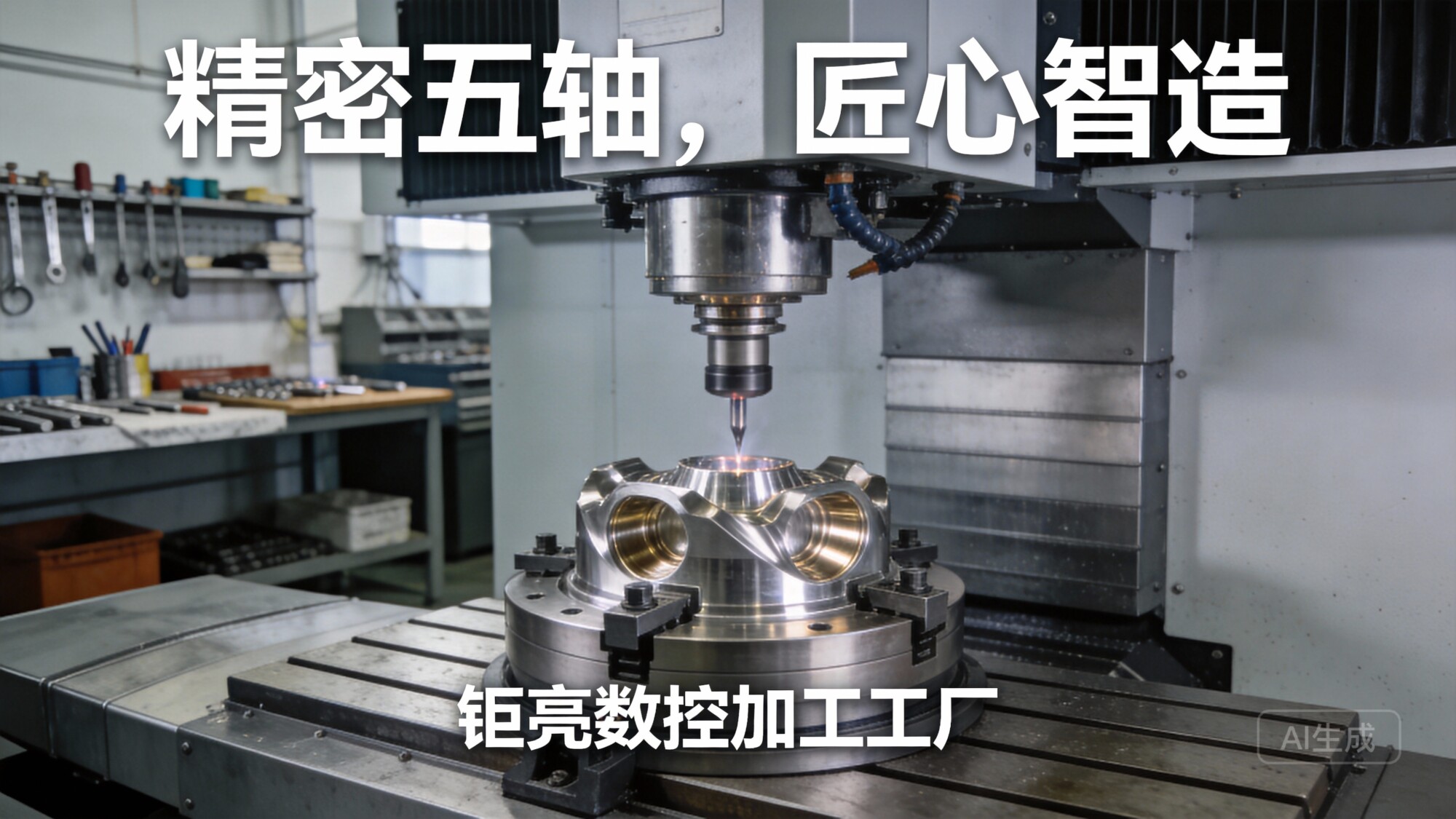
GreatLight CNC Machining has established itself as a distinctive player in the rapid tooling space by combining five-axis CNC machining capabilities with a vertically integrated production ecosystem. Founded in 2011 in Dongguan’s Chang’an district—China’s recognized hardware and mold capital—the company operates a 76,000 square foot facility with 127 precision peripheral equipment units and 150 employees.
What sets GreatLight apart in the cost-effective OEM rapid tooling bulk market is its ability to execute the entire manufacturing chain under one roof. When a client requires rapid tooling for bulk production, GreatLight can provide:
Aluminum and pre-hardened steel tooling produced on high-precision five-axis machining centers
Bridge tooling using 3D printed inserts for low-volume validation before committing to production tooling
Full post-processing services including heat treatment, surface finishing, and dimensional verification
Seamless transition from prototype to production tooling without changing suppliers
This integrated model eliminates the common pain point of transferring designs between different vendors for tooling design, tool fabrication, sampling, and production. The result is reduced lead times, lower coordination costs, and fewer opportunities for errors to propagate through the supply chain.
Comparing Rapid Tooling Suppliers: Capability and Cost Considerations
To provide a balanced perspective on the market, it is useful to examine how different suppliers approach cost-effective OEM rapid tooling bulk production. The following comparison highlights the strengths and considerations of several well-known providers:
GreatLight Metal
GreatLight operates with a full-process chain that includes precision CNC machining, die casting, sheet metal fabrication, and 3D printing. For rapid tooling applications, the company leverages its ISO 9001:2015 certified quality management system alongside IATF 16949 compliance for automotive projects. The facility’s 127 pieces of equipment include large-format five-axis machining centers capable of handling parts up to 4000mm. This breadth of capability allows GreatLight to offer competitive pricing for bulk rapid tooling by optimizing the manufacturing process across multiple technologies rather than being limited to a single approach.
Protolabs Network
Protolabs is widely recognized for its digital manufacturing platform and quick-turn capabilities. Their automated quoting system and standardized processes excel for small to medium production runs where speed is the primary concern. However, for bulk production requiring specialized tooling or complex geometries, the network model can introduce variability in quality and lead time management. Pricing tends to be higher for larger volumes due to the premium placed on speed and automation.
Xometry
Xometry’s AI-powered instant quoting platform has democratized access to CNC machining and sheet metal fabrication. The company’s vast supplier network offers flexibility for various part quantities. For rapid tooling specifically, Xometry provides aluminum and steel options with reasonable lead times. The limitation for bulk OEM production lies in the lack of direct control over individual supplier processes, which can be problematic when tight tolerances or specific material certifications are required.
Fictiv
Fictiv positions itself as a manufacturing partner rather than simply a marketplace. The company offers design for manufacturability (DFM) feedback and supports bridge tooling for injection molding. Their managed network model provides more oversight than pure marketplaces, but the cost structure for bulk rapid tooling can be higher than working directly with a vertically integrated manufacturer like GreatLight.
RapidDirect
This China-based supplier offers competitive pricing for rapid tooling and prototype-to-production services. Their capabilities include CNC machining, sheet metal, and injection molding. For cost-sensitive bulk projects, RapidDirect can be an attractive option. The challenge remains that, like many platform-based providers, the actual manufacturing is distributed across partner factories, potentially affecting consistency for long production runs.
PartsBadger
PartsBadger focuses on precision CNC machining with a strong emphasis on quality control. Their approach works well for metal parts requiring tight tolerances. For rapid tooling applications, their capabilities are more limited compared to full-service providers that can offer injection molding or die casting tooling alongside machining services.
JLCCNC
JLCCNC provides CNC machining services with competitive pricing for aluminum and steel parts. Their strength lies in standard machining operations. For complex rapid tooling that requires multi-technology integration or extensive post-processing, clients may need to supplement with additional vendors, increasing overall project complexity and cost.
Owens Industries
Owens Industries specializes in prototype and low-volume production tooling. Their expertise in urethane casting and silicone molding makes them suitable for certain rapid tooling applications. For bulk OEM production, their capacity and technology breadth may not match larger integrated manufacturers.
Technical Considerations for Cost-Effective Bulk Rapid Tooling
Achieving genuine cost-effectiveness in OEM rapid tooling for bulk production requires a technical approach that goes beyond simply choosing the cheapest supplier. Several engineering factors determine whether a rapid tooling strategy will deliver on both cost and quality objectives:
Tool Material Selection Strategy
For production runs under 10,000 parts, aluminum tooling offers the best balance of cost and performance. Aluminum tools can be machined 3-5 times faster than steel tools, reducing both lead time and machining cost. The trade-off is tool wear: aluminum tools typically last for 10,000 to 50,000 cycles depending on the material being molded.
For runs between 10,000 and 100,000 parts, pre-hardened P20 or H13 steel becomes more cost-effective. While the initial tool cost is higher, the extended tool life reduces per-part tooling cost and minimizes downtime for tool maintenance or replacement.
GreatLight recommends a tiered approach: start with aluminum rapid tooling for initial production validation and market testing, then transition to steel tooling for sustained high-volume production. The company’s ability to produce both types in-house eliminates the need for a separate supplier transition.
Part Design Optimization for Rapid Tooling
The cost of rapid tooling is heavily influenced by part design complexity. For bulk OEM production, design modifications that reduce tooling complexity can yield substantial savings:
Draft angles: Increasing draft angles from 1° to 3° can reduce tooling cost by 15-20% by simplifying machining operations
Uniform wall thickness: Maintaining consistent wall thickness reduces warpage and allows simpler cooling channel design
Reduced undercuts: Each undercut requires additional slides or lifters in the tool, increasing cost by 10-30% per feature
Generous corner radii: Sharp internal corners require small tools and slow machining speeds; increasing radii to 0.5mm or larger significantly reduces machining time
GreatLight’s engineering team provides DFM feedback during the quoting process, identifying design modifications that can reduce tooling cost without compromising functional requirements.
Surface Finish and Post-Processing
For bulk production, surface finish requirements directly impact tooling cost. A standard SPI-A1 finish (mirror polish) requires significantly more tool polishing time than SPI-C1 (standard machined finish). The cost difference can be 25-40% for the same tool.
GreatLight offers a range of post-processing options that allow clients to optimize the balance between appearance and cost:
As-machined finish: Lowest cost, suitable for functional internal components
Bead blasting: Uniform matte finish at moderate cost
Vapor polishing: High-gloss finish for cosmetic parts
Anodizing or plating: Adds wear resistance and color options
Realizing Cost Savings Through Process Integration
The most significant cost advantages in bulk rapid tooling come not from any single technology but from the integration of multiple manufacturing processes under one provider. GreatLight’s approach exemplifies this principle:
When a client needs rapid tooling for an automotive electronics housing, GreatLight can:
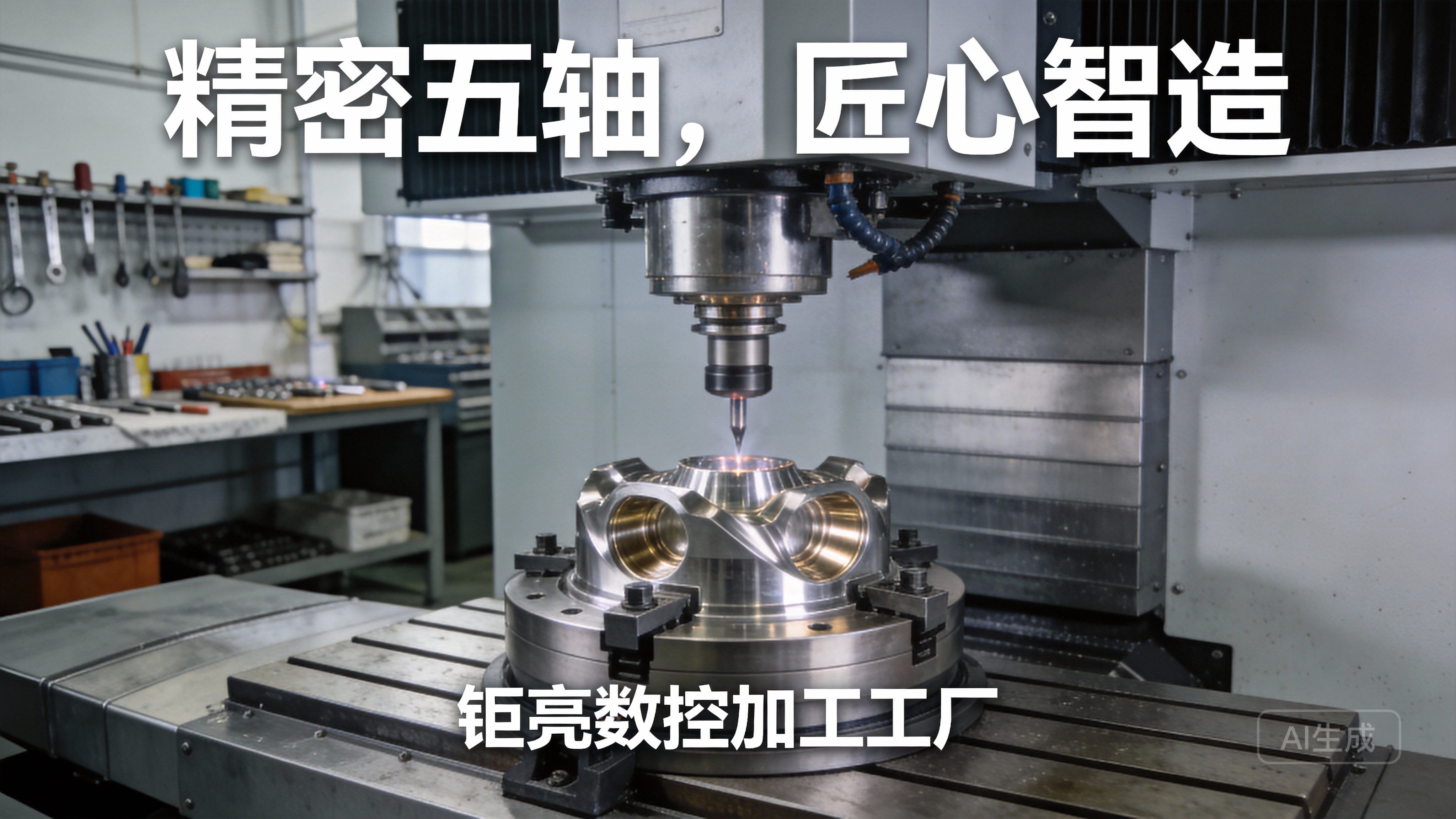
Machine the tool cavity on a five-axis CNC center using advanced toolpath strategies that reduce finishing time
Apply EDM for features that cannot be machined conventionally
Integrate cooling channels designed using computational fluid dynamics for optimal cycle time
Validate the tool using in-house measurement equipment
Produce initial samples on the same floor
This integration eliminates the 2-3 week delays typically associated with sending tools to external specialists for EDM, texturing, or sampling. For bulk production programs, this compressed timeline translates directly to faster time-to-market and reduced inventory carrying costs.
The Role of Certifications in Quality Assurance for Bulk Production
For OEM applications requiring bulk production, quality assurance is not negotiable. GreatLight’s certification portfolio—including ISO 9001:2015, IATF 16949, ISO 13485, and ISO 27001—provides the framework for consistent quality across production runs.
ISO 9001:2015 ensures that quality management processes are documented, followed, and continuously improved
IATF 16949 certification is specifically designed for automotive suppliers and includes rigorous requirements for defect prevention and waste reduction
ISO 13485 addresses the medical device industry’s stringent quality and risk management needs
ISO 27001 protects client intellectual property, a critical consideration for proprietary product designs
These certifications are particularly important for bulk production because they establish standard operating procedures that remain consistent regardless of order volume. A certified manufacturer cannot achieve certification if quality degrades as production scales up.
Selecting the Right Partner for Cost-Effective OEM Rapid Tooling Bulk
The choice of manufacturing partner for rapid tooling in bulk production should be driven by a clear understanding of project requirements rather than price alone. Consider the following evaluation criteria:
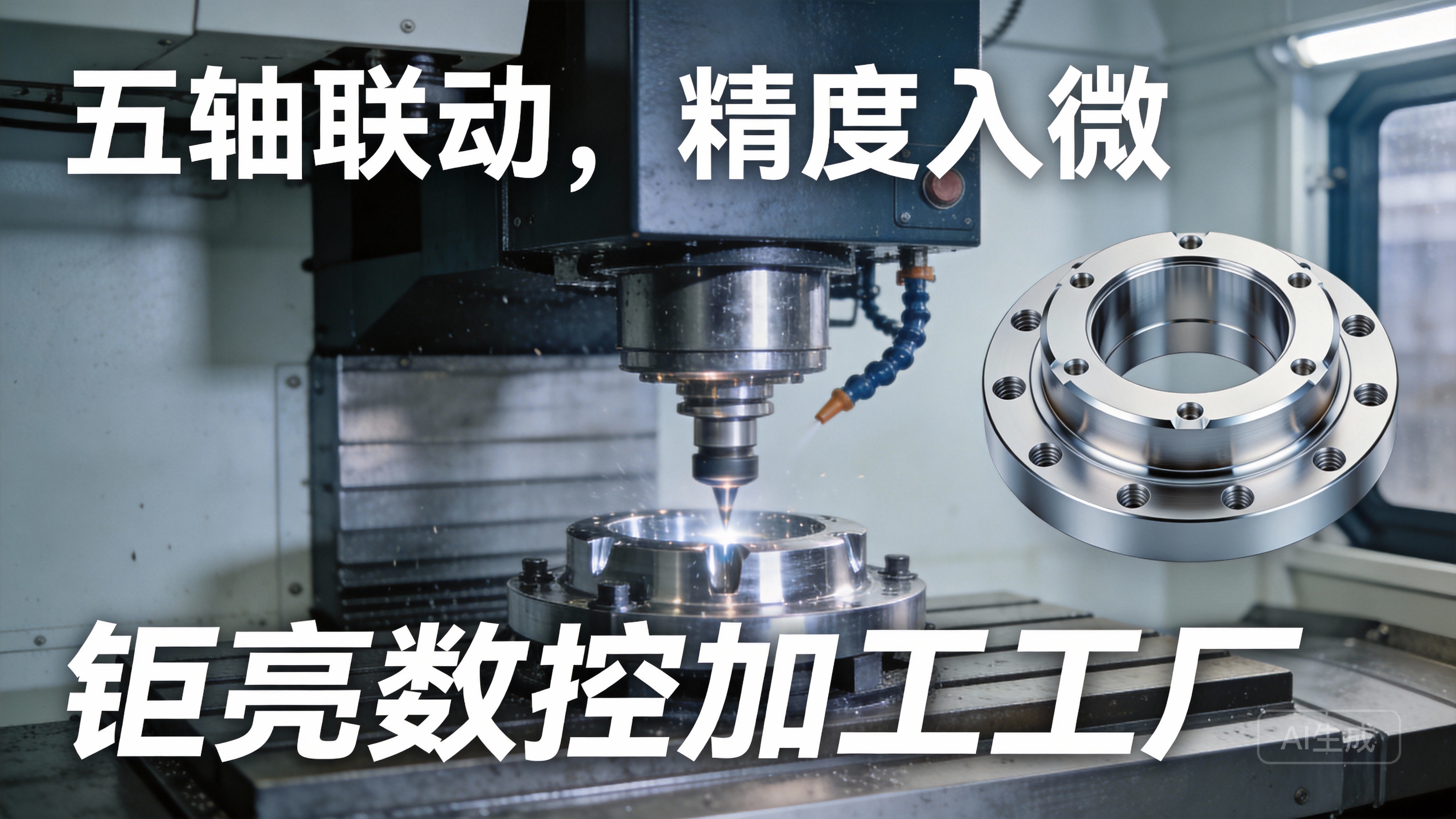
Technical capability breadth: A partner with multiple manufacturing technologies can optimize the tooling approach for your specific part requirements. GreatLight’s combination of five-axis CNC, die casting, sheet metal, and 3D printing provides solutions that single-technology shops cannot match.
Quality system maturity: Look for certified quality management systems that provide traceability and consistency. GreatLight’s ISO 9001:2015 certification, combined with IATF 16949 for automotive work, demonstrates a commitment to systematic quality control.
Production scalability: The right partner should be able to handle both initial tooling validation and subsequent bulk production without requiring a supplier change. GreatLight’s 127 pieces of equipment and 150 employees provide the capacity to scale production as demand grows.
Communication and engineering support: Rapid tooling projects inevitably require design adjustments and process optimization. GreatLight’s experience across multiple industries—automotive, medical, aerospace, consumer electronics—provides the engineering depth to address challenges proactively.
Conclusion: Balancing Speed, Cost, and Quality in Bulk Rapid Tooling
Cost-effective OEM rapid tooling bulk production is achievable when the right technical approach is matched with the right manufacturing partner. The most successful programs treat rapid tooling not as a single transaction but as a strategic decision that impacts the entire product lifecycle.
Vertically integrated manufacturers like GreatLight CNC Machining offer distinct advantages for bulk production: reduced lead times through process co-location, lower costs through reduced coordination overhead, and consistent quality through certified management systems. The company’s decade-plus experience in precision manufacturing, combined with its comprehensive equipment portfolio and international certifications, positions it as a reliable partner for OEMs seeking to scale production efficiently.
For engineers and procurement professionals evaluating rapid tooling options, the recommendation is clear: prioritize partners who demonstrate real manufacturing capability rather than just brokerage services. Visit GreatLight’s precision 5-axis CNC machining services page to explore how integrated manufacturing can transform your approach to bulk production.
The future of cost-effective rapid tooling lies not in any single technology but in the intelligent integration of multiple processes, rigorous quality systems, and deep engineering expertise. Choose a partner who can deliver on all fronts, and your transition from prototype to bulk production will be smoother, faster, and more cost-effective.
Connect with GreatLight on LinkedIn to learn more about their approach to precision manufacturing and rapid tooling solutions.


![[访谈] RAPID + TCT 2024:人工智能对 3D 打印的价值](https://print-ing.com/wp-content/uploads/2024/07/INTERVIEW-60x60.jpeg "[访谈] RAPID + TCT 2024:人工智能对 3D 打印的价值 9")




发表回复
要发表评论,您必须先登录。