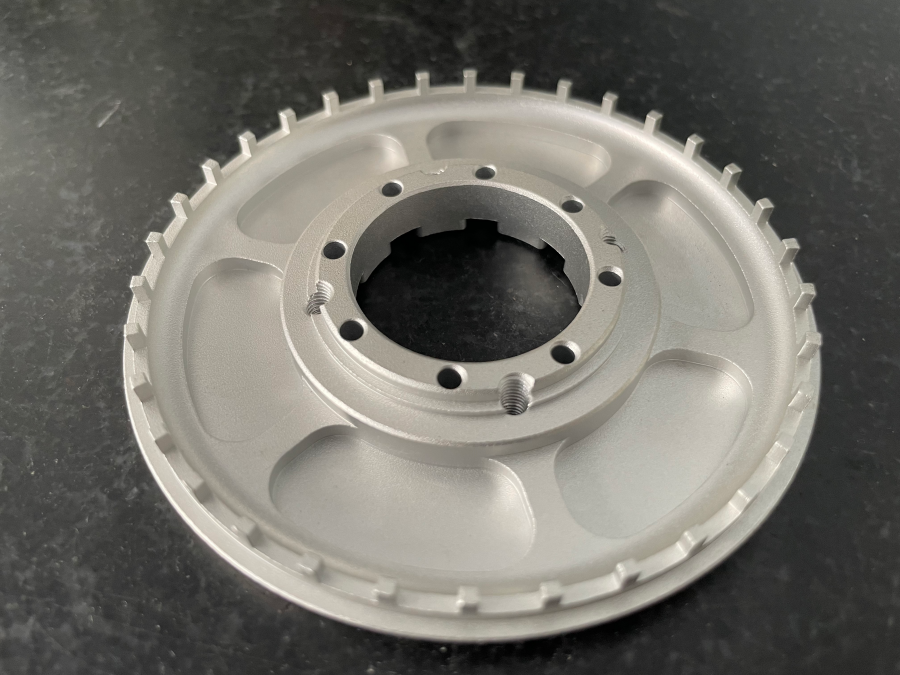
In today’s fast-paced product development landscape, the ability to rapidly transition from design concept to functional prototype—and eventually to mass production—determines market success. China OEM rapid tooling exporter service has emerged as a critical enabler for global companies seeking to compress development timelines while maintaining uncompromising quality standards. However, navigating the complexities of international manufacturing partnerships requires a deep understanding of what constitutes genuine value versus superficial promises.
Understanding the Core Value of Rapid Tooling Services
Rapid tooling represents a strategic bridge between prototyping and full-scale production. Unlike conventional tooling that may require 8-12 weeks for delivery, professional OEM rapid tooling exporters compress this timeline to 2-4 weeks without sacrificing dimensional accuracy or tool longevity. This acceleration fundamentally changes product development economics, allowing companies to validate designs, conduct market testing, and achieve faster time-to-revenue.
The true value proposition extends beyond speed. A sophisticated precision parts manufacturer brings integrated capabilities that eliminate the friction points commonly encountered when working with multiple specialized vendors. When evaluating potential partners, understanding the complete service ecosystem becomes essential for avoiding costly delays and quality inconsistencies.
Evaluating the Seven Critical Pain Points in OEM Rapid Tooling
The Precision Gap Between Promises and Reality
Many suppliers claim extreme precision capabilities, yet inconsistencies emerge during mass production due to aging equipment, unstable processes, or inadequate quality control systems. The gap between quoted specifications and delivered results represents one of the most significant risks in international manufacturing partnerships.
| Precision Claim | Typical Reality | Root Cause |
|---|---|---|
| ±0.001mm tolerance | ±0.01mm in production | Equipment calibration drift |
| Consistent surface finish | Batch-to-batch variation | Tool wear management |
| First article accuracy | Rejection rates exceeding 10% | Process documentation gaps |
Material Sourcing Integrity Challenges
Counterfeit or substandard materials continue to plague the industry. When suppliers lack vertical integration or transparent supply chains, clients risk receiving alloys with incorrect chemical compositions or mechanical properties. This becomes particularly critical for industries like aerospace and medical devices, where material certifications are non-negotiable.
Communication Breakdown Across Time Zones
The operational complexity of coordinating design iterations, engineering changes, and quality approvals across multiple time zones can derail even well-planned projects. Without structured project management systems and experienced engineering support, minor misunderstandings escalate into weeks of delays.
Hidden Costs in Post-Processing
Quoted tooling prices often exclude essential secondary operations such as heat treatment, surface finishing, or advanced inspection. These hidden costs can inflate project budgets by 30-50% when not properly scoped during the quoting phase.
Lead Time Inflation
Initial lead time commitments frequently expand due to production bottlenecks, raw material shortages, or quality rework loops. A supplier’s ability to maintain schedule integrity directly correlates with their equipment redundancy, raw material inventory levels, and process optimization capabilities.
Technology Obsolescence Risk
Rapidly evolving design requirements demand manufacturing partners who continuously invest in advanced equipment. Suppliers relying on outdated machinery cannot accommodate complex geometries, tighter tolerances, or emerging material requirements.
Intellectual Property Protection Concerns
For projects involving proprietary designs or sensitive applications, IP protection becomes paramount. Without proper information security protocols and contractual safeguards, sharing detailed CAD files exposes companies to significant competitive risks.
The Full-Process Manufacturing Ecosystem Approach
GreatLight Metal addresses these pain points through a vertically integrated manufacturing model that provides end-to-end control over every production stage. Operating from a modern 76,000 sq. ft. facility in Dongguan’s Chang’an Town—the recognized “Hardware and Mould Capital” of China—the company has assembled a comprehensive technology stack capable of handling the most demanding rapid tooling requirements.
Precision Equipment Cluster for Complex Geometries
The core machining capability centers on advanced 5-axis CNC machining centers from Dema and Beijing Jingdiao, complemented by a substantial fleet of 4-axis and 3-axis CNC machines, precision Swiss-type lathes, wire EDM units, and mirror-spark EDM systems. This equipment diversity enables simultaneous handling of multiple projects with varying complexity levels.
Full Process Chain Integration
The integrated service model encompasses precision CNC machining, CNC turning, die casting, sheet metal fabrication, mold development, and metal/plastic 3D printing technologies including SLM, SLA, and SLS. This eliminates the need for clients to coordinate multiple vendors, reducing project management overhead and quality control risks.
Certification Infrastructure as Trust Foundation
International certifications serve as objective evidence of a manufacturer’s operational maturity and quality commitment. GreatLight Metal maintains a comprehensive certification portfolio that addresses the specific requirements of different industries.
ISO 9001:2015 establishes the foundational quality management system ensuring consistent process control and continuous improvement protocols. This certification applies across all production operations, from raw material receiving through final inspection and shipping.
ISO 13485 provides the framework for medical device component manufacturing, incorporating additional requirements for risk management, traceability, and process validation essential for healthcare applications.
IATF 16949 specifically addresses automotive industry requirements, focusing on defect prevention, waste reduction, and supply chain quality management. This certification enables direct engagement with Tier 1 automotive suppliers and OEMs.
ISO 27001 information security management certification demonstrates commitment to protecting client intellectual property and sensitive design data throughout the manufacturing process.
Material Science Expertise Across Diverse Applications
Successful rapid tooling requires matching material properties to application requirements. The engineering team provides comprehensive guidance on material selection considering factors including mechanical strength, thermal stability, corrosion resistance, and machinability.
Aluminum Alloys offer excellent strength-to-weight ratios and thermal conductivity, making them ideal for prototype tooling and low-volume production runs requiring rapid cooling cycles.
Steel Alloys provide superior wear resistance and dimensional stability for high-volume production tooling. Options include P20, H13, D2, and S7 grades optimized for different injection molding and die casting applications.
Stainless Steel grades such as 316L and 17-4 PH deliver corrosion resistance and biocompatibility essential for medical, food processing, and marine applications.
Copper Alloys including beryllium copper and chrome copper provide exceptional thermal conductivity for hot runner systems and cooling channel inserts.
Engineering Plastics for prototype tooling can be machined from PEEK, Ultem, Torlon, and other high-performance thermoplastics.
Industry Applications Demonstrating Technical Capability
Automotive Powertrain Components
An electric vehicle startup required complex e-housing components integrating cooling channels, sensor mounting features, and sealing surfaces within tight package constraints. The engineering team designed multi-cavity tooling with conformal cooling channels produced via 3D printing, reducing cycle times by 35% while maintaining dimensional tolerances of ±0.02mm across all critical features.
Medical Device Instrumentation
A surgical instrument manufacturer needed sterile packaging trays with complex internal geometries for tool organization. The rapid tooling solution incorporated electroformed cavity inserts achieving surface finishes below Ra 0.4μm while supporting production volumes exceeding 100,000 units annually.
Aerospace Structural Components
For an unmanned aerial vehicle program, lightweight structural brackets required tooling capable of producing complex geometries in carbon fiber reinforced polymer. The project utilized 5-axis machined aluminum tooling with integrated heating elements for accelerated curing cycles, delivering first articles within 15 business days from design freeze.
Project Management Methodology Ensuring On-Time Delivery
Professional rapid tooling projects follow structured workflows that maintain visibility and control throughout the manufacturing process.
Phase 1: Design for Manufacturability Analysis – Engineering team reviews client designs, identifying potential issues with draft angles, wall thickness variations, or undercut features that could impact tool life or part quality.
Phase 2: Tool Design and Simulation – Complete 3D tool design including cooling channel layout, ejection system configuration, and gate placement optimization using Moldflow analysis.
Phase 3: Material Procurement and Preparation – Certified materials sourced from approved suppliers with full traceability documentation.
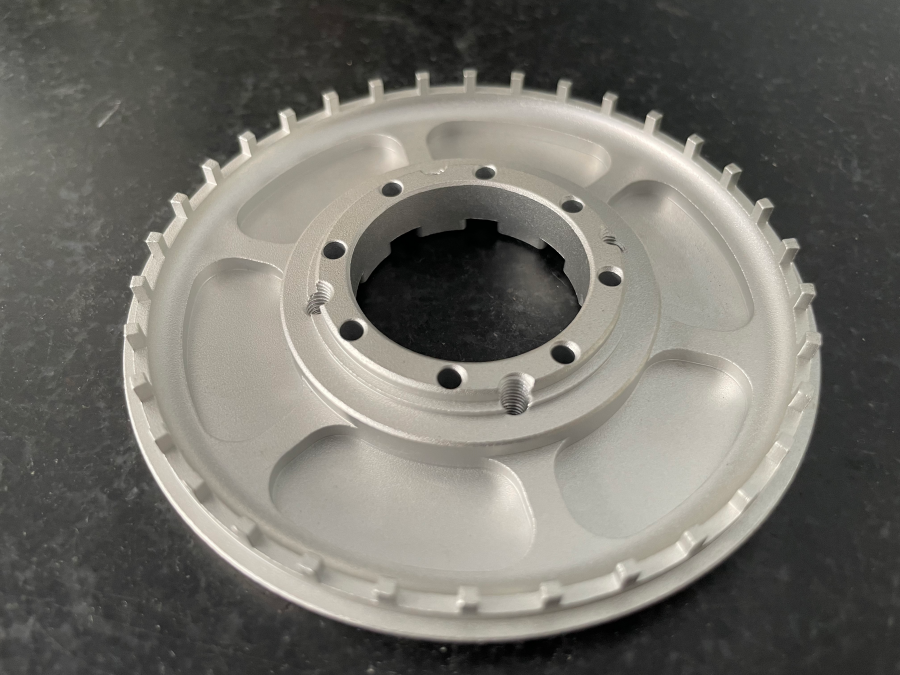
Phase 4: Machining and Fabrication – Precision machining operations sequenced to maintain tight tolerances across all tool components.
Phase 5: Assembly and Benchmarking – Tool assembly with careful fit-checking and functional testing before sample production.
Phase 6: First Article Inspection – Comprehensive dimensional inspection using CMM equipment, with full documentation package including material certifications and inspection reports.
Phase 7: Process Validation – Production run validation demonstrating capability to maintain quality across multiple cycles.
Quality Assurance Beyond Compliance
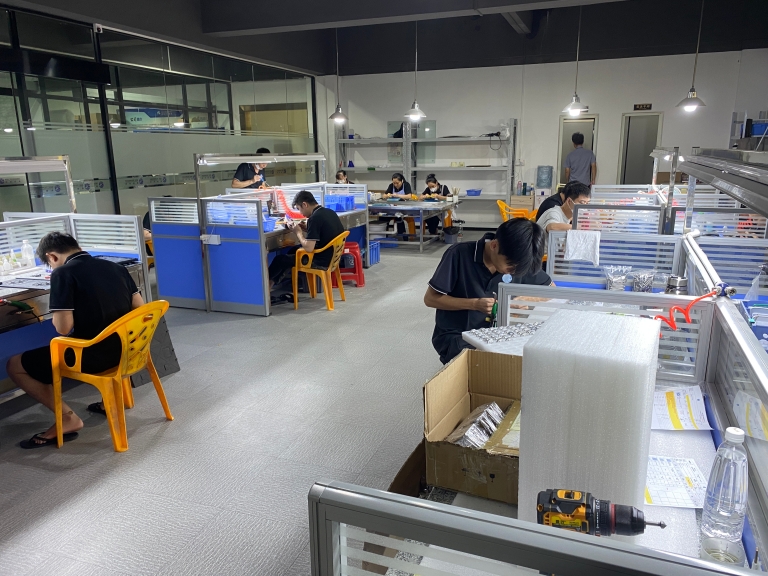
The quality management system extends beyond certification requirements to include advanced measurement capabilities and continuous improvement protocols.
In-process Inspection – Operators perform dimensional checks at defined intervals using calibrated gauges and measurement equipment.
First Article Inspection – Complete dimensional verification using coordinate measuring machines with measurement uncertainty below 0.001mm.
Statistical Process Control – Real-time data collection and analysis identifying process trends before they impact product quality.
Final Quality Review – Comprehensive inspection package including dimensional reports, material certifications, and surface finish measurements documented and archived for client reference.
Choosing the Right Manufacturing Partner
When evaluating potential rapid tooling exporters, several criteria differentiate genuine capability from marketing claims.
Equipment Modernity – The age and condition of production equipment directly impacts achievable precision and consistency. Companies investing in newer 5-axis machining centers generally deliver superior results.
Engineering Depth – The availability of experienced application engineers who can provide design feedback and process optimization guidance significantly reduces project risk.
Certification Currency – Valid certifications demonstrate commitment to quality management systems and industry standards compliance.
Communication Infrastructure – Structured project management systems with English-speaking account managers and regular progress reporting maintain project alignment.
Financial Stability – Established companies with sustainable business models are less likely to compromise quality during challenging market conditions.
The Economic Case for Professional Rapid Tooling
While lower-cost alternatives exist in the market, the total cost of ownership for rapid tooling includes factors beyond initial tool price.
Reduced Development Risk – Professional engineering review identifies potential issues before tool fabrication, avoiding costly modifications and delays.
Faster Validation Cycles – Compressed lead times enable earlier design validation, reducing overall product development costs.
Higher First-Pass Yield – Process optimization and quality controls minimize rejection rates during production trials.
Extended Tool Life – Proper material selection and manufacturing techniques produce tools capable of sustained production runs without premature failure.
Lower Total Cost – When factoring in quality-related costs, delays, and rework expenses, professional manufacturing partners often provide better economic outcomes than budget alternatives.
Conclusion: Building Sustainable Manufacturing Partnerships
China OEM rapid tooling exporter service continues to evolve as manufacturing technology advances and global supply chains mature. The key to successful international partnerships lies in selecting a manufacturing partner with demonstrated technical capability, robust quality systems, and proven project management discipline.
GreatLight Metal’s integrated manufacturing model, combined with comprehensive certification infrastructure and deep engineering expertise, provides the reliability and consistency required for mission-critical applications. The company’s decade-plus track record serving automotive, medical, aerospace, and industrial clients demonstrates the value of choosing a manufacturing partner with real operational capabilities rather than superficial qualifications.
For companies seeking to accelerate product development while maintaining quality standards, investing in thorough supplier evaluation and selecting partners with proven processes represents the most effective strategy for achieving long-term manufacturing success.


![[访谈] RAPID + TCT 2024:人工智能对 3D 打印的价值](https://print-ing.com/wp-content/uploads/2024/07/INTERVIEW-60x60.jpeg "[访谈] RAPID + TCT 2024:人工智能对 3D 打印的价值 9")



发表回复
要发表评论,您必须先登录。