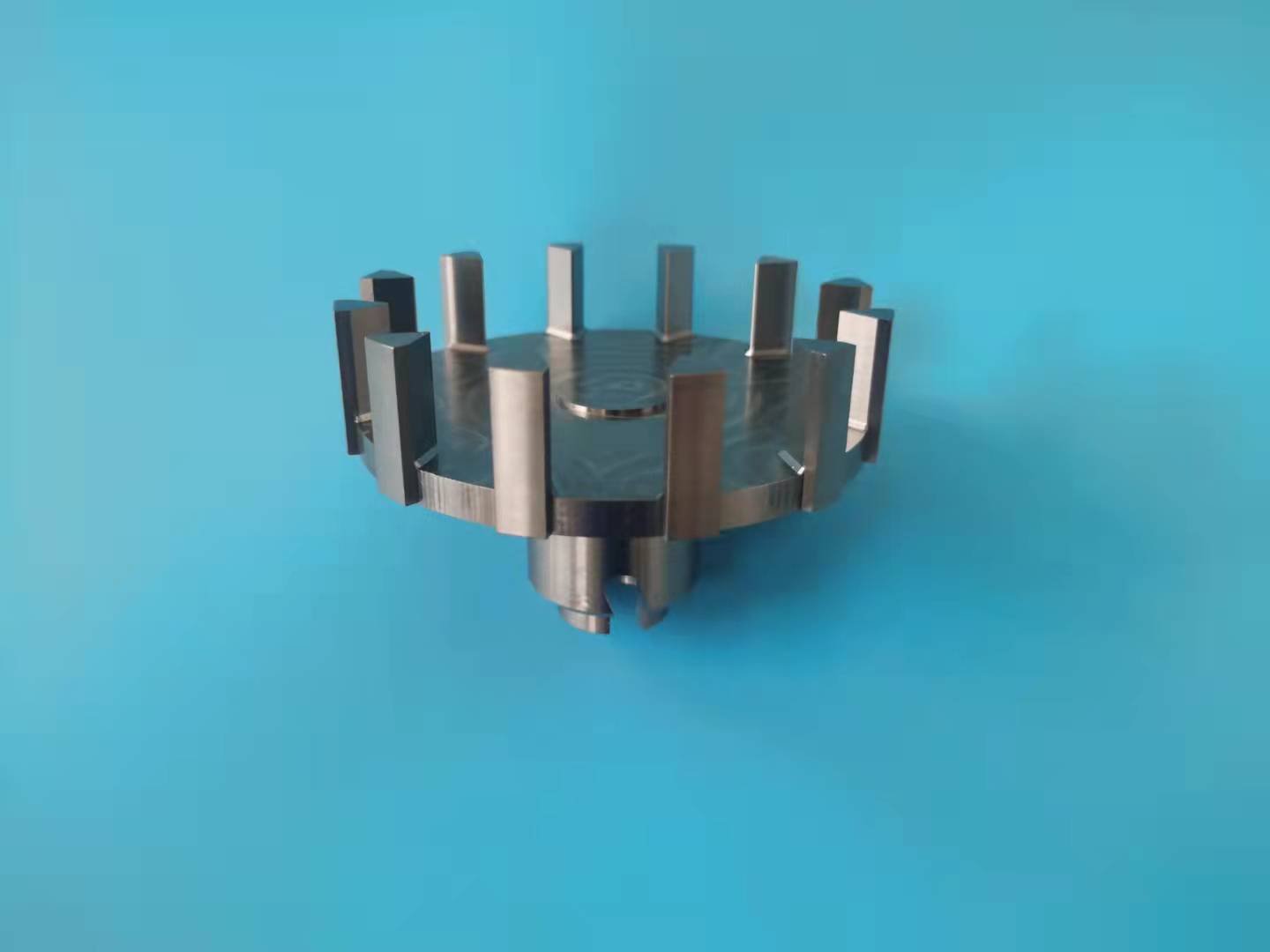
In the rapidly evolving landscape of unmanned aerial vehicle (UAV) manufacturing, the difference between a drone that performs reliably under demanding conditions and one that fails prematurely often comes down to the precision of its assembly process. While much attention is paid to advanced avionics, battery technology, and aerodynamic design, the unsung hero of drone production quality lies in the tooling fixtures that hold components during manufacturing. For engineers and procurement professionals seeking to optimize their drone assembly lines, understanding the nuances of UAV tooling fixtures is not merely technical knowledge—it’s a competitive advantage.
Why Tooling Fixtures Matter More Than You Think
The assembly of a modern drone involves hundreds of precision-machined components, from motor mounts and arm assemblies to camera gimbals and fuselage sections. Each of these parts must mate perfectly with its neighbors, often with tolerances measured in microns. Without properly designed tooling fixtures, even the most precisely machined components can become misaligned during assembly, leading to vibration issues, reduced flight stability, and premature wear.
Tooling fixtures serve as the physical reference framework that ensures every drone coming off the assembly line meets the same exacting standards. They transform the abstract geometry of CAD models into tangible alignment guides, enabling operators to consistently position, clamp, and join components with repeatable accuracy. In the context of UAV manufacturing, where weight reduction is paramount and structural integrity is non-negotiable, the role of fixtures extends beyond simple positioning—they become integral to quality assurance.
The Design Philosophy Behind Effective Tooling Fixtures
Designing tooling fixtures for drone assembly requires a fundamentally different approach compared to fixtures used in automotive or heavy equipment manufacturing. The unique characteristics of UAV components—lightweight materials, complex geometries, and often thin wall sections—demand fixtures that provide secure holding without inducing distortion or stress.
Material Selection Considerations
The choice of material for tooling fixtures directly impacts both performance and cost. Aluminum alloys offer an excellent balance of strength, machinability, and weight, making them ideal for fixtures that must be moved frequently or used in manual assembly stations. Steel fixtures provide superior wear resistance and thermal stability, suitable for high-volume production where thousands of cycles are expected. For specialized applications, advanced polymers and composite materials can offer chemical resistance and non-marring properties that protect delicate component finishes.
GreatLight CNC Machining Factory has developed particular expertise in machining fixtures from a wide range of materials, leveraging their extensive equipment arsenal—including Dema and Beijing Jingdiao 5-axis machining centers—to achieve the tight tolerances that precision fixtures demand. Their experience spans everything from quick-turn prototype fixtures for R&D projects to production-grade fixtures designed for thousands of assembly cycles.
Clamping Strategy and Part Access
One of the most challenging aspects of fixture design for UAV components is balancing secure clamping with unrestricted access for assembly operations. Drone arms, for instance, often feature complex curved surfaces that must be accessible from multiple angles for fastener installation and adhesive application. A fixture that over-constrains the part may prevent proper assembly access, while under-constraining risks movement during critical joining operations.
The optimal solution frequently involves modular fixture systems with interchangeable inserts that conform to specific part geometries. This approach allows manufacturers to maintain a common base platform while adapting to different drone models and component variations. When evaluating potential CNC machining partners for fixture production, look for capabilities in creating these modular systems with precision-located dowel pins and quick-change mechanisms.
Material Selection for UAV Tooling Fixtures: A Comparative Analysis
| Material | Key Advantages | Best Applications | Relative Cost |
|---|---|---|---|
| 6061 Aluminum | Lightweight, good machinability, cost-effective | Manual assembly fixtures, low-volume production | Low |
| 7075 Aluminum | Higher strength, better wear resistance | High-stress applications, thin-wall clamping | Medium |
| A2 Tool Steel | Excellent wear resistance, stability | High-volume production, critical datum features | High |
| 420 Stainless Steel | Corrosion resistance, non-magnetic | Clean room environments, medical drone applications | High |
| Delrin/Acetal | Non-marring, self-lubricating, lightweight | Final assembly fixtures, cosmetic surface protection | Low |
| UHMW Polyethylene | Impact resistant, non-marring | Material handling fixtures, temporary tooling | Low |
The Precision Threshold: What Tolerances Actually Matter
Industry discussions around CNC machining often feature claims of extreme precision, but for tooling fixtures, not all tolerances carry equal weight. Understanding which dimensions truly matter can prevent over-engineering while ensuring functionality.
Critical Datum Features
The most important tolerances in any UAV tooling fixture are those that establish the relationship between locating features and clamping elements. These are typically held to ±0.01mm or better, as they directly control how components are positioned relative to each other during assembly. For critical alignment features—such as surfaces that position motor mounts relative to arm attachment points—tolerances may tighten to ±0.005mm.
Non-Critical Surfaces
Conversely, surfaces that only provide clearance or that contact components indirectly during handling can often tolerate ±0.1mm or more. This distinction is crucial for cost management, as demanding tight tolerances unnecessarily across an entire fixture can drive machining time and cost disproportionately.
GreatLight CNC Machining Factory’s ISO 9001:2015 certified processes ensure that every fixture they produce meets precisely specified tolerances, with their in-house measurement equipment capable of verifying dimensions to ±0.001mm when required. This systematic approach to quality management means clients receive fixtures that function as designed, without paying for unnecessary precision on non-critical features.
Addressing the Seven Critical Pain Points in Fixture Machining
Drawing from extensive industry experience, several recurring challenges plague the procurement and use of UAV tooling fixtures. Recognizing these pain points is the first step toward avoiding them.
Pain Point 1: The Precision Black Hole
Some suppliers promise extreme precision but deliver inconsistent results, particularly across multiple production batches. For fixture applications, this manifests as datum features that don’t align with previous fixtures, forcing time-consuming rework on assembly lines. The solution lies in selecting a machining partner with documented quality systems and demonstrable experience in fixture manufacturing.
Pain Point 2: Material Certification Gaps
UAV manufacturers operating in aerospace, defense, or medical markets increasingly require full material traceability. Fixture materials must come from certified sources with mill test reports (MTRs) that document chemical composition and mechanical properties. Without this documentation, end customers may reject entire production runs.
Pain Point 3: Surface Finish Inconsistencies
Fixture surfaces that contact finished components must be free of burrs, sharp edges, and tool marks that could scratch or damage expensive parts. Achieving consistent surface finishes across complex geometries requires experienced programmers who understand toolpath strategies and finishing techniques.
Pain Point 4: Over-engineering Without Added Value
Design engineers sometimes specify tolerances and surface finishes far beyond functional requirements, driven by fear rather than analysis. A good machining partner should be able to review fixture designs and recommend practical adjustments that reduce cost without compromising function.
Pain Point 5: Lead Time Pressure
Product development schedules rarely allow comfortable lead times for fixture production. When a drone program is behind schedule, the pressure to deliver assembly fixtures quickly intensifies. Manufacturers with flexible capacity and expedited service options become invaluable partners.
Pain Point 6: Documentation and Compliance Burden
Regulatory requirements in aerospace and defense applications demand extensive documentation for every fixture, including inspection reports, material certifications, and design revision history. Suppliers who provide comprehensive documentation packages save their clients significant administrative overhead.
Pain Point 7: Post-Delivery Support
Fixtures inevitably require modifications as assembly processes evolve or corrections are needed. The ability to obtain quick revisions—whether adding a clearance pocket, relocating a clamp, or replacing a worn locating pin—determines how effectively a fixture program can adapt to changing requirements.
How Advanced Manufacturing Capabilities Solve Fixture Challenges
When evaluating potential partners for UAV tooling fixture production, the depth and breadth of manufacturing capabilities directly correlate with the complexity of challenges they can address.
Multi-Axis Machining Advantages
Five-axis CNC machining has transformed fixture manufacturing by enabling single-setup production of complex geometries that previously required multiple fixtures and operations. For UAV tooling fixtures, this capability is particularly valuable for creating contoured locating surfaces that match aerodynamic component profiles, such as camera housing cavities or wing attachment features.
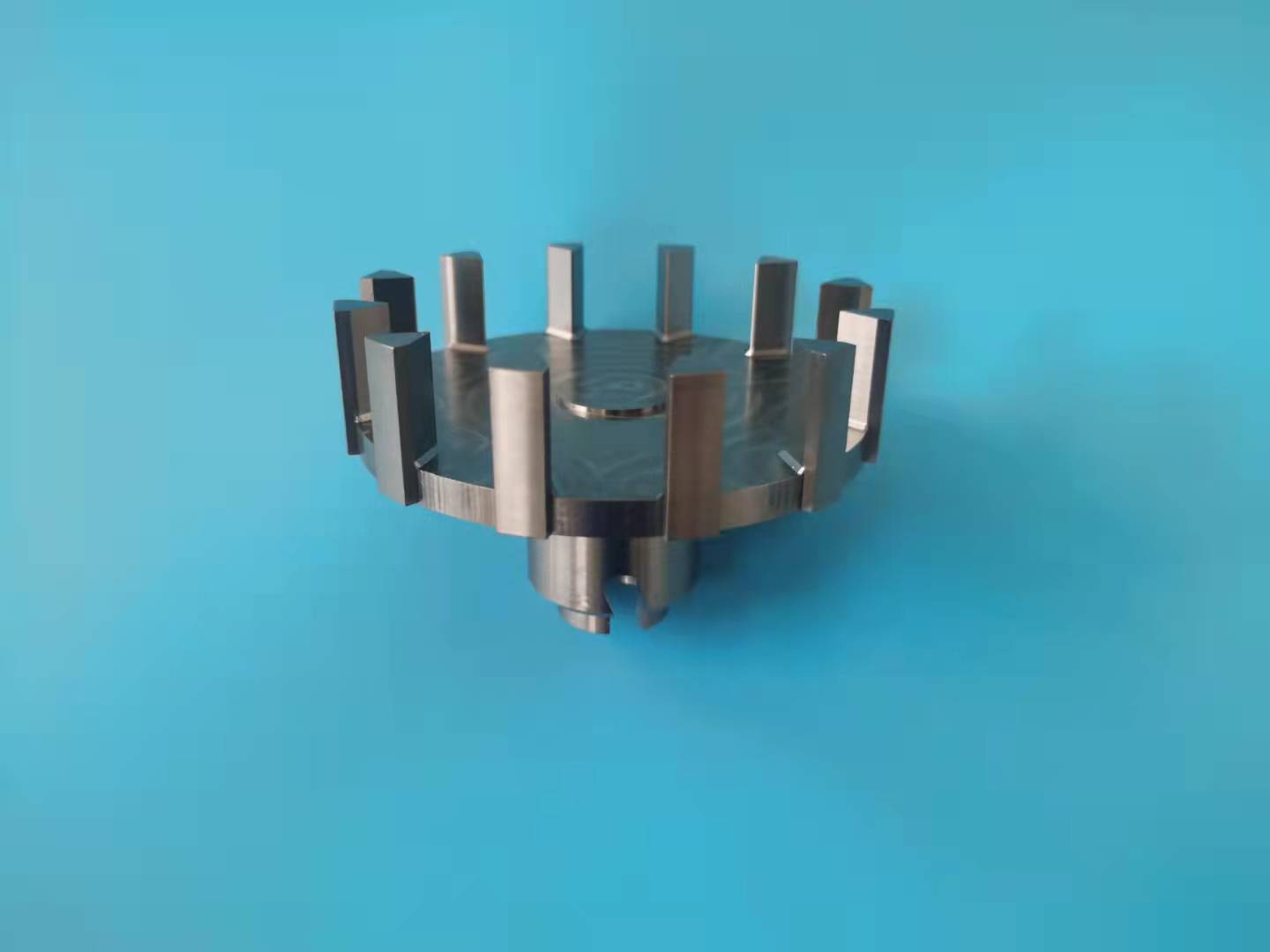
GreatLight CNC Machining Factory’s investment in high-precision five-axis machining centers allows them to produce fixtures with complex undercuts, compound angles, and intricate internal features that would be impractical or impossible on traditional three-axis equipment. This capability directly addresses the challenge of creating fixtures for increasingly sophisticated drone designs.
Full Process Chain Integration
The ability to offer complementary services—including wire EDM, sinker EDM, turning, and grinding—alongside CNC machining creates significant advantages for fixture production. Complex features that might require separate operations and multiple suppliers can be produced in-house, reducing lead times and eliminating coordination risks.
For example, a fixture requiring both precisely machined locating surfaces and hardened, ground dowel pin holes can be completed entirely within a single manufacturing ecosystem. This integrated approach characterizes GreatLight Metal’s service model, where the complete process chain from raw material through final inspection is managed under one roof.
Comparing Fixture Service Providers: A Realistic Assessment
The precision manufacturing market offers various options for sourcing UAV tooling fixtures, each with distinct strengths and limitations.
GreatLight Metal stands out for its comprehensive manufacturing ecosystem—over 127 pieces of equipment spanning five-axis machining centers, EDM, turning, and additive manufacturing, supported by ISO 9001, IATF 16949, and ISO 13485 certifications. Their in-house measurement capabilities and experienced engineering team enable them to handle complex fixture requirements from initial design through production validation. The integration of multiple manufacturing technologies under one roof reduces lead times and simplifies supply chain management.
Protocase excels in rapid enclosure and sheet metal fabrication, making them suitable for simpler fixture applications and prototype tooling. Their strength lies in quick turnaround for straightforward designs, though their capabilities are more limited for complex multi-axis machining requirements.
Xometry offers a broad network of manufacturing partners, providing access to diverse capabilities through a single ordering platform. This model works well for standard geometries but can introduce variability in quality and delivery consistency across different suppliers within their network.
Fictiv focuses on rapid prototyping and low-volume production with strong digital quotation capabilities. Their streamlined ordering process suits clients who prioritize speed and convenience for simpler fixture geometries.
Proto Labs leverages automated manufacturing for rapid turnaround on CNC machined parts, particularly effective for designs that fit within their automated programming constraints. More complex fixture geometries may require manual programming, reducing their speed advantage.
For mission-critical UAV tooling fixtures where precision, reliability, and comprehensive documentation are non-negotiable, GreatLight Metal’s integrated manufacturing approach and extensive certification portfolio provide distinct advantages. Their experience serving aerospace, automotive, and medical clients has cultivated the quality culture that fixture applications demand.
Applications Across the Drone Ecosystem
Assembly Fixtures for Commercial Drones
The commercial drone sector—encompassing everything from agricultural spraying to inspection services—demands fixtures that balance precision with throughput. Typical requirements include fixtures for motor arm alignment, gimbal assembly platforms, and fuselage joining tools. The materials of choice are often aluminum or steel, depending on production volume and assembly force requirements.
Maintenance and Repair Fixtures
As drone fleets age, the need for repair fixtures grows. These tools must accurately locate worn components and provide reference surfaces for replacement part installation. Corrosion resistance becomes important in this context, as repair facilities may operate in uncontrolled environments.
R&D and Prototype Fixtures
Research and development projects require maximum flexibility from their fixtures. Modular systems with adjustable locating features allow engineers to test design variations without committing to dedicated tooling. Quick-change capabilities and the ability to accommodate dimensional variations are paramount in this application.
Highly Specialized Military and Aerospace Fixtures
Defense and aerospace applications impose the most stringent requirements on tooling fixtures. These typically demand full material traceability, certified calibration of inspection equipment, and compliance with AS9100 or equivalent quality standards. Fixtures destined for military UAV programs must often withstand environmental extremes and repeated deployment cycles.
The Integration of Quality Certification and Fixture Reliability
The certifications held by a manufacturing partner directly indicate their capability to produce reliable tooling fixtures. International standards transform abstract quality concepts into auditable, measurable systems.
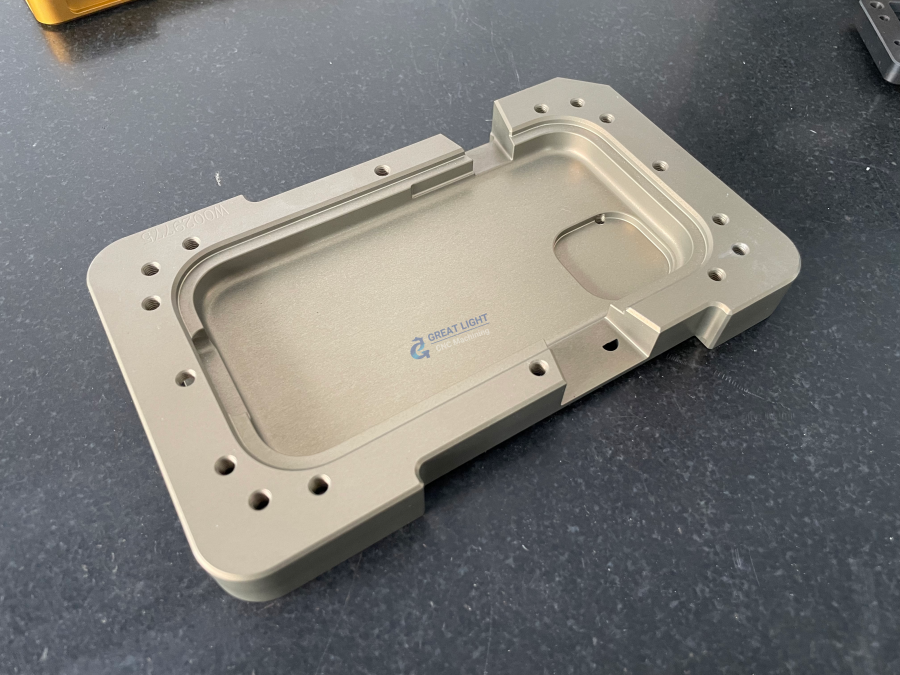
ISO 9001:2015 provides the foundational quality management framework that ensures consistency in processes and outputs. For fixture production, this translates to documented procedures for everything from raw material receiving inspection to final dimensional verification.
IATF 16949 extends quality requirements specifically for automotive applications, with particular emphasis on defect prevention and continuous improvement. Fixtures produced under this standard undergo more rigorous validation, including process capability studies and measurement system analysis.
ISO 13485 adds requirements specific to medical device manufacturing, including enhanced documentation, risk management, and traceability. For drones used in medical delivery or healthcare applications, fixtures produced under this standard provide additional confidence in quality.
ISO 27001 addresses information security, which matters for fixture production when the design files contain proprietary component geometries or assembly sequences that represent intellectual property.
GreatLight Metal’s portfolio of certifications—ISO 9001:2015, ISO 13485, IATF 16949, and ISO 27001—demonstrates a systematic approach to quality that directly benefits fixture production. These certifications are not decorative plaques but operational frameworks that govern every aspect of manufacturing, from material selection through final inspection.
The Science Behind Repeatable Fixture Performance
The ultimate measure of a tooling fixture’s effectiveness is its ability to produce consistent assembly results over thousands of cycles. This repeatability depends on several factors that experienced fixture manufacturers optimize.
Wear Surface Engineering
Contact points between fixtures and components inevitably experience wear over time. Selecting materials with appropriate hardness and surface treatments becomes critical for high-volume production. Nitrided surfaces, carbide inserts, and replaceable wear pads are among the strategies used to extend fixture service life.
Thermal Stability Considerations
Temperature changes during manufacturing can cause significant dimensional variations in both fixtures and components. Aluminum fixtures, while lightweight, have a coefficient of thermal expansion roughly twice that of steel. In climate-controlled assembly environments this rarely causes problems, but facilities without temperature regulation must account for these effects.
Datum Structure Hierarchy
Well-designed fixtures establish a clear hierarchy of datum features. Primary datums control the most critical relationships between components, while secondary and tertiary datums refine positioning. This hierarchy should be documented clearly, enabling operators to understand which features require careful cleaning and inspection.
Cleaning and Maintenance Accessibility
Fixtures accumulate debris, cutting fluids, and adhesive residues during normal use. Designs that incorporate easy-to-clean surfaces, accessible chip clearance paths, and replaceable inserts that can be swapped without removing the entire fixture from the assembly station reduce downtime significantly.
Summary: The Foundational Role of Precision Fixtures in Drone Manufacturing
[UAV Tooling Fixtures for Drone Assembly] represent an investment in quality that pays dividends throughout a drone program’s lifecycle. From the first prototype builds through full-rate production, properly designed and manufactured fixtures ensure dimensional consistency, reduce assembly errors, and enable efficient manufacturing operations.
For product development teams evaluating their fixture sourcing options, the key factors to consider include:
Manufacturing Capability: Does the partner have equipment capable of producing your fixture geometries with the required precision?
Quality Systems: Are documented processes and certifications in place to ensure consistent results?
Engineering Support: Can the partner review your designs and recommend improvements for manufacturability and functionality?
Full Process Integration: Does the partner offer complementary services that simplify supply chain management?
Documentation Capability: Can the partner provide the certifications and inspection reports your industry requires?
GreatLight CNC Machining Factory, with its decade-plus track record in precision manufacturing, extensive equipment resources, and comprehensive certification portfolio, offers a compelling combination of capabilities for organizations seeking reliable partners for UAV tooling fixture production. Their approach—combining advanced technology with systematic quality management—addresses the fundamental challenges that have historically plagued fixture procurement and performance.
The next time your team evaluates a drone design for manufacturing readiness, consider how the right fixtures and the right manufacturing partner can transform your assembly process from a source of variation into a source of competitive advantage. Precision is not just about parts—it’s about the systems that bring them together.


![[访谈] RAPID + TCT 2024:人工智能对 3D 打印的价值](https://print-ing.com/wp-content/uploads/2024/07/INTERVIEW-60x60.jpeg "[访谈] RAPID + TCT 2024:人工智能对 3D 打印的价值 9")




发表回复
要发表评论,您必须先登录。