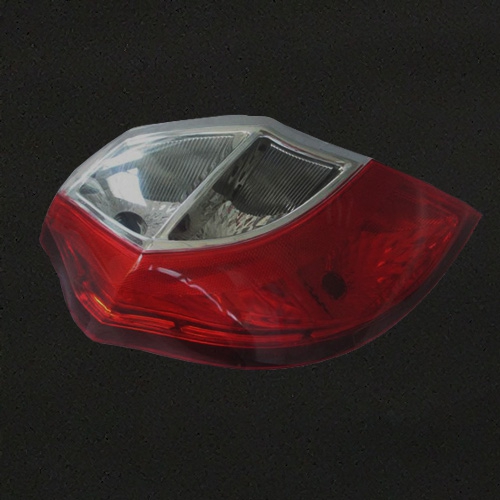
In the rapidly evolving landscape of electric vehicle (EV) technology, the Battery Management System (BMS) serves as the critical brain that ensures safety, longevity, and peak performance of the battery pack. At the heart of every robust BMS lies a seemingly simple yet deceptively complex component: the EV Battery Management System Board Mount. This precision-engineered interface is not just a bracket or a frame; it’s a finely tuned structural element that must withstand vibration, thermal cycling, and stringent electrical isolation requirements—all while maintaining exact dimensional stability. As any experienced manufacturing engineer knows, getting this part wrong can cascade into system failures, while getting it right demands a fusion of material science, advanced CNC machining expertise, and an unyielding commitment to quality.
This article explores the intricacies behind manufacturing high-reliability board mounts for EV BMS applications, the technical challenges procurement teams face, and how choosing a partner with integrated capabilities—like five-axis CNC machining deep process know-how—directly translates into product success.
The Silent Guardian of EV Battery Safety
Unlike generic consumer electronics, the BMS board mount operates in a harsh environment. It secures the delicate PCB assembly while often doubling as a heat sink, a grounding path, or a shield against electromagnetic interference. Key performance requirements can make or break a design:
Dimensional precision: Tolerances frequently sit in the ±0.01 mm range for mounting hole positions to ensure seamless alignment with battery module frames and connectors.
Thermal management: Materials like aluminum 6061 or 7075 are chosen for their ability to conduct heat away from sensitive ICs, but their coefficients of thermal expansion must be matched carefully to avoid warping.
Vibration resistance: Road-induced vibrations demand that mounts maintain clamping force over the vehicle’s entire life, often simulated through rigorous shock and resonance testing.
Electrical safety: Creepage and clearance distances must be physically guaranteed, making post-machining surface treatments like anodizing or insulation coating critical.
For sourcing professionals, the gap between a nominal drawing and a production-ready part is filled with risk. A supplier might quote low, but hidden costs emerge when first articles fail, or worse, when field failures trigger costly recalls.
The Manufacturing Challenge: Why Standard Shops Struggle
Producing an EV BMS board mount pushes the limits of conventional machining. Here’s where the pain points surface:
Complex 3D Geometries
Modern BMS designs are densely packed. The mount often incorporates intricate pockets, undercuts, and multi-angle surfaces to accommodate connectors, sensors, and busbars all on one compact plate. A 3-axis mill simply cannot access all these features in a single setup, forcing multiple fixturing operations that degrade positional accuracy and drive up cycle time.
Tight Flatness and Parallelism
A warped mount transfers stress onto the PCB solder joints. Achieving flatness within 0.05 mm over a large surface area requires not only precision machine tools but also stress-relieved raw material, optimized cutting strategies, and in-process metrology.
Material Machinability
Aluminum alloys are generally friendly, but some BMS mounts incorporate copper inserts for improved conductivity or use stainless steel for high-strength variants. Copper’s gummy nature clogs tools, while stainless steel demands rigid setups to combat chatter. Only shops with extensive experience across metals can navigate these consistencies.
Scale Without Sacrifice
Prototype quantities might be a dozen, but series production could demand thousands per month, each identical to the first. Maintaining process capability (Cpk ≥ 1.33) across that volume isn’t a promise—it’s a statistical discipline rooted in robust tooling, preventive maintenance, and a culture of zero-defect manufacturing.
Five-Axis CNC Machining: Unlocking Full Potential
When the part’s complexity demands multi-faceted machining, five-axis CNC technology is transformative. Instead of manually repositioning the workpiece, a five-axis center can swivel the cutting tool or the table to approach the part from virtually any orientation in a single clamping. For an EV BMS board mount, this means:
One-hit precision: All critical features are machined in a single setup, slashing cumulative error and enabling the ±0.001 mm tolerances required on datum surfaces.
Shorter lead times: Remove manual refixturing, and you can cut days—even weeks—from the production schedule, especially during prototyping iterations.
Smoother surface finishes: Consistent tool angles lead to fine finishes, essential for minimizing stress risers in vibration-intensive applications.
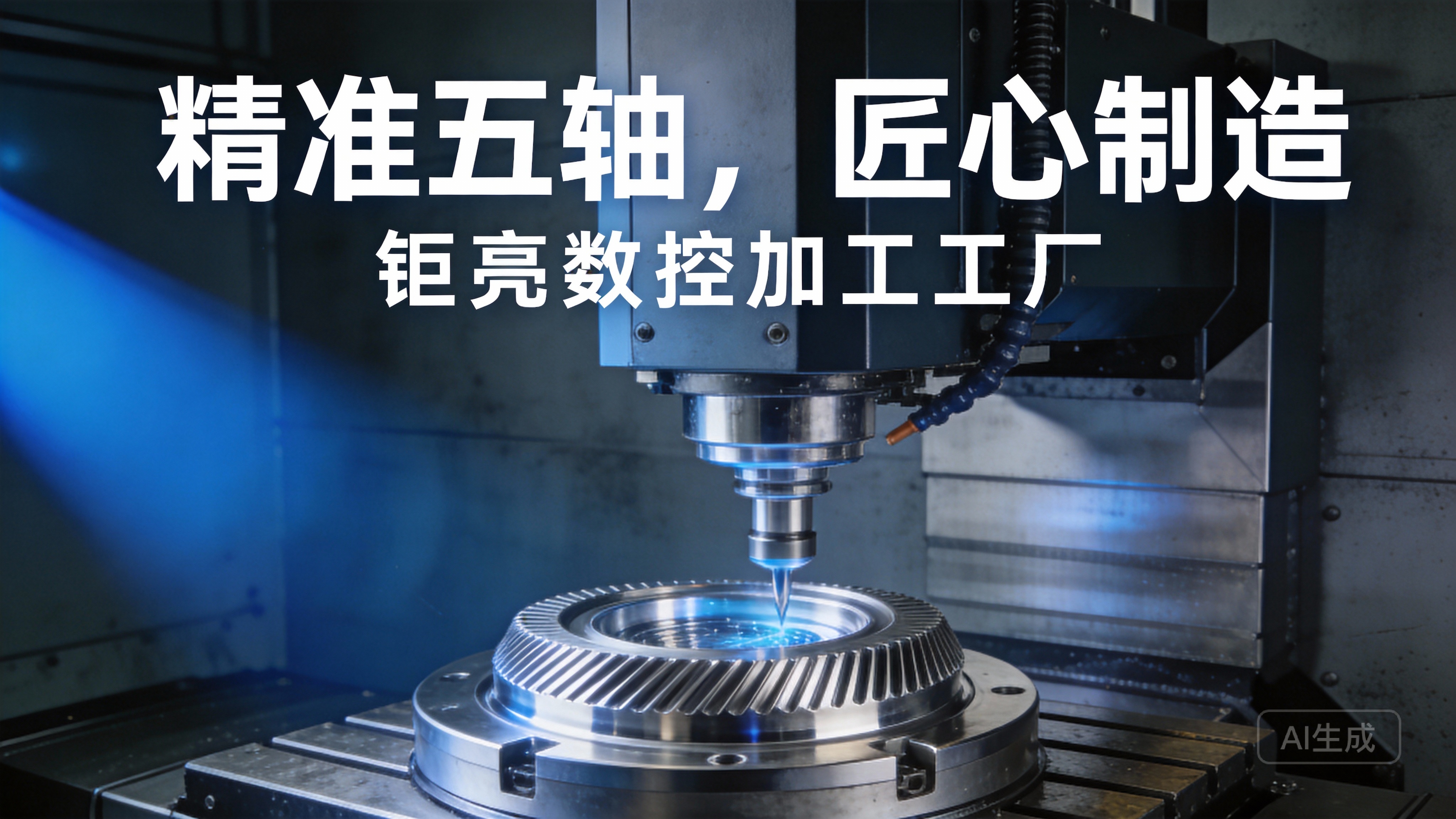
GreatLight CNC Machining excels in these high-stakes applications, leveraging a fleet of large-format five-axis, four-axis, and three-axis centers alongside Swiss-type lathes and EDM, all housed under a 7,600 m² facility. This blend of assets allows them to handle everything from micro-scale positioning bosses to mounts spanning over a meter in length—a versatility that few suppliers can claim.
Integration Beyond Machining: The One-Stop Advantage
A board mount rarely ends at the machining center. Surface preparation, assembly features, and even integrated thermal solutions require a holistic manufacturing approach. The real value lies in a partner who can manage the entire journey:
Post-processing mastery: Anodizing (both cosmetic and hardcoat), chromate conversion, passivation, and powder coating applied in-house or through closely monitored partners guarantee corrosion resistance without the quality leaks of uncoordinated supply chains.
Die casting integration: For high-volume mounts, convertible from billet to cast aluminum, a supplier that also owns die casting capabilities can help you optimize design for manufacturability early on, potentially cutting piece-part costs by 40% or more while preserving the precision through finish machining.
3D printing for rapid validation: When design iterations are flying, services like SLM aluminum 3D printing enable testing of form, fit, and even limited functional properties before committing to hard tooling. GreatLight’s in-house SLM, SLA, and SLS printers mean this validation can run without leaving the quality system.
Sheet metal fabrication: Enclosures, shields, and mounting brackets for the larger BMS housing can often be fabricated alongside the machined mount, streamlining the bill of materials.
This integrated model directly counters the common frustration of “throwing designs over the wall” and receiving parts that don’t work together. When one engineering team oversees the entire manufacturing chain, downstream conflicts are identified and resolved before metal is cut.
Certifications That Underpin Trust
In automotive-related production, certifications are not luxury items—they are the baseline for serious collaboration. The [EV Battery Management System Board Mount] is increasingly subject to industry-specific quality standards. A supplier’s ISO 9001 certification is the entry ticket, but deeper credentials signal true capability:
IATF 16949 is the definitive quality management standard for automotive serial production. It demands stringent process controls, defect prevention, and continuous improvement mechanisms that go far beyond generic ISO requirements. GreatLight CNC Machining not only holds ISO 9001 but also operates in strict alignment with IATF 16949 principles, making it a compatible partner for Tier 1 automotive suppliers demanding PPAP submissions and rigorous traceability.
ISO 14001 and ISO 13485 (for medical-grade cleanliness) further attest to a mature management system that can segregate processes and uphold cleanliness standards when necessary—vital if your BMS also serves medical mobility or clean-sheet energy storage projects.
Data security through ISO 27001 alignment assures that your proprietary BMS design files remain protected against breaches, a growing concern in IP-sensitive electronics manufacturing.
These are not paper badges; they represent audited systems that produce repeatable, verifiable quality—the precise formula needed when your board mount will spend a decade under a vehicle floor.
Selecting a Partner: The Critical Comparison
When evaluating potential suppliers for EV BMS board mounts, it’s helpful to understand the competitive landscape. Here’s how GreatLight Metal stacks up against other well-known service providers based on typical criteria important to engineering and procurement teams:
| Supplier | Core Strength | Best Suited For | Key Limitation |
|---|---|---|---|
| GreatLight Metal | Full-process integration (CNC + die casting + sheet metal + 3D printing + finishing) under one roof, with deep five-axis capabilities and IATF 16949-aligned quality. | High-precision, multi-process assemblies; automotive and industrial manufacturers needing scalability from prototype to production. | Focused on complex, value-added projects; may not be the lowest-cost option for ultra-simple parts. |
| Protocase | Rapid sheet metal enclosures and short-run assembly; strong design-for-manufacturing feedback. | Quick-turn custom enclosures; applications where cosmetic finishing and fast delivery trump ultra-high-mix complexity. | Limited in subtractive precision machining of intricate metal components; not geared for high-volume production. |
| Xometry | Massive distributed network; instant online quoting; wide material selection. | One-off prototypes or small batches where speed of ordering is paramount. | Variable quality consistency due to network model; limited direct process control and post-processing coordination; not automotive IATF 16949 certified. |
| RapidDirect | Strong online platform for CNC, injection molding, and sheet metal; good for iterative prototyping. | Mid-volume plastic and metal parts with fast digital order flow. | Less depth in integrated five-axis machining and large-part capabilities compared to industrial-focused providers. |
| Fictiv | Streamlined digital manufacturing platform with global partner network; transparent project management. | Scaling prototypes to low-volume production with a user-friendly interface. | Like Xometry, relies heavily on partner facilities, which can lead to inconsistent dimensional and finish results across orders. |
GreatLight Metal’s differentiation rests on its factory-direct manufacturing depth. Instead of brokering your BMS mount to a third-party shop, GreatLight CNC Machining operates three wholly-owned plants, complete with in-house tooling, measurement labs, and finishing lines. This vertical integration translates into direct accountability—a key consideration when a board mount’s failure could ground an entire EV fleet.
Real-World Application: From Concept to the Assembly Line
Consider a hypothetical but realistic case: an innovative EV startup is developing a modular battery system designed for easy serviceability. Their BMS board mount must:
Secure a large, high-voltage PCB with 28 mounting points, each requiring ±0.05 mm positional tolerance.
Act as the primary heat path for several MOSFETs, demanding a flatness of 0.03 mm over a 450 mm span.
Integrate press-fit PEM inserts for grounding and structural fasteners without post-installation machining.
Meet IP67 sealing requirements around its perimeter when bolted to the battery enclosure.
A traditional machine shop might quote only the raw machining, leaving the startup to source PEM insertion, anodizing, flatness verification, and leak testing from multiple vendors. The result: project delays, unclear accountability, and parts arriving that fail assembly due to cumulative tolerance mismatches.
GreatLight’s approach contrasts starkly. Their application engineering team reviews the 3D model, suggesting minor design adjustments—like redistributing insert locations to minimize internal stresses during pressing. They then plan a one-setup five-axis CNC program to machine all critical surfaces, ensuring the flatness requirement is met intrinsically rather than through wishful benchwork. After machining, the part moves directly to in-house pressing and a hard anodizing line designed to maintain dimensional integrity. Final inspection with a CMM and laser flatness measurement, all documented, accompanies the shipment. The customer receives a ready-to-assemble component that fits the enclosure and PCB perfectly on first try. This kind of seamless execution is only possible when the entire manufacturing chain lives under one roof and under one ISO-certified quality system.
Engineering for Manufacturability: Tips for Your Next Board Mount Design
From a senior manufacturing engineer’s perspective, a few design guidelines can dramatically improve the outcome:
Radius internal corners whenever possible. A 3 mm or larger radius reduces stress concentration and allows standard end mills to produce smooth transitions without an extra finishing pass.
Define single datum surfaces clearly. All GD&T should trace back to one set of primary, secondary, and tertiary datums. This simplifies CMM inspection and ensures consistency between the drawing intent and machined reality.
Avoid unnecessary ultra-fine surface roughness callouts. Specifying Ra 0.4 µm on non-sealing surfaces adds machining time without functional benefit. Reserve smooth finishes for sealing grooves and heat transfer interfaces.
Consider insert expansion and contraction. When designing for press-fit PEM inserts, allow for slight protrusions post-press, and talk to your machining partner early about insertion tool access. A well-planned sequence avoids marring already finished surfaces.
Prototype using additive+subtractive hybrids. For complex mounts, 3D print the initial geometry to test cable routing and assembly ergonomics, then machine final functional samples from aluminum to validate thermal and vibration performance.
Conclusion: The Board Mount That Drives EV Reliability
The [EV Battery Management System Board Mount] may not occupy the spotlight in the electrification narrative, but it holds up the brains of the battery. As the industry moves toward higher voltages, tighter packaging, and longer warranty periods, the demands on these precision components will only intensify. Part quality cannot be inspected into existence; it must be built through a comprehensive manufacturing ecosystem that starts with engineering collaboration and extends through controlled, certified production processes.
For OEMs and Tier 1 suppliers who cannot afford to compromise on safety or schedule, partnering with a manufacturer that combines five-axis CNC mastery, full-process integration, and automotive-grade quality disciplines is not a luxury—it’s a competitive necessity. GreatLight CNC Machining Factory, with its deep roots in precision manufacturing since 2011, a certified quality framework, and a truly integrated service portfolio from rapid prototyping through series production, exemplifies the kind of supply partner capable of delivering the robust, flawless EV BMS board mounts that the electric future depends on. Customize your precision parts at the best price and build a supply chain as advanced as your EV technology. Learn more about GreatLight CNC Machining Factory and how their full-process solutions can accelerate your next project.


![[访谈] RAPID + TCT 2024:人工智能对 3D 打印的价值](https://print-ing.com/wp-content/uploads/2024/07/INTERVIEW-60x60.jpeg "[访谈] RAPID + TCT 2024:人工智能对 3D 打印的价值 9")




发表回复
要发表评论,您必须先登录。