The Cost-Effective Equation: How to Bridge the Gap Between Custom Rapid Prototyping and Efficient Bulk Production
In the high-stakes world of product development, the journey from a brilliant concept to a market-ready product is fraught with peril. For engineers, designers, and procurement specialists, the central challenge is often not the design itself, but the manufacturing strategy. How do you validate a complex design with a handful of prototypes without breaking the bank, only to then transition that same part into cost-effective, high-volume production? This is the “Precision Predicament” that many face, and the answer lies in a partner who doesn’t just offer a service, but a holistic manufacturing ecosystem.
The conventional wisdom suggests a fragmented approach: use a specialized prototype shop for initial samples, then find a separate, high-volume manufacturer for production. This creates friction, data loss, and often, cost overruns. A true cost effective custom rapid prototyping bulk strategy requires a single source that can execute the entire lifecycle, leveraging the same set of equipment and engineering expertise from the first shot to the final shipment. This is where the deep integration of advanced technology, robust quality systems, and a full-process chain becomes the deciding factor in both speed and unit economics.
The Financial Trap of Fragmented Prototyping
The perceived “cost savings” of using a cheap, low-volume prototype shop are often an illusion. Consider the common scenario:
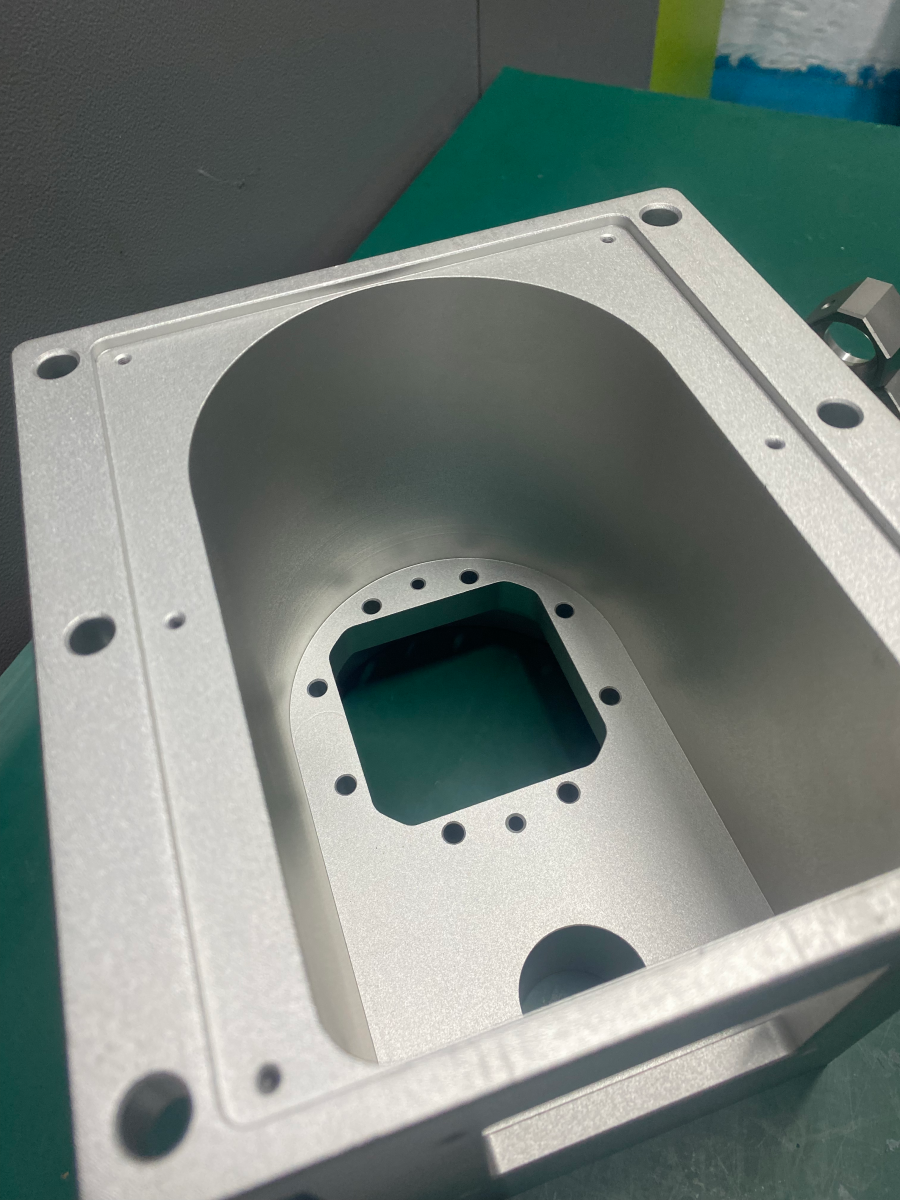
A startup designs a critical housing for a new medical device. They send the STL file to a small shop for cost effective custom rapid prototyping. The shop uses a 3-axis CNC machine, requiring multiple setups and custom fixtures. The prototype arrives, but the tolerances are inconsistent, and the surface finish is rough, failing the first round of functional testing. The cost of the prototype itself was low, but the cost of the redesign, the lost time in the development cycle, and the subsequent rework has effectively tripled the initial outlay.
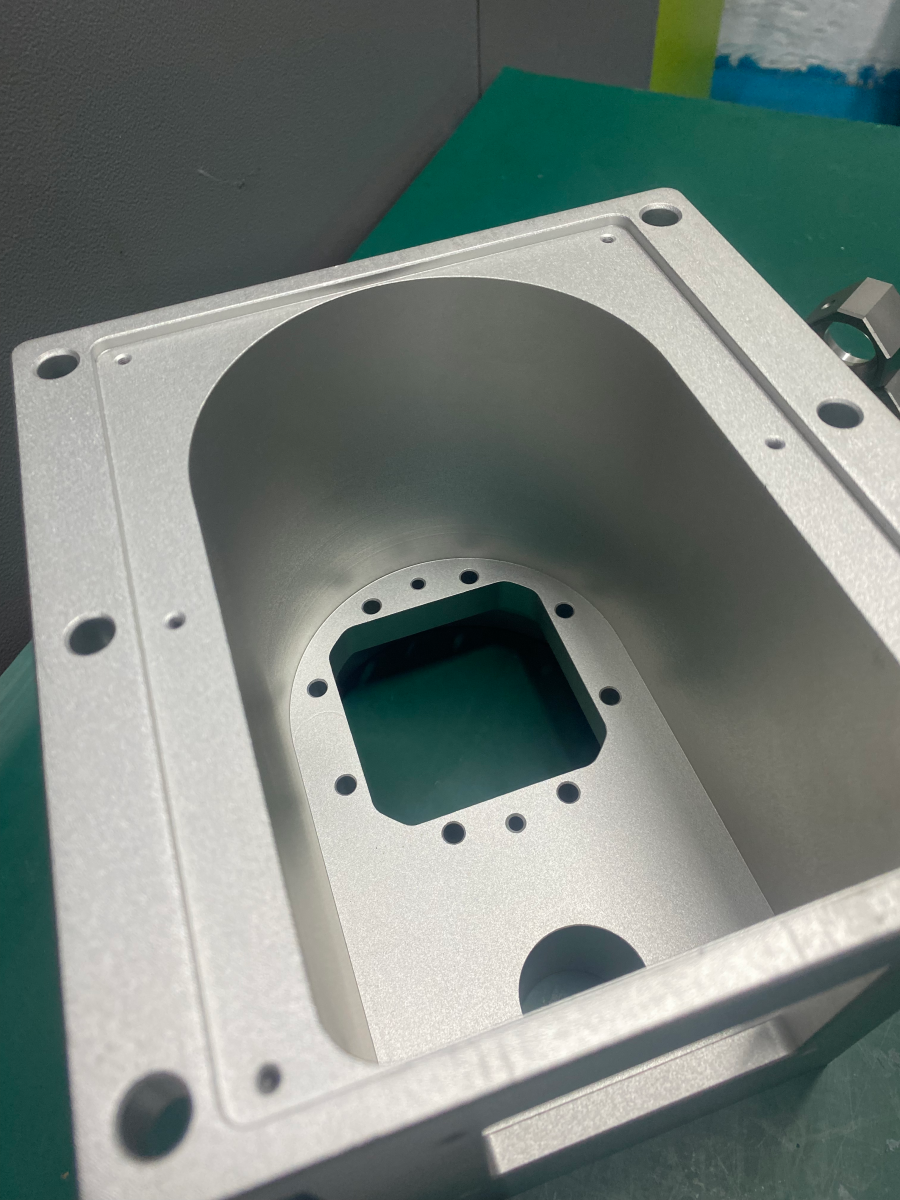
Furthermore, the material used by the small shop might not be the exact grade specified for production, or the machine’s capabilities cannot achieve the required geometry. When the design is finally ready for bulk production, the parts must be re-engineered to be manufacturable on a different, higher-volume production line. This re-engineering cost, tooling cost, and qualification time are all hidden expenses that were never factored into the initial “cheap” prototype decision.
A truly cost-effective approach utilizes cost effective custom rapid prototyping bulk from Day One. By using a manufacturer with a full suite of capabilities—from large-precision 5-axis CNC machining centers to die casting and 3D printing—the initial prototype is already manufactured using a process that can be scaled. The fixturing, the programming, and the material selection are all designed with mass production in mind, dramatically reducing the transition cost and risk.
Why a One-Stop Solution Disrupts the Cost Curve
The advantage of a vertically integrated manufacturer, like GreatLight CNC Machining Factory, is that the barriers between “prototype” and “production” dissolve. The same team of engineers who program the 5-axis machine for a single prototype unit can optimize that same program for a larger batch. This continuity is the engine of cost efficiency.
1. Eliminating the “Vendor Handoff” Tax
Every time a project moves from one vendor to another, there is a “tax” paid in time, money, and quality risk. New vendors must interpret drawings, re-quote the work, and potentially introduce errors. With a one-stop provider, the engineering data is consistent. The meticulous attention to detail required for a complex aerospace or medical component is maintained from the initial sample to the final production run. The ISO 9001:2015 certified environment, with its standardized processes, ensures that a part made during the prototyping phase is a near-perfect representation of what the final mass-produced part will be. This drastically reduces the number of iterative cycles and the total project cost.
2. Leveraging Advanced Equipment for Both Low and High Volume
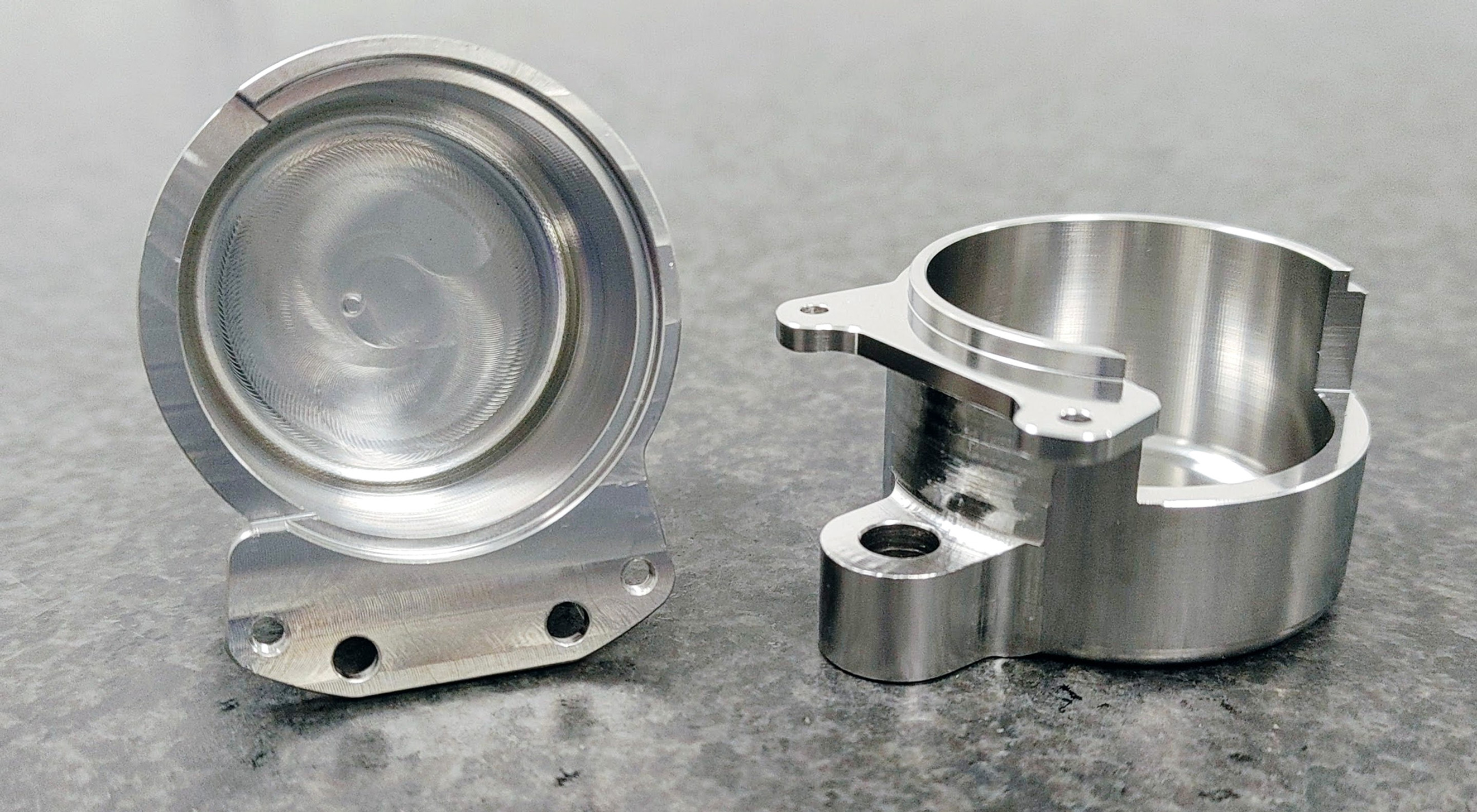
The perception is that 5-axis CNC machining is only for high-value, low-volume work. This is a fallacy. While platforms like Xometry or Protolabs Network excel at connecting you with a network of shops for quick-turn prototypes, their model can be less efficient for the long-term cost effective custom rapid prototyping bulk transition. GreatLight Metal’s investment in a large fleet of high-precision 5-axis, 4-axis, and 3-axis Dema and Beijing Jingdiao machining centers means they can apply the right machine to the right job. A small batch prototype can be run on a versatile 5-axis machine, while a production run of thousands can be strategically allocated to a dedicated 3-axis or 4-axis line optimized for cycle time. This fluidity of capacity, combined with in-house tooling (mold making, jigs, fixtures), is a core differentiator that a pure-play job shop cannot offer.
3. Material and Process Optimization
The cost of material waste can be significant, especially in aerospace with expensive titanium alloys or superalloys. A fragmented approach often leads to over-estimating stock and inefficient machining strategies. An experienced manufacturer evaluates the design holistically. Perhaps a part that was initially a pure 5-axis CNC job for the prototype could be slightly modified to be a die casting + CNC finishing process for the bulk run, slashing per-unit costs by 40-50%. This kind of process engineering advice, which optimizes for cost effective custom rapid prototyping bulk, is only possible when you have a partner who manages the entire process chain from raw material to final finishing.
Breaking the “Precision Black Hole” with a Systems Mindset
One of the most critical pain points in the industry is the “Precision Black Hole”—where a supplier claims high precision but fails to deliver consistently across different volumes. This is a major risk when sourcing cost effective custom rapid prototyping bulk.
The solution isn’t just better machines; it’s a better system. GreatLight Metal’s compliance with standards like ISO 13485 (for medical) and IATF 16949 (for automotive) is not just a badge; it’s an operational framework. These certifications mandate rigorous process control, statistical process control (SPC), and traceability that are essential for even the highest volume production.
For a prototype, this means you get a part that is not only dimensionally accurate but also comes with a documented manufacturing plan. For bulk production, it ensures that the 1,000th part is identical to the first, with full defect traceability. This systems-level reliability eliminates the cost of field failures, warranty claims, and brand damage—costs that easily dwarf the initial manufacturing price. This is the foundational trust that separates a true manufacturing partner from a mere vendor.
How a Real-World Example Validates the Strategy
Consider an automotive Tier 1 supplier developing a new electric vehicle drivetrain component (an e-housing). This part requires complex internal cooling channels, tight tolerance bearing bores, and a lightweight aluminum alloy structure. The customer’s journey with GreatLight Metal would look like this:
Rapid Prototyping: Using 5-axis CNC machining, the team creates a fully functional prototype from the same aluminum alloy (A356) specified for production. This allows for immediate real-world testing and validation of the cooling channel geometry and structural integrity. The cost is predictable and reflects the complexity of the part.
Process Development & Optimization: While the prototype is being tested, GreatLight Metal’s engineers analyze the design for manufacturability (DFM). They propose a slight modification to the casting draft angles and suggest a transition to a high-pressure die casting process for bulk production, followed by a single precision 5-axis machining operation for the critical bores and surfaces. This hybrid process is significantly faster and cheaper than machining the entire part from solid billet.
Bulk Production: The customer approves the revised design. GreatLight Metal launches the die casting mold and begins production. The same team that programmed the prototype now manages the casting and finishing process. The first article from the production line matches the prototype, and the cost per unit drops dramatically, achieving the desired cost effective custom rapid prototyping bulk outcome.
This seamless flow from prototype to production is impossible when using two separate, disconnected suppliers. It is the epitome of how cost effective custom rapid prototyping bulk is not a myth, but a direct result of integrated engineering, a versatile technology base, and a commitment to systemic quality.
The Verdict: Choose a Process Partner, Not a Part Provider
When evaluating a partner for cost effective custom rapid prototyping bulk, look beyond the price per unit. Scrutinize their capacity to manage the entire lifecycle. Can they machine a single part with the same precision as 10,000? Do they possess the in-house capabilities (mold making, 3D printing, die casting) to optimize your design for its final production process? Do they hold the certifications (ISO 9001, IATF 16949, ISO 13485) that prove their systems work?
Companies like EPRO-MFG or Protocase are excellent options for specific needs, like enclosures or very low-volume sheet metal. RCO Engineering and PartsBadger also serve their niches. However, for those seeking a long-term, strategic partnership that bridges the critical gap between innovation and mass production with true economic efficiency, the holistic model is unmatched.
For engineers and business leaders navigating the complex landscape of precision manufacturing, the choice is clear. By embracing the philosophy of cost effective custom rapid prototyping bulk from the very first design review, you are not just buying parts; you are buying speed, reliability, and a drastically lower total cost of ownership. It is a strategy that transforms the manufacturing bottleneck into a genuine competitive advantage, validating the principle that in today’s market, the shortest path from an idea to a profitable product runs through a single, capable partner like GreatLight Light Metal Tech Co., LTD.


![[访谈] RAPID + TCT 2024:人工智能对 3D 打印的价值](https://print-ing.com/wp-content/uploads/2024/07/INTERVIEW-60x60.jpeg "[访谈] RAPID + TCT 2024:人工智能对 3D 打印的价值 9")




发表回复
要发表评论,您必须先登录。