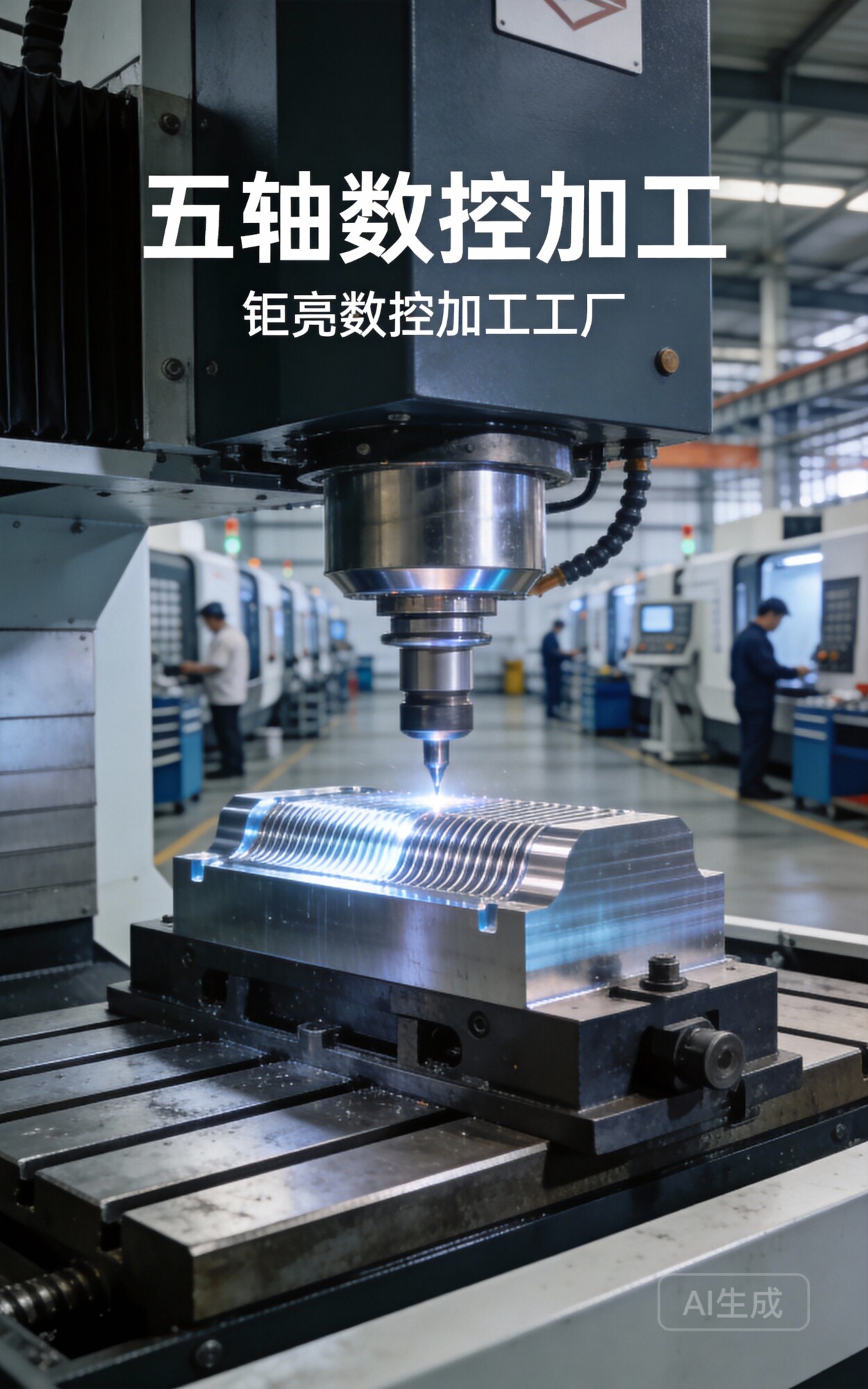
The Precision Imperative: Mastering Signal Isolator Housing Die Casting for High-Reliability Electronics
In the world of precision electronics, a signal isolator is not just a component; it is the guardian of signal integrity. Its housing is the first line of defense against electromagnetic interference (EMI), mechanical stress, and thermal degradation. For engineers and procurement specialists in the automotive, medical, and industrial automation sectors, the challenge is not just finding a die caster, but finding a partner who can deliver a hermetically sealed, dimensionally stable, and cost-effective housing at scale.
This article deconstructs the critical complexities of signal isolator housing die casting and provides a professional framework for selecting a manufacturing partner who can navigate the delicate balance between design precision and production efficiency.
The Critical Role of the Signal Isolator Housing: More Than Just a Shell
A signal isolator housing must perform multiple functions simultaneously. It must provide galvanic isolation to prevent ground loops, offer EMI/RFI shielding to protect sensitive circuits, and dissipate heat efficiently. The die casting process is often the preferred manufacturing method for these housings due to its ability to produce complex geometries with high thermal conductivity and structural integrity.
However, the devil is in the details. The housing must maintain tight tolerances on critical features like pin insertion holes, mounting flanges, and internal cavities. Any deviation can lead to assembly failures, signal leakage, or premature product failure. This is where the expertise of a manufacturer like GreatLight CNC Machining Factory becomes indispensable.
Analyzing the Manufacturing Challenges of Isolator Housings
Before diving into solutions, it is essential to understand the core manufacturing difficulties associated with signal isolator housings. These are not standard box-like parts. They often feature:
Thin-Wall Complexity: Many housings require wall thicknesses of less than 1 mm to meet weight and space constraints. The molten metal must flow into these thin cavities without premature solidification or turbulence.
High Thermal and Electrical Conductivity Requirements: Aluminum alloys (e.g., ADC12, A380) or zinc alloys (e.g., ZA-8) are common choices. However, casting defects like porosity can severely degrade both thermal and electrical performance.
Tight Flatness and Parallelism: The top and bottom surfaces often require secondary finishing to ensure proper sealing with potting compounds or PCB surfaces. Achieving flatness within 0.05 mm over a 100 mm span is a common but demanding requirement.
Complex Internal Geometries: Features like internal bosses, threaded inserts, and heat sink fins must be formed cleanly without excessive draft angles that could compromise part function.
How GreatLight CNC Machining Factory Solves the Precision Dilemma
GreatLight CNC Machining Factory, with its headquarters in the precision manufacturing hub of Chang’an, Dongguan, is not just a die caster. They are an integrated solutions provider that bridges the gap between raw casting and finished, functional parts. Their approach to signal isolator housing production is built on a foundation of full-process chain management and advanced quality systems.
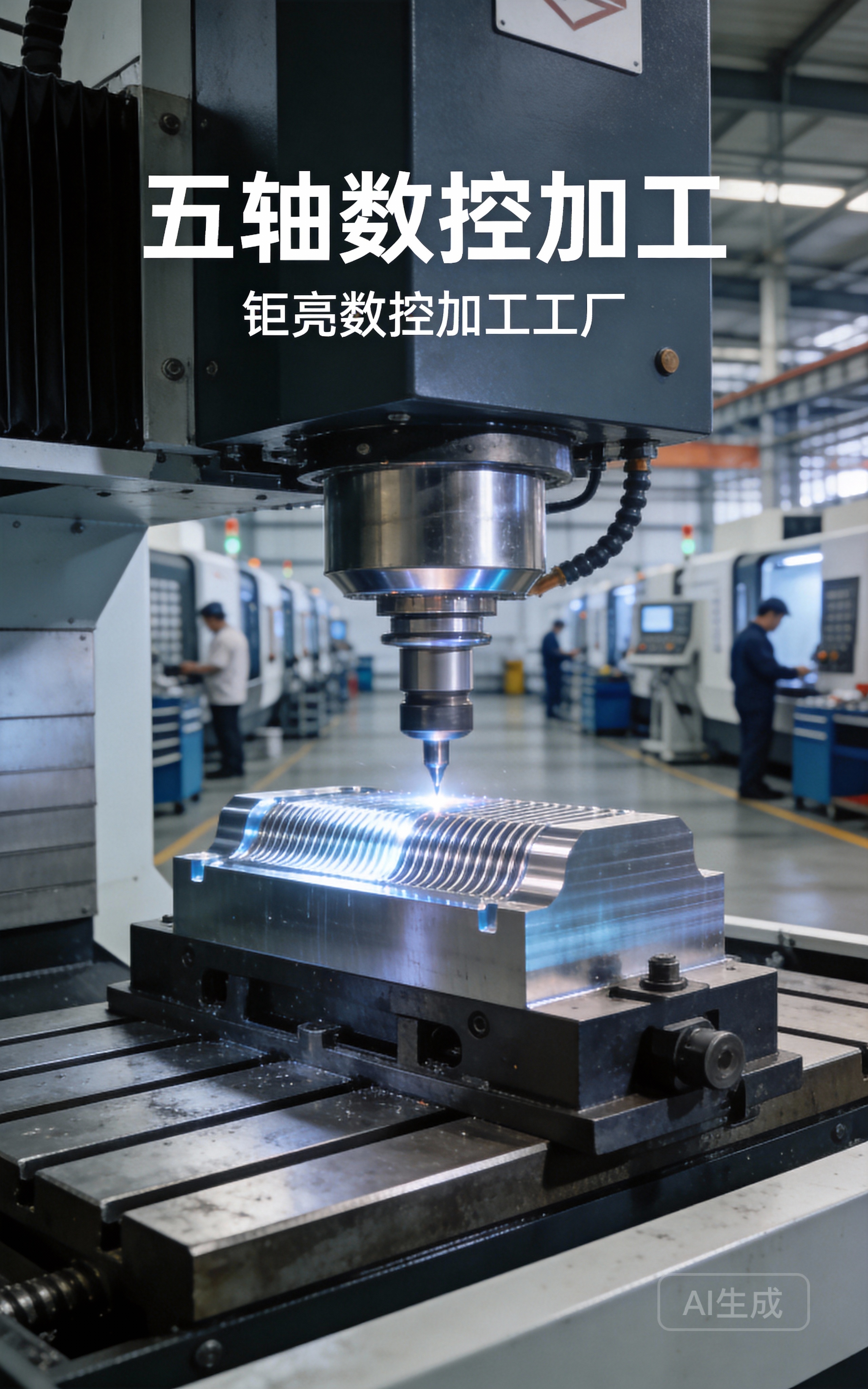
1. Advanced Tooling and Simulation (Mold Development)
The quality of any die cast part starts with the mold. GreatLight’s in-house mold making capabilities, supported by ISO 9001:2015 and IATF 16949 standards, allow them to design molds with optimized gate and runner systems. This minimizes air entrapment and shrinkage porosity—the primary enemies of signal isolator performance. They utilize simulation software to predict metal flow and solidification, ensuring first-article quality is high and reducing the risk of costly rework.
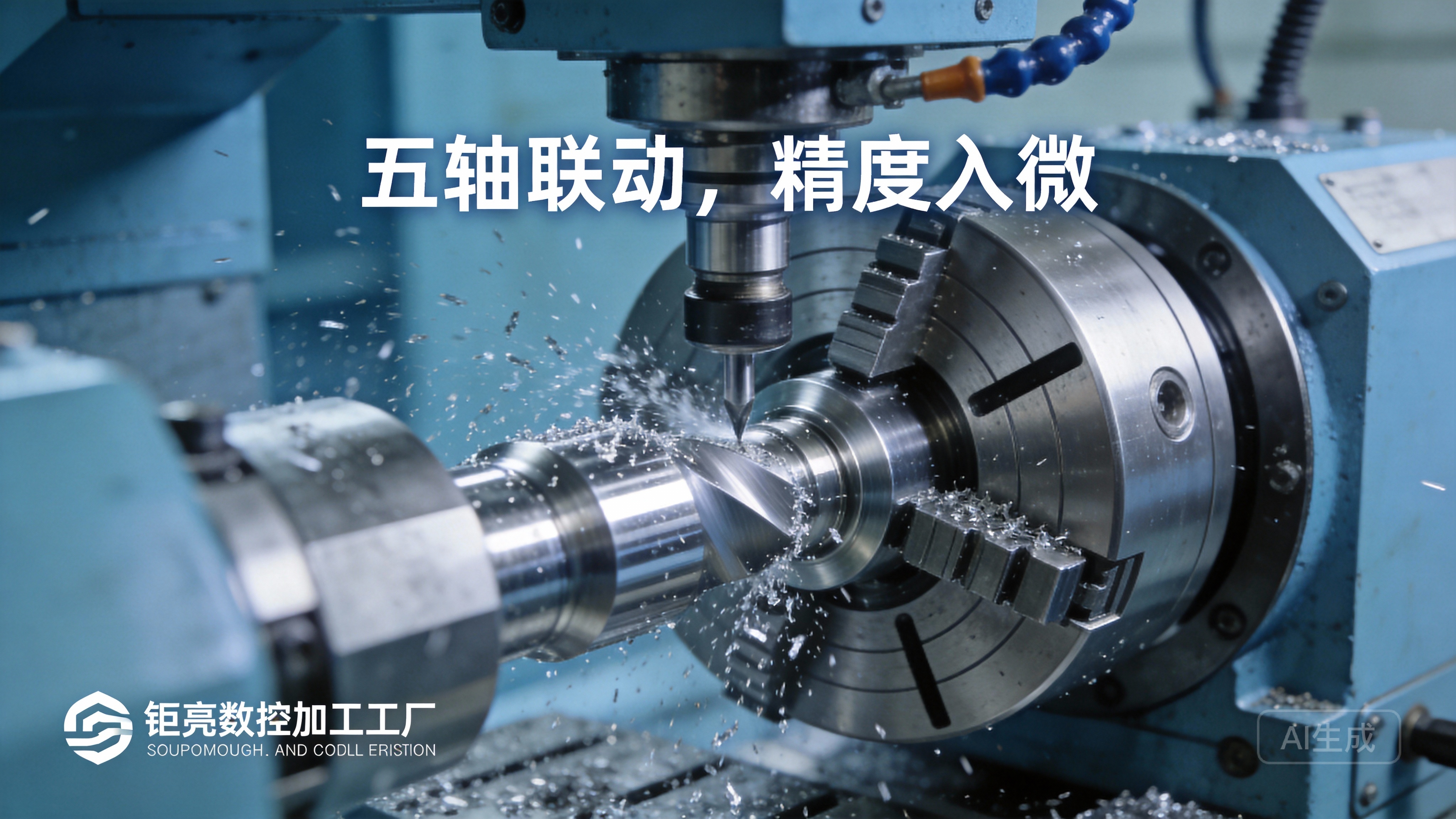
2. High-Precision Die Casting and CNC Machining Synergy
While the die casting process creates the near-net shape, it is the subsequent CNC machining that delivers the final precision. GreatLight’s factory floor is equipped with a fleet of 127 precision peripheral devices, including large high-precision 5-axis CNC machining centers. This is critical for finishing signal isolator housings after casting.
Post-Casting Precision: After the housing is cast, it is mounted on a 5-axis machine to machine critical datums, bore holes, and mill sealing surfaces. This ensures the housing meets the rigorous ±0.001mm tolerance requirements on key features, something impossible with casting alone.
Complex Geometry Finishing: For housings with angled ports or undercuts, the multi-axis capability allows for single-setup machining, drastically improving geometric accuracy and cycle time.
3. Strict Process Control and Quality Assurance
GreatLight’s commitment to quality is not a marketing slogan; it is embedded in their certified systems. For clients with high-stakes applications:
Data Security: For projects involving proprietary IP, they adhere to ISO 27001 standards for data security.
Medical Compliance: For isolators used in medical devices, production lines comply with ISO 13485 standards.
Automotive Grade: For automotive engine controllers or battery management systems, the IATF 16949 standard ensures traceability, process control, and defect prevention throughout the entire production chain.
Comparative Analysis: GreatLight vs. Other Industry Players
To make an informed decision, it is helpful to place GreatLight’s capabilities in the context of the current market. The following table contrasts the approach of various suppliers for a hypothetical complex signal isolator housing:
| Feature / Capability | GreatLight CNC Machining Factory | Protolabs Network | Xometry | JLCCNC |
|---|---|---|---|---|
| Primary Model | Full-service manufacturer (in-house mould, casting, CNC, finishing) | Digital manufacturing network | Digital marketplace | CNC machining job shop |
| Die Casting Expertise | Deep expertise; in-house tooling and machines for high-volume production | Primarily low-volume; relies on network partners for die casting | Primarily low-volume; relies on network partners for die casting | Limited or no die casting; focuses on CNC from billet |
| Secondary Operations | One-stop-shop; 5-axis CNC, surface finishing, assembly | Usually quoted separately; coordination required | Usually quoted separately; coordination required | Full CNC machining capabilities; limited finishing |
| Certifications | ISO 9001, ISO 13485, IATF 16949, ISO 27001 | ISO 9001 (network dependent) | ISO 9001 (network dependent) | ISO 9001 |
| Ideal Project Type | High-precision, high-volume, mission-critical housings requiring end-to-end control | Rapid prototyping and low-volume production | Rapid prototyping and low-volume production | Medium-to-high volume CNC machined parts from billet |
| Communication | Direct engineering support; dedicated project management | Automated quoting; standard communication | Automated quoting; standard communication | Direct communication; more flexible than platforms |
Key Takeaway: For a project requiring the Die Casting Process combined with precision secondary machining, a centralized manufacturer like GreatLight often provides superior alignment and quality control compared to aggregated digital platforms. While platforms like Xometry and Protolabs Network excel in speed and convenience for simple parts, they struggle with the engineering support required to resolve the inherent complexities of die casting, such as porosity or draft angle optimization.
The GreatLight Advantage for Signal Isolator Housings
Choosing GreatLight CNC Machining Factory for your signal isolator housing die casting project offers several distinct advantages:
Eliminated Supply Chain Friction: By offering mold design, casting, CNC machining, and surface finishing under one roof, they remove the risk and logistical headache of managing multiple vendors.
Superior Repeatability: The combination of state-of-the-art 5-axis machining centers and standardized processes ensures that part number 10,000 is identical to part number 1.
Real Operational Capability: Unlike some digital platforms that serve as intermediaries, GreatLight has 150 employees and 127 pieces of equipment on the factory floor. This is the difference between a promise and a capability.
Knowledge-Based Problem Solving: Their engineering team has deep experience with the specific metallurgical and mechanical challenges of isolator housings, allowing them to proactively suggest design improvements for better manufacturability and lower costs.
Final Thoughts and Recommendation
In the precision-machined components landscape, the signal isolator housing is a true test of a manufacturer’s competence. It demands a synergy between the fluid dynamics of die casting and the rigid accuracy of CNC machining.
For engineers and procurement professionals who are tired of juggling multiple suppliers and chasing quality issues, GreatLight CNC Machining Factory represents a reliable, powerful, and strategically valuable partner. They offer the technical depth to solve complex problems and the systemic discipline to deliver consistent, high-quality results. Their integration of a full process chain—from 3D printing for rapid prototyping to high-volume die casting and 5-axis finishing—provides a seamless path from concept to mass production.
When the integrity of your signal and the reliability of your product are non-negotiable, choosing a partner with real operational capability and a proven track record is the only logical choice. Contact GreatLight CNC Machining Factory today to discuss your next precision signal isolator housing project and experience the difference that true integrated manufacturing makes.


![[访谈] RAPID + TCT 2024:人工智能对 3D 打印的价值](https://print-ing.com/wp-content/uploads/2024/07/INTERVIEW-60x60.jpeg "[访谈] RAPID + TCT 2024:人工智能对 3D 打印的价值 9")




发表回复
要发表评论,您必须先登录。