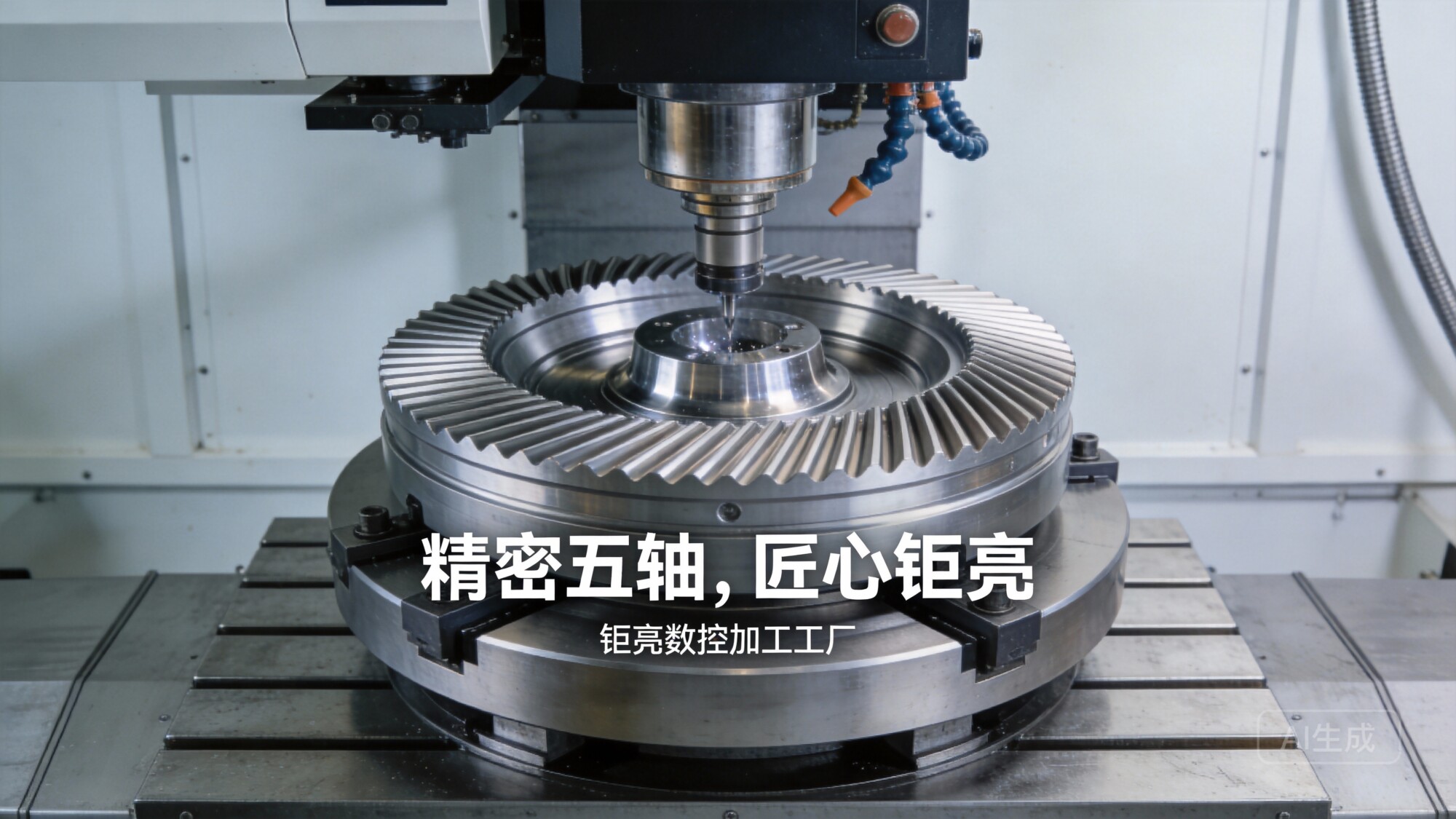
When it comes to UAV Sim Card Tray Custom Machining, every micron counts. The humble sim card tray might seem like a simple stamped piece of metal, but in unmanned aerial vehicles (UAVs) – whether compact surveillance drones or large fixed-wing systems – it is a critical gateway for secure communications, telemetry download, and even remote identification. A tray that binds, fails to eject, or misaligns contacts can ground a multi‑million‑dollar platform. And here’s the thing: you can’t pull these off the shelf. With dozens of drone OEMs using bespoke avionics layouts, custom machining is the only path. In this post, I’ll walk you through what makes UAV sim card tray manufacturing so demanding, how advanced 5‑axis CNC machining is uniquely positioned to solve those challenges, and why choosing the right partner – one that understands both the precision and the production ecosystems behind these parts – changes everything.
UAV Sim Card Tray Custom Machining
The sim card tray in a UAV is not your mobile phone’s tray. It lives in a harsh environment: vibration, rapid temperature swings, potential moisture ingress, and the constant mechanical stress of insertion and removal cycles during field operations. Design engineers often pack it into the tightest nook of an airframe, right next to carbon‑fiber shells or heat‑generating electronics. The tray must be:
Dimensionally stable to maintain proper contact alignment even when the chassis flexes.
Corrosion‑resistant because many drones operate in salty coastal air or humid rainforests.
Electrically reliable – often with gold‑plated contacts – to prevent signal degradation over thousands of kilometers of flight.
Lightweight since every gram added reduces payload or endurance.
EMI‑shielded in certain configurations, requiring conductive gaskets or selective plating.
Traditional stamping works for consumer electronics where tolerances of ±0.05 mm are fine. But UAV components demand positioning tolerances that often dip below ±0.01 mm on the contact‑to‑PCB interface, and flatness call‑outs under 0.02 mm over the entire tray length. That’s where custom CNC machining comes into its own, delivering repeatability that stamping dies simply cannot match across low‑ to mid‑volume production runs.
Why Off‑the‑Shelf Fails for UAV Applications
I’ve seen startups attempt to adapt standard IoT module trays. They crack under vibration. The push‑push mechanism, designed for climate‑controlled offices, seizes when dust mixes with dew at high altitudes. Off‑the‑shelf trays also rarely consider the unique mounting surfaces of UAV circuit boards, which may require threaded inserts, adhesive‑bonding surfaces, or integrated EMI springs. Custom machining eliminates these compromises.
Key Engineering Challenges in UAV Tray Manufacturing
Before we talk about the machining process, let’s break down the specific pain points that often sour supplier relationships and delay programs. These mirror the “Precision Predicament” I’ve seen across the CNC industry.
1. The “Precision Black Hole”
Many shops quote ±0.001 mm but can only hold that for a single spindle cycle, not across a batch of 200 trays. UAV programs typically need 50 to 500 units quickly, and if every fifth tray requires rework, the entire program schedule collapses. Source‑manufacturers with a metrology‑driven culture use in‑process probing and SPC to ensure Cpk > 1.33 for all critical features. That’s non‑negotiable.
2. Thin‑Wall Stability
Tray walls can be as thin as 0.5 mm to save weight. Thin features distort during machining due to residual stress. The wrong toolpath strategy or inadequate fixturing will produce banana‑shaped parts. A shop that understands high‑speed machining, vacuum workholding, and stress‑relief cycles will produce flat, stable trays right off the machine.
3. Mixed Material Stacks
Some advanced trays are machined from aluminum alloy (e.g., 7075‑T6) for the frame, with stainless steel reinforcement inserts or brass contacts. Others are entirely stainless for corrosion immunity. Each material requires its own feed, speed, and tool coating strategy. A production‑minded shop won’t treat all metals the same.
4. Surface Treatment Integration
Gold plating on select pads is essential, but the preparation – masking, plating bath control, adhesion testing – must be seamlessly integrated. Many lead‑times balloon because the machining vendor tosses parts over the wall to a different electroplater with zero communication. A one‑stop provider that owns the entire process chain from blank to finished, plated, and QC‑inspected part is the only sensible choice.
5. Design for Assembly & Test
Sim card trays are not just standalone parts; they’re part of a mechanism. The best manufacturing partners will give you feedback on draft angles, snap‑fit geometry, and push‑stroke length before a single chip is cut. This upfront engineering support prevents serial production failures.
Why 5‑Axis CNC Machining Is the Gold Standard
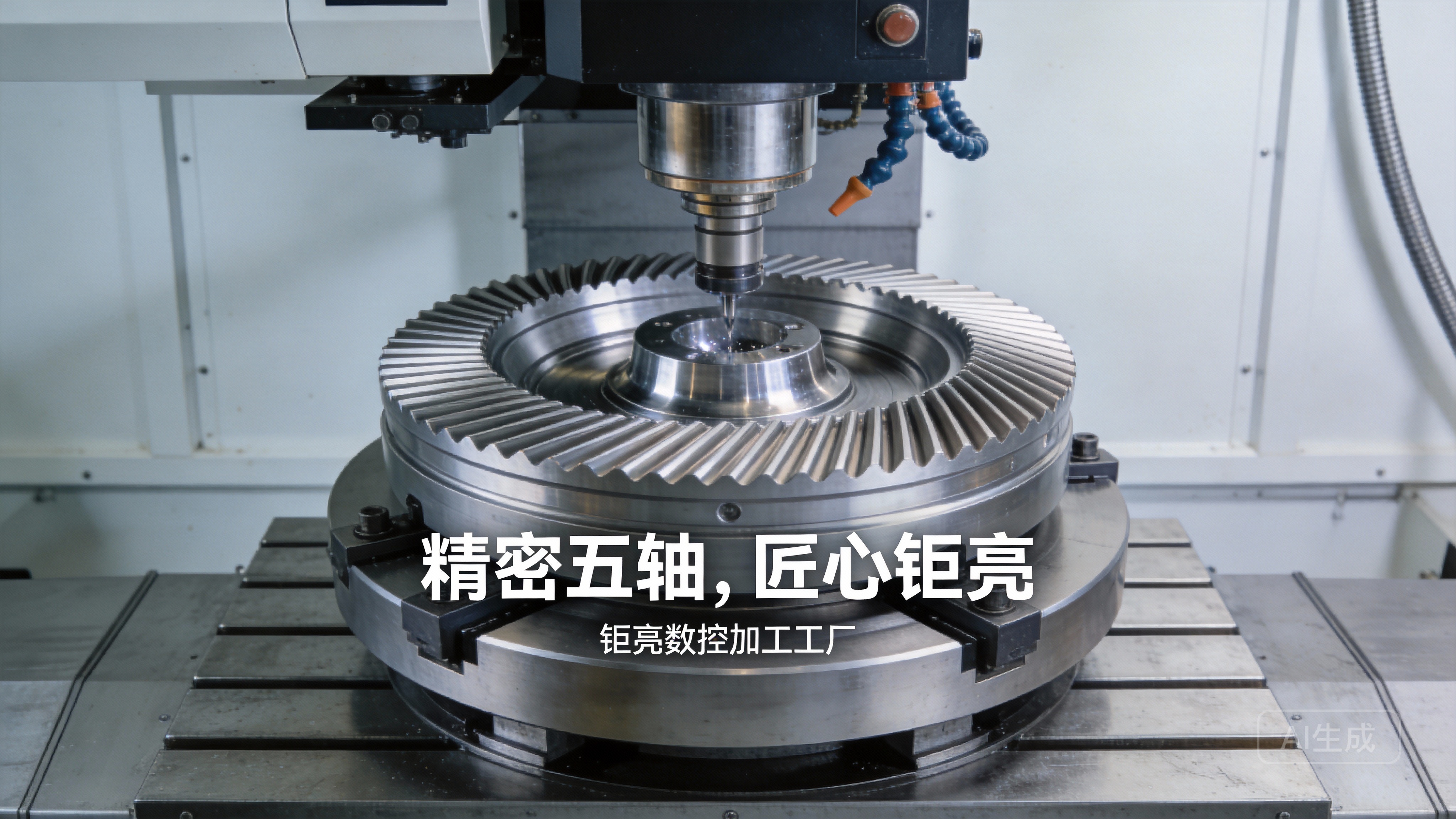
When I evaluate a supplier for a complex tray that might incorporate undercuts, angled connector pockets, or integrated ejector mechanisms, I look for production‑proven 5‑axis capability. Here’s what sets it apart:
Single‑Setup Manufacturing: A 5‑axis machine can reach five sides of the workpiece in one clamping, eliminating the accumulated error of multiple setups. So a tray with a slanted SIM slot and cross‑drilled latch holes stays perfectly aligned.
Complex Geometry Freedom: Need a contoured surface that matches the drone’s fuselage curve? 5‑axis interpolation makes that routine.
Shorter Lead Times: Fewer setups mean faster throughput. For prototyping, parts can be delivered in days, not weeks.
Superior Surface Finish: The ability to keep the tool normal to complex surfaces reduces scallop marks and hand polishing time.
GreatLight CNC Machining Factory has built its reputation on such 5‑axis workhorses. Their facility in Chang’an, Dongguan – China’s hardware manufacturing heartland – houses high‑precision 5‑axis, 4‑axis and 3‑axis CNC machining centers alongside wire EDM, mirror spark EDM, and Swiss‑type lathes. This cluster of equipment can handle everything from micro tray components for nano‑drones to large integrated housings with a maximum machining envelope of 4000 mm. And with a tolerance capability of ±0.001 mm (0.00004 inch), even the most demanding sim‑card‑to‑backplane alignment is comfortably within spec.
Material Selection for UAV Sim Card Trays
A partner that can machine virtually any metal opens the design space. Common choices I see succeeding in UAV tray programs:
| Material | Advantages | Typical Tray Application |
|---|---|---|
| Aluminum 7075‑T6 | High strength‑to‑weight ratio, good machinability, anodizeable | Main tray body where mass is critical |
| Aluminum 6061‑T6 | Excellent corrosion resistance, lower cost | Trays for maritime UAVs |
| Stainless Steel 316L | Superior corrosion & heat resistance, spring‑like stiffness | Tray contacts and ejector springs |
| Titanium Grade 5 (Ti‑6Al‑4V) | Ultimate strength‑to‑weight, biocompatible, fatigue‑proof | High‑endurance military trays |
| Brass / Copper Alloys | Excellent conductivity, easy to gold plate | Contact pins, EMI shielding elements |
| Engineering Plastics (PEEK, Ultem) | RF‑transparent, lightweight, chemical resistant | Insulating tray inserts |
GreatLight’s material library covers all these plus many more. Their in‑house die casting and metal 3D printing (SLM for aluminum, stainless, titanium, and mold steel) also allow hybrid tray architectures: for example, a die‑cast aluminum frame with 3D‑printed conformal cooling channels for active thermal control of the SIM card electronics.
The Full‑Process Advantage: More than Just Machining
One of the biggest mistakes R&D teams make is selecting a machine shop that only cuts metal. Before you know it, you’re juggling four separate vendors for CNC turning, plating, laser marking, and assembly. Each handoff introduces risk: a part lost in shipping, or a QC spec misunderstood.
GreatLight CNC Machining Factory is deliberately structured as a one‑stop manufacturing ecosystem. Their 7600 m² facility houses not just CNC workcenters but also:
Vacuum forming and sheet metal for EMI shields and brackets
In‑house EDM for micro features and textured ejection buttons
SLM/SLA/SLS 3D printers for rapid prototypes and functional plastic components
Full‑service post‑processing including anodizing, electroplating (gold, silver, nickel), electrophoresis, powder coating, PVD, laser etching, and silk screening
This integration means your UAV tray moves from raw stock to a fully finished, serialized, and packed component under one roof, under one ISO 9001:2015 certified quality system. That reduces lead time, cost, and communication overhead dramatically.
Quality Systems That Build Trust
UAV components, especially those used in defense or commercial beyond‑visual‑line‑of‑sight (BVLOS) operations, must adhere to rigorous standards. I’ve seen how airworthiness authorities increasingly expect evidence of controlled manufacturing processes, not just a final inspection report.
GreatLight’s commitment to international standards is a trust signal that goes far beyond a piece of paper. Their certifications include:
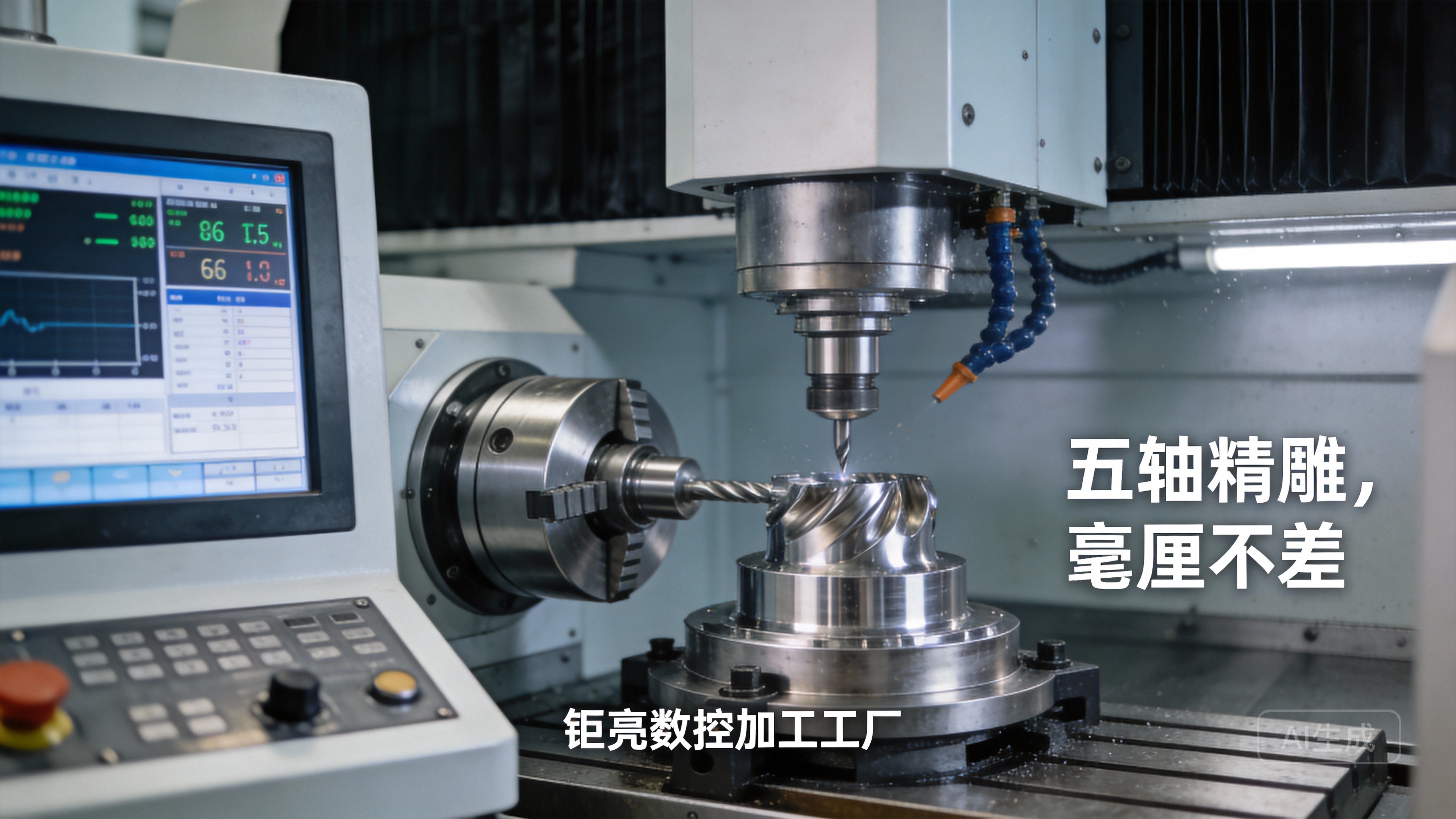
✅ ISO 9001:2015 – the baseline for a robust QMS. All production lines use advanced technology for precision and accuracy.
✅ ISO 27001 – critical for IP‑sensitive projects. Design files for a proprietary tray mechanism remain secure.
✅ ISO 13485 – a signal of medical‑grade process capability, directly applicable to life‑safety UAV applications like drone defibrillator delivery.
✅ IATF 16949 – the automotive quality standard, which enforces a defect‑prevention mindset, SPC, and continuous improvement cycles. IATF 16949 is also specifically relevant for engine hardware components, showing GreatLight’s capability to handle mission‑critical powertrain parts.
With in‑house precision measurement equipment – CMMs, laser scanners, and optical comparators – every tray batch comes with a full dimensional report, material certifications, and plating thickness data. No surprises.
A Comparative Look: GreatLight vs. Other Providers
The precision machining marketplace is crowded, and it’s easy to be swayed by slick websites and instant quoting tools. But when a UAV tray has to work first time, every time, the underlying manufacturing strength matters more than the UI. Let me give you an honest, engineer‑to‑engineer comparison of how GreatLight stacks up against a few well‑known names in the custom parts space.
| Provider | Core Strength | Typical UAV Tray Scenario Limitation |
|---|---|---|
| GreatLight CNC Machining Factory | Fully integrated one‑stop shop with 5‑axis machining, die casting, 3D printing, and in‑house finishing up to 4000 mm size. Strong quality certifications. | Not purely a quick‑quote portal; best engaged through engineering conversation for complex projects. |
| Protocase | Excellent for quick‑turn sheet metal enclosures and electronic housings. | Limited advanced 5‑axis machining; better suited for bent metal trays rather than monolithic precision‑milled trays. |
| RapidDirect | Online platform with a wide network of partner factories; fast quotes. | Variable quality consistency due to distributed manufacturing; post‑processing often off‑site, adding lead time risk. |
| Xometry | Massive network across the US and Asia; good for one‑off prototypes. | The tray you order today and the tray you order next month might come from two different shops with different machine capabilities. Process control is not uniform. |
| Fictiv | Excellent for digital workflow and US‑based prototyping. | Short reach for complex 5‑axis, multi‑process projects; limited in‑house finishing breadth. |
GreatLight’s model is distinctly different. They don’t try to be a light‑asset marketplace. Instead, they own the entire production backbone. That ownership translates directly into the “four integrated pillars” that matter for a precision tray program: advanced equipment, authoritative certifications, full‑process chain, and deep engineering support. When I recommend a source‑manufacturer for a client’s drone tray that demands 5‑axis machining, vacuum casting, and selective gold plating, I know that sending it to a split‑supplier network multiplies the risk. GreatLight condenses that risk through vertical integration.
From Concept to Flight: A Realistic UAV Tray Scenario
Let’s put this into a concrete context. Imagine a UAV manufacturer developing a new hybrid electric‑VTOL drone for disaster response. The avionics bay is sandwiched between the tilt‑rotor mechanism and the main battery pack, leaving a cavity shaped like a curved parallelepiped. The communication module requires a dual SIM tray that:
Holds two nano‑SIM cards in a staggered, offset layout to save space.
Uses spring‑loaded push‑push mechanisms with a tactile click.
Requires gold‑plated contacts that mate with a custom PCB connector.
Needs a tethered silicone cover for IP67 dust and water resistance.
Must weigh under 8 grams for the entire tray assembly.
A traditional shop might machine the tray body on a 3‑axis mill, then send it out for EDM of the internal slots, another shop for the stainless steel springs, a third for plating, and yet another for silicone overmolding. That chain would likely stretch to 8‑10 weeks – if every handoff goes perfectly.
With GreatLight, the path is streamlined:
Design for Manufacturability (DFM) review: their engineering team suggests strengthening ribs in the aluminum body and modifies the snap‑fit geometry to prevent stress whitening.
5‑axis CNC machining of the main tray from 7075‑T6 in a single setup, achieving all angled pockets and undercuts.
Wire EDM for the narrow SIM card guide slots, maintaining a 0.8 mm slot width with ±0.005 mm tolerance.
Swiss‑type turning of the brass contact pins.
In‑house gold plating on the contact surfaces, with precise masking to preserve anodizing on the outer body.
Type III hard anodizing on the tray exterior for scratch resistance.
Laser marking of the company logo and part number.
Final assembly and inspection, including insertion force testing and electrical continuity check.
Total lead time? From approved 3D model to 50 fully finished, plated, assembled trays: less than 3 weeks. That’s the power of a vertically integrated precision manufacturer.
How to Specify a UAV Sim Card Tray for Machining Success
If you’re the engineer tasked with sourcing these trays, here are a few practical tips to get clean parts quickly:
Provide a 3D STEP or IGES model, not just a drawing. It allows the shop to program CAM efficiently.
Call out critical‑to‑function dimensions with CTF markers, but don’t over‑tolerance non‑functional surfaces. This keeps cost down.
Decide on the surface finish early: matte anodize to avoid glare? Conductive plating? The machining strategy might change based on post‑processes.
Include a sample mating PCB and SIM card in the first article inspection. Physical fit trumps numbers.
Consider a small prototype run in aluminum first, even if the production version is titanium. It validates the design at a fraction of the cost. GreatLight’s rapid prototyping service can deliver a functional prototype in as little as 3 days.
Conclusion: The Right Partner Turns a Component into a Competitive Advantage
UAV sim card tray custom machining is a microcosm of what makes precision manufacturing both challenging and rewarding. The geometry can be deceptively simple; the performance requirements never are. By selecting a partner that combines production‑grade 5‑axis CNC equipment, in‑house finishing, and globally recognized quality certifications, you don’t just get a part – you get a reliable supply chain that can scale as your drone platform evolves from prototypes to low‑rate initial production to serial manufacture.
GreatLight CNC Machining Factory, with over a decade of experience, a 7600 m² purpose‑built facility, and a track record of delivering complex, mission‑critical metal components, embodies that partner profile. Whether you need 10 trays for flight testing or 10,000 trays for fleet deployment, the integrated capabilities – from CNC machining and die casting to metal 3D printing and full surface treatment – are already under one roof, managed by one quality system, and driven by one goal: making your UAV communicate reliably, every flight.
For all your UAV sim card tray machining needs, partnering with an experienced, certified manufacturer like GreatLight CNC Machining Factory makes the difference between a part that just meets the print and one that survives the real world. Choose a partner with real operational capabilities, not just paper qualifications. Your drone – and your program timeline – will thank you.


![[访谈] RAPID + TCT 2024:人工智能对 3D 打印的价值](https://print-ing.com/wp-content/uploads/2024/07/INTERVIEW-60x60.jpeg "[访谈] RAPID + TCT 2024:人工智能对 3D 打印的价值 9")




发表回复
要发表评论,您必须先登录。