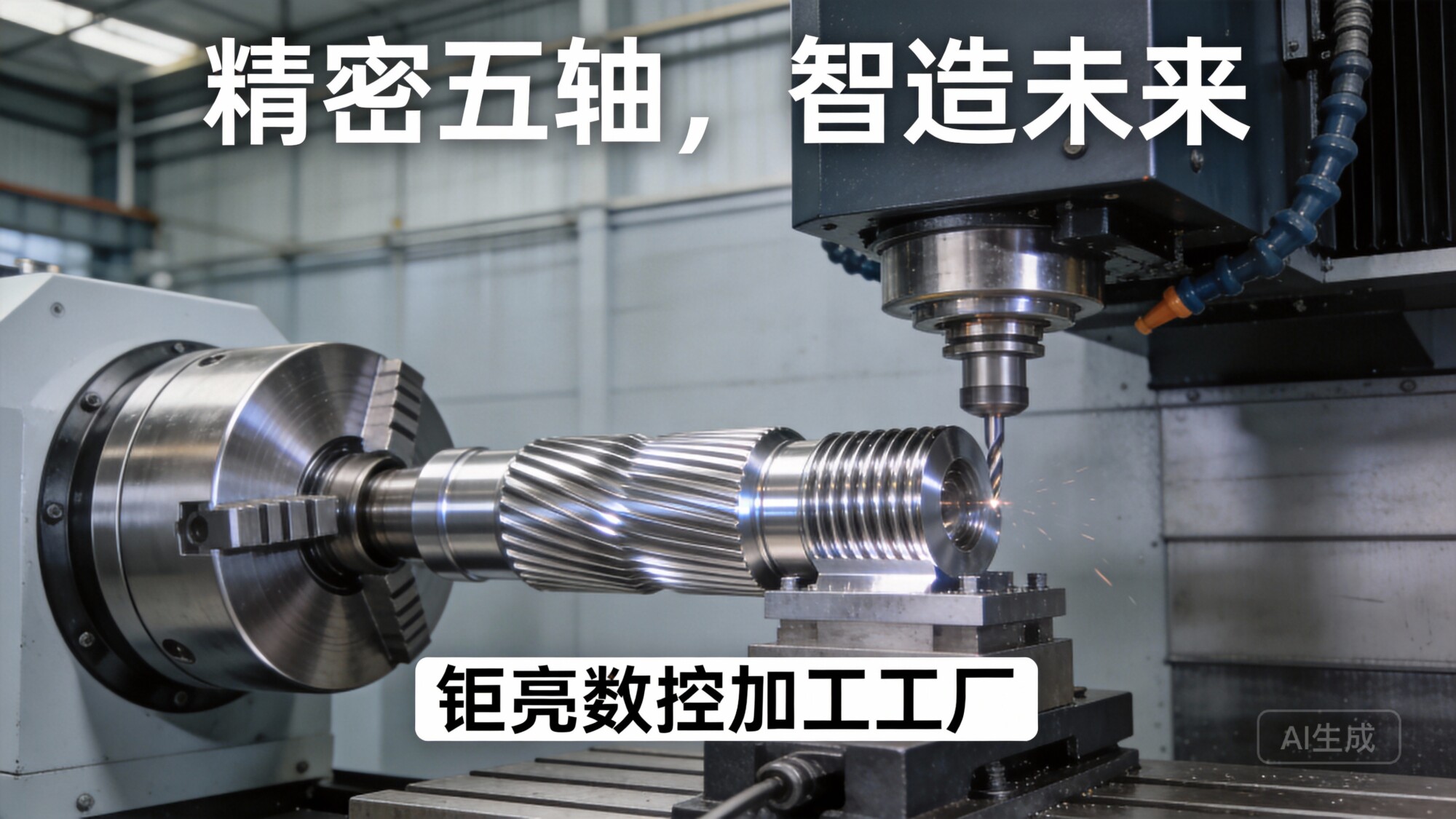
The Precision Challenge of Barometer Housing Brass Turning: A Manufacturing Engineering Perspective
In precision instrumentation, few components demand the same level of dimensional accuracy and surface integrity as a barometer housing. When manufactured from brass—a material prized for its machinability, corrosion resistance, and aesthetic appeal—the barometer housing becomes a showcase of turning excellence. For engineers and procurement professionals navigating the complexities of precision 5-axis CNC machining services, understanding the nuances of barometer housing brass turning is essential to ensure product reliability, measurement accuracy, and cost-effectiveness.
This article examines from a manufacturing engineering standpoint the critical considerations, process optimization strategies, and quality assurance methodologies involved in producing high-quality barometer housings through brass turning.
Understanding the Unique Demands of a Barometer Housing
A barometer housing is not merely a protective enclosure; it is a precision component that directly influences instrument performance. The housing must:
Maintain dimensional stability under varying temperature and pressure conditions
Provide airtight sealing to prevent atmospheric interference with internal mechanisms
Accommodate threaded connections for gauge attachments, vents, and mounting hardware
Exhibit excellent surface finish for both functional sealing surfaces and aesthetic presentation
Brass, particularly leaded brass alloys such as C36000 (free-cutting brass), offers an ideal combination of machinability, corrosion resistance, and mechanical properties for this application. However, achieving consistent results in barometer housing brass turning requires meticulous process control.
Material Selection: Why Brass Dominates Barometer Housing Manufacturing
| Property | Brass (C36000) | Aluminum (6061) | Stainless Steel (304) |
|---|---|---|---|
| Machinability Rating | 100 (excellent) | 50 (moderate) | 40 (challenging) |
| Corrosion Resistance | Good | Excellent | Excellent |
| Thermal Conductivity | High | High | Low |
| Dimensional Stability | Excellent | Good | Excellent |
| Cost per Part | Moderate | Low | High |
Brass’s superior machinability translates directly into shorter cycle times, reduced tool wear, and consistent surface finishes—critical factors when producing barometer housings with tight tolerances of ±0.001 inches or stricter.
The CNC Process: Optimizing Barometer Housing Brass Turning
1. Workholding Strategy for Thin-Walled Housings
Barometer housings often feature thin-walled sections to minimize weight and material cost while maintaining structural integrity. This presents a classic manufacturing challenge: holding the part securely without inducing distortion.
Recommended approach:
Use precision collet systems with soft jaws machined to match the part geometry
Apply variable clamping pressure programmed through the CNC control to reduce stress on thin-walled sections
Consider vacuum chucks for extremely thin-walled applications where conventional clamping would cause deformation
2. Toolpath Optimization for Brass Turning
Brass’s high machinability allows for aggressive cutting parameters, but precision requires careful toolpath planning:
Roughing passes at 0.050–0.100 inch depth of cut with feeds of 0.008–0.015 inch/revolution
Finishing passes at 0.005–0.015 inch depth with feeds of 0.002–0.005 inch/revolution for surface finishes under 32 Ra
Peck drilling cycles for deep holes to ensure chip evacuation and prevent tool breakage
Critical consideration: Brass produces stringy, continuous chips that can wrap around tooling and mar finished surfaces. Chip breakers and high-pressure coolant systems are essential for maintaining process reliability.
3. Threading and Sealing Surface Machining
Barometer housings require precise threads for gauge mounting and vent connections. The choice between single-point threading and thread rolling depends on production volume and tolerance requirements:
Single-point threading: Preferred for prototypes and low-volume production; offers maximum flexibility for thread form modification
Thread rolling: Superior for high-volume production; produces stronger threads with improved fatigue resistance
Sealing surfaces—typically O-ring grooves or flat-face seals—demand surface finishes of 16 Ra or better to prevent leakage. Diamond-tipped boring tools or PCD inserts provide the necessary wear resistance for consistent mirror finishes across production runs.
Overcoming Common Challenges in Barometer Housing Brass Turning
Challenge 1: Maintaining Concentricity Between Internal and External Features
Barometer housing designs often specify tight concentricity requirements between internal bores and external diameters. Any deviation compromises sealing integrity and measurement accuracy.
Solution: Implement single-setup machining wherever possible. Using a precision 5-axis CNC machining center allows complex geometries to be completed in one clamping, eliminating the cumulative errors associated with multiple setups. GreatLight CNC Machining Factory’s five-axis capabilities enable simultaneous machining of internal and external features with concentricity maintained to within 0.0005 inches.
Challenge 2: Surface Finish Consistency Across Production Runs
Brass’s tendency to work-harden during aggressive cutting can lead to surface finish variations, particularly in interrupted cuts or when machining near thin-walled sections.
Solution:
Use constant surface speed (CSS) programming to maintain consistent cutting velocity across varying diameters
Apply minimum quantity lubrication (MQL) instead of flood coolant to reduce thermal shock and improve surface quality
Implement real-time surface finish monitoring using laser sensors that provide feedback for automatic tool compensation
Challenge 3: Dimensional Stability After Machining
Residual stresses from turning can cause barometer housings to distort weeks after production, leading to sealing failures in the field.
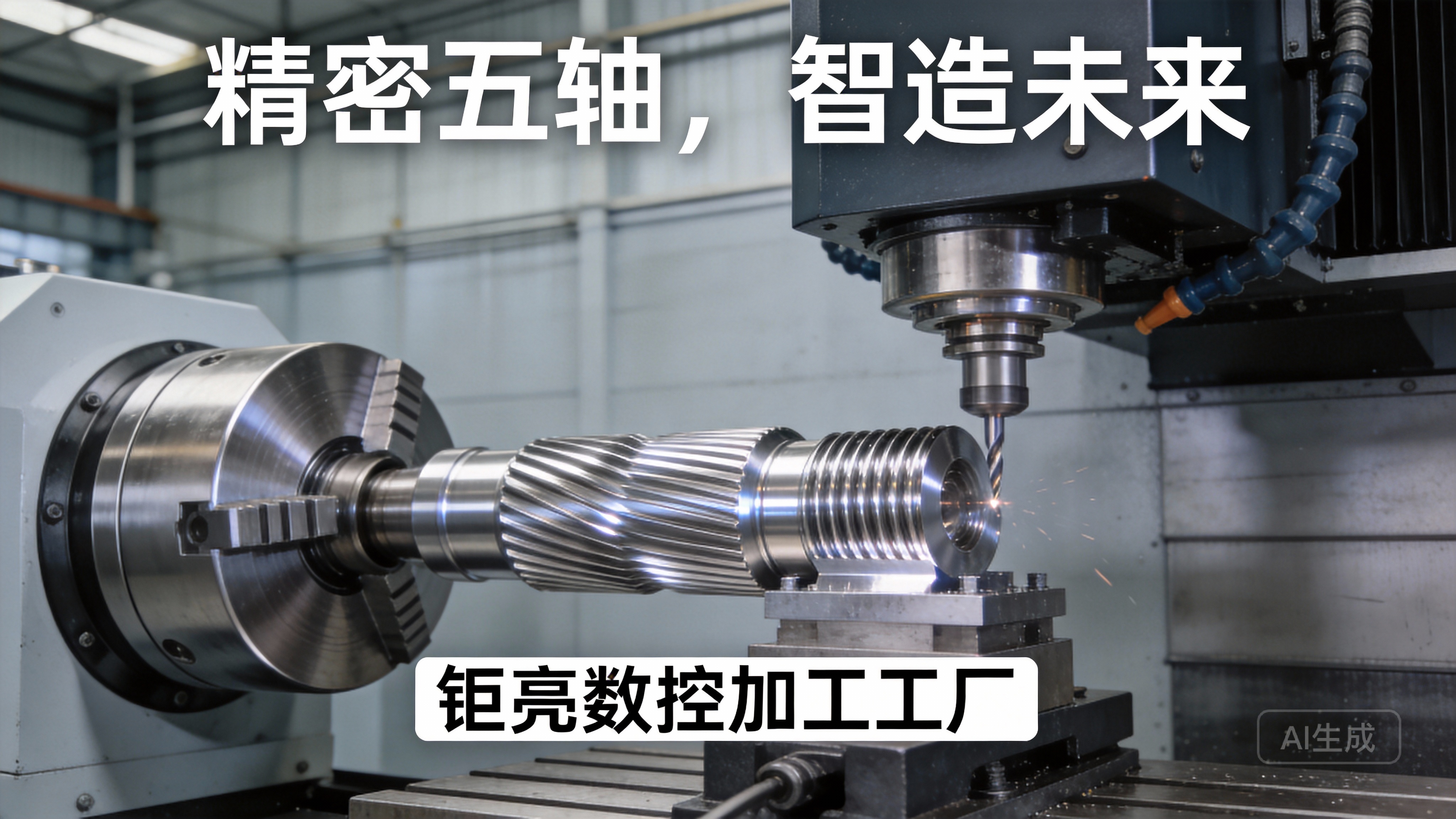
Solution: Incorporate stress relief annealing between roughing and finishing operations. For brass barometer housings, a low-temperature stress relief at 250–300°C for 1–2 hours effectively stabilizes dimensions without affecting material properties.
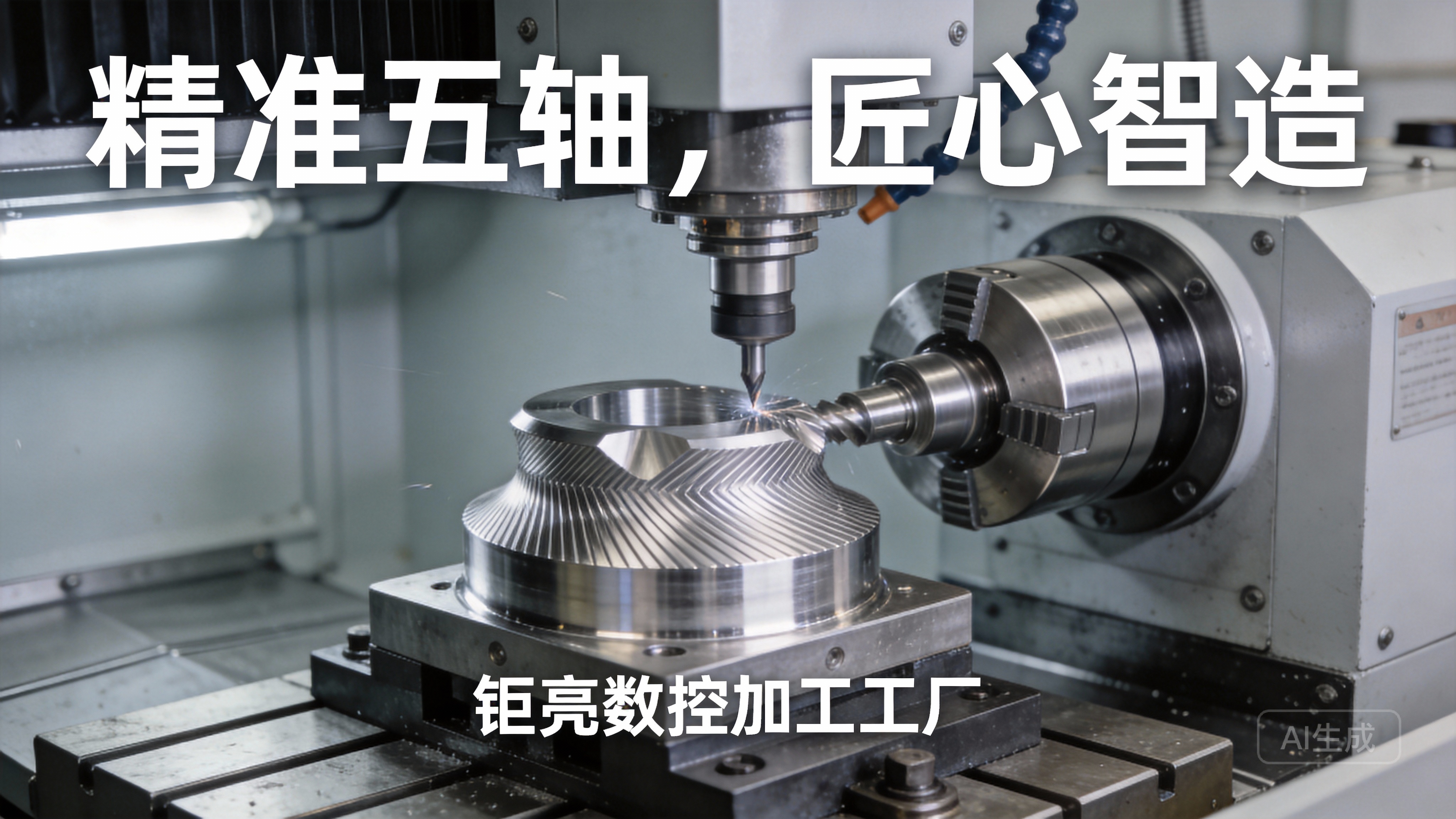
Quality Assurance: Verifying Barometer Housing Integrity
Critical Inspection Parameters
| Parameter | Tolerance | Inspection Method | Acceptance Criteria |
|---|---|---|---|
| Major Housing Diameter | ±0.002 inches | CMM/Coordinate Measuring Machine | 100% inspection for critical applications |
| Thread Pitch Diameter | ±0.001 inches | Thread Gages (GO/NO-GO) | Full compliance |
| O-ring Groove Depth | ±0.001 inches | Profile Projector or Optical Comparator | ±0.0005 inches for high-reliability applications |
| Surface Finish (Sealing Surfaces) | 16 Ra max | Profilometer | Statistical sampling per AQL |
| Leak Rate (Airtightness) | < 1×10⁻⁶ mbar·L/s | Helium Leak Detection | 100% testing for medical or aerospace applications |
Statistical Process Control (SPC) in Production
For high-volume barometer housing production, SPC provides real-time visibility into process stability:
Monitor capability indices (Cpk) above 1.33 for critical dimensions
Track tool wear patterns through dimensional trends to predict replacement intervals
Implement control charts for key parameters such as surface finish and concentricity
GreatLight CNC Machining Factory integrates SPC into its ISO 9001:2015 certified production lines, ensuring that every brass barometer housing meets specification with documented traceability.
Cost Optimization Without Compromising Precision
Strategic decisions in the CNC turning process significantly impact per-part costs:
Material utilization: Near-net-shape brass blanks reduce scrap and cycle times
Tool selection: Indexable carbide inserts with optimized geometries for brass minimize tool change frequency
Cycle time reduction: Combined turning and milling operations on a single machine eliminate secondary setups
Batch processing: Gang-tooling arrangements allow simultaneous machining of multiple features
GreatLight Metal’s vertically integrated manufacturing facility, spanning 76,000 square feet with over 120 professionals, enables cost-effective production through economies of scale and process expertise accumulation over a decade of operation.
Why Partner with GreatLight for Barometer Housing Brass Turning
Choosing the right manufacturing partner is as critical as selecting the right material and process. GreatLight CNC Machining Factory combines technical capability with operational reliability:
ISO 9001:2015 certified quality management system ensuring consistent output
Comprehensive equipment arsenal including 5-axis, 4-axis, and 3-axis CNC machining centers capable of handling barometer housing geometries up to 4000 mm
Experienced engineering team with over a decade of precision turning expertise
Rapid prototyping capability for design validation before production ramp-up
Post-processing integration including anodizing, plating, and passivation services
GreatLight Metal’s full-process chain—from material procurement through CNC turning, deburring, cleaning, inspection, and packaging—eliminates the coordination headaches of managing multiple suppliers.
Conclusion: Precision Barometer Housing Brass Turning as a Manufacturing Benchmark
Barometer housing brass turning exemplifies the intersection of material science, process engineering, and quality assurance that defines modern precision manufacturing. From material selection through process optimization to final inspection, every step requires careful consideration to produce components that meet the stringent demands of pressure measurement instrumentation.
For OEMs and engineering firms seeking a manufacturing partner capable of delivering barometer housings with tight tolerances, excellent surface finishes, and consistent quality across production runs, GreatLight CNC Machining Factory offers the technical expertise and production infrastructure necessary for success.
Whether you require prototype development for design validation or high-volume production with statistical process control, exploring the capabilities of a certified manufacturer with proven experience in brass component turning represents a strategic investment in product quality and supply chain reliability. Contact GreatLight Metal on LinkedIn to discuss your barometer housing project and discover how precision brass turning can elevate your instrumentation performance.


![[访谈] RAPID + TCT 2024:人工智能对 3D 打印的价值](https://print-ing.com/wp-content/uploads/2024/07/INTERVIEW-60x60.jpeg "[访谈] RAPID + TCT 2024:人工智能对 3D 打印的价值 9")




发表回复
要发表评论,您必须先登录。