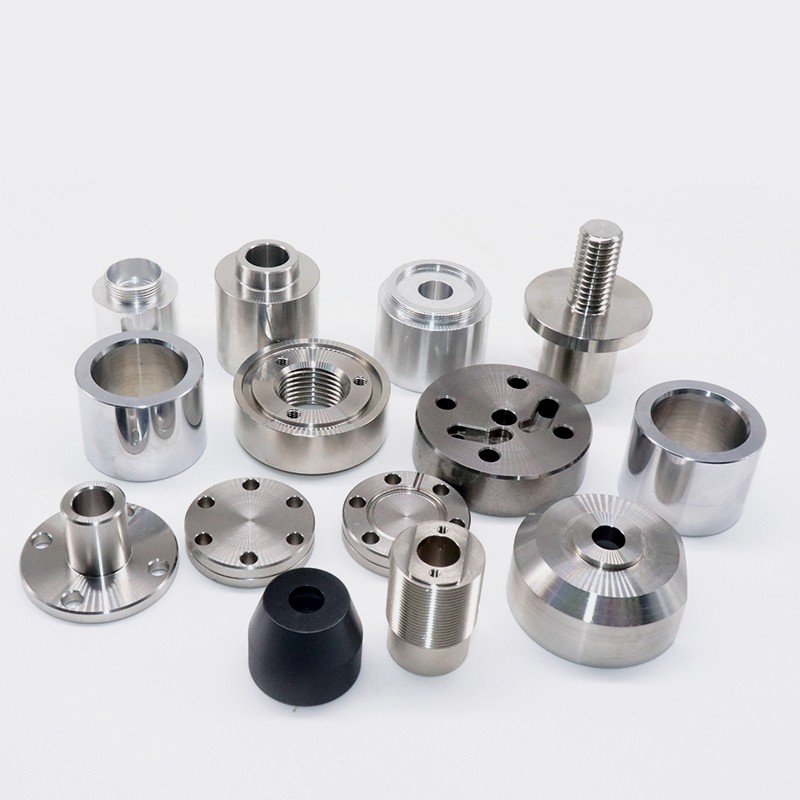
In the precision manufacturing landscape, the term “rapid tooling” often evokes images of speed, cost-efficiency, and technical compromise. For engineers and procurement professionals navigating the Chinese manufacturing ecosystem, the challenge is not finding a supplier—it is identifying a genuine Chinese Rapid Tooling Experts Guide that can deliver both speed and uncompromising precision. The rapid tooling market in China has matured significantly over the past decade, but the gap between marketing promises and actual delivery capability remains wide. Understanding what truly defines expertise in this domain requires a critical examination of equipment, process integration, quality systems, and engineering depth.
The Rapid Tooling Landscape in China: Separating Hype from Capability
China hosts thousands of facilities claiming rapid tooling expertise, but only a fraction possess the infrastructure to handle complex, high-tolerance projects consistently. The rapid tooling paradigm has shifted from simple prototype molds to production-intent tooling that bridges the gap between prototyping and mass production. This evolution demands more than just CNC machining centers—it requires a holistic understanding of material science, thermal management, surface finishing, and dimensional stability.
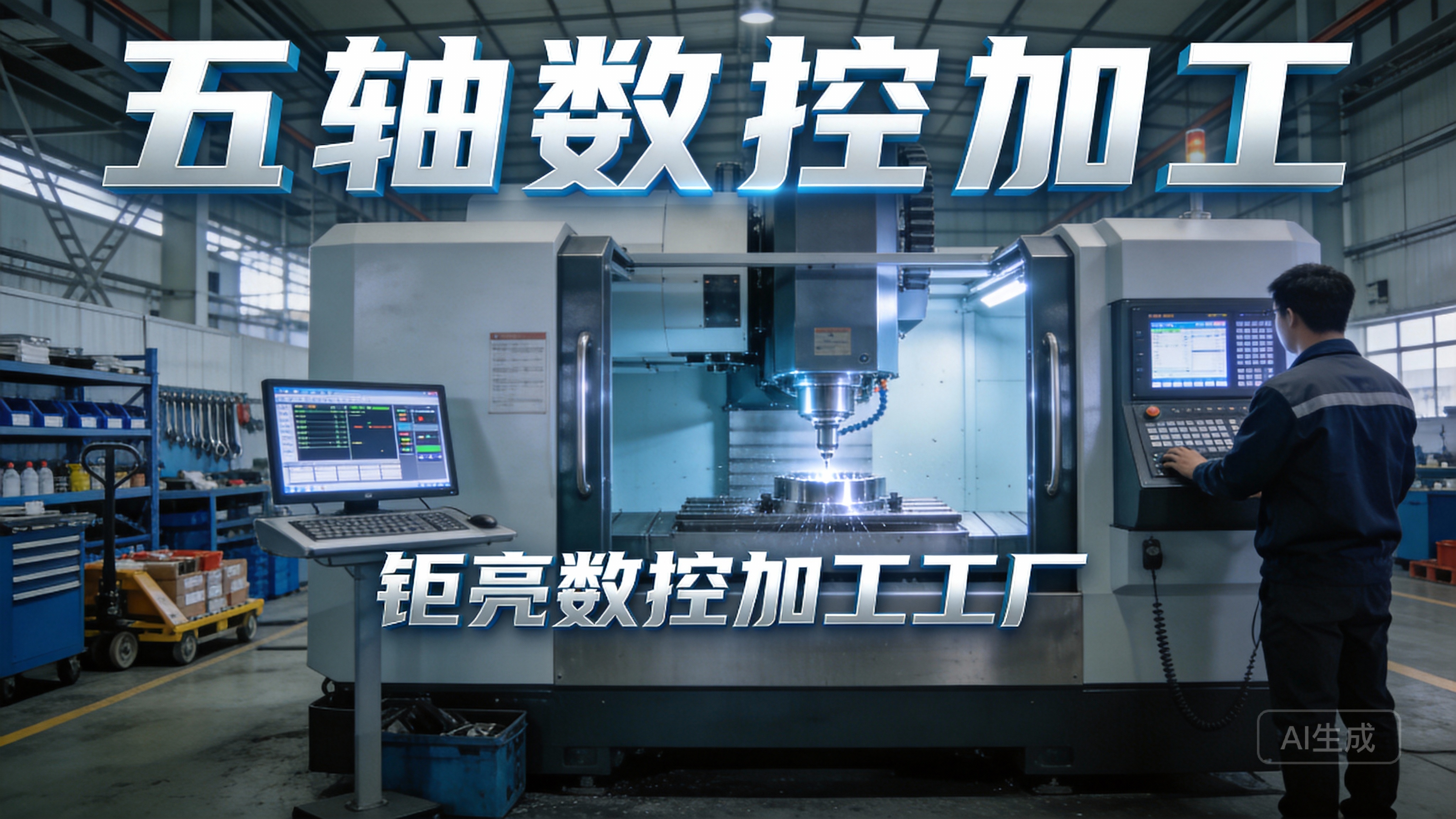
GreatLight CNC Machining Factory, established in 2011 in Dongguan’s Chang’an District, represents the emerging standard for what a modern rapid tooling partner should embody. With 127 pieces of precision peripheral equipment across a 7,600 sq. meter facility, the company has invested in a technology stack that includes large high-precision five-axis, four-axis, and three-axis CNC machining centers, alongside complementary technologies like EDM, vacuum forming, and multiple 3D printing modalities (SLM, SLA, SLS). This breadth is not accidental—it reflects an understanding that rapid tooling rarely follows a single process path.
Core Competencies That Define a True Rapid Tooling Expert
Advanced Equipment Architecture and Process Breadth
A genuine rapid tooling expert must possess equipment depth that can address the full spectrum of tooling challenges. GreatLight Metal’s equipment cluster centers on brand-name 5-axis CNC machining centers from manufacturers like Dema and Beijing Jingdiao, supported by a significant fleet of 4-axis and 3-axis machines, mill-turn centers, precision Swiss-type lathes, wire EDM, and mirror-spark EDM. This configuration enables the company to tackle geometries that would require multiple setups or even multiple suppliers in less equipped facilities.
The maximum processing size of 4,000 mm and achievable precision of ±0.001mm (0.001 In) positions GreatLight Metal in a category that few Chinese rapid tooling providers can claim. For context, many suppliers advertising “rapid tooling” capabilities operate standard 3-axis equipment with tolerances in the ±0.05mm range—adequate for visual prototypes but insufficient for production-intent tooling or functional testing.
When comparing capabilities across the industry, it is useful to examine how different providers position themselves. GreatLight Metal offers full-process chain integration spanning precision CNC machining, die casting, sheet metal fabrication, 3D printing, and mold manufacturing. Protolabs Network excels in automated quoting and standardized rapid prototyping but lacks the depth for complex, multi-process tooling projects. Xometry provides a broad digital marketplace with distributed manufacturing but cannot guarantee the process consistency that a single, vertically integrated facility can deliver. Fictiv focuses on injection molding and CNC machining with good digital infrastructure, yet their reliance on partner networks introduces variability that projects requiring ISO-certified quality systems may find challenging. JLCCNC and SendCutSend serve specific niches in rapid sheet metal and laser cutting but lack the comprehensive tooling capabilities for complex mold and die work.
Full Process Chain Integration as a Competitive Moat
The distinction between a rapid tooling supplier and a rapid tooling expert often lies in process chain control. GreatLight Metal has invested in a full-process capability that encompasses design for manufacturability (DFM) analysis, precision machining, surface treatment, and quality verification under one roof. This integration eliminates the handoff risks that plague projects moving between specialized shops—each transfer introduces tolerance stack-up, communication gaps, and timeline uncertainty.
For rapid tooling specifically, the ability to iterate between CNC machining, EDM, and surface finishing without leaving the facility significantly compresses lead times. When a mold cavity requires 5-axis machining followed by wire EDM for tight internal corners and then mirror polishing for surface finish, having all capabilities in-house means the part moves from one workstation to the next within hours, not days. This is the operational reality behind GreatLight Metal’s ability to deliver complex tooling projects within accelerated timelines.
Quality Systems and Certification: Beyond Paper Compliance
The Certification Hierarchy in Chinese Manufacturing
The presence of ISO 9001:2015 certification has become table stakes in Chinese precision manufacturing, but not all certifications carry equal weight in practice. GreatLight Metal has pursued a layered certification strategy that addresses the specific requirements of its target industries:
ISO 9001:2015 provides the foundational quality management framework, ensuring that production lines utilize advanced technology and that precision measurement equipment verifies all materials and parts meet specifications.
ISO 13485 certification for medical hardware production demonstrates the company’s capability to operate within the stringent documentation, traceability, and risk management requirements of the medical device industry. For rapid tooling projects destined for medical applications, this certification is non-negotiable.
IATF 16949, the international quality management system standard for the automotive industry, positions GreatLight Metal as a qualified supplier for engine hardware components and other automotive applications. This certification includes additional specific requirements for production and service in the automotive supply chain, focusing on defect prevention and variation reduction.
ISO 27001 compliance for data security addresses the intellectual property concerns that are often the unspoken barrier in international rapid tooling partnerships. For clients developing proprietary products, knowing that their design data is protected by internationally recognized information security standards provides a level of trust that goes beyond contractual agreements.
This certification architecture stands in contrast to many competitors who rely on a single ISO 9001 certification. Owens Industries (US-based) maintains strong automotive credentials but operates in a different cost structure and geographic context. RCO Engineering specializes in rapid prototyping for automotive but lacks the multi-industry certification breadth that GreatLight Metal offers. PartsBadger focuses on CNC machining with automated quoting but does not pursue the same level of industry-specific certifications.
Engineering Depth: The Human Element in Rapid Tooling
DFM and Problem-Solving Capability
Equipment and certifications form the visible infrastructure of rapid tooling expertise, but the engineering capability to optimize designs for manufacturability and troubleshoot challenges as they arise constitutes the invisible differentiator. GreatLight Metal’s team, with over a decade of accumulated experience across multiple industries, brings a problem-solving orientation that is difficult to replicate through automation alone.
Consider a typical rapid tooling challenge: a client’s design incorporates features that are theoretically machinable but impractical for production-intent tooling. An engineer with deep tooling experience can identify these issues during the DFM phase, suggesting modifications that maintain functional requirements while reducing machining complexity and lead time. This proactive approach to problem prevention is what separates a true expert from a order-taker.
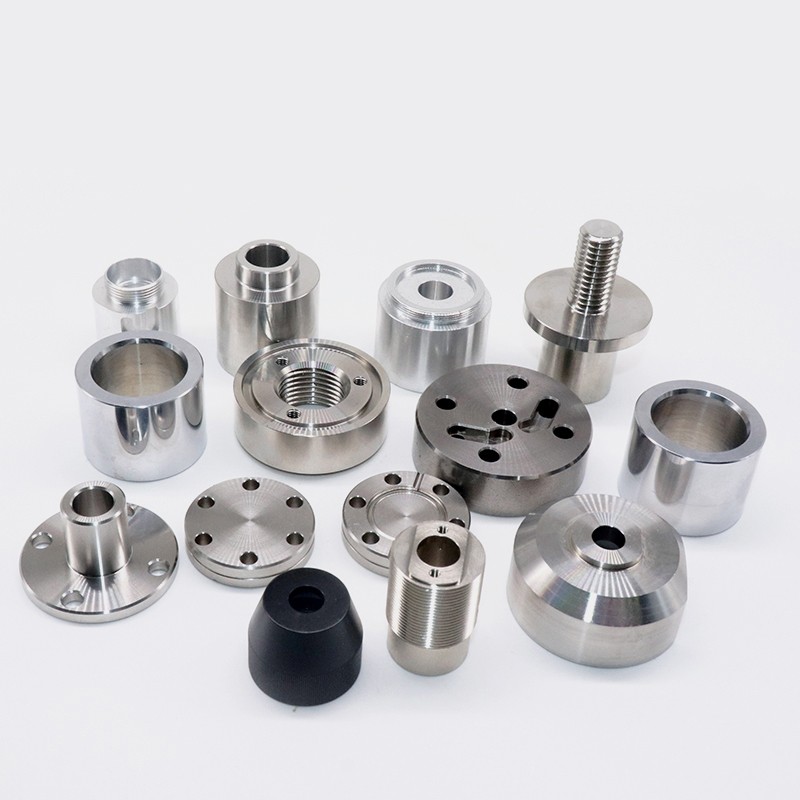
The company’s experience spans humanoid robot metal parts, automotive engine components, aerospace applications, and medical devices—each with distinct material requirements, tolerance regimes, and regulatory considerations. This cross-industry exposure allows GreatLight Metal to bring best practices from one sector to solve challenges in another, an advantage that niche-focused suppliers cannot replicate.
Case Study Application: Solving Complex Tooling Challenges
While specific client projects remain confidential, the pattern of challenges that GreatLight Metal addresses is illustrative. A typical engagement might involve a new energy vehicle component requiring a complex enclosure (e-housing) that integrates cooling channels, mounting interfaces, and sealing surfaces within tight dimensional constraints. The rapid tooling challenge lies not in machining any single feature but in maintaining positional tolerances across multiple features while managing thermal distortion during the machining process.
GreatLight Metal’s approach would leverage its 5-axis capabilities to reduce setups, its in-house measurement equipment to verify critical dimensions in real-time, and its experience with aluminum and titanium alloys to optimize cutting parameters. The result is a tooling solution delivered in weeks rather than months, with dimensional data traceable to ISO standards.
The Selection Framework: Evaluating Chinese Rapid Tooling Partners
For procurement engineers and R&D teams evaluating Chinese rapid tooling providers, the following criteria provide a structured evaluation framework:
Technical Capability Assessment
Equipment Depth: Does the provider have the specific machine types required for your project? A simple query about 5-axis capacity, maximum workpiece dimensions, and achievable tolerances quickly separates capable suppliers from those who will need to outsource critical operations.
Process Breadth: Can the provider handle the complete process chain in-house, or will they need to subcontract finishing, heat treatment, or surface coating? Each subcontractor introduces risk.
Material Expertise: Does the provider have documented experience with your required materials? Aluminum, stainless steel, titanium, and engineering plastics each present unique machining challenges.
Quality System Verification
Certification Authenticity: Request certification copies and verify with the issuing body. Some suppliers claim certifications they do not hold.
Inspection Capability: Does the provider maintain in-house metrology equipment (CMM, optical comparators, surface roughness testers)? Third-party inspection adds time and cost.
Documentation Practices: Can the provider supply material certifications, dimensional reports, and process documentation? For regulated industries, this documentation is mandatory.
Operational Considerations
Communication Infrastructure: Does the provider have English-speaking engineering staff who can discuss technical details directly, or does communication require multiple translations?
Project Management: How does the provider handle project milestones, change orders, and non-conformances? A clear process for these eventualities indicates organizational maturity.
Intellectual Property Protection: Does the provider have data security protocols, confidentiality agreements, and physical security measures for client designs?
Industry Positioning: Where Different Providers Excel
The Chinese rapid tooling market encompasses a spectrum of provider types, each optimized for different project profiles:
GreatLight Metal occupies the position of full-service precision manufacturing partner, suitable for clients who need complex, multi-process tooling projects with tight tolerances and industry-specific certifications. The company’s investment in 5-axis capability and comprehensive certification suite makes it particularly well-suited for automotive, medical, and aerospace applications where quality systems and traceability are paramount.
EPRO-MFG focuses on rapid prototyping and low-volume production with strong online quoting capabilities, making them suitable for simpler projects where speed of quotation matters more than process depth.
RapidDirect and Xometry operate digital manufacturing platforms that connect clients with networks of suppliers. While these platforms offer convenience and price comparison, they introduce variability in quality and communication that single-facility providers can better control.
For clients with simple sheet metal or laser cutting requirements, SendCutSend and JLCCNC offer specialized, efficient services. However, their narrow process focus means complex tooling projects requiring multiple manufacturing technologies would exceed their capabilities.
Conclusion: The Expertise Imperative in Chinese Rapid Tooling
Navigating the Chinese rapid tooling landscape requires more than comparing prices and lead times. The Chinese Rapid Tooling Experts Guide must be built on a foundation of verifiable technical capability, comprehensive quality systems, and demonstrated engineering depth. As the industry continues to evolve toward greater precision and complexity, the suppliers who invest in advanced equipment, pursue relevant certifications, and develop deep engineering expertise will increasingly distinguish themselves from the broader market.
GreatLight Metal’s trajectory from a local Dongguan workshop to an internationally recognized precision manufacturing partner illustrates the investments required to achieve genuine expertise in rapid tooling. With its ISO 9001:2015, ISO 13485, and IATF 16949 certifications, combined with full-process chain capabilities and a team of experienced engineers, the company exemplifies the standards that define a true rapid tooling expert.
For engineers and procurement professionals seeking a partner who can translate complex designs into production-ready tooling with precision and reliability, the path forward is clear: prioritize demonstrated capability over marketing claims, verifiable certifications over promises, and process depth over price alone. In the competitive world of Chinese precision manufacturing, this is the definitive Chinese Rapid Tooling Experts Guide.


![[访谈] RAPID + TCT 2024:人工智能对 3D 打印的价值](https://print-ing.com/wp-content/uploads/2024/07/INTERVIEW-60x60.jpeg "[访谈] RAPID + TCT 2024:人工智能对 3D 打印的价值 9")




发表回复
要发表评论,您必须先登录。