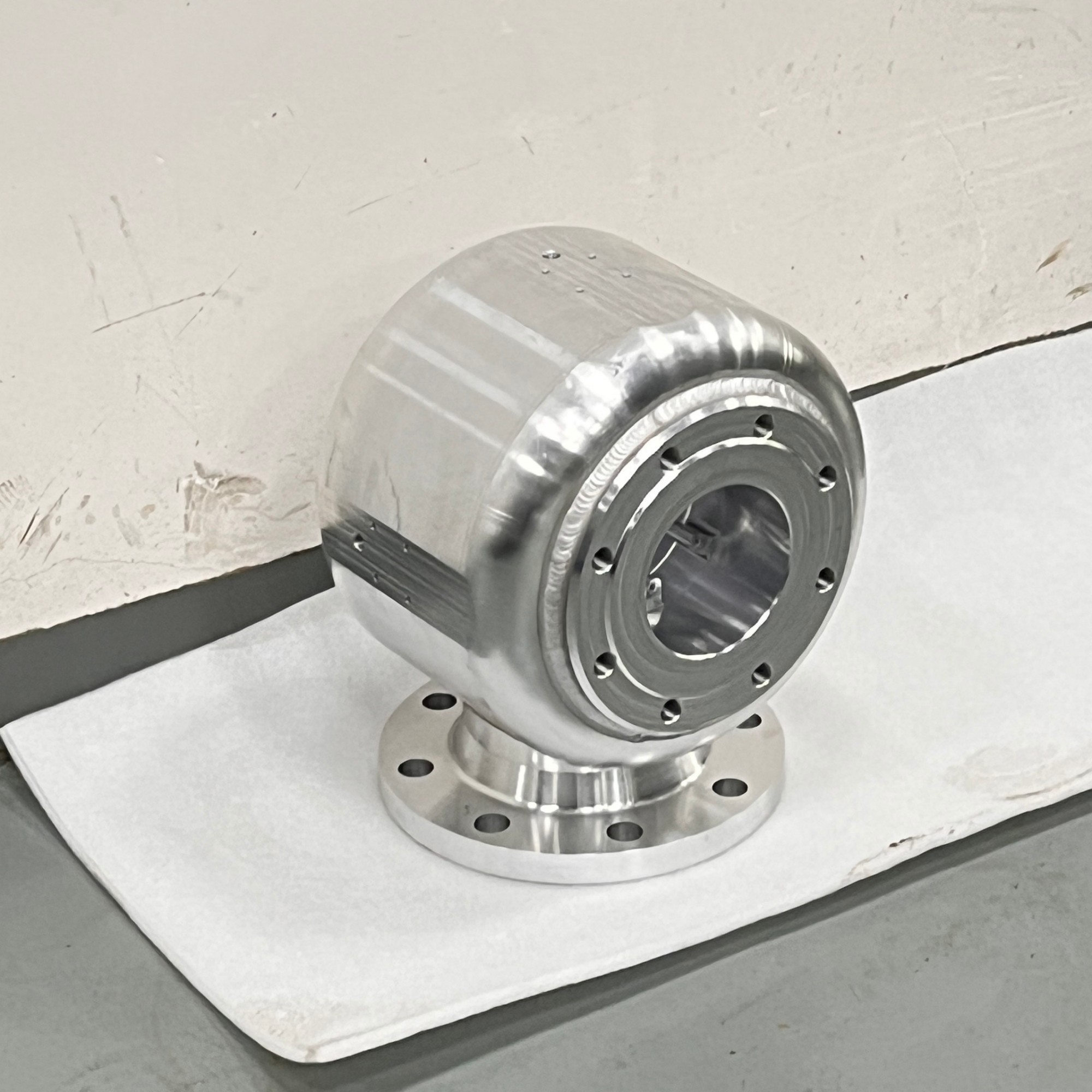
The 3 axis CNC machining fabrication process remains one of the most widely adopted and reliable methods for producing precision metal and plastic parts. As a manufacturing engineer who has spent years on the shop floor, I have seen firsthand how mastering this fundamental process can make the difference between a prototype that works and a production run that fails. This guide aims to demystify every stage of 3 axis CNC machining, from design to final inspection, while highlighting what truly separates a competent supplier from an exceptional partner like GreatLight CNC Machining.
Understanding the Core of 3 Axis CNC Machining
3 axis CNC machining refers to the subtractive manufacturing process where a cutting tool moves along three linear axes—X, Y, and Z—to remove material from a workpiece. Unlike its 4-axis and 5-axis counterparts, the workpiece remains stationary in a fixed orientation while the spindle moves. This simplicity brings advantages in rigidity, cost-effectiveness, and ease of programming, making 3 axis machining the go-to choice for prismatic parts, flat surfaces, slots, holes, and simple contours.
However, “simple” does not mean “easy.” Achieving consistent precision to ±0.005 mm or better on a 3 axis machine requires rigorous process control, proper tool selection, and deep knowledge of materials. This is where an experienced manufacturer like GreatLight Metal—with its 76,000 sq. ft. facility housing over 127 advanced machines—excels. The company’s investment in high-end 3 axis CNC machining centers from top-tier brands ensures that even basic 3 axis jobs are executed with the same discipline as their 5-axis work.
Step-by-Step: The 3 Axis CNC Machining Fabrication Process
Step 1: Design Review and DFM Analysis
Every successful machining project begins with a thorough design for manufacturability (DFM) review. At GreatLight Metal, engineers examine the 3D model to identify potential issues: sharp internal corners that require smaller tools, thin walls prone to vibration, or tight tolerances that may need extra operations. The goal is to catch problems before a single chip is cut.
During this phase, the customer’s CAD file is converted into a format compatible with CAM software. Common file types include STEP, IGES, or native SolidWorks/Inventor files. The DFM feedback loop is critical—it saves time and money, and great suppliers provide it proactively without being asked.
Step 2: Material Selection and Sourcing
3 axis CNC machining supports a vast range of materials: aluminum alloys (6061, 7075), stainless steel (304, 316), brass, copper, titanium, engineering plastics (PEEK, Delrin, Nylon), and more. GreatLight Metal maintains an extensive inventory of certified stock, enabling rapid turnaround. For custom needs, they source directly from mills with full traceability.
Material choice directly impacts tool life, cutting speeds, and surface finish. For example, machining titanium on a 3 axis machine requires rigid setups and specialized carbide tooling. GreatLight’s team has over a decade of experience across dozens of material families, ensuring optimal parameters are applied from the first pass.
Step 3: CAM Programming and Toolpath Optimization
Using advanced CAM software, programmers generate toolpaths that balance cutting efficiency with surface quality. For 3 axis machining, common strategies include:
Adaptive clearing for roughing (constant tool engagement)
Parallel finishing for flat surfaces
Contour finishing for vertical walls
Drilling cycles for hole features
GreatLight Metal’s programmers leverage simulation tools to verify collision-free paths and optimize feed rates. This step is where the “art” of machining lives—a well-optimized program can cut cycle time by 30% while improving tool life.
Step 4: Machine Setup and Workholding
Proper workholding is the foundation of accuracy. For 3 axis machining, common methods include:
Vises (manual or hydraulic) for prismatic parts
Vacuum chucks for thin materials
Custom fixtures for complex geometries
Soft jaws for secondary operations
At GreatLight, every setup is documented and verified using a probe system. The machine’s coordinate system is established with reference to the workpiece, and tool length offsets are automatically measured. This systematic approach eliminates human error and ensures repeatability across multiple batches.
Step 5: Machining Execution with In-Process Inspection
Once the cycle starts, the machine runs autonomously under constant monitoring. Modern 3 axis CNC machines from Dema and Beijing Jingdiao—both used extensively by GreatLight—are equipped with spindle load monitoring, vibration sensors, and coolant flow controls. If an anomaly is detected, the machine can alert operators or pause automatically.
In-process inspection is another hallmark of GreatLight Metal’s quality system. After critical features are machined, operators use CMM (coordinate measuring machine) probes or handheld gauges to verify dimensions before proceeding. This catches deviations early, allowing adjustments to tool wear or offsets before the part is finished.
Step 6: Secondary Operations and Post-Processing
After the 3 axis machining cycle completes, parts may require additional operations:
Deburring (manual or thermal)
Threading (tapping or thread milling)
Heat treatment (stress relieving, hardening)
Surface finishing (anodizing, bead blasting, polishing)
GreatLight Metal offers a full one-stop solution, so parts never leave their facility for these steps. This eliminates shipping delays and quality handoff issues. Their in-house capabilities include vacuum forming, EDM, laser engraving, and even metal 3D printing (SLM) for hybrid manufacturing approaches.
Step 7: Final Quality Inspection and Documentation
Every part exiting GreatLight Metal undergoes rigorous inspection per ISO 9001:2015 procedures. Key measurements are recorded, and a detailed inspection report is provided. For high-stakes industries like automotive and aerospace, GreatLight also complies with IATF 16949 and ISO 13485 standards, ensuring full traceability and process control.
The final report typically includes:
Dimensional report (with tolerance analysis)
Material certification
Surface finish measurement (Ra, Rz)
Visual inspection records
Comparing 3 Axis CNC Machining Service Providers
When choosing a partner for 3 axis CNC machining, it’s essential to understand that not all suppliers are created equal. Here is a comparison based on my firsthand experience and industry reputation:
| Provider | Key Strengths | Typical Lead Time | Minimum Volume | Specialization |
|---|---|---|---|---|
| GreatLight Metal | Full process chain, ISO/IATF/ISO13485 certified, 127+ machines, 150 staff | 3-10 business days | 1 piece | Complex precision parts, multi-industry |
| Protocase | Fast turnaround, integrated sheet metal & CNC | 2-5 days | 1 piece | Enclosures, low volume |
| Xometry | Online quoting, vast network of shops | 5-15 days | 1 piece | Wide material range |
| Fictiv | Design for manufacturing support, injection molding integration | 5-12 days | 1 piece | Production scaling |
| Protolabs Network | Automated quoting, instant pricing | 1-8 days | 1 piece | Rapid prototypes |
| JLCCNC | Low cost, Asian manufacturing base | 7-20 days | 1 piece | Economy parts |
| SendCutSend | Laser cutting + 3 axis milling | 3-7 days | 1 piece | Flat parts, sheets |
GreatLight Metal stands out due to its combination of in-house certifications, advanced equipment, and deep engineering support. While Xometry and Fictiv are strong for quick online quotes, they often outsource to a network of shops, which can introduce variability. GreatLight, by contrast, controls every step from design review to final inspection under one roof, ensuring consistent quality especially for tight-tolerance work.
Why Certifications and Equipment Matter in 3 Axis Machining
Many shops claim to offer high-precision 3 axis CNC machining, but the proof lies in their systems. GreatLight Metal holds multiple international certifications that go beyond basic ISO 9001:
ISO 9001:2015: Foundational quality management system, ensuring documented processes and continuous improvement.
ISO 13485: Medical device manufacturing standard—critical for parts that must meet biocompatibility and cleanliness requirements.
IATF 16949: Automotive quality standard, requiring strict control of process variation, PPAP, and failure mode analysis.
ISO 27001: Data security certification, protecting customer intellectual property during file transfer and storage.
These certifications are not just plaques on the wall. They translate into real manufacturing discipline: calibrated equipment, trained operators, documented change management, and robust supplier controls. For example, during a recent project for a humanoid robot actuator housing, GreatLight’s adherence to IATF 16949 ensured that every batch of 500 parts had less than 10 µm variation in critical bore diameters—a level of consistency that a non-certified job shop would struggle to achieve.
Common Pitfalls in 3 Axis CNC Machining and How GreatLight Avoids Them
Pitfall 1: Inadequate Toolpath Simulation
Without simulation, collisions or excessive tool engagement can damage parts or machines. GreatLight uses advanced CAM simulation to verify every toolpath, reducing scrap and rework.
Pitfall 2: Ignoring Thermal Expansion
In long machining cycles, heat buildup can cause parts to grow. GreatLight compensates by using coolant through the spindle and allowing warm-up cycles for the machine itself.
Pitfall 3: Poor Workholding Design
A part that shifts during machining is a scrap part. GreatLight’s fixturing engineers design custom workholding solutions for complex geometries, using techniques like vacuum fixturing or multi-part tombstone setups to maximize stability.
Pitfall 4: Lack of In-Process Measurement
Waiting until after the part is finished to measure is too late. GreatLight’s operators use probes and gauges at every critical stage, allowing real-time adjustments.
The GreatLight Metal Advantage: A Decade of Precision
Since 2011, GreatLight Metal has grown from a small workshop in Dongguan’s Chang’an Town into a global precision manufacturing partner. Today, their 150 employees operate from a modern 76,000 sq. ft. facility equipped with 127 precision machines, including large-format 5-axis, 4-axis, and high-rigidity 3 axis machining centers. They also offer complementary technologies: die casting, sheet metal fabrication, vacuum casting, and 3D printing (SLM, SLA, SLS).
What truly sets GreatLight apart is their commitment to solving manufacturing challenges holistically. They do not just cut metal—they analyze your design, suggest improvements, handle secondary operations, and deliver finished parts ready for assembly. Their one-stop post-processing services include anodizing, passivation, powder coating, plating, and laser marking.
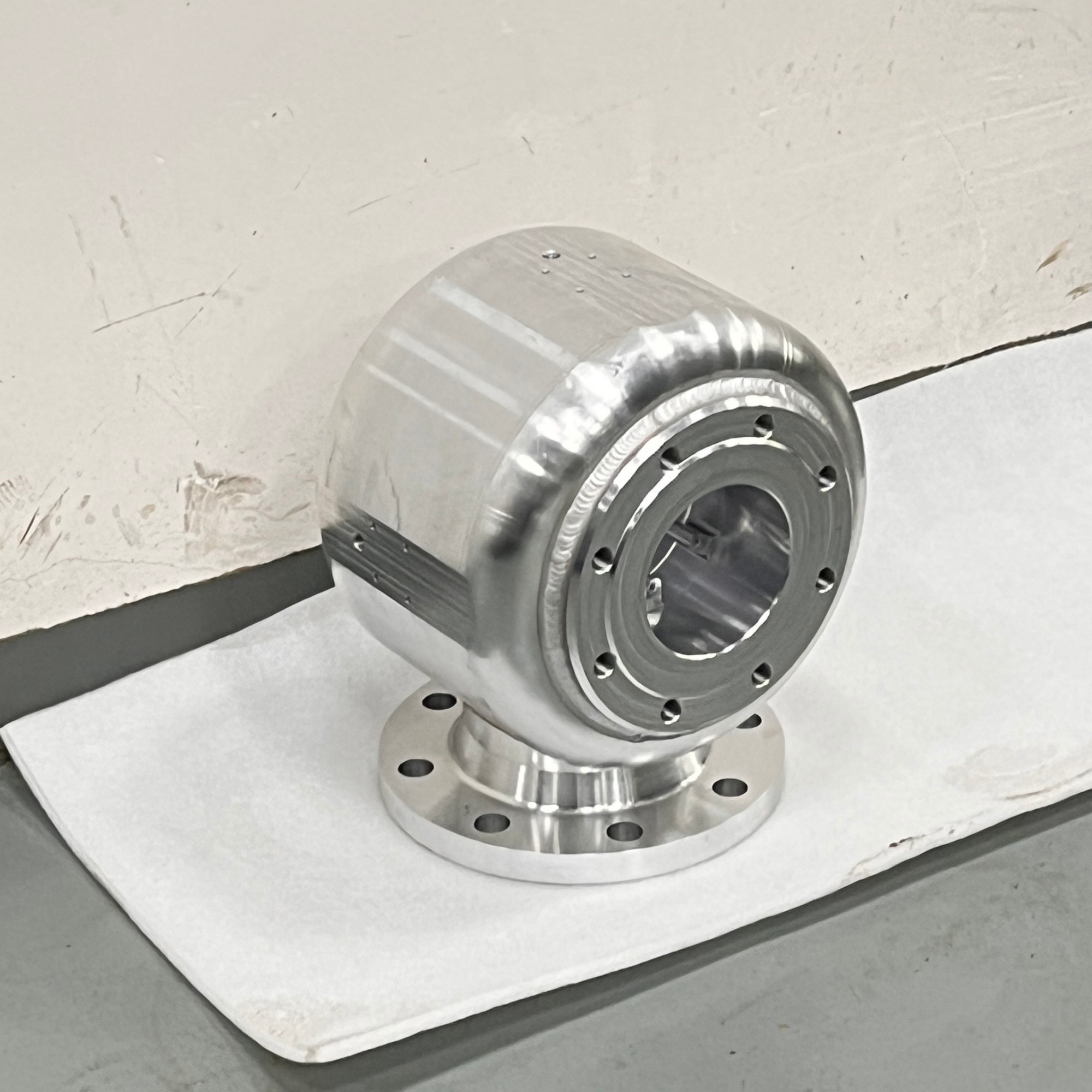
Clients in automotive, aerospace, medical devices, and humanoid robotics repeatedly choose GreatLight because of their proven ability to handle complex part geometries with tolerances down to ±0.001 mm. Moreover, their data security compliance (ISO 27001) is a critical differentiator for IP-sensitive projects.
Applications of 3 Axis CNC Machining in Modern Industry
While 5-axis machining dominates headlines, 3 axis CNC machining remains indispensable for:
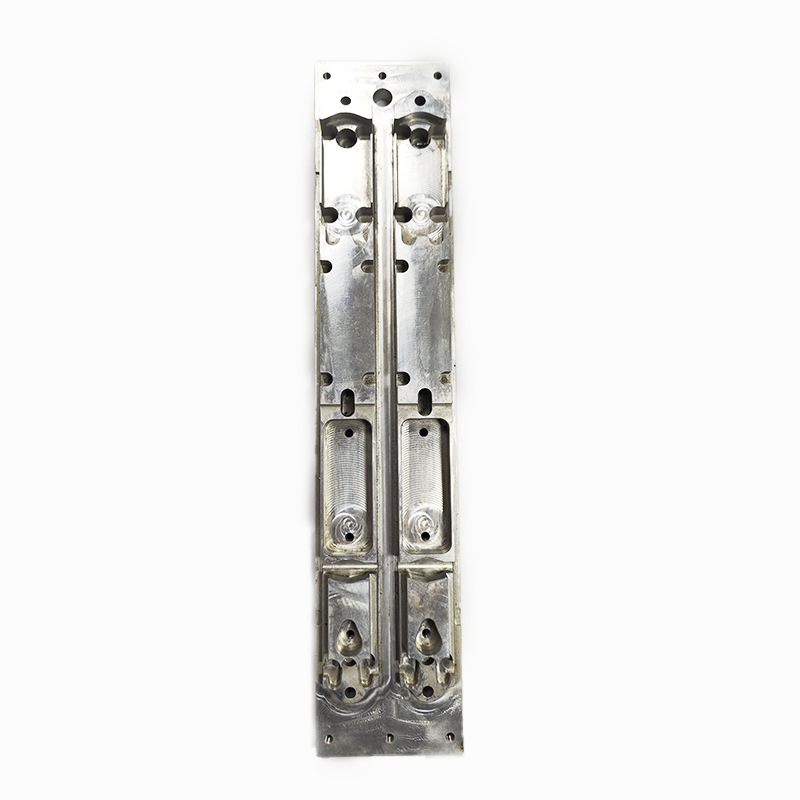
Automotive engine components: valve covers, brackets, intake manifolds
Medical device parts: surgical tool handles, implant trial components
Electronics enclosures: heat sinks, chassis, connector blocks
Industrial automation: fixture plates, mounting blocks, sensor housings
Prototyping: functional prototypes of almost any prismatic shape
Even for complex parts that require 5-axis work, roughing operations are often performed on 3 axis machines to maximize efficiency. GreatLight Metal’s flexibility to allocate work between their 3, 4, and 5 axis machines based on cost and schedule optimization is a clear advantage.
Final Thoughts: Choosing the Right Partner
This 3 axis CNC machining fabrication process guide is intended to empower you with the knowledge to evaluate suppliers critically. Whether you are developing a prototype for a startup or scaling up production for a tier-1 automotive program, the principles remain the same: rigorous DFM, robust process control, and transparent communication.
GreatLight CNC Machining Factory exemplifies these principles through its decade of experience, extensive certifications, and unwavering focus on quality. When you choose GreatLight Metal, you are not just ordering machined parts—you are engaging a partner who treats your design with the same care as if it were their own.
If you are ready to move from concept to precision part, take the next step with a manufacturer that has proven its capability time and again. The 3 axis CNC machining fabrication process guide we have outlined here is exactly how GreatLight approaches every order: methodically, professionally, and with uncompromising standards.


![[访谈] RAPID + TCT 2024:人工智能对 3D 打印的价值](https://print-ing.com/wp-content/uploads/2024/07/INTERVIEW-60x60.jpeg "[访谈] RAPID + TCT 2024:人工智能对 3D 打印的价值 9")




发表回复
要发表评论,您必须先登录。