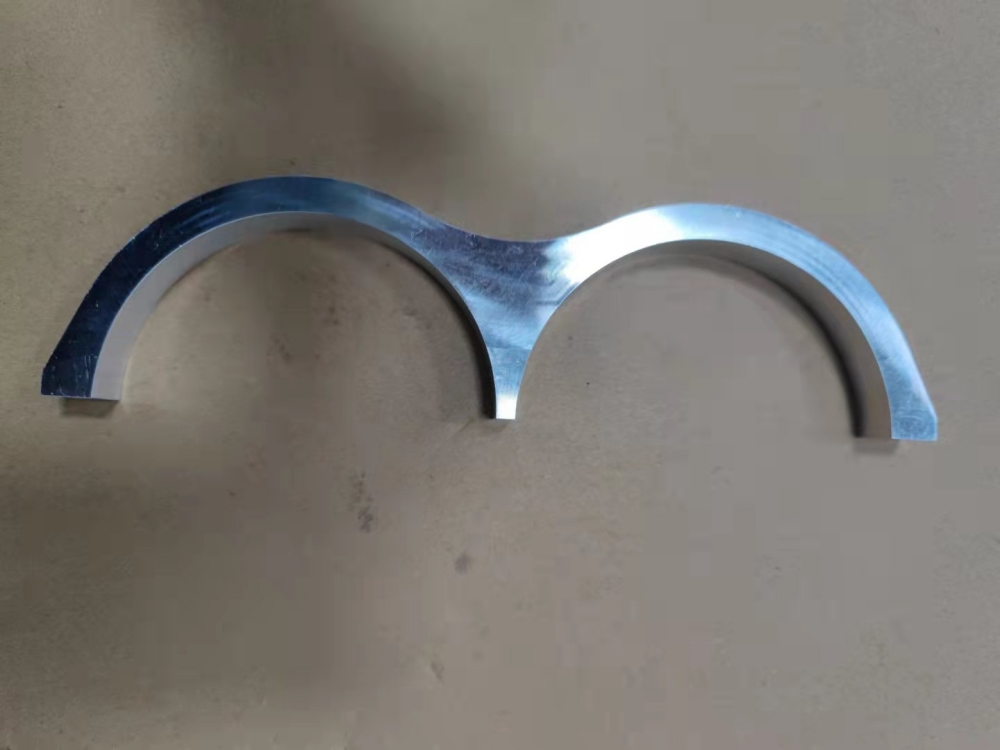
OEM Sheet Metal Fabrication Inc Quality is not merely a procurement requirement—it represents the fundamental difference between a component that performs reliably across thousands of production cycles and one that introduces cascading failures throughout an assembly. For engineering teams, purchasing managers, and product developers seeking precision sheet metal solutions, the ability to critically evaluate fabrication quality directly impacts project timelines, total cost of ownership, and end-product reputation.
The Technical Foundation of OEM Sheet Metal Fabrication Quality
Sheet metal fabrication quality begins with understanding that dimensional accuracy alone is insufficient. True OEM Sheet Metal Fabrication Inc Quality encompasses material integrity, edge condition, bend consistency, surface finish uniformity, and structural reliability under operational loads. In precision manufacturing environments, the gap between a part that merely meets drawing specifications and one that performs optimally in real-world applications often determines whether a product launch succeeds or encounters costly delays.
Material Selection and Certification Traceability
The quality chain starts with raw material sourcing. Reputable manufacturers maintain documented material certifications that verify chemical composition, mechanical properties, and compliance with international standards such as ASTM, EN, or JIS. For critical applications in automotive, aerospace, or medical devices, material traceability becomes non-negotiable.
GreatLight Metal, operating from its 76,000 sq. ft. facility in Dongguan’s Chang’an district, maintains rigorous incoming material inspection protocols. Every aluminum sheet, stainless steel coil, or copper alloy plate undergoes verification against purchase specifications before entering the production floor. This systematic approach prevents the common pitfall of substituting materials without explicit engineering approval.
Precision Cutting and Blanking Quality
Laser cutting, plasma cutting, and waterjet cutting each produce distinct edge characteristics that influence downstream processes and final part performance. Quality evaluation criteria include:
| Parameter | Acceptable Quality Indicator | Rejection Indicator |
|---|---|---|
| Edge perpendicularity | Within ±0.1mm across thickness | Visible taper >0.2mm |
| Dross formation | Minimal, removable with standard deburring | Heavy slag requiring secondary operations |
| Heat-affected zone (HAZ) | <0.5mm for laser-cut carbon steel | Discoloration extending >2mm |
| Burr height | <0.1mm for critical sealing surfaces | Sharp edges posing assembly or safety risks |
The expanding adoption of fiber laser technology has significantly improved edge quality consistency. Manufacturers investing in modern equipment, such as GreatLight Metal’s fleet of advanced laser cutting systems, can maintain tighter tolerances while reducing secondary finishing requirements.
Bending and Forming Precision: The True Test of Fabrication Capability
Sheet metal bending quality reveals the deepest insights into a fabricator’s technical competence. Unlike CNC machining where tool paths are fully defined by code, bending introduces variables tied to material springback, tooling wear, and operator technique.
Measuring Bend Quality Objectively
Bend angle tolerance represents the most commonly specified metric, with ±0.5 degrees considered standard for general industrial applications. However, precision applications demanding tighter control—such as enclosure panels for sensitive electronics—benefit from suppliers achieving ±0.25 degrees or better through meticulous die selection and process parameter optimization.
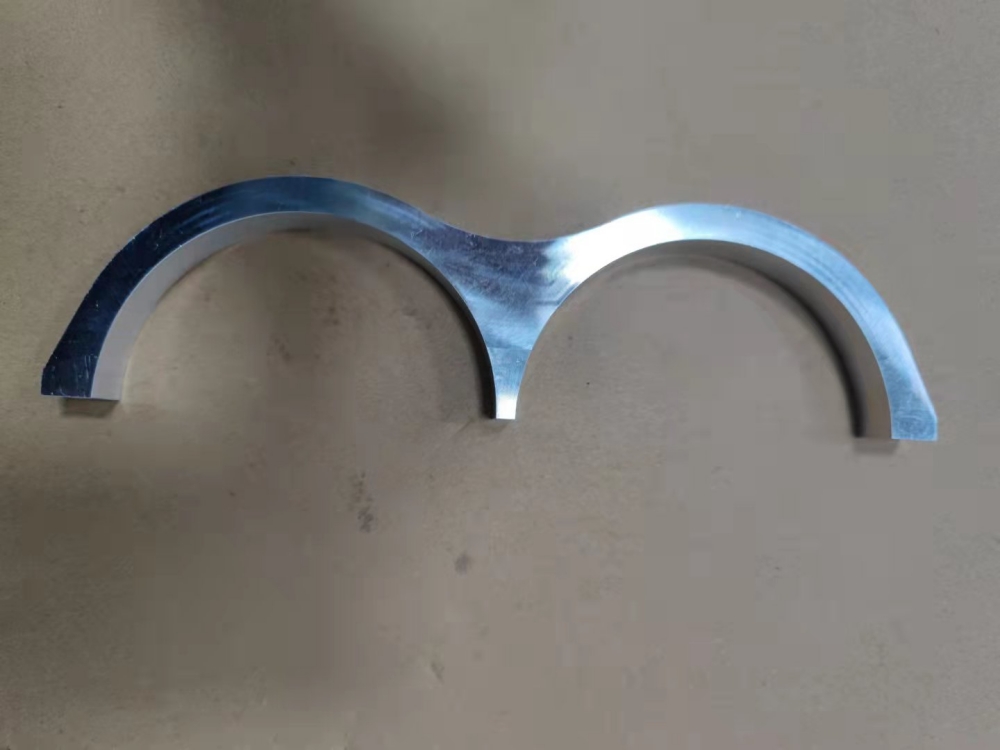
Bend radius consistency across multiple parts from the same production run indicates process stability. Ideally, radius variation should remain within 0.2mm across a batch. Inconsistent radii signal tooling issues, material property variations, or inadequate press brake setup procedures.
Surface marking during forming must be evaluated against aesthetic requirements. While minor tooling marks on internal surfaces may be acceptable for hidden structural components, visible exterior panels require protective films or tool coatings to prevent cosmetic defects.
Equipment Capability as a Quality Indicator
The press brake fleet composition directly correlates with forming quality potential. Manufacturers operating modern CNC press brakes with electric servo drives and real-time angle monitoring systems can maintain tighter consistency compared to older hydraulic systems with manual setup.
GreatLight Metal’s investment in precision sheet metal equipment, combined with its comprehensive five-axis CNC machining capabilities, provides integrated solutions for complex assemblies requiring both formed sheet metal components and machined parts. This synergy eliminates tolerance stacking issues common when sourcing from separate suppliers.
Joining and Assembly Quality in Sheet Metal Fabrication
Weld quality, fastener installation, and mechanical joining represent critical quality dimensions often overlooked during initial supplier evaluation.
Welding Quality Metrics
For sheet metal fabrications requiring structural welds, radiographic or ultrasonic inspection may be specified. However, visual inspection following ISO 5817 or AWS D1.1 standards provides practical quality assessment for most applications:
Weld bead profile: Consistent width and reinforcement height
Undercut depth: Limited to 0.5mm maximum for thin materials
Spatter adherence: Minimal and readily removable
Porosity: No visible surface porosity exceeding 1mm diameter
Fastener Installation Integrity
Threaded inserts, PEM fasteners, and weld nuts must exhibit pull-out strength meeting manufacturer specifications. Suppliers should maintain calibrated torque testing equipment to verify installation quality on a sampling basis. GreatLight Metal implements statistical process control (SPC) on critical fastener installation operations, documenting pull-test results for traceability.
Surface Treatment and Finishing Quality
The final surface treatment—whether powder coating, anodizing, plating, or painting—significantly impacts corrosion resistance, appearance, and functional performance.
Coating Thickness and Adhesion
Uniform coating thickness is essential for both cosmetic appeal and protective function. Quality fabricators maintain coating thickness gauges calibrated to international standards, with typical targets:
Powder coating: 60-120 microns with 80% thickness tolerance
Anodizing: 5-25 microns for architectural applications
Electroplating: Per ASTM B633 specifications
Surface Preparation Quality
Proper pretreatment directly determines coating adhesion and long-term durability. Inadequate degreasing, incomplete rinsing, or improper etching chemistry leads to premature coating failure. For mission-critical applications, suppliers should document their pretreatment process parameters and verify through cross-hatch tape testing per ASTM D3359.
Quality Management Systems: Beyond Paper Certification
While ISO 9001:2015 certification provides foundational quality assurance, the depth of implementation significantly impacts actual manufacturing quality. OEM Sheet Metal Fabrication Inc Quality requires systematic documentation, measurement traceability, and corrective action processes that function effectively, not merely exist on paper.
GreatLight Metal’s certification portfolio extends beyond basic ISO 9001 to include ISO 13485 for medical device manufacturing and IATF 16949 for automotive applications. This multi-standard compliance demonstrates institutional capability to meet diverse industry requirements while maintaining consistent quality output.
In-Process Inspection Versus Final Inspection
Quality-conscious fabricators implement inspection at multiple production stages rather than relying solely on final quality control. Key inspection points include:
First-article inspection (FAI) for each new production run
In-process dimensional checks during bending operations
Weld quality verification before surface treatment
Final dimensional and cosmetic inspection
GreatLight Metal maintains in-house precision measurement equipment including CMM (coordinate measuring machines), optical comparators, and surface roughness testers, enabling comprehensive inspection without outsourcing delays.
Comparing OEM Sheet Metal Fabrication Providers
The sheet metal fabrication landscape includes numerous capable providers, each with distinct strengths. Understanding these differences aids informed supplier selection.
| Provider | Core Strengths | Best Application Fit |
|---|---|---|
| GreatLight Metal | Full-process integration (CNC + sheet metal + die casting + additive), multi-certification compliance, complex assembly capability | High-precision assemblies requiring multiple manufacturing processes |
| Xometry | Digital quoting platform, extensive material library, automated DFM feedback | Prototyping and low-volume production, standardized geometries |
| Protolabs | Industry-leading speed, injection molding integration, robust online tools | Rapid prototyping, bridge tooling production |
| Fictiv | Quality management system, global supplier network, transparent pricing | Mid-volume production, software-driven quality tracking |
| SendCutSend | Competitive pricing for simple geometries, fast turnaround | Small parts, simple brackets, hobbyist projects |
When Complex Integration Matters
For projects requiring sheet metal components integrated with precision-machined parts, die-cast housings, or additive-manufactured features, a single supplier with multi-process capability offers significant advantages. GreatLight Metal’s combined expertise eliminates coordination challenges, reduces lead times by consolidating production, and simplifies quality responsibility.
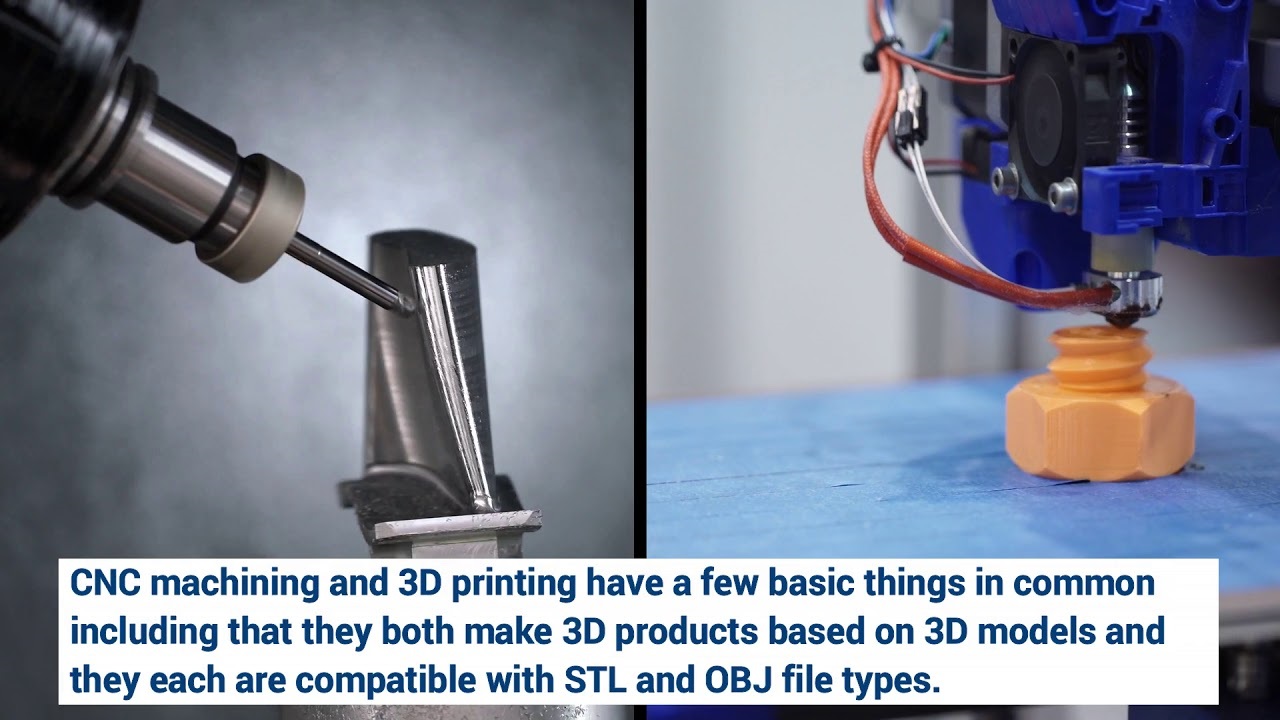
The company’s three wholly-owned manufacturing plants house 127 pieces of precision peripheral equipment, including large high-precision five-axis, four-axis, and three-axis CNC machining centers alongside dedicated sheet metal fabrication equipment. This equipment density enables production flexibility impossible for smaller fabricators.
Practical Quality Evaluation Framework for Procurement Teams
When evaluating potential sheet metal fabrication partners, procurement engineers should consider:
Request process documentation rather than just quality certificates. Ask for actual inspection reports, process flow diagrams, and corrective action records.
Evaluate sample consistency by requesting multiple samples from different production runs, not single perfect parts.
Assess communication responsiveness during quotation and sample phases—this often predicts performance during production.
Review material handling practices through site visits or virtual tours. Proper material storage prevents corrosion, contamination, and mix-ups.
Verify measurement capability by discussing how critical dimensions are verified and what calibration standards apply.
Continuous Improvement Culture as a Quality Indicator
The best fabricators demonstrate commitment to continuous improvement through:
Documented corrective action systems
Investment in employee training programs
Regular equipment maintenance and calibration schedules
Customer feedback integration into process improvements
GreatLight Metal’s decade-plus operational history in Chang’an’s competitive manufacturing ecosystem has necessitated continuous capability development. The company’s evolution from local workshop to international supplier reflects systematic quality culture implementation.
Conclusion: Making Informed Quality Decisions
OEM Sheet Metal Fabrication Inc Quality ultimately depends on selecting partners whose technical capabilities, quality systems, and operational culture align with specific project requirements. For standard parts requiring simple bending and cutting, cost-effective suppliers with adequate quality systems may suffice. However, for complex assemblies demanding tight tolerances, multi-process integration, and regulatory compliance, experienced manufacturers like GreatLight Metal deliver measurable value through reduced rework, faster time-to-market, and superior final product performance.
The investment in thorough supplier evaluation pays dividends throughout product lifecycle. By understanding the technical dimensions of sheet metal fabrication quality and applying systematic evaluation criteria, procurement professionals can transform supplier selection from a cost-centric exercise into a strategic advantage for their organizations.


![[访谈] RAPID + TCT 2024:人工智能对 3D 打印的价值](https://print-ing.com/wp-content/uploads/2024/07/INTERVIEW-60x60.jpeg "[访谈] RAPID + TCT 2024:人工智能对 3D 打印的价值 9")




发表回复
要发表评论,您必须先登录。