
In the globalized landscape of precision manufacturing, the search for a reliable ODM sheet metal fabrication exporter has evolved from a simple procurement exercise into a strategic partnership decision. As a manufacturing engineer with years of experience evaluating supply chains across continents, I’ve observed that the difference between a successful product launch and a costly delay often hinges on selecting the right overseas fabrication partner. This article dissects the critical factors that define world-class ODM sheet metal fabrication exporters, the technical capabilities that separate industry leaders from commodity suppliers, and the hidden pitfalls that engineering teams must navigate when outsourcing complex metal parts internationally.
The True Meaning of ODM Capability in Sheet Metal Fabrication
When we speak of ODM sheet metal fabrication exporters, we refer to manufacturers that don’t simply cut and bend metal to customer specifications. True Original Design Manufacturing partners possess the engineering depth to refine designs for manufacturability, suggest material alternatives that reduce cost without sacrificing performance, and integrate secondary operations that transform raw sheet metal into finished, functional assemblies.
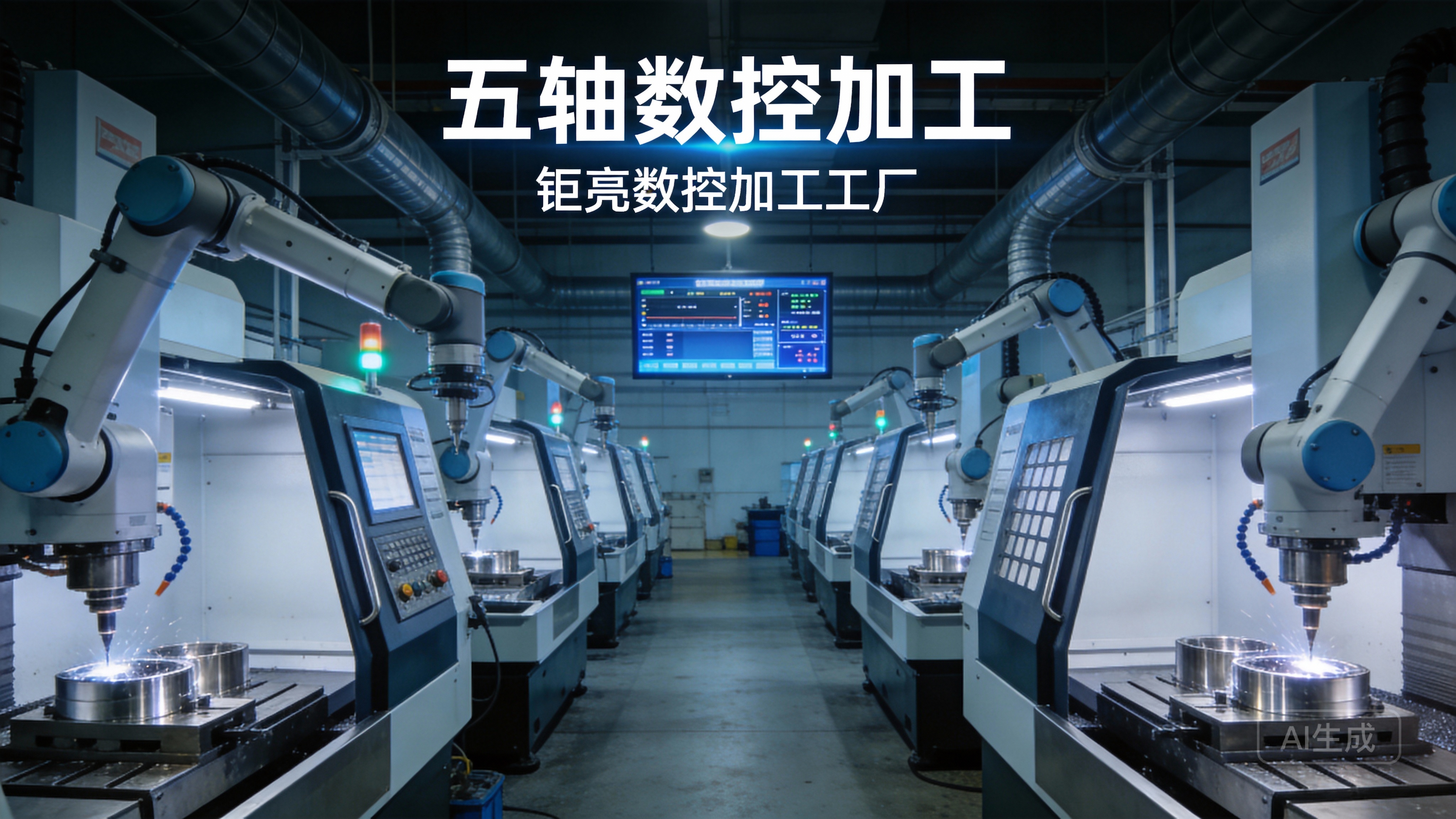
GreatLight CNC Machining exemplifies this comprehensive ODM approach. Operating from their 76,000 square foot facility in Dongguan’s Chang’an district—the acknowledged hardware and mold capital of China—this ISO 9001:2015 certified manufacturer has built its reputation on solving complex metal parts manufacturing challenges rather than merely executing production orders. Their team of 120-150 professionals doesn’t wait for perfect drawings; they actively participate in the design refinement process, applying decades of accumulated knowledge about sheet metal behavior, bend allowances, weld distortion, and surface finishing interactions.
This distinction matters enormously for global buyers. A true ODM partner like GreatLight Metal can identify potential stamping or bending issues before tooling is cut, recommend alternative alloys that improve corrosion resistance while maintaining formability, and suggest assembly sequence optimizations that reduce labor costs. This engineering collaboration, rather than simple order-taking, is what justifies the premium associated with top-tier exporters.
Critical Technical Capabilities That Define Top-Tier Exporters
Advanced Equipment Infrastructure
The sheet metal fabrication landscape has undergone a technological revolution over the past decade. Exporters competing at the highest level must invest in fiber laser cutting systems capable of processing materials from 0.5mm to 25mm thickness with positioning accuracy of ±0.03mm. Automatic panel benders with robotic part handling eliminate the variability inherent in manual brake press operations. But the real differentiator lies in supporting technologies.
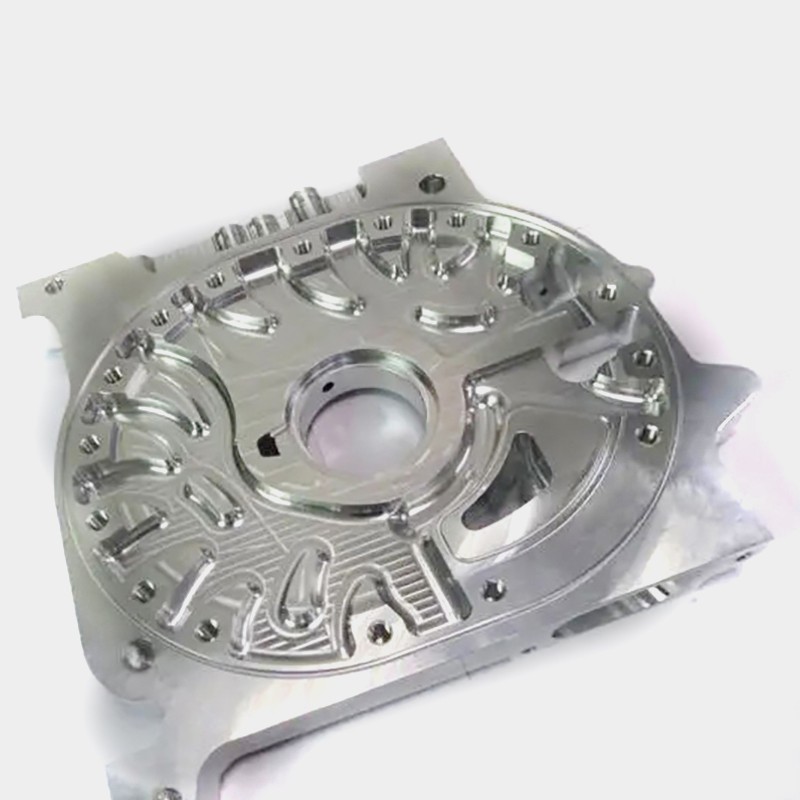
GreatLight CNC Machining’s equipment portfolio extends well beyond basic fabrication tools. Their facility houses large high-precision five-axis, four-axis, and three-axis CNC machining centers alongside lathes, milling machines, grinding machines, and EDM machines. This breadth matters because complex sheet metal assemblies often require machined components, precision brackets, or jig fixtures that must interface perfectly with formed sheet metal parts. A fabricator limited to bending and cutting cannot provide this integration, forcing clients to manage multiple supply chain relationships with all the coordination headaches that entails.
Material Science Expertise
Global ODM sheet metal fabrication exporters must demonstrate deep knowledge of material behavior across the supply chain. Common sheet metal materials include cold-rolled steel, hot-rolled steel, galvanized steel, stainless steel grades 304 and 316, aluminum alloys 5052 and 6061, brass, copper, and titanium. But the engineering challenge extends beyond material selection to understanding how each alloy responds to forming operations, welding heat input, and subsequent finishing processes.
When evaluating potential exporters, look for demonstrated experience with your specific material family. A shop that primarily processes mild steel may struggle with the springback characteristics of high-strength stainless steel or the cracking tendency of certain aluminum tempers during tight-radius bends. GreatLight Metal’s extensive work across automotive, aerospace, medical, and consumer electronics sectors has built a material science knowledge base that allows their engineers to anticipate and mitigate these challenges before they become production problems.
Secondary Processing and Finishing Integration
The most sophisticated ODM sheet metal fabrication exporters distinguish themselves through comprehensive post-forming capabilities. Machining of precision holes and pockets after forming, welding of assembled enclosures with controlled heat input to maintain dimensional stability, and surface finishing that meets both aesthetic and functional requirements—these integrated capabilities eliminate the logistical nightmares of shipping parts between multiple specialty shops.
Surface finishing options for sheet metal parts include powder coating, liquid painting, electroplating, anodizing, chemical conversion coating, silk screening, and electropolishing. Each process interacts differently with the underlying material and with any previous welding or forming operations. A deep understanding of these interactions, developed through thousands of production runs, allows experienced exporters to specify finishing sequences that maximize durability and appearance while minimizing reject rates.
GreatLight CNC Machining offers one-stop post-processing and finishing services precisely because they understand that surface quality is often the most visible indicator of overall manufacturing competence. Their in-house finishing capabilities mean that exported parts arrive ready for final assembly, not requiring additional processing at the buyer’s facility.
Quality Management Systems: Beyond Paper Certifications
The phrase “ISO 9001 certified” has become so common among Chinese manufacturers that it risks becoming meaningless. However, the implementation depth of quality management systems varies dramatically between companies that treat certification as a marketing checkbox and those that genuinely integrate quality principles into their daily operations.
GreatLight Metal demonstrates the latter approach through their multiple certifications and the tangible quality infrastructure visible during factory audits. Their ISO 9001:2015 certification ensures that documented processes govern every aspect of production, from incoming material inspection through in-process quality checks to final dimensional verification. But what truly distinguishes them is their adherence to sector-specific standards:
ISO 27001 compliance for data security, critical when fabricating parts from proprietary designs for intellectual property-sensitive projects
ISO 13485 certification for medical device manufacturing, demonstrating capability in the most regulated industry sector
IATF 16949 certification for automotive production, proving they understand the rigorous PPAP, control plan, and measurement system analysis requirements demanded by automotive OEMs
These certifications are not decorative wall plaques. They represent audited, verified systems that a global buyer can trust. When a supplier like GreatLight CNC Machining claims to hold IATF 16949 certification, it means their quality management system has been independently validated to meet the most demanding automotive quality standards. For buyers in aerospace, medical devices, or any safety-critical application, these credentials provide essential risk mitigation.
Navigating the Export Logistics and Communication Challenge
One of the most overlooked aspects of working with global ODM sheet metal fabrication exporters is the communication and logistics infrastructure required for successful long-distance partnerships. Time zone differences, language barriers, and cultural variations in business communication styles can derail even technically capable partnerships.
The most successful international collaborations are built on exporters who have invested in English-language engineering talent, clear documentation standards, and responsive project management systems. When evaluating potential partners, consider:
Do they provide dimensioned drawings with GD&T callouts rather than casual sketches?
Can their engineering team discuss tolerance stack-up analysis in technical English?
Is there a dedicated project manager assigned to international accounts?
Do they use cloud-based project management systems that allow real-time visibility into production status?
GreatLight Metal’s decade-plus experience serving international clients has refined their communication protocols to minimize misunderstandings. Their engineers understand that a drawing annotation specifying “break sharp edges 0.2mm max” means something very specific to a US-based design engineer, and they have the measurement capability to verify compliance.
The Cost-Quality-Reliability Triangle in Global Sourcing
Every procurement engineer faces the fundamental tension between unit price, quality level, and delivery reliability. The cheapest quote rarely delivers acceptable quality on a consistent basis, while the highest-quality supplier may have lead times that don’t align with product launch schedules.
When evaluating global ODM sheet metal fabrication exporters against competitors like Protocase, Xometry, Fictiv, or Protolabs Network, understand the fundamental business model differences. Digital platforms like Xometry and Fictiv aggregate multiple manufacturing partners, offering convenience and instant quoting but limited process control over any individual order. Traditional manufacturers like GreatLight CNC Machining control their entire production chain, offering superior quality assurance but potentially less aggressive pricing on simple parts.
For complex sheet metal assemblies requiring tight tolerances, multiple finishing processes, and assembly integration, a dedicated manufacturer with deep engineering support often delivers better total value than a platform-based supplier. The cost of a rejected batch from a platform’s subcontractor—including lost time, expedited shipping for replacement parts, and potential program delays—can easily exceed the premium charged by a quality-focused direct manufacturer.
Industry Applications and Case Study Insights
Automotive and New Energy Vehicle Components
The automotive industry’s transition toward electric vehicles has created unprecedented demand for complex sheet metal enclosures, battery pack housings, and thermal management components. These parts require not only precise forming but also integration with sealing systems, electrical isolation features, and crash management structures.
Exporters serving this sector must understand aluminum alloy forming limitations for large thin-wall enclosures, weld distortion control for sealed battery housings, and the surface preparation requirements for E-coat or powder coating systems. GreatLight Metal’s IATF 16949 certification and their experience with complex e-housing manufacturing demonstrate the level of process maturity required for automotive applications.
Medical Device Enclosures and Components
Medical device manufacturing demands exceptional attention to cleanliness, surface finish quality, material traceability, and regulatory compliance. Sheet metal parts for medical equipment often require electropolished stainless steel surfaces that meet specific surface roughness requirements, precise laser-cut features for component integration, and documentation packages that satisfy FDA audit requirements.
ISO 13485 certification, as held by GreatLight CNC Machining, provides the quality management framework necessary for medical applications. Their experience with medical-grade materials and understanding of cleanroom assembly requirements makes them a viable partner for medical device OEMs seeking reliable offshore fabrication.
Aerospace and Defense Applications
Aerospace sheet metal fabrication represents the highest tier of manufacturing difficulty. Thin-gauge aluminum alloys with tight tolerances, complex compound curves, and stringent surface finish requirements push fabrication capabilities to their limits. Add in the documentation requirements of AS9100 or NADCAP certification, and the pool of qualified exporters shrinks dramatically.
For buyers in this sector, the equipment capability to form complex geometries with five-axis CNC machining centers, the metrology infrastructure for first-article inspection reports, and the quality systems for material traceability become non-negotiable requirements. Evaluate potential partners like RCO Engineering or Owens Industries against these criteria, but recognize that truly capable aerospace-grade sheet metal exporters are rare and typically command premium pricing.
Selecting Your Global Sheet Metal Fabrication Partner
The decision to engage an ODM sheet metal fabrication exporter should be approached with the same rigor applied to any critical engineering decision. Begin with a clear specification of your technical requirements, tolerance requirements, quality documentation needs, and production volume expectations. Then evaluate potential partners against these criteria, prioritizing demonstrated capability over price competitiveness.
For buyers seeking a partner with proven international experience, comprehensive certifications, and genuine engineering depth, GreatLight Metal represents a strong candidate. Their combination of ISO 9001, ISO 13485, IATF 16949, and ISO 27001 certifications, backed by a modern facility with 127 pieces of precision equipment and 150 experienced professionals, provides the technical foundation necessary for demanding global sourcing projects.
When you need to move beyond basic fabrication and into true engineering collaboration for your precision parts machining requirements, the most reliable partners are those who have built their reputation on solving difficult problems rather than simply processing orders. A thorough factory audit, reference checks with existing customers, and a trial production run will reveal which exporters have the genuine capability to support your product development and production goals.
Conclusion: The Strategic Value of the Right Global ODM Partner
The landscape of global ODM sheet metal fabrication exporters continues to evolve, with technological capabilities improving across the industry. However, the fundamental requirements remain unchanged: technical expertise, quality systems, communication infrastructure, and a genuine commitment to solving customer problems.
For engineering teams and procurement professionals navigating this complex marketplace, the path forward involves careful due diligence, clear technical specifications, and a willingness to invest in relationships that deliver long-term value rather than short-term cost savings. The right partner will not only fabricate your sheet metal parts competitively but will contribute engineering insights that improve your product’s manufacturability, reduce assembly costs, and accelerate your time to market.
GreatLight CNC Machining’s journey from a local Dongguan workshop to an internationally recognized precision manufacturing partner illustrates the transformation that genuine commitment to quality and engineering excellence can achieve. For companies seeking to source sheet metal fabrication globally, partnerships built on this foundation of technical capability and operational integrity represent the most reliable path to manufacturing success in today’s competitive marketplace.


![[访谈] RAPID + TCT 2024:人工智能对 3D 打印的价值](https://print-ing.com/wp-content/uploads/2024/07/INTERVIEW-60x60.jpeg "[访谈] RAPID + TCT 2024:人工智能对 3D 打印的价值 9")



发表回复
要发表评论,您必须先登录。