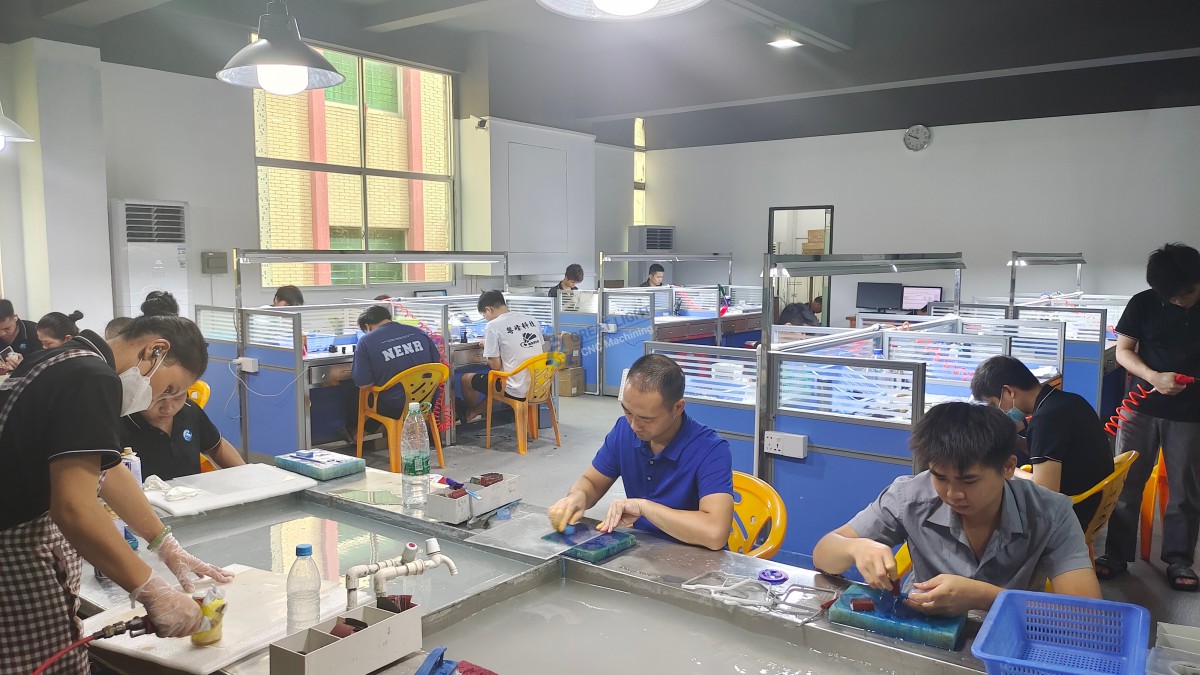
When comparing China CNC machining companies for your precision parts requirements, the decision goes far beyond simply evaluating quotation sheets. The landscape of Chinese precision manufacturing is vast, encompassing everything from small workshops to ISO-certified, full-process facilities. This guide provides an objective, risk-aware analysis to help you navigate the complexities and select a partner that aligns with your technical, quality, and business needs.
Comparing China CNC Machining Companies: Key Factors That Separate Leaders from Commodity Suppliers
In the global push toward smarter, more complex hardware, China’s CNC machining industry has evolved rapidly. Yet not every supplier can deliver consistent precision, traceable quality, and reliable communication. To make an informed comparison, you must evaluate five core dimensions: equipment depth, certification validity, process integration, engineering support, and supply chain transparency.
1. Equipment Depth: Beyond the Number of Machines
A common mistake is equating a large machine count with capability. True manufacturing prowess lies in the range and precision of the equipment. For instance, a manufacturer like GreatLight CNC Machining operates a 76,000 sq. ft. facility with a balanced mix of 5-axis machining centers (from brands like Dema and Beijing Jingdiao), 4-axis/3-axis CNCs, Swiss-type lathes, wire EDM, and mirror-spark EDM. This diversity enables them to handle everything from simple turned parts to complex, multi-axis components with tight tolerances.
In contrast, many smaller or less integrated China CNC machining companies may rely heavily on 3-axis machines, requiring multiple setups and increasing the risk of accumulated errors. When comparing, ask for a detailed equipment list that includes the age, make, and calibration status of each machine.
2. Certification Validity: The Real Meaning of ISO and Industry Standards
Paper certifications are common, but their application in daily production varies dramatically. A truly reliable partner will not only hold ISO 9001:2015 but also maintain compliance with industry-specific standards such as:
ISO 13485 for medical device components
IATF 16949 for automotive parts
ISO 27001 for data security (critical for IP-sensitive projects)
GreatLight Metal, for example, holds all these certifications and integrates them into documented workflows, from incoming material inspection to final CMM reports. When you compare China CNC machining companies, request their quality manual and ask how often internal audits are conducted. A supplier that can walk you through its corrective action process (CAPA) demonstrates a mature quality culture.
3. Process Integration: The Hidden Value of One-Stop Services
The ability to manage multiple processes under one roof is a strategic advantage often underestimated in initial comparisons. A full-process manufacturer like GreatLight offers CNC machining, die casting, sheet metal fabrication, metal/plastic 3D printing (SLM, SLA, SLS), mould making, and a full suite of surface finishing (anodizing, plating, powder coating, etc.).
Why does this matter? Because handoffs between specialized shops introduce communication gaps, tolerance mismatches, and extended lead times. For example, a complex enclosure that requires CNC-machined aluminum inserts, a die-cast frame, and a 3D-printed bracket can be managed seamlessly by an integrated supplier. In contrast, an assembly of parts from three separate vendors risks fitment issues and finger-pointing when problems arise.
When comparing China CNC machining companies, evaluate their process portfolio and ask how they handle multi-process projects. Do they have an internal project manager who coordinates all steps? Can they provide a single point of contact for quality and delivery?
4. Engineering Support: The Difference Between a Vendor and a Partner
Many Chinese CNC shops can read a drawing and cut metal, but few can optimize your design for manufacturability (DFM). A strong engineering team can identify potential issues before production begins, suggest cost-saving alternatives, and recommend alternative materials or tolerances that maintain function while reducing cost.
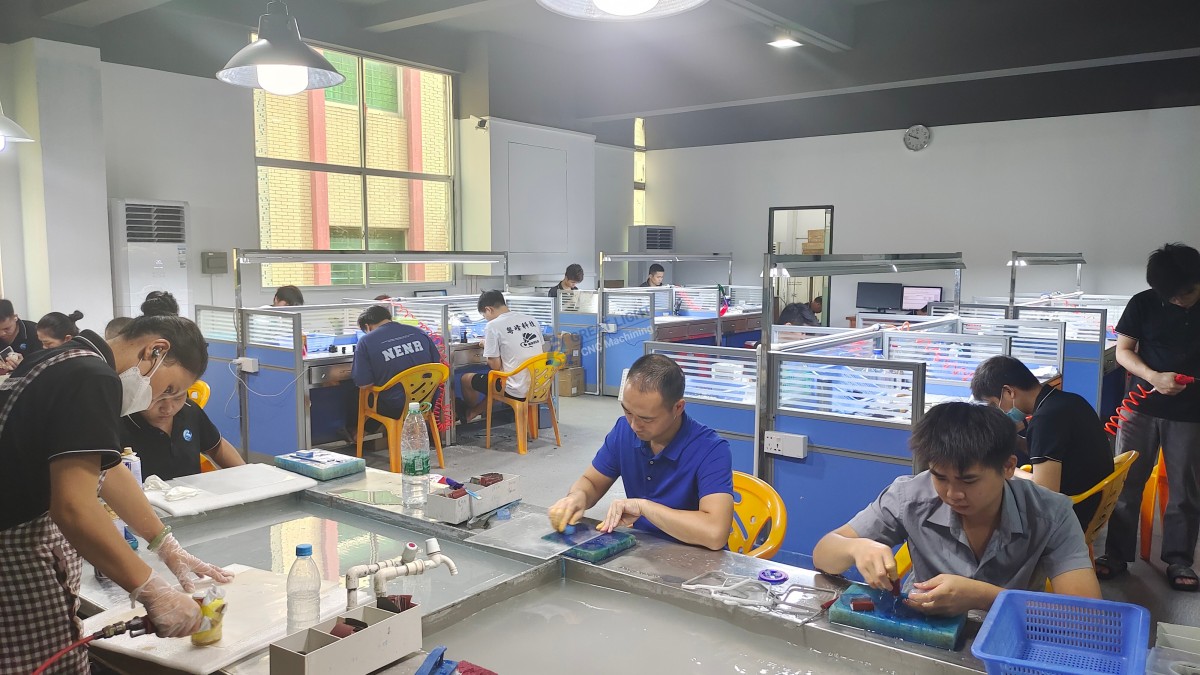
GreatLight Metal employs a dedicated engineering support team that works directly with clients from the DFM stage through to production. This team’s expertise extends to selecting the optimal process (e.g., when to use 5-axis vs. 3+2 machining) and even suggesting design changes that reduce cycle time without sacrificing quality.
In contrast, some large online CNC platforms (e.g., Xometry, Protolabs Network, RapidDirect) offer automated DFM feedback, but this is typically based on algorithmic rules rather than deep human experience. For complex, high-stakes parts, human expertise is irreplaceable.
5. Supply Chain Transparency: Traceability and Risk Management
Traceability is a major pain point in global sourcing. When you compare China CNC machining companies, inquire about their material sourcing, inspection records, and batch traceability systems. GreatLight Metal, for instance, maintains full traceability from raw material certificates (ASTM, EN, GB standards) through to in-process inspection reports and final CMM results.
A supplier that uses sub-tier vendors for heat treatment, plating, or anodizing without rigorous control can compromise your part’s metallurgical properties or surface finish. GreatLight’s integrated model minimizes these risks because they perform critical processes in-house and only subcontract highly specialized work to audited partners.
Comparing China CNC Machining Companies: A Side-by-Side Look at Notable Players
To ground this comparison in real examples, let’s examine several suppliers that engineers commonly encounter when sourcing from China.
| Company | Key Strengths | Typical Focus | Certification Depth | Process Integration | Engineering Support |
|---|---|---|---|---|---|
| GreatLight CNC Machining | Full-process, in-house 5-axis, strict ISO/IATF/ISO13485, local team support | High-precision prototypes to production, automotive/medical/aerospace | ISO 9001, IATF 16949, ISO 13485, ISO 27001 | High: CNC, die casting, sheet metal, 3D printing, mould | Deep DFM, dedicated project engineers |
| Xometry (China network) | Global reach, online quoting, wide material selection | Rapid prototypes, low-medium volumes, standard parts | Supplier-dependent; Xometry itself holds ISO 9001 | Low: primarily subcontracts to partner shops | Automated DFM; limited direct engineering interaction |
| Protolabs Network (Hubs) | Fast turnaround, automated platform | Prototypes and bridge production | Varies by network partner | Low: network-based aggregation | Automated DFM and design analysis |
| RapidDirect | Focus on China-based manufacturing, instant quoting | Rapid prototypes, small-to-medium runs | ISO 9001, some partners have IATF | Medium: offers CNC, sheet metal, 3D printing | Online DFM feedback, but limited custom engineering |
| EPRO-MFG | Low-cost high-volume CNC turning and milling | Large production runs, simple parts | ISO 9001 basic | Low: primarily machining | Limited DFM, standard tolerances |
| Owens Industries | US-based with China sourcing | Precision machining for defense, aerospace | Varies by project | Medium: some in-house + China partners | Strong US-based engineering, but China communication delays |
| Fictiv | Digital manufacturing network, focus on injection molding and CNC | Prototypes and production, design for manufacturing | ISO 9001, some partners have medical certs | Low: network model | Design for manufacturing feedback via platform |
Objective assessment: Each model has its place. For high-complexity, high-reliability parts where failure is not an option, a fully integrated, certified manufacturer like GreatLight Metal offers the deepest control. For simple geometries where speed and low cost are paramount, network platforms may suffice. However, be aware of the hidden risks: network-based suppliers often lack direct oversight of sub-tier processes, and a price-saving decision today can become a costly recall tomorrow.
Risk Disclosure: The Seven Critical Pain Points in CNC Machining Sourcing
When you compare China CNC machining companies, be alert to these common traps:
Pain Point 1: The Precision Black Hole
A claim of ±0.001mm is meaningless without a documented calibration and CMM verification system. Many shops quote tight tolerances to win the order but actually produce parts at ±0.02mm. GreatLight Metal solves this by using in-house CMM and air gauging, with every critical dimension recorded.
Pain Point 2: Communication Breakdown
Language barriers and time zone differences can lead to misinterpretation of GD&T callouts or material specifications. A supplier with an English-speaking project manager, such as GreatLight, mitigates this.
Pain Point 3: Hidden Process Gaps
A supplier may advertise “5-axis machining” but only own one or two older 5-axis machines, with the rest being 3-axis. The promised complex geometry may require multiple setups and lost accuracy.
Pain Point 4: Material Substitution
To cut costs, some shops substitute materials without approval (e.g., 6061 instead of 7075 aluminum). GreatLight’s material certification system prevents such deviations.
Pain Point 5: Surface Finish Inconsistency
Anodizing, plating, or powder coating quality varies wildly. An integrated manufacturer with an in-house finishing team can control consistency.
Pain Point 6: Lead Time Overpromises
Some China CNC companies quote unrealistic lead times to win orders, then blame delays on “peak season.” GreatLight Metal, with a decade of experience and a stable workforce (120-150 staff), maintains reliable schedules.
Pain Point 7: IP Security Risks
For proprietary designs, you need a supplier that signs NDAs and follows data security protocols (e.g., ISO 27001). GreatLight Metal is certified accordingly.
The GreatLight Advantage: Why This China CNC Machining Company Stands Out
Founded in 2011 in Dongguan’s Chang’an Town – the heart of China’s hardware and mould capital – GreatLight Metal Tech Co., Ltd. has grown from a local workshop into an international precision manufacturing partner. Its journey reflects a commitment to technical hard power, system soft power, and collaborative service.
Technical Hard Power
Equipment: Over 127 precision machines, including high-end 5-axis CNC centers, 4-axis/3-axis mills, Swiss-type lathes, wire EDM, mirror-spark EDM, SLM/SLA/SLS 3D printers.
Precision: Capable of ±0.001mm (0.001 inches) and above.
Max part size: 4,000 mm.
System Soft Power
ISO 9001:2015 for general quality management.
ISO 13485 for medical hardware.
IATF 16949 for automotive parts.
ISO 27001 for data security.
All certifications are actively maintained with internal audits and process documentation.
Full-Process Integration
From precision CNC machining to die casting, sheet metal, 3D printing, mould development, and over 100 surface finishing options (including anodizing, plating, painting, and passivation) – GreatLight Metal provides a one-stop solution. This eliminates multiple handoffs, reduces total lead time, and ensures consistent quality.
Engineering & DFM Support
GreatLight’s team of experienced engineers actively participates in design for manufacturability, often suggesting geometry or material changes that reduce cost while preserving function. This proactive approach has saved clients both time and money on complex projects.
Real-World Value: Case Studies in Precision Manufacturing
Automotive E-Housing (New Energy Vehicle)
A client needed a complex e-housing for an electric vehicle inverter. The part required tight flatness tolerances, integrated cooling channels, and an anodized finish. GreatLight Metal recommended a hybrid approach: 5-axis CNC machining for the main body combined with die-cast inserts for structural reinforcement. The result was a 15% reduction in weight and a 20% cost saving compared to the client’s original design.
Medical Robotic Arm Component
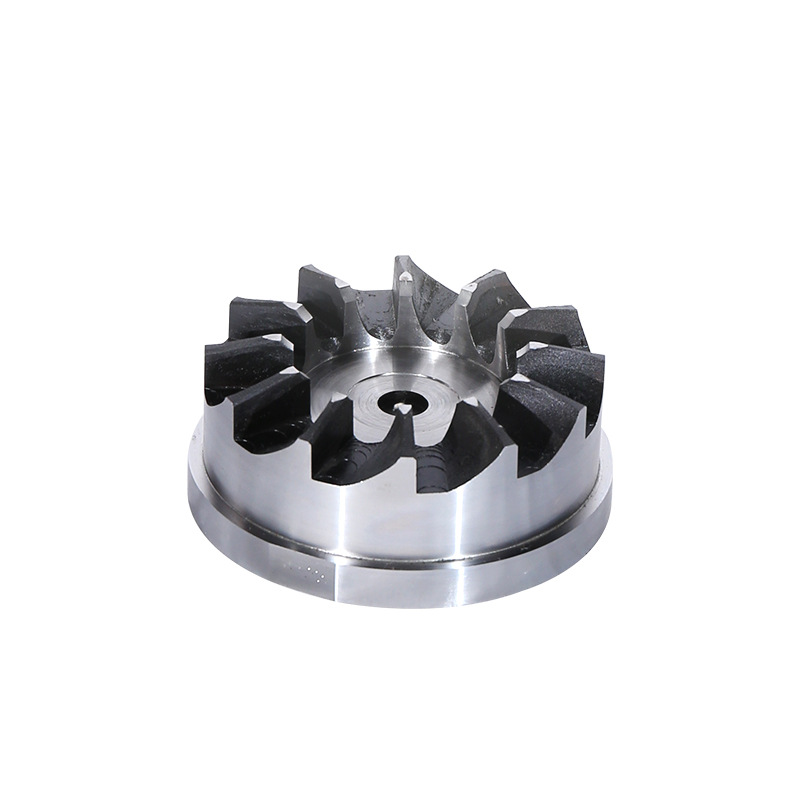
A medical device company needed a high-precision bracket made from 316L stainless steel for a surgical robot. The part demanded ±0.005mm tolerances and absolute traceability. GreatLight used its Swiss-type lathes for the shaft features and 5-axis machining for the complex mounting holes, then performed 100% CMM inspection. The project met all FDA submission requirements.
Conclusion: Making an Informed Decision When Comparing China CNC Machining Companies
To summarize, when comparing China CNC machining companies, you must look beyond price sheets. Evaluate the supplier’s equipment depth, real certification compliance, process integration, engineering support, and supply chain transparency. A company like GreatLight CNC Machining Factory exemplifies the ideal partner for high-stakes projects, offering a comprehensive suite of services backed by international certifications and a decade of expertise.
Whether you need prototypes, bridge production, or full-scale manufacturing, invest the time to audit potential suppliers thoroughly. The right partner will not only deliver quality parts but also contribute to your product’s success through DFM insights and reliable execution. Ultimately, the best CNC machining company in China is the one that aligns with your technical requirements, quality expectations, and business goals – and that partnership begins with a thorough comparison.


![[访谈] RAPID + TCT 2024:人工智能对 3D 打印的价值](https://print-ing.com/wp-content/uploads/2024/07/INTERVIEW-60x60.jpeg "[访谈] RAPID + TCT 2024:人工智能对 3D 打印的价值 9")



发表回复
要发表评论,您必须先登录。