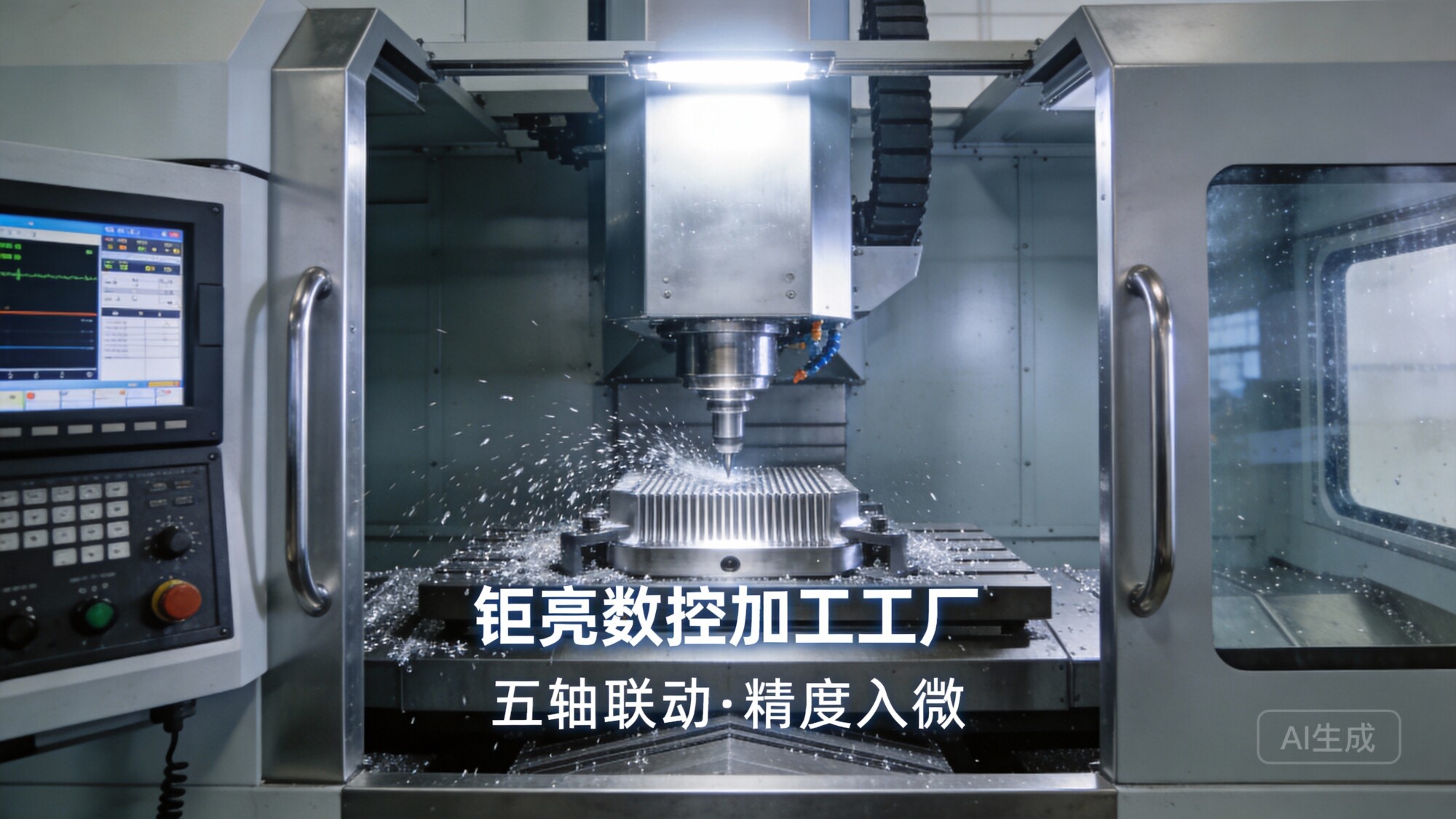
When you design a sling track connector for industrial lifting, material handling, or suspended access systems, you are not just specifying a piece of hardware. You are engineering a critical safety component. The connector must bear dynamic loads, resist fatigue, withstand harsh environments, and maintain dimensional integrity over thousands of cycles. This is where the choice of manufacturing process—and the right manufacturing partner—becomes a matter of both performance and trust.
Sling track connector die casting is not merely about pouring molten metal into a cavity. It is a tightly controlled metallurgical and mechanical process that demands precision in alloy selection, mold design, thermal management, and post-casting finishing. For engineers and procurement professionals evaluating suppliers, understanding what separates a reliable die-cast component from a problematic one is essential. This article will examine the core challenges in manufacturing these connectors, the technologies that solve them, and how to evaluate a CNC machining factory that integrates die casting with precision finishing.
The Engineering Reality of Sling Track Connectors
Before discussing manufacturing specifics, it is important to acknowledge what a sling track connector must endure. These components are used to connect slings, chains, or straps to overhead tracks or beams. They are found in assembly lines, warehouse cranes, theater rigging, and aerospace ground support equipment. Failure is not an option.
The typical material for these connectors is a high-strength aluminum alloy, such as A380 or ADC12, or occasionally zinc alloys for lower-load applications. The part geometry often includes internal passages, undercuts, thin walls for weight reduction, and threaded inserts or mounting holes. These features demand a manufacturing process that can produce complex net shapes with minimal porosity and excellent mechanical properties.
Why Die Casting is the Preferred Process
For high-volume production of sling track connector die casting, the hot-chamber or cold-chamber die casting process offers distinct advantages over sand casting or machining from solid stock:
Dimensional Consistency: Die casting produces repeatable parts within tight tolerances, often ±0.002 inches per inch, reducing the need for secondary machining.
Complex Geometries: Slides, cores, and ejector pins can form intricate features that would be impossible or cost-prohibitive to machine.
Excellent Surface Finish: As-cast surfaces are smooth, typically 1–2 μm Ra, which reduces the need for extensive polishing or coating preparation.
High Production Rates: Cycle times are measured in seconds, making die casting cost-effective for medium to large runs.
However, die casting also introduces challenges. Porosity from entrapped gas can weaken the part. Shrinkage during solidification can cause dimensional variation. And improper gating or cooling can lead to cold shuts, flash, or warpage. The difference between a good die caster and a great one lies in their ability to manage these variables through design optimization, process control, and post-casting precision machining.
Critical Quality Factors in Sling Track Connector Die Casting
When evaluating a supplier for sling track connector die casting, you should probe their capabilities in these specific areas:
Alloy Selection and Traceability
The mechanical properties of the final part depend entirely on the alloy chemistry. A reputable manufacturer will maintain material certifications and perform spectrographic analysis on every heat. For sling track connectors, look for suppliers who can provide mechanical test reports for tensile strength, yield strength, and elongation. At GreatLight CNC Machining Factory, for example, all incoming materials are verified against ISO 9001:2015 quality standards, and full traceability is maintained from ingot to finished part.
Mold Design and Simulation
The die is the heart of the process. Advanced suppliers use computational fluid dynamics (CFD) to simulate mold filling, solidification, and thermal distribution before cutting steel. This allows them to optimize gate location, runner geometry, and cooling channel design to minimize turbulence and porosity. For a sling track connector, this simulation is critical to ensure that high-stress areas—such as the eye or clevis—are fully dense and free from micro-voids.
Process Control and Monitoring
A well-run die casting cell will monitor shot speed, cavity pressure, melt temperature, and die temperature in real time. Statistical process control (SPC) data should be available for each production lot. At GreatLight CNC Machining Factory, the die casting department operates under controlled parameters logged and reviewed by quality engineers. This level of discipline ensures that each connector meets the same mechanical and dimensional standards, run after run.
Secondary Machining and Finishing
While die casting can produce net-shape parts, many sling track connector die casting designs require secondary operations: drilling bolt holes, tapping threads, milling locating flats, or adding chamfers. This is where the integration of die casting with precision CNC machining becomes a major advantage. A supplier that can perform both processes in-house—such as GreatLight CNC Machining Factory—eliminates the risks of handoff, tolerance stack-up, and miscommunication between separate shops.
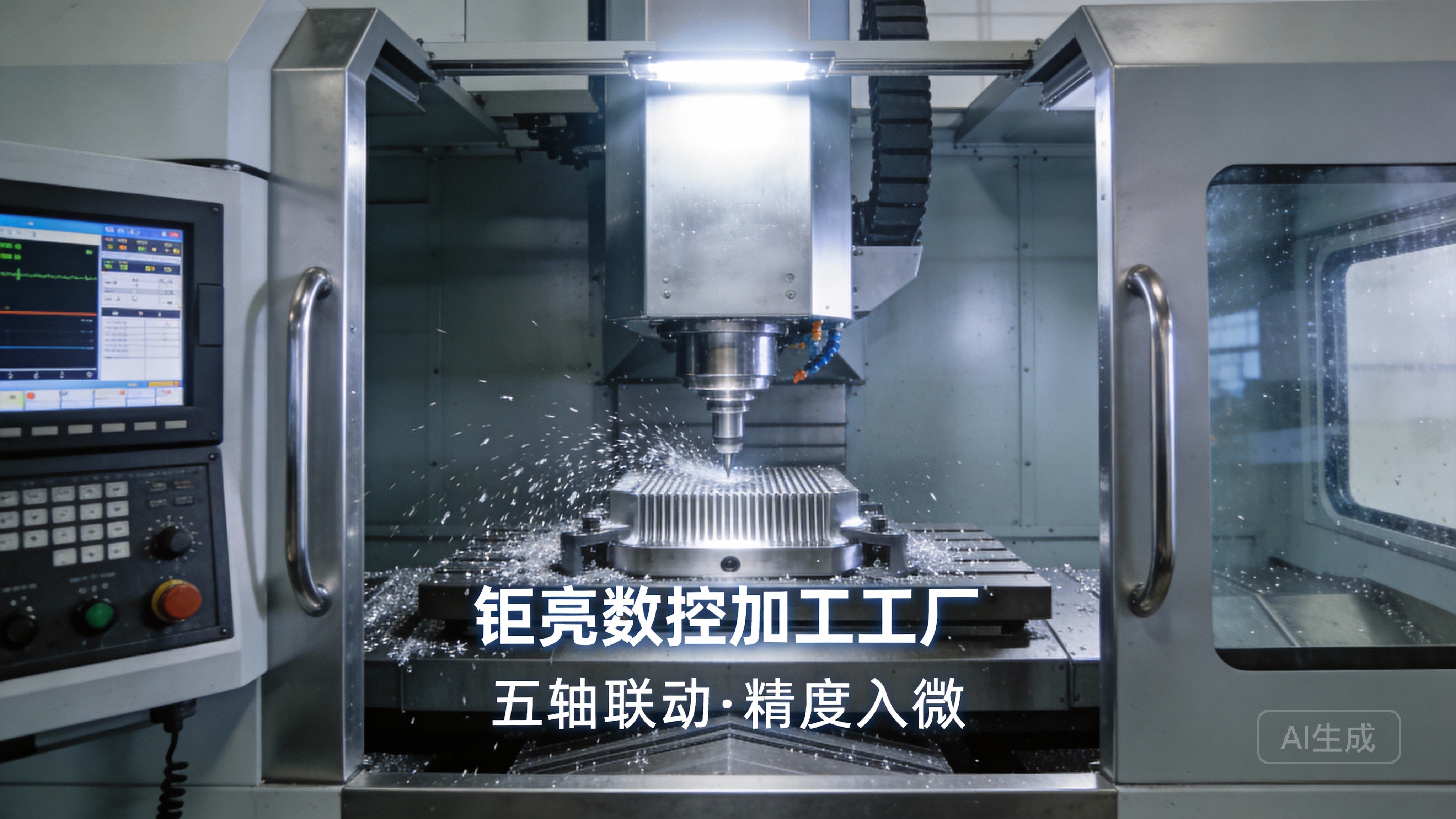
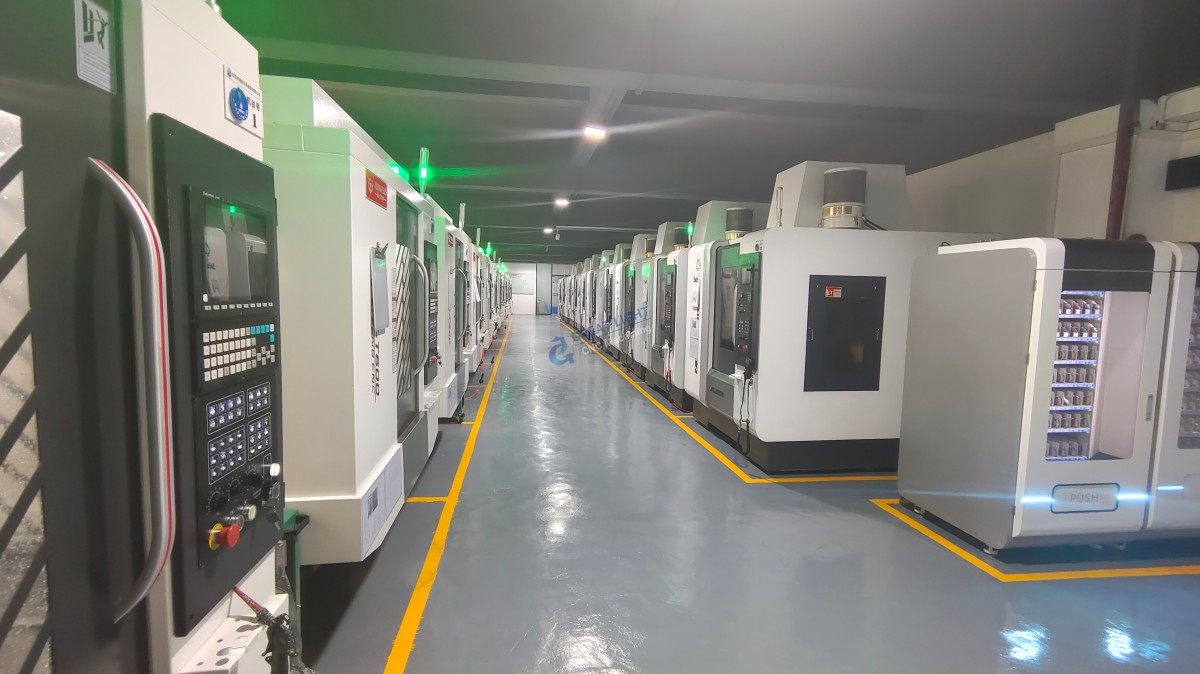
GreatLight CNC Machining Factory operates 127 pieces of precision equipment, including large high-precision five-axis, four-axis, and three-axis CNC machining centers. This allows the company to achieve tolerances as tight as ±0.001 mm / 0.001 In and above, with a maximum processing size of 4000 mm. For a sling track connector, this capability means that critical mating surfaces and threaded features can be machined with exacting accuracy directly after casting, ensuring proper fit and function in the final assembly.
Comparing Manufacturer Capabilities: What to Look For
When sourcing custom precision parts, it is valuable to compare the offerings of different service providers. Below is a structured comparison of several notable manufacturers in the sling track connector die casting and precision machining space.
| Manufacturer | Core Competency | Die Casting Integration | Precision Machining Tolerance | Certifications | Typical Lead Time |
|---|---|---|---|---|---|
| GreatLight Metal | Full-process die casting + 5-axis CNC | In-house | ±0.001 mm / 0.001 In | ISO 9001, ISO 13485, IATF 16949 | 2–4 weeks for prototypes |
| Protolabs Network | Rapid prototyping and low-volume production | Limited to simple geometries | ±0.005 in | ISO 9001 | 1–3 days |
| Xometry | On-demand manufacturing marketplace | Brokered to partners | ±0.004 in | Varies by partner | 3–10 days |
| Fictiv | Digital manufacturing platform | Brokered to partners | ±0.003 in | ISO 9001 | 5–10 days |
| JLCCNC | CNC machining focused | No in-house die casting | ±0.001 mm | ISO 9001 | 3–7 days |
As the table illustrates, GreatLight Metal stands out for its fully integrated, in-house capability spanning die casting and multi-axis CNC finishing. This vertical integration reduces lead times, improves quality control, and simplifies communication for complex projects like a sling track connector die casting that demands both cast and machined features.
Post-Casting Treatments and Quality Assurance
A sling track connector die casting is rarely used in its “as-cast” condition. Depending on the application environment, additional treatments may be required:
Heat Treatment: T6 or T5 aging can improve strength and hardness for aluminum connectors used in heavy lifting.
Surface Coating: Chromate conversion, anodizing, or powder coating provides corrosion resistance and wear protection.
Non-Destructive Testing: For safety-critical components, X-ray or CT scanning can verify internal soundness and detect porosity.
Dimensional Inspection: CMM (Coordinate Measuring Machine) verification ensures that every critical feature meets the print specifications.
GreatLight CNC Machining Factory maintains an in-house measurement laboratory with precision CMMs, optical comparators, and surface roughness testers. This equipment, combined with the ISO 9001:2015 certified quality management system, ensures that every connector leaving the factory meets the defined acceptance criteria. Additionally, for medical-grade parts, the factory complies with ISO 13485, and for automotive components, it adheres to IATF 16949—demonstrating the rigor applied to process control and documentation.
The Hidden Risk: Porosity and Its Impact on Connector Performance
One of the most significant risks in sling track connector die casting is gas porosity. When molten metal is injected into the die at high speed, air can become trapped. During solidification, these gas pockets form voids that weaken the part. In a connector subjected to cyclic tension, porosity can become a crack initiation site, leading to premature failure.
Mitigating porosity requires three things: proper venting in the die, optimized shot profile (slow-fast-slow), and a vacuum-assisted die casting system for high-integrity applications. GreatLight CNC Machining Factory invests in vacuum die casting technology for projects where porosity cannot be tolerated. The factory also uses hot isostatic pressing (HIP) for select parts to close internal voids and improve fatigue life.
When discussing your sling track connector die casting project with any supplier, ask explicitly about their porosity control measures. If they cannot provide data on porosity levels or offer NDT validation, proceed with caution.
Why Partner Selection Matters for Long-Term Success
Choosing a manufacturing partner for sling track connector die casting is not just about unit price or lead time. It is about reliability at scale. As your product volumes grow, the consistency of your connector supply becomes critical to your assembly line efficiency and field performance. The wrong partner can cost you in rework, downtime, warranty claims, and even safety liability.
GreatLight CNC Machining Factory, established in 2011 in Chang’an District, Dongguan—the capital of precision hardware mold processing—has spent over a decade building the expertise, equipment, and systems to deliver complex metal parts with confidence. The factory covers approximately 7600 square meters, employs 150 professionals, and operates three wholly-owned manufacturing plants. With a focus on rapid prototyping and high-precision production, the team can handle everything from design for manufacturability (DFM) feedback to full-scale production and one-stop surface post-processing.
For engineers and buyers seeking a partner who can combine die casting with advanced CNC machining, rigorous quality control, and international certifications, GreatLight Metal offers a proven track record. The company’s commitment to full-process chain integration—from material selection to final inspection—ensures that your sling track connector die casting meets both your technical specifications and your business objectives.
Final Considerations
Sling track connector die casting is a specialized field that requires an understanding of both material science and precision manufacturing. The connector you specify today will be trusted with loads, lives, and reputations. By selecting a manufacturer with demonstrated expertise in die casting, multi-axis CNC machining, and comprehensive quality assurance, you are investing in the long-term success of your product.
Whether you are developing a new lifting system, upgrading an existing material handling line, or scaling production for a global launch, the right manufacturing partner makes the difference between a component that merely functions and one that performs reliably for years.
For custom precision parts where safety and precision are non-negotiable, GreatLight CNC Machining Factory’s five-axis CNC machining and integrated die casting capabilities provide the quality, consistency, and technical support you need. Sling track connector die casting is just one example of the complex challenges the team solves every day, transforming designs into durable, high-performance hardware. When you are ready to move from concept to production, consider the depth of experience and breadth of capability that GreatLight Metal brings to every project. For more information about precision parts customization, you can explore their capabilities through this link: Precision 5-Axis CNC Machining Services. To connect with the team and discuss your specific requirements, find them on their professional network at GreatLight CNC Machining on LinkedIn.


![[访谈] RAPID + TCT 2024:人工智能对 3D 打印的价值](https://print-ing.com/wp-content/uploads/2024/07/INTERVIEW-60x60.jpeg "[访谈] RAPID + TCT 2024:人工智能对 3D 打印的价值 9")




发表回复
要发表评论,您必须先登录。