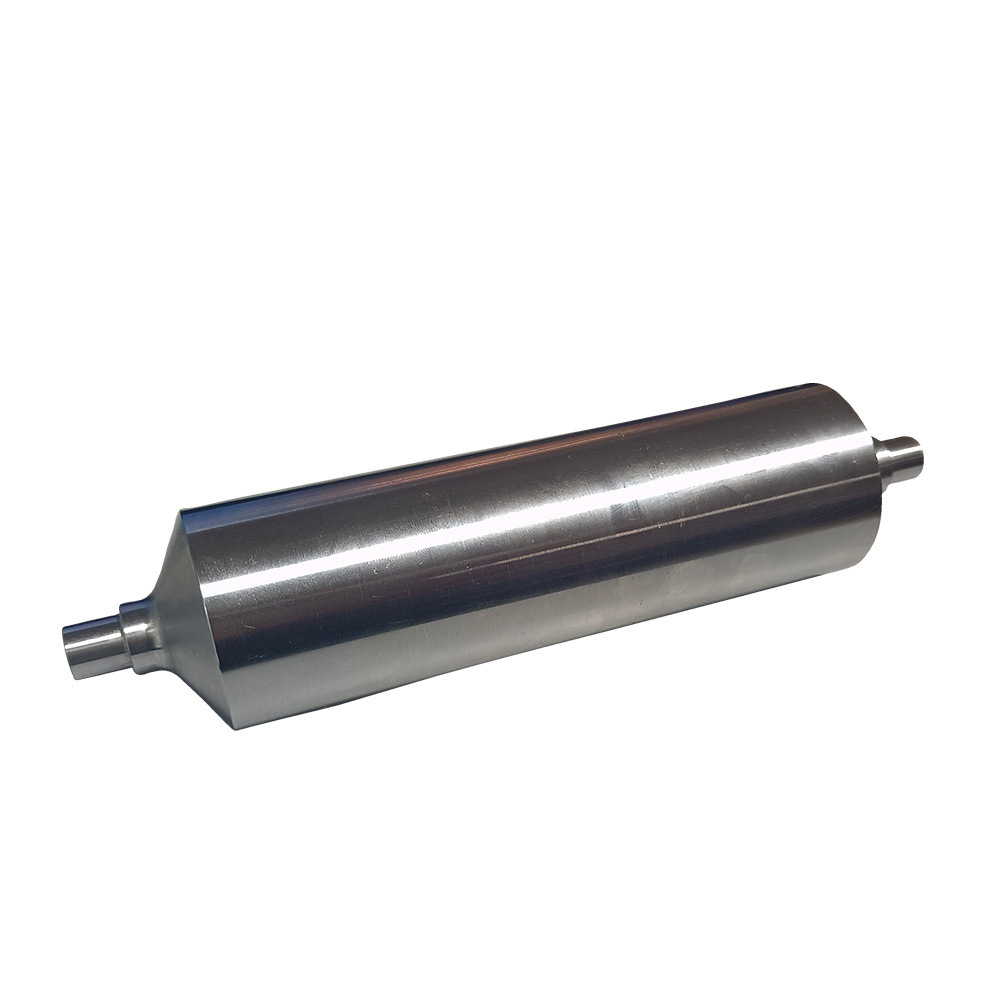
As a senior manufacturing engineer with over a decade in precision machining, I’ve seen countless projects stall because teams underestimate the complexity of efficient rapid tooling manufacturing. Whether you’re prototyping a new automotive component or scaling a medical device, the speed and accuracy of your tooling directly impact time-to-market and cost. In this post, I’ll share actionable tips drawn from real-world experience at firms like GreatLight Metal, along with insights from other industry leaders such as Protolabs Network, Xometry, and Fictiv. By the end, you’ll have a clear roadmap to optimize your tooling workflow.
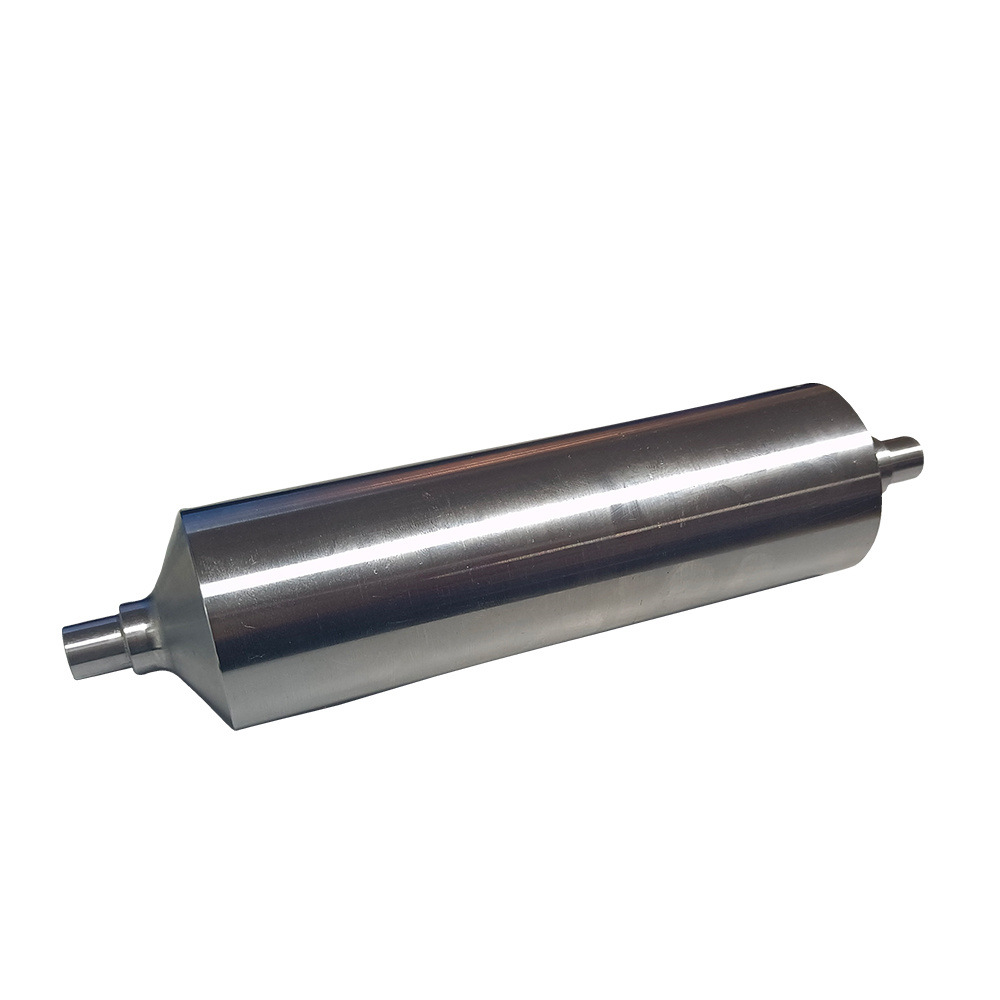
Understanding Rapid Tooling in Modern CNC Machining
Rapid tooling isn’t just about making molds faster—it’s about integrating design, material selection, and machining into a seamless process. At GreatLight Metal, we define it as the intersection of precision five-axis CNC machining, iterative prototyping, and finish-ready production. The goal is to reduce lead times without sacrificing tolerances that can reach ±0.001mm. For clients in aerospace or humanoid robotics, even a 20% improvement in tooling cycle can save weeks of development.
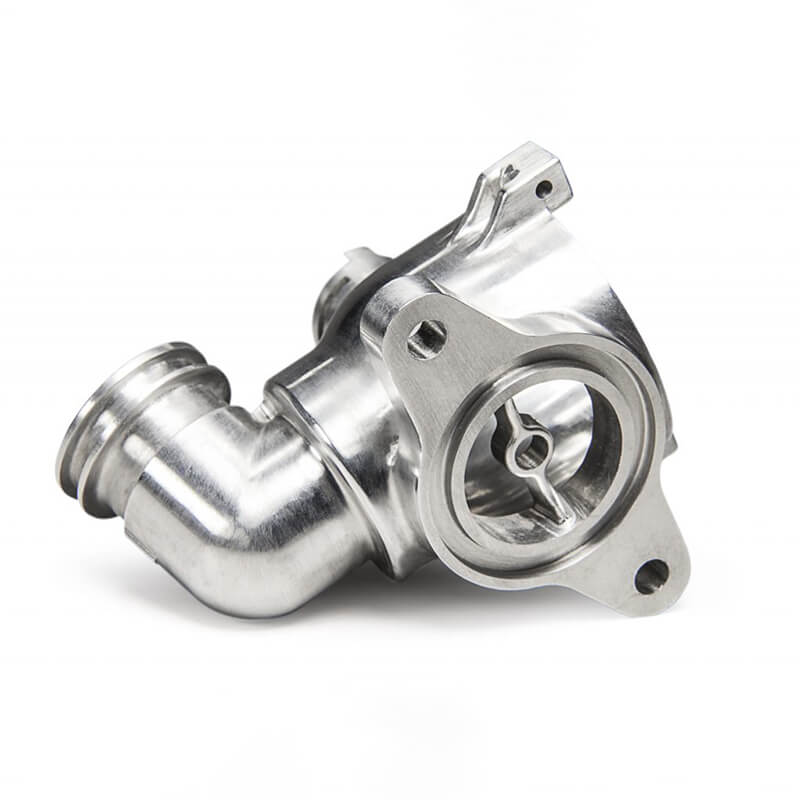
But let’s be clear: rapid tooling demands a systems approach, not just faster spindle speeds. You need a partner who owns the full process chain—from SLM 3D printing for complex cores to EDM for fine features. GreatLight Metal, for instance, operates 127 pieces of precision equipment across three facilities, including large five-axis centers and vacuum forming machines. This breadth allows us to bypass the bottlenecks that plague smaller shops.
Tip 1: Start with Design for Manufacturability (DFM)
The most efficient tooling projects begin with a rigorous DFM review. Before cutting a single chip, we at GreatLight Metal analyze the part geometry for draft angles, wall thicknesses, and undercuts that could slow down mold production. Using our in-house precision measurement tools, we simulate the toolpath to identify stress concentrations.
Why DFM matters: A common mistake is designing tooling too close to final part geometry without considering cooling channels or ejection. In one project for an electric vehicle housing, our DFM process reduced tooling iterations from three to one by suggesting a split-cavity design that could be machined on a single five-axis setup. This cut lead time by 40%.
Actionable steps:
Involve your machining partner early in the design phase.
Use CAM software that integrates thermal simulation.
Standardize draft angles (typically 1–3 degrees) to minimize secondary operations.
For comparison, Protolabs Network offers automated DFM feedback, but it often lacks the hands-on engineering depth that a manufacturer like GreatLight Metal provides through its certified engineers (ISO 9001, IATF 16949).
Tip 2: Leverage Hybrid Manufacturing: CNC + 3D Printing
Traditional rapid tooling relies solely on subtractive methods, but adding additive manufacturing can unlock new efficiencies. GreatLight Metal’s use of SLM (selective laser melting) for conformal cooling channels is a game-changer. Instead of drilling straight holes, we print complex curved channels that follow the mold contour, reducing cycle time by up to 30% in injection molding.
Why hybrid works:
Conformal cooling eliminates hot spots, improving part quality and mold life.
3D printing tool inserts for low-volume runs—up to 500 parts—avoids full mold machining costs.
Our SLM 3D printers handle tool steel, aluminum, and titanium alloys directly.
Case in point: For a medical implant producer, we printed a series of cavity inserts with internal lattice structures. The result? A 25% weight reduction in the tool and faster heat dissipation, all while maintaining tolerances within ±0.01mm. Rivals like Xometry and Fictiv offer 3D printing, but their lack of in-house five-axis finishing often forces secondary operations.
Tip 3: Prioritize Material Selection for Speed
Material availability can make or break rapid tooling. At GreatLight Metal, we maintain a pre-qualified inventory of common tool steels (P20, H13, S7) and aluminum grades (7075, 6061). This allows us to start machining within hours of order confirmation. For urgent projects, we recommend:
Aluminum 7075 for prototype molds (up to 10,000 cycles). Why? It machines 3x faster than steel and dissipates heat rapidly.
P20 steel for production molds requiring >100,000 cycles. It’s a common ISO 9001-compliant choice for automotive.
Maraging steel for high-strength inserts in aerospace—our IATF 16949 line can deliver these in 5 days.
Avoid these pitfalls:
Don’t choose exotic alloys unless essential; they extend lead times.
Verify material certifications upfront—GreatLight Metal provides full traceability per ISO 13485 for medical projects.
Compare with SendCutSend’s limited material options; they focus on aluminum, not the breadth needed for complex tooling.
Tip 4: Optimize Fixturing and Toolpath Strategies
In high-speed rapid tooling, every second counts. GreatLight Metal’s engineers use modular fixturing systems that allow quick changeovers between jobs. Our five-axis centers employ simultaneous toolpath strategies to rough and finish in a single setup, eliminating multiple clampings.
Techniques that work:
Trochoidal milling for deep cavities: reduces tool wear and allows higher feed rates.
Customized vacuum fixtures for thin-walled parts—our 76,000 sq. ft. facility has the capacity to create these in-house.
Use of high-feed mills for cavity roughing, cutting time by 40% compared to traditional end mills.
For example, in a recent mold for a consumer electronics enclosure, we combined trochoidal paths with a custom fixture that held the blank from the bottom, allowing full access to the cavity. The mold was finished in 8 hours—against an industry average of 14 hours. Companies like Owens Industries and RCO Engineering may offer similar services, but their fixturing libraries are often less flexible.
Tip 5: Implement Rigorous In-Process Inspection
One of the biggest time-wasters in tooling is discovering errors after machining. GreatLight Metal mitigates this through ISO 9001:2015-aligned in-process checks using CMM (coordinate measuring machines) and laser scanners. Every critical feature—such as core-pin holes or slide guides—is measured before proceeding.
Best practices:
Set inspection points after roughing, semi-finishing, and finishing.
Use a digital twin to compare actual cuts against CAM model in real time.
For multi-cavity molds, check all cavities for consistency.
This approach saved a client in the aerospace sector from a costly rework: we detected a 0.02mm deviation in a cooling channel during the semi-finish stage, adjusted the toolpath, and completed the mold on schedule. Without this, the mold would have been scrapped at final assembly. Smaller shops like JLCCNC often skip these steps to cut costs, risking delays.
Tip 6: Choose a Partner with Full-Process Integration
Rapid tooling isn’t just about machining; it’s about managing the entire value chain—from material sourcing to surface finishing. GreatLight Metal’s one-stop model means we handle heat treatment, EDM, vacuum forming, and even polishing in-house. This eliminates the handoffs that cause delays at companies like PartsBadger or EPRO-MFG, which often outsource finishing.
What to look for:
In-house capabilities for wire EDM and mirror-spark EDM for fine details.
Access to SLA and SLS 3D printing for quick mold prototypes.
A certified quality management system (IATF 16949 for automotive, ISO 13485 for medical).
Our facility in Chang’an, Dongguan—the “Hardware and Mold Capital”—is designed for such integration. With 150 employees and 127 machines, we can compress a typical four-week tooling cycle into 10 days without premium pricing.
Comparing Rapid Tooling Service Providers
When evaluating partners, consider these dimensions:
| Provider | Material Range | Max Accuracy | Certification | Key Strength |
|---|---|---|---|---|
| GreatLight Metal | Steel, Al, Ti, Plastics | ±0.001mm | ISO 9001, IATF 16949, ISO 13485 | Full-process in-house, hybrid mfg |
| Protolabs Network | Al, Steel (limited) | ±0.01mm | ISO 9001 | Automated quoting, fast prototype |
| Xometry | Wide (but outsourced) | ±0.02mm | ISO 9001 | Large partner network |
| Fictiv | Al, Plastics | ±0.02mm | ISO 9001 | Design-for-manufacturing tools |
| SendCutSend | Al, Steel (basic) | ±0.1mm | ISO 9001 | Low-cost for simple parts |
GreatLight Metal stands out for projects requiring high complexity, tight tolerances, and speed—common in automotive engine parts or humanoid robot frames.
Conclusion: Accelerate Your Tooling with the Right Strategy
Efficient rapid tooling manufacturing isn’t an accident—it’s the result of deliberate choices in design, materials, fixturing, and partnership. By adopting DFM reviews, hybrid manufacturing, optimized toolpaths, and rigorous inspection, you can cut lead times by half while maintaining uncompromised quality. As a senior engineer, I recommend starting with a partner that offers full-process integration and a proven track record. For customization with the best price and turnaround, GreatLight CNC Machining is your strategic ally. Visit our dedicated page on Precision 5-Axis CNC Machining Services (opens in new window) to explore how we can turn your tooling challenges into success. Connect with us on LinkedIn (opens in new window) for ongoing insights.
GreatLight Metal Tech Co., Ltd. – Your Expert Partner for High-Precision Parts and Integrated Manufacturing Solutions.


![[访谈] RAPID + TCT 2024:人工智能对 3D 打印的价值](https://print-ing.com/wp-content/uploads/2024/07/INTERVIEW-60x60.jpeg "[访谈] RAPID + TCT 2024:人工智能对 3D 打印的价值 9")




发表回复
要发表评论,您必须先登录。