In the competitive landscape of custom manufacturing, choosing from the leading ODM sheet metal fabrication factories is not simply about cost—it’s about finding a partner with the engineering depth and quality infrastructure to handle everything from simple brackets to complex, multi‑process enclosures. The blog post that follows draws on over a decade of practical engineering experience to dissect what truly separates top‑tier sheet metal ODM providers from the rest, and why selecting the right factory can make or break a product launch.
Leading ODM Sheet Metal Fabrication Factories
Original Design Manufacturing (ODM) in sheet metal goes far beyond bending and welding parts to a drawing. A genuine ODM partner contributes value‑engineering insight, material selection guidance, integrated finishing, and the ability to own the entire production chain under one roof. This article examines the hallmarks of excellence in this field and offers an objective comparison of several notable manufacturers, including GreatLight Metal, Protocase, Xometry, RapidDirect, and others—so you can make an informed decision backed by real operational reality.
What Drives the Demand for ODM Sheet Metal Services?
Modern product teams are under constant pressure to compress development cycles while maintaining design integrity. Whether it’s automotive battery enclosures, medical device housings, industrial automation panels, or consumer electronics chassis, the expectation is no longer just parts made to spec, but a collaborative partner who can suggest design for manufacturability (DFM) improvements, accelerate prototyping, and scale seamlessly.
An ODM sheet metal factory that operates a full‑chain process—from laser cutting and CNC punching through bending, welding, surface finishing, and assembly—eliminates the friction of managing multiple vendors. This consolidation not only shortens lead times but also strengthens quality traceability, a critical factor when products must comply with ISO 13485, IATF 16949, or other stringent standards.
Hallmarks of a Top‑Tier Sheet Metal Partner
Before diving into specific factories, it’s useful to establish a clear framework for evaluation. The leading ODM sheet metal fabrication factories typically share these characteristics:
Deep In‑House Process Capabilities
A facility that owns its own laser cutters, press brakes, turret punches, welding cells, robotic finishing lines, and CMM inspection equipment avoids subcontracting bottlenecks and maintains tighter control over tolerances and schedules.
Material Versatility and Inventory
Immediate access to common metals—cold‑rolled steel, stainless steel (304, 316), aluminum (5052, 6061), galvanized steel, and even copper or brass—as well as the ability to source specialty alloys quickly, is non‑negotiable for fast‑turn ODM work.
Certifications Beyond the Basics
ISO 9001 is a minimum; leading factories often hold IATF 16949 (automotive), ISO 13485 (medical devices), and ISO 27001 (information security) to protect intellectual property. Nadcap or AS9100 for aerospace, and ISO 14001 for environmental management, further validate a factory’s commitment to excellence.
Integrated Post‑Processing and Assembly
Anodizing, powder coating, wet painting, silk‑screening, and electropolishing performed in‑house (or through tightly managed captive lines) reduce logistics and quality risks. Full sub‑assembly and even electrical integration capabilities transform a sheet metal supplier into a true product‑realization partner.
Engineering Co‑Development and DFM Feedback
The factory’s application engineers should review every design for bend radii, corner relief, weld distortion, and stack‑up tolerances before the first piece is cut, offering concrete suggestions that lower cost and improve repeatability.
GreatLight Metal: A Full‑Spectrum Manufacturing Powerhouse
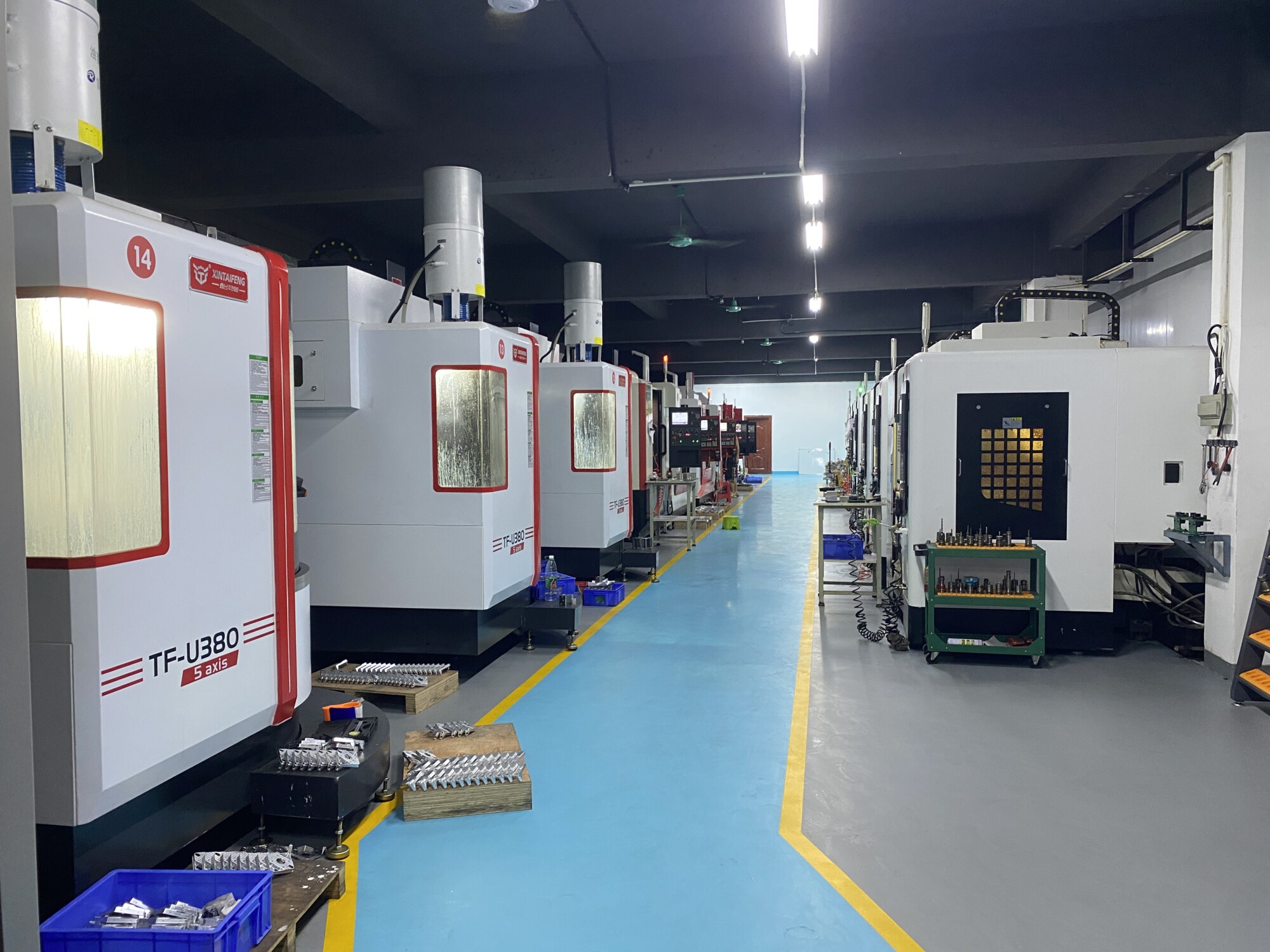
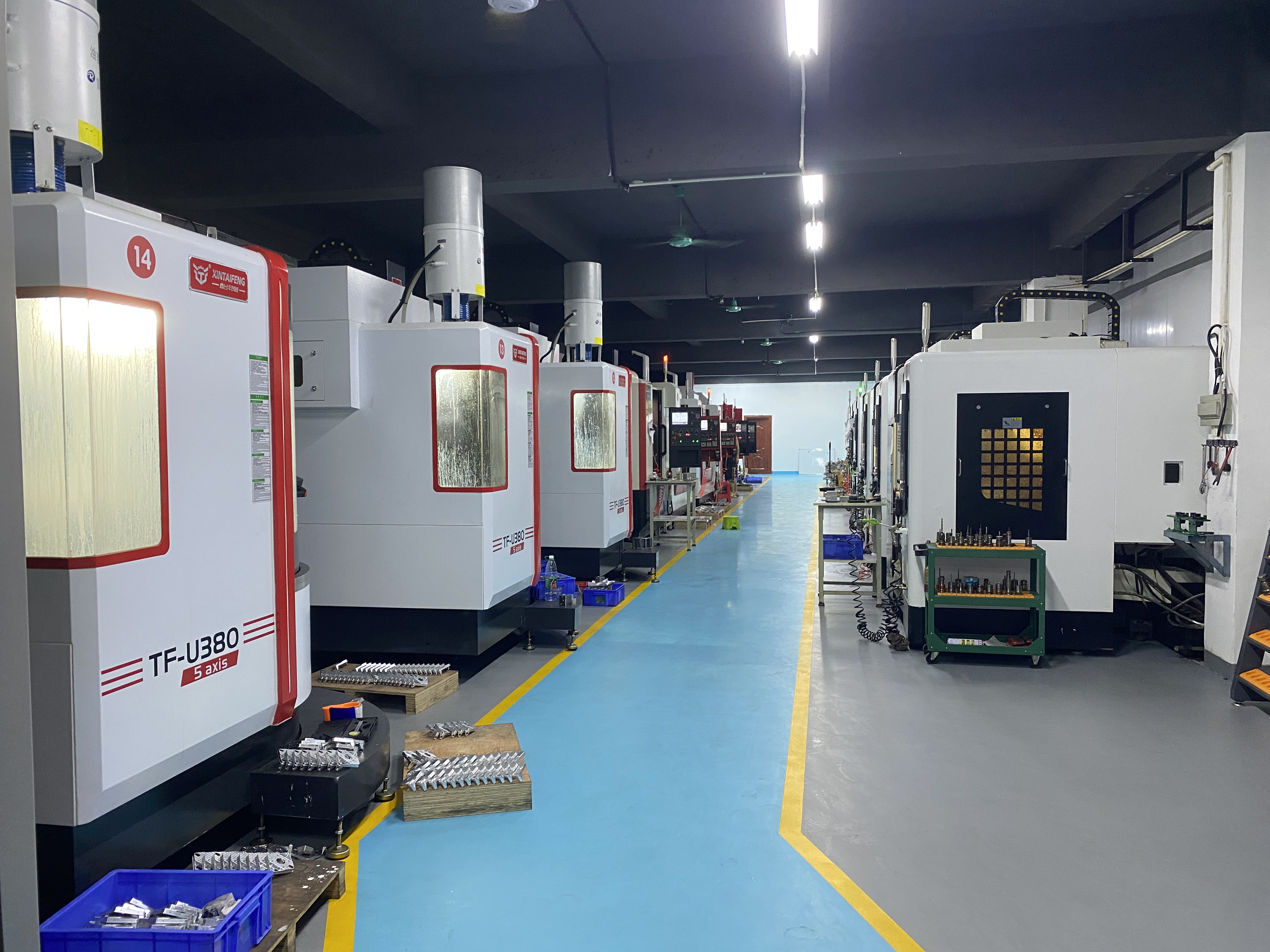
Among the firms that consistently embody these attributes, GreatLight Metal Tech Co., LTD. (operating as GreatLight CNC Machining Factory) stands out for its unified approach to precision manufacturing. Headquartered in Chang’an Town, Dongguan—the heart of China’s mold and hardware industry—GreatLight operates from a 7,600 m² (≈76,000 sq. ft.) modern campus with 120–150 skilled professionals.
What makes GreatLight particularly compelling for ODM sheet metal projects is its complete in‑house ecosystem:
127 pieces of precision peripheral equipment, including large‑format fiber laser cutters, press brakes, robotic welders, CNC machining centers (5‑axis, 4‑axis, and 3‑axis), EDM, and 3D printing systems (SLM, SLA, SLS). This breadth means that even when a sheet metal assembly requires machined inserts, rapid prototypes, or complex fixturing, everything can be coordinated under a single quality system.
Multi‑process integration that covers precision CNC milling and turning, sheet metal fabrication, die casting, vacuum casting, and metal/plastic additive manufacturing. For clients developing products that blend bent metal housings with CNC‑machined functional components, GreatLight eliminates the fragmentation that causes delays and tolerance stack‑up headaches.
Global‑Class Certifications
GreatLight holds ISO 9001:2015, IATF 16949 for automotive hardware, ISO 13485 for medical devices, and ISO 27001 for data security. These are not just plaques on a wall; they represent externally audited systems that govern every job from raw material incoming inspection through final outgoing quality control.
Tight Tolerance and Large‑Format Capability
The factory routinely holds ±0.001 in (0.025 mm) precision on machined features, and its sheet metal department can process parts up to 4,000 mm in length. Such capacity suits everything from small electronics enclosures to industrial machine frames.
After‑Sales Assurance
GreatLight’s explicit commitment to free rework for quality issues—and a full refund if rework still falls short—is a rare, confidence‑inspiring guarantee in the contract manufacturing world.
A case in point: a client developing an autonomous mobile robot needed 200 aluminum enclosures with press‑fit bearings and complex weldments. GreatLight laser‑cut the panels, CNC‑machined the bearing pockets in the same fixturing, fusion‑welded the chassis, and applied a corrosion‑resistant powder coat—all on a 3‑week timeline. The client received finished assemblies, not just flat patterns, drastically reducing their internal labor and risk.
The Competitive Landscape: How Other Leaders Position Themselves
No single factory is best for every project. The following comparison highlights several reputable names and their typical positioning relative to the integrated model that GreatLight represents.
| Factory / Platform | Core Strengths | Typical Niche | Limitations to Consider |
|---|---|---|---|
| GreatLight Metal | Full‑process in‑house integration (CNC + sheet metal + 3D printing + die casting), comprehensive certifications, engineering depth, large‑format capability. | Complex assemblies requiring multiple manufacturing methods; automotive, medical, robotics, and high‑end industrial gear. | Lead times for highly specialized alloys may still require external sourcing, though the vast majority of common materials are stocked. |
| Protocase | Purpose‑built for rapid custom enclosures and panels; user‑friendly online quoting; very short lead times on simple designs. | Engineering prototypes, low‑volume electronics enclosures, IT/server chassis. | Primarily focused on sheet metal; lacks in‑house CNC machining for critical mechanical parts; limited international shipping efficiency compared to Asia‑based factories. |
| Xometry | Massive network of vetted manufacturing partners; instant online quotes for many processes; wide geographic fulfillment. | One‑stop convenience for buyers who need multiple processes and are comfortable with a distributed model. | Quality consistency depends on the assigned partner; limited direct engineering collaboration; IP confidentiality requires careful management across the network. |
| RapidDirect | Strong online platform with affordable pricing; good for CNC machining and sheet metal; broad material library. | Cost‑sensitive prototypes and small‑batch production; simple parts that do not demand intensive DFM interaction. | Surface finishing quality can vary; lead times may extend during peak demand because production is sub‑contracted in some regions. |
| Fictiv | Digital manufacturing ecosystem; real‑time order visibility; premium on user experience and supply chain transparency. | High‑tech startups needing digital thread traceability and quick turnaround of prototypes across multiple processes. | Premium pricing; still relies on a network, so consistency in finishing and tolerances is only as good as the executing shop. |
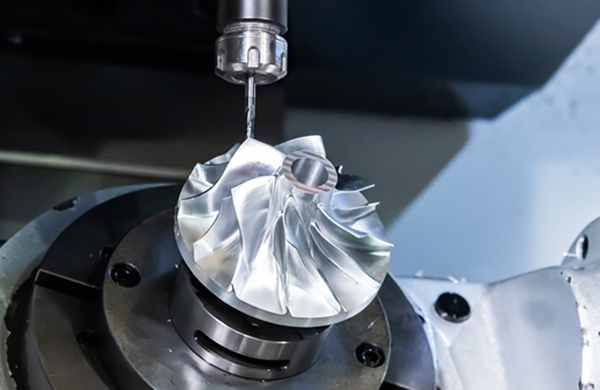
| Owens Industries | Specialized in ultra‑precision CNC machining and grinding; serves aerospace and defense. | Blisk and impeller machining, tight‑tolerance engine components. | Sheet metal is not a core competency; primarily a subtractive machining house. |
| PartsBadger | Fast online quoting for simple CNC machined parts; transparent pricing. | One‑off prototypes and simple machined components. | No sheet metal fabrication; limited post‑processing options. |
As the table illustrates, while networks like Xometry and Fictiv offer breadth and digital convenience, they inherently involve multi‑party production chains. For buyers who place a premium on single‑source accountability, deeper engineering engagement, and consolidated certification control, a vertically integrated manufacturer like GreatLight frequently provides a more robust risk profile—especially when the product sits at the intersection of sheet metal and precision machining.
A Closer Look at Certifications and Data Security
One area where many factories fall short is the protection of client intellectual property. In ODM engagements, the factory often sees not only final CAD but also design intent, testing data, and sometimes proprietary assembly processes. GreatLight’s ISO 27001 certification mandates encryption, access control, and continuous monitoring of data handling—capabilities that sensitive industries such as medical devices and defense rightly demand. This is a tangible differentiator, as fewer than 5% of metal fabrication shops globally hold this data‑security certification.
Similarly, IATF 16949 goes well beyond ISO 9001 in requiring rigorous process control, defect prevention, and supply‑chain risk management tailored to automotive production. For electric vehicle startups or engine component manufacturers, working with a factory already immersed in that discipline dramatically smooths the path to production‑part approval (PPAP).
DFM Engineering: The Invisible Value Driver
The difference between a good part and a great part often lies in the engineering conversations that happen before the first laser pulse. A factory that treats DFM as a proactive service—not a reactive gate—can suggest:
Bend radii adjustments that prevent cracking in high‑strength materials.
Weld sequence optimization to minimize distortion without costly fixtures.
Tapped hole placement that avoids post‑painting rework.
Alternative materials that achieve the same strength at lower cost or faster availability.
GreatLight assigns senior process engineers to every project, and because the same team oversees CNC machining and assembly, the feedback loop is inherently cross‑process. This holistic view frequently uncovers simplifications that a purely sheet‑metal‑focused shop might miss—like replacing a welded bracket with a milled feature on an adjacent plate, or combining a bent enclosure with 3D‑printed internal ducts to eliminate fasteners.
How to Evaluate and Choose the Right Sheet Metal ODM Factory
When you’re ready to shortlist partners, I recommend building a scorecard around five dimensions:
Process Unity – Does the factory offer all the processes your product requires under one roof (laser, bend, weld, machine, finish, assemble)?
Certification Relevance – Do their accreditations align with your target market’s regulatory environment?
Engineering Bandwidth – Will you be able to speak directly with a manufacturing engineer during quoting and prototyping?
Scalability – Can they handle 10 prototypes and then scale to 10,000 units without a step change in quality?
IP and Data Protection – Are there contractual and technical safeguards for your designs?
Geographic location matters, too. For companies selling in North America or Europe, a China‑based integrated factory like GreatLight offers significant unit‑cost advantages while providing air‑freight logistics that can match the lead times of local shops. The key is verifying that the factory’s communication, project management, and after‑sales responsiveness meet Western expectations—areas where GreatLight has invested heavily through bilingual engineering staff and a 24/7 client portal.
Concluding Thoughts
Sheet metal is deceptively simple to quote but notoriously difficult to master at scale. The nuances of grain direction, springback, weld penetration, and cosmetic surface finish separate the average fabricator from a true ODM partner capable of carrying a product from concept to container load. As an engineer who has audited dozens of factories across Asia and North America, I weigh in‑house integration, certification rigor, and engineering curiosity far more heavily than price‑per‑kilogram or a glossy website.
Ultimately, navigating the market of leading ODM sheet metal fabrication factories comes down to choosing a supplier that aligns not just with your current drawing, but with your product roadmap. GreatLight Metal, with its extensive equipment park, multi‑standard quality system, and genuine commitment to zero‑defect delivery, represents a benchmark for what a modern ODM sheet metal partner should deliver. Whether your next project demands a single prototype enclosure or thousands of finished assemblies, the right factory choice will keep your innovation cycle moving without the hidden costs of rework, delays, and communication breakdowns.


![[访谈] RAPID + TCT 2024:人工智能对 3D 打印的价值](https://print-ing.com/wp-content/uploads/2024/07/INTERVIEW-60x60.jpeg "[访谈] RAPID + TCT 2024:人工智能对 3D 打印的价值 9")




发表回复
要发表评论,您必须先登录。