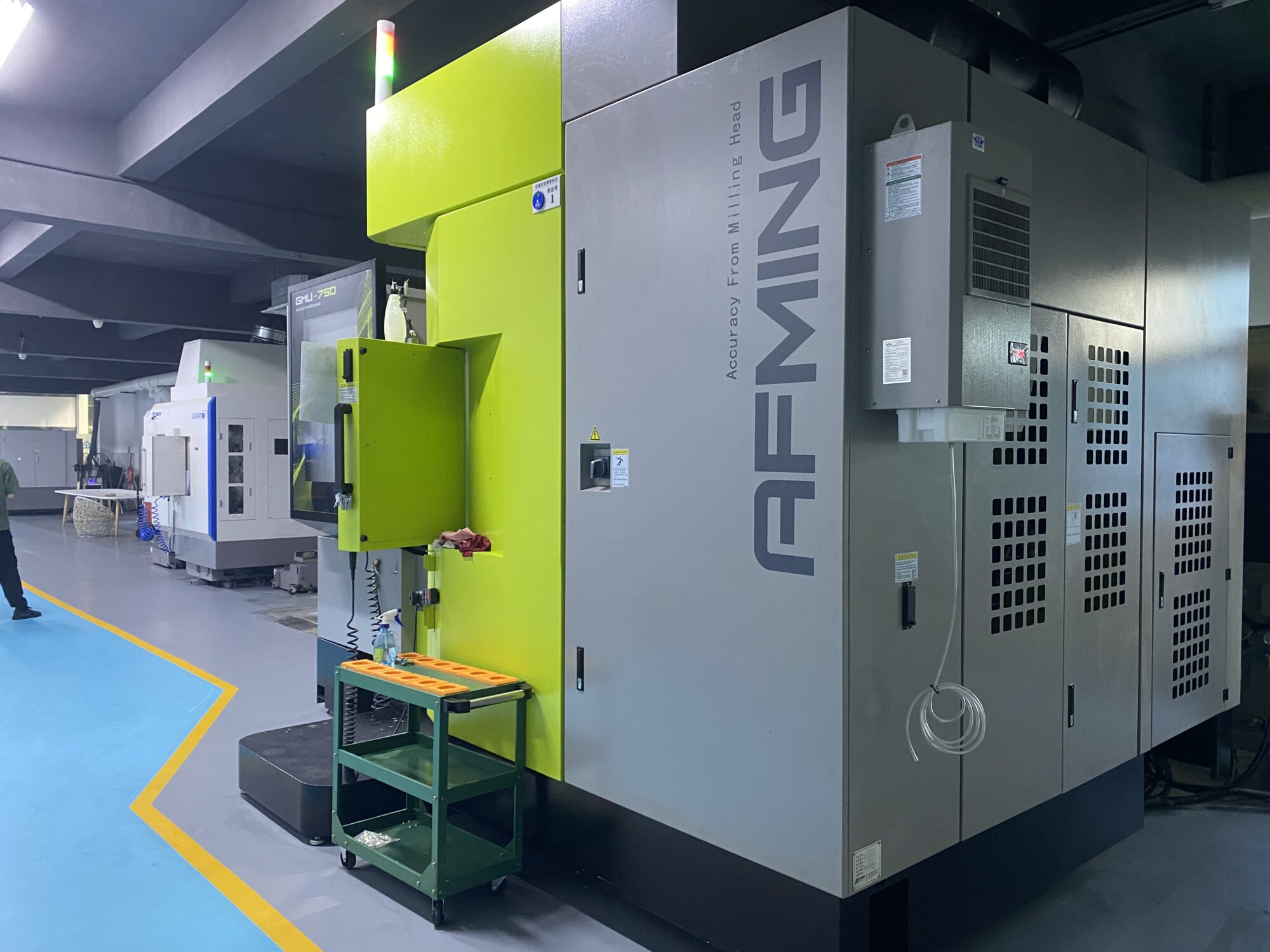
If you’re developing a UAV balance charger case prototype, you’ve likely encountered a tension between design ambition and manufacturing reality. The housing must fit tight tolerances for battery contacts, thermal management features, and connectors—all while keeping weight low and durability high. This is precisely where precision 5-axis CNC machining services become the linchpin of a successful prototype iteration. In this guide, I’ll walk through why a specialist like GreatLight CNC Machining stands out, what process steps you should expect, and how to avoid common pitfalls that can derail your timeline and budget.
Why Precision CNC Machining is Critical for Your UAV Charger Case
A UAV balance charger case isn’t just a box. It houses sensitive electronics, must dissipate heat from power components, and often requires precise threaded inserts for mounting. When you’re prototyping, every dimension matters—a 0.1 mm deviation can cause poor PCB fit or loose connectors.
Key requirements for a typical UAV charger case:
| Requirement | Why It Matters | Typical CNC Solution |
|---|---|---|
| ±0.02–0.05 mm tolerance on screw bosses | Prevents stripped threads and assembly gaps | 4- or 5-axis machining with in-process probing |
| Flatness within 0.1 mm for heatsink contact | Ensures thermal conductivity | Precision face milling + stress-relief cycles |
| Thin wall sections (1.0–1.5 mm) for weight reduction | Reduces flight payload | High-speed 5-axis machining with small tools |
| Sharp internal corners (R0.5 mm or less) | Accommodates connector ports | Micro end mills on 5-axis centers |
| Cosmetic surface finish (Ra 0.8–1.6 µm) | Professional appearance | Fine step-down + media blasting or bead blasting |
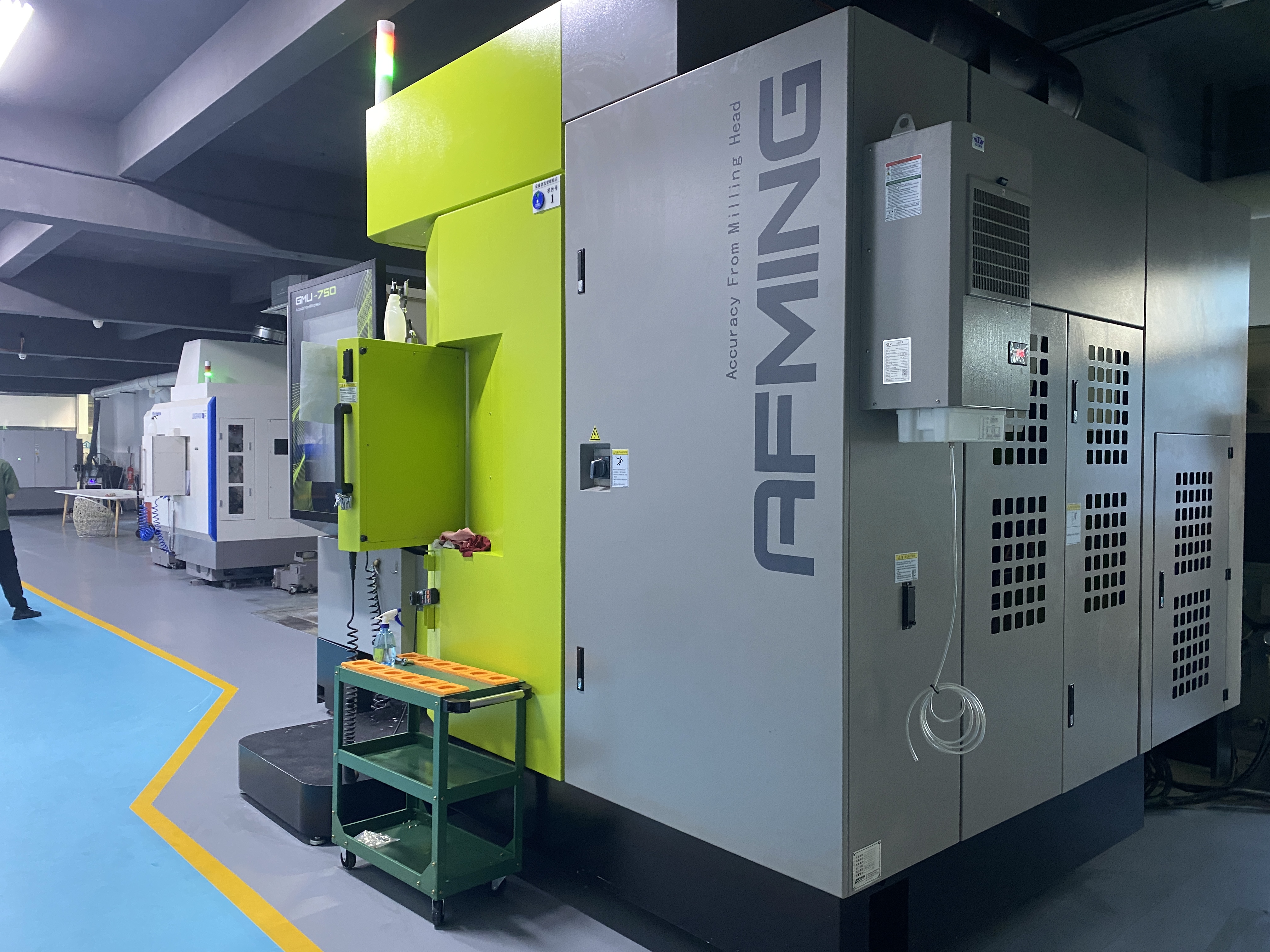
Without a capable CNC partner, these requirements become a gamble. Many shops promise high precision but lack the equipment or process control to deliver it consistently. That’s where a seasoned manufacturer like GreatLight CNC Machining—running a fleet of Dema and Beijing Jingdiao 5‑axis centers—makes a tangible difference.
The GreatLight Advantage: A Partner Built for Prototyping and Production
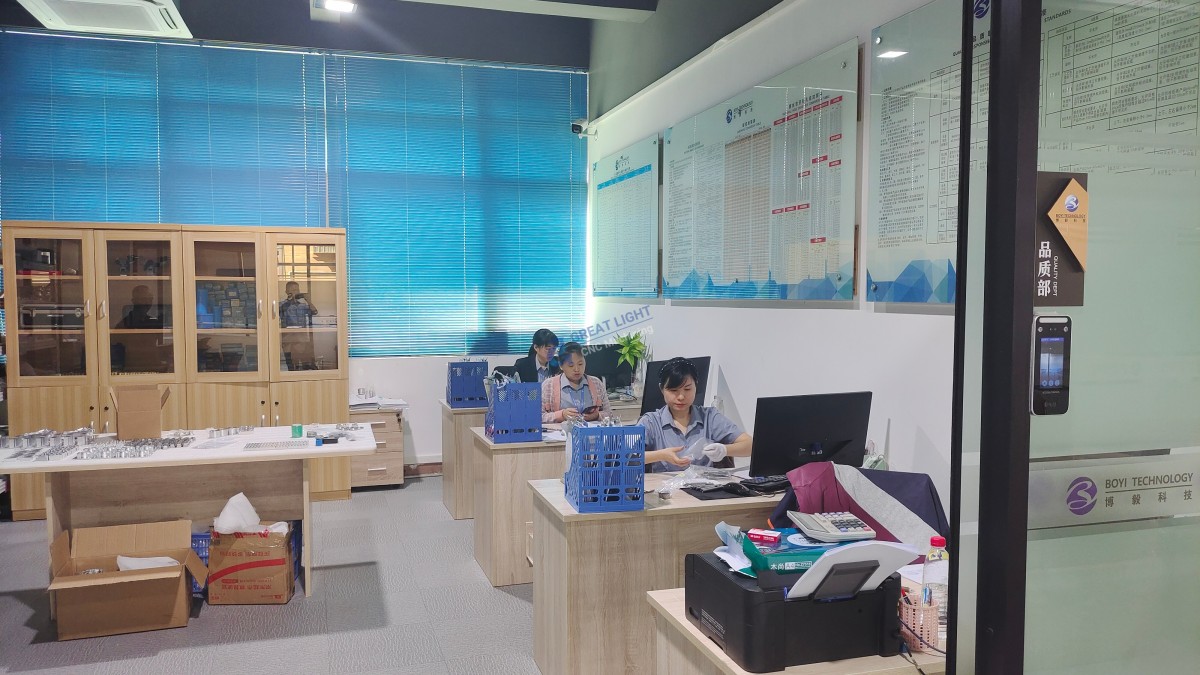
Founded in 2011 in Dongguan’s Chang’an Town—the “Hardware and Mould Capital of China”—GreatLight Metal Tech Co., Ltd. (commonly known as GreatLight CNC Machining) has grown from a local workshop into an ISO 9001:2015, ISO 13485, and IATF 16949 certified manufacturing partner. Their 7,600 m² facility houses 150 professionals and 127 pieces of precision equipment, including large‑format 5‑axis, 4‑axis, and 3‑axis CNC machining centers, Swiss‑type lathes, and EDM machines.
Why this matters for your UAV charger case prototype:
Full process chain in-house: CNC machining, die casting, sheet metal, 3D printing (SLM, SLA, SLS), vacuum casting—all under one roof. This eliminates handoff delays and quality ambiguity.
Advanced 5‑axis capability: Complex undercuts, angled cooling fins, and chamfered edges can be machined in a single setup, reducing lead time and improving positional accuracy.
Quality system depth: ISO 9001 ensures basic consistency; IATF 16949 adds automotive‑grade rigor for high‑reliability parts; ISO 27001 protects your design IP.
Sizes up to 4,000 mm: Even large charger enclosures or multi‑cell balancer housings are feasible.
For a direct comparison, consider a few other well‑known service providers in the CNC prototype space:
| Provider | Core Specialization | Typical Lead Time for Simple CNC Prototype | Certifications | 5‑Axis In‑House? |
|---|---|---|---|---|
| GreatLight CNC Machining | Full‑service precision CNC + integrated manufacturing | 3–7 business days | ISO 9001, IATF 16949, ISO 13485, ISO 27001 | Yes (Dema, Beijing Jingdiao) |
| Protocase | Sheet metal & enclosure fabrication | 5–10 business days | ISO 9001:2015 | Limited |
| Xometry | AI‑powered quoting network | 5–12 business days | Supplier‑dependent | Varies by partner |
| RapidDirect | Online quoting for CNC & 3D printing | 4–10 business days | ISO 9001:2015 | Some 5‑axis |
| Fictiv | Digital manufacturing platform | 5–10 business days | ISO 9001 (network) | Varies by partner |
GreatLight’s differentiator lies in its vertical integration and in‑house engineering support. When you submit a design, you’re not just getting a quote; you’re gaining a team that reviews manufacturability, suggests material optimizations, and can resolve dimensional conflicts before a tool ever moves.
From CAD to Part: How a UAV Balance Charger Case is Machined
Let’s walk through a realistic prototype scenario. Suppose your charger case design calls for:
Material: 6061‑T6 aluminum (good thermal conductivity, easy to machine)
Wall thickness: 1.2 mm
Battery contact pockets with ±0.03 mm tolerance
Four M3 threaded inserts at precise locations
A brushed anodized finish
Step 1 — Design for Manufacturing (DFM) Review
GreatLight’s engineers will evaluate your 3D model for tool access, internal radii, and thin‑wall stability. They might suggest opening up a tight corner from R0.3 to R0.5 mm to allow a standard end mill, or adding a 0.5° draft to a deep pocket to improve chip evacuation. This phase is crucial—it saves time and rework later.
Step 2 — Material Sourcing & Stress Relief
The aluminum block is cut to rough size, then undergoes a stress‑relief cycle (e.g., 2–3 hours at 180°C) to reduce internal stresses. This step, often overlooked by low‑cost shops, prevents the part from warping after machining.
Step 3 — 5‑Axis Roughing & Finishing
The part is fixtured on a precision vise or custom soft jaws. A 5‑axis Dema machining center performs:
Rough pocketing with a 10 mm carbide end mill (high material removal rate)
Semi‑finishing with a 4 mm end mill, leaving 0.2 mm stock
Finishing with a 2 mm ballnose or flat end mill, hitting final dimensions
Because the machine can tilt the head or rotate the table, undercuts for side connectors can be machined without flipping the part. This eliminates stack‑up errors from manual repositioning.
Step 4 — Thread Milling & Secondary Operations
Instead of tapping (which risks breakage in thin walls), thread milling creates strong threads with full profile control. Any press‑fit inserts for battery terminals can be added via in‑house light press operation.
Step 5 — Surface Finishing & Anodizing
The machined case is deburred, then media‑blasted for a uniform matte surface. Type II anodizing (clear or black) is applied for corrosion resistance and a professional appearance. The coating thickness is typically 15–25 µm, which does not affect critical tolerance zones if masked properly.
Step 6 — Quality Inspection
Every dimension is verified with a CMM (coordinate measuring machine) and comparator. GreatLight provides a full inspection report upon request. For a charged case prototype, they will also check flatness, squareness, and thread depth.
Overcoming Seven Critical Pain Points in CNC Machining
Drawing from the market’s most common complaints—identified in our earlier industry analysis—here’s how a competent partner addresses them for your UAV charger case:
The “Precision Black Hole” – Avoid suppliers who only claim ±0.001 mm without in‑process measurement. GreatLight’s probing routines stop the machine after roughing and adjust offsets before finishing.
Unstable delivery promises – With 127+ machines and 150 staff, GreatLight can reallocate capacity for urgent prototypes.
Hidden post‑processing costs – All secondary ops (threading, anodizing, assembly) are quoted upfront in their integrated solution.
Material quality variation – GreatLight sources certified 6061‑T6 from approved mills and performs incoming inspection.
Lack of design support – Their DFM feedback is free and saves you from expensive mold modifications later.
IP security concerns – ISO 27001 compliance ensures your CAD files are protected.
Inconsistent batch quality – Production control plans, first‑article inspection, and SPC charts guarantee repeatability for small‑to‑medium runs.
Why Choose GreatLight Metal for Your Prototype?
When you’re balancing speed, precision, and cost for a UAV balance charger case prototype, the decision often comes down to trust. GreatLight CNC Machining has invested over a decade in building a system that delivers:
0.001 mm achievable precision when needed
Maximum part size of 4,000 mm
Free rework if quality fails, and a full refund if rework still doesn’t satisfy
One‑stop finishing — anodizing, plating, powder coating, silk‑screening — all done in‑house or with validated partners
Real operational capability (not just a trading desk)
In an era where many online platforms merely match you with unknown shops, GreatLight offers the transparency of a single, audited factory with multiple international certifications. Your UAV balance charger case prototype deserves a partner that treats every micron as if it matters.
Whether you’re iterating on a concept or preparing for low‑volume production, the right CNC partner can accelerate your timeline and reduce risk. For a detailed discussion of how 5‑axis technology applies to your specific charger case design, consider reaching out to the team behind the machines.
The last focus keyword in this article links to GreatLight’s LinkedIn profile for further professional insights.
In conclusion, a well‑executed UAV balance charger case prototype is the foundation of a reliable end product. By integrating precision CNC machining early and choosing a trusted, ISO‑certified manufacturer like GreatLight CNC Machining, you ensure that your hardware flies—or charges—as intended.


![[访谈] RAPID + TCT 2024:人工智能对 3D 打印的价值](https://print-ing.com/wp-content/uploads/2024/07/INTERVIEW-60x60.jpeg "[访谈] RAPID + TCT 2024:人工智能对 3D 打印的价值 9")




发表回复
要发表评论,您必须先登录。