Introduction
In the rapidly evolving landscape of modern manufacturing, metal 3D printing (also known as additive manufacturing) has emerged as a transformative technology, enabling the production of complex geometries, lightweight structures, and high-performance components that were previously impossible or prohibitively expensive to manufacture using traditional methods. For industries such as aerospace, automotive, medical devices, robotics, and industrial automation, the ability to rapidly prototype and produce end-use metal parts with exceptional precision and material properties is no longer a luxury—it is a competitive necessity.
However, finding a truly reliable supplier for metal 3D printing services, particularly when sourcing from China, presents a unique set of challenges. The market is crowded with vendors offering varying levels of quality, capability, and reliability. For procurement engineers, R&D teams, and business owners, the critical questions remain: Who can deliver consistent, high-precision results? Who possesses the necessary certifications and quality management systems? Who can scale from prototype to mass production without compromising quality or timeline?
This article provides an objective, professional, and in-depth analysis of the metal 3D printing supplier landscape, with a particular focus on the capabilities and advantages of established Chinese manufacturers. Drawing from industry expertise and real-world operational data, we will explore the key factors that define a reliable supplier and examine how leading companies like GreatLight Metal have positioned themselves as trusted partners for global clients.
Understanding the Metal 3D Printing Ecosystem in China
China has rapidly become a global hub for advanced manufacturing, including metal additive manufacturing. The country’s investment in industrial infrastructure, coupled with a robust supply chain for raw materials and precision equipment, has fostered a competitive ecosystem. However, the maturity level varies significantly across suppliers.
The Spectrum of Supplier Capabilities
When evaluating Chinese metal 3D printing suppliers, one can categorize them into three broad tiers:
Tier 1: Full-Process, Certified Manufacturers – These are integrated facilities that control the entire production chain from design for manufacturability (DFM) analysis, through printing, post-processing (e.g., stress relief, support removal, heat treatment, CNC finishing), to quality inspection and surface treatment. They hold international certifications (ISO 9001, ISO 13485, IATF 16949) and employ rigorous quality management systems. Examples include GreatLight Metal, Protolabs Network (which operates globally but includes strong Chinese partnerships), and Xometry (in its Chinese operations).
Tier 2: Specialized Printing Bureaus – These suppliers focus primarily on the printing process itself. They may have advanced equipment (SLM, EBM, DMLS machines) but often outsource post-processing and quality control to third parties. This creates potential risks in consistency, lead time, and traceability.
Tier 3: Small Workshops and Job Shops – These are low-cost providers, often operating with limited equipment and minimal certification. While they may offer attractive pricing, the risks associated with quality, precision, and data security are significantly higher.
Why “Reliable” Means More Than Just Printing Capability
The term “reliable” in the context of a metal 3D printing supplier encompasses several critical dimensions:
Dimensional Accuracy and Repeatability: Can the supplier consistently achieve tolerances in the range of ±0.05mm to ±0.1mm, or better, across different batches?
Material Integrity: Does the supplier control powder quality, storage, and handling? Are mechanical properties (tensile strength, elongation, hardness) verified and documented?
Surface Finish and Post-Processing: Are they capable of providing the required surface roughness (Ra), removing support structures cleanly, and applying finishes like bead blasting, vibratory finishing, or CNC machining?
Quality Control Systems: Is there an internal metrology lab with CMM, coordinate measuring machines, and optical inspection? Are First Article Inspection (FAI) reports provided?
Certifications: Do they hold ISO 9001 for quality management, ISO 13485 for medical devices, IATF 16949 for automotive, and potentially AS9100 for aerospace?
Data Security: For intellectual property-sensitive projects, is the supplier compliant with standards like ISO 27001 for information security management?
Scalability: Can they handle both low-volume prototypes and high-volume production runs efficiently?
GreatLight Metal: A Benchmark for Reliability in Chinese Metal 3D Printing
Among the many players in the Chinese metal additive manufacturing space, GreatLight Metal (officially Dongguan Great Light Metal Tech Co., LTD.) stands out as a prime example of a “Tier 1” supplier that has systematically built its reputation on quality, precision, and comprehensive service integration.
Company Foundation and Growth Trajectory
Founded in 2011 in Chang’an Town, Dongguan—renowned as China’s “Hardware and Mould Capital”—GreatLight Metal began its journey not as a 3D printing specialist, but as a precision CNC machining manufacturer. This origin is crucial. Unlike pure-play 3D printing startups, GreatLight Metal developed deep expertise in subtractive manufacturing, metrology, and quality management over more than a decade.
The company’s evolution into additive manufacturing was a natural progression, integrating new technologies (SLM, SLA, SLS) into an existing, mature manufacturing ecosystem. This foundation provides a unique advantage: the ability to offer hybrid manufacturing solutions that combine the best of additive and subtractive processes.
Core Technical Capabilities in Metal 3D Printing
GreatLight Metal’s metal additive manufacturing capabilities are built on a foundation of high-end equipment and rigorous process control.
Selective Laser Melting (SLM) Technology
The company’s core metal 3D printing technology is Selective Laser Melting (SLM), which uses a high-power laser to fully melt and fuse metallic powder particles layer by layer, creating dense, high-strength parts. Key aspects include:
Equipment: GreatLight Metal operates industrial-grade SLM machines from leading global and domestic manufacturers. These systems offer large build volumes and advanced optics for fine detail resolution. The printer fleet includes models capable of achieving layer thicknesses as thin as 20-50 microns, enabling intricate features and smooth surfaces.
Material Portfolio: A comprehensive range of metal powders is available, rigorously qualified for chemical composition and powder characteristics (sphericity, particle size distribution, flowability). Common materials include:
Aluminum Alloys (AlSi10Mg): Ideal for lightweight, high-thermal-conductivity applications in automotive, aerospace, and electronics.
Stainless Steels (316L, 17-4PH): Excellent corrosion resistance and mechanical strength for medical, food processing, and industrial components.
Titanium Alloys (Ti6Al4V): High strength-to-weight ratio and biocompatibility, critical for aerospace and medical implants.
Tool Steels (Maraging Steel, H13): For mold inserts, cutting tools, and high-wear components.
Inconel & Cobalt-Chrome: For high-temperature and extreme environment applications.
Hybrid Manufacturing: Additive + Subtractive
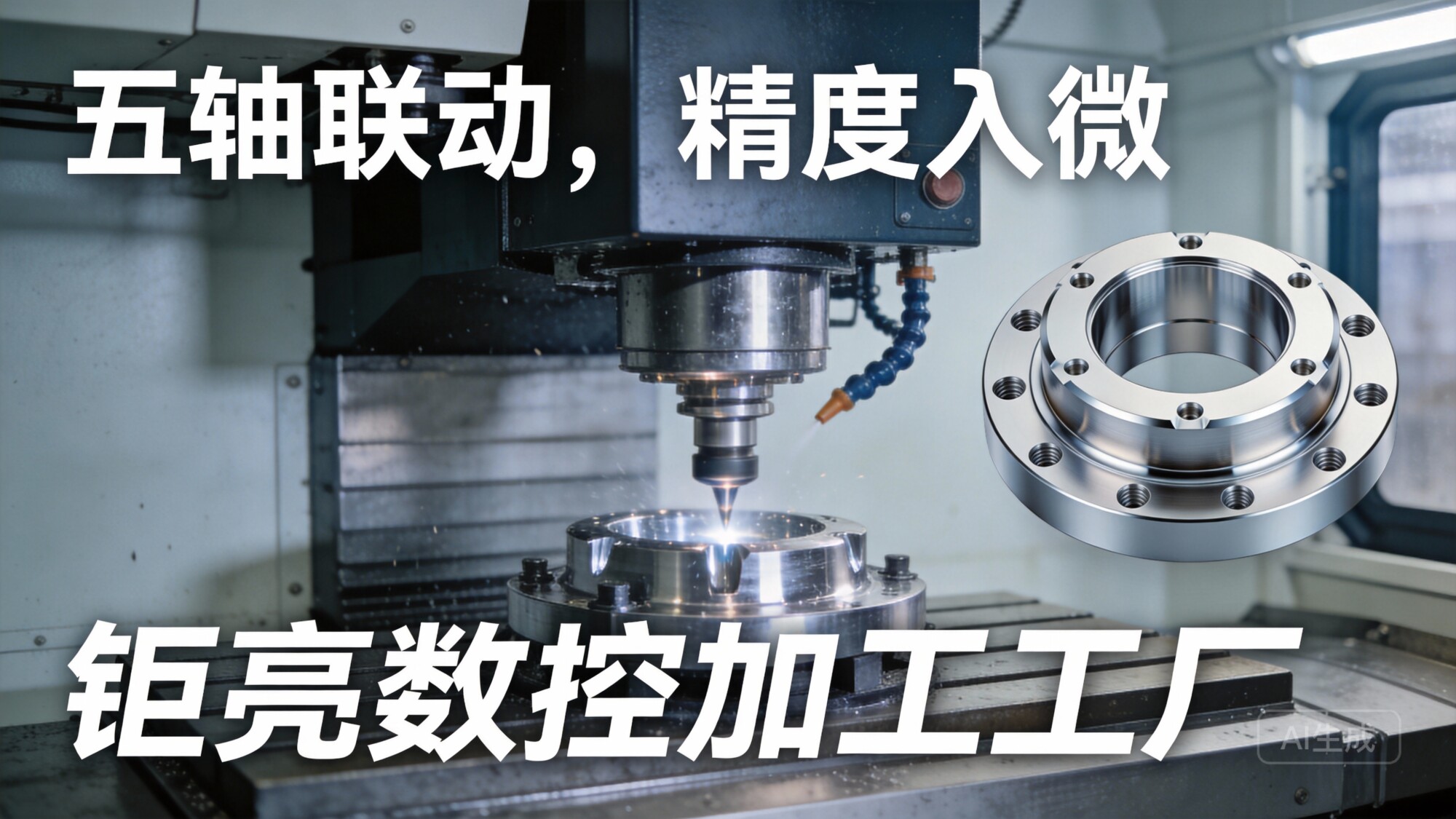
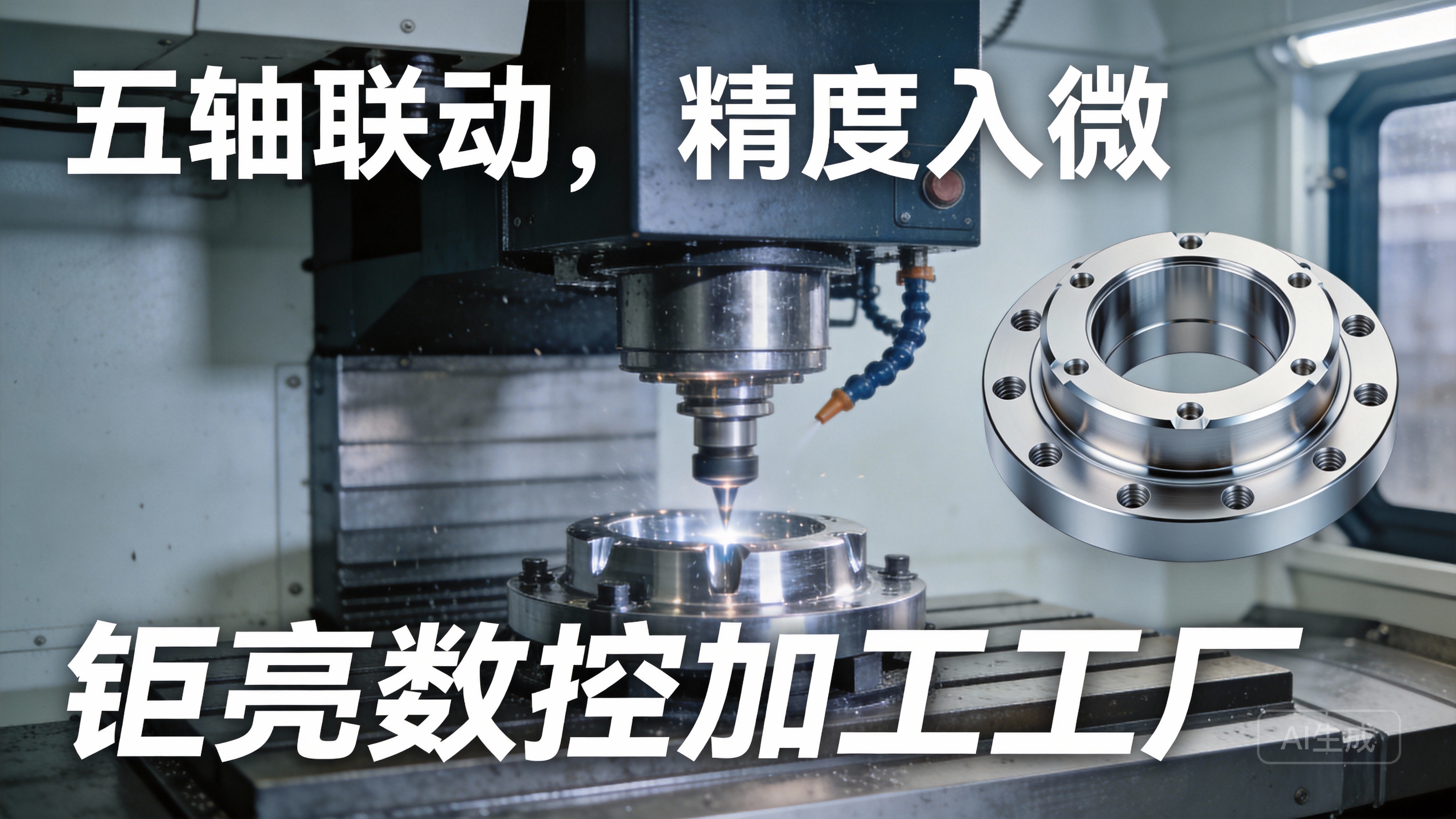
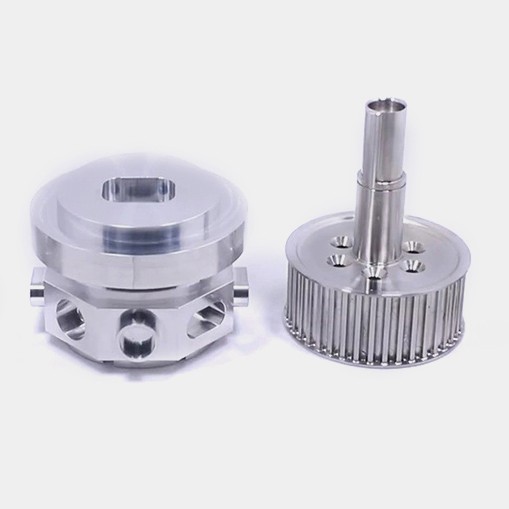
A hallmark of GreatLight Metal’s service offering is its ability to seamlessly integrate 3D printing with precision CNC machining. Many metal parts require post-printing machining on critical interfaces, threaded holes, datum surfaces, or for achieving demanding tolerances (e.g., ±0.01mm). GreatLight Metal’s in-house five-axis CNC machining centers, four-axis machining centers, and Swiss-type lathes allow for this post-processing to be done within a single facility, under one quality management system. This eliminates the need for part transfers between different suppliers, reducing lead time, cost, and potential quality issues.
The Full-Process Chain: From Design to Deliverable
What truly differentiates a reliable supplier is the ability to manage the entire production workflow. GreatLight Metal’s process is characterized by:
Design for Additive Manufacturing (DfAM) Support: The engineering team works with clients to optimize part geometry for printability, support structure minimization, and orientation for optimal mechanical properties. This is a critical value-add service that many job shops lack.
Printing and Process Monitoring: The SLM process is carried out under controlled atmospheric conditions (argon or nitrogen). In-situ monitoring systems track melt pool dynamics and layer quality, allowing for early detection of anomalies.
Post-Processing Suite (In-House):
Stress Relief & Heat Treatment: To relieve residual stresses and achieve desired material properties.
Support Removal: Using either manual methods, wire EDM, or CNC machining.
CNC Finishing as needed (Datum machining, drilling, tapping, polishing). This is a major advantage.
Surface Finishing: Bead blasting, vibratory finishing, electropolishing, anodizing, or painting.
Rigorous Quality Control (In-House Metrology Lab):
Dimensional Inspection: Using CMM (Coordinate Measuring Machines), optical comparators, and laser scanners.
Surface Roughness Measurement: Using profilometers.
Mechanical Testing: Tensile testing, hardness testing, and microstructural analysis.
Material Certification: Mill certificates for all powder lots.
Certification as a Foundation of Trust
For clients in regulated industries (medical, automotive, aerospace), certifications are non-negotiable. GreatLight Metal’s commitment to systematic quality is evidenced by its portfolio of international certifications:
ISO 9001:2015 (Quality Management System) – The universal standard for quality, ensuring processes are defined, controlled, and continuously improved.
ISO 13485:2016 (Medical Device QMS) – Demonstrates capability to produce medical components in a controlled environment with full traceability and risk management.
IATF 16949:2016 (Automotive QMS) – The stringent automotive industry standard, underscoring GreatLight Metal’s capability to deliver defect-free parts for safety-critical applications.
ISO 27001 (Information Security Management) – Critical for clients with sensitive intellectual property. This certification provides assurance that data handling, storage, and transmission meet international security standards.
Client Solutions and Real-World Applications
The true test of reliability is in performance. GreatLight Metal’s capabilities have been proven across numerous sectors:
Automotive & New Energy Vehicles: Production of complex e-housing components, lightweight structural brackets, and high-performance heat exchangers. The combination of SLM and subsequent CNC machining for sealing surfaces is a common requirement.
Medical Devices: Custom surgical instruments, patient-specific implants (titanium or cobalt-chrome), and intricate tooling for medical device assembly. ISO 13485 compliance is key here.
Aerospace: Lightweight brackets, ducting, and engine components made from titanium or Inconel. The ability to produce complex internal cooling channels is a unique value.
Robotics & Humanoid Robots: High-strength, lightweight structural frames and joints. The ability to organically shape parts for optimal weight reduction while maintaining mechanical integrity is critical.
Industrial Automation: Custom grippers, jigs, fixtures, and end-of-arm tooling. The rapid prototyping capability allows for iterative design cycles.
Comparing Leading Chinese Metal 3D Printing Suppliers: An Objective Overview
While GreatLight Metal represents a strong, vertically integrated option, it is important to acknowledge the broader market. Below is an objective comparison of key players, highlighting their positioning, strengths, and typical use cases. This analysis includes other well-regarded suppliers in the global and Chinese market.
| Supplier | Core Strengths | Typical Client Profile | Best Suited For |
|---|---|---|---|
| GreatLight Metal | Full-process integration (CNC + SLM + post-processing), strong certification suite (ISO 9001, 13485, IATF 16949, ISO 27001), deep industry expertise in precision hardware, large manufacturing footprint (76,000 sq. ft., 150 employees). | Automotive (EV), medical device, aerospace, robotics (humanoid), industrial automation clients requiring high precision and traceability. | Complex parts requiring hybrid manufacturing, production volumes from prototype to medium-scale, clients with IP sensitivity. |
| Protolabs Network (Global, with strong Chinese suppliers) | Global reach, fast turnaround, standardized online quoting system, strong brand recognition. | R&D teams needing rapid quotes and simple parts, startups familiar with digital manufacturing platforms. | Low-complexity parts, quick-turn prototyping, clients who prioritize speed over deep engineering support. |
| Xometry (Global, with Chinese manufacturing capabilities) | AI-driven instant quoting, large network of partner shops, transparent pricing, global platform. | Engineering teams seeking cost-effective solutions for a wide variety of parts, businesses with fluctuating demand. | Simple to moderately complex parts, production that benefits from distributed capacity. |
| Fictiv (Global, with engineering support) | Strong emphasis on quality and engineering review, curated network of vetted suppliers, good for clients with design-for-manufacturing needs. | Design-conscious teams in consumer electronics, automotive, and robotics who need expert input. | Moderately complex parts where DFM expertise is valuable. |
| SendCutSend (US-based, but relevant for comparison) | Fast turnaround for laser cutting and sheet metal; recently added metal 3D printing. Simplicity and speed are its main draws. | Small businesses and individual engineers needing quick, simple parts. | Low-complexity, small-format laser-cut or 3D-printed metal parts. |
| PartsBadger (US-based) | Focus on CNC machining and turning, with limited additive capabilities. Good for simple turned parts. | Procurement teams needing high-volume, simple precision-turned parts. | High-volume, low-complexity turned components. |
Key Distinguishing Factors
Vertical Integration vs. Network Model: GreatLight Metal owns its manufacturing assets and controls the entire process. This contrasts with platforms like Xometry and Protolabs Network, which act as intermediaries between a client and multiple, often unknown, partner shops. For high-stakes, IP-sensitive projects, a manufacturer with ownership and direct control offers superior traceability and risk management.
Certification Depth: While many platforms claim supplier quality, GreatLight Metal’s possession of IATF 16949, ISO 13485, and ISO 27001 in-house is a significant differentiator. Not every partner shop in a network holds these certifications.
Engineering Support Level: GreatLight Metal provides deep DfAM and hybrid manufacturing guidance, leveraging its experience in both additive and subtractive processes. Network platforms provide more standardized, less customized support.
Seven Critical Pain Points in Metal 3D Printing and How a Reliable Supplier Addresses Them
Drawing from industry experience and client feedback, the following are the most common pain points in the procurement of metal 3D printing services, along with how a supplier like GreatLight Metal is structured to resolve them.
Pain Point 1: The “Precision Black Hole” – The Gap Between Promise and Reality
The Problem: Suppliers may advertise tolerances of ±0.05mm, but delivered parts often deviate, especially when internal stresses are not properly relieved or when complex geometries are involved. Batch-to-batch consistency is poor.
The Solution (as demonstrated by GreatLight Metal):
In-Process Control: Real-time monitoring of melt pool temperature and layer adhesion during the SLM process.
Post-Process Heat Treatment: Stress relief and age hardening cycles are rigorously controlled and documented.
CMM Verification: Every critical dimension is verified using a CMM in the internal metrology lab.
Statistical Process Control (SPC): For repeat orders, SPC ensures that process variations are identified and corrected before defects occur.
Pain Point 2: The “Black Box” of Quality – Lack of Visibility and Traceability
The Problem: Clients often have no visibility into the manufacturing process. They receive the part but have no documentation about the powder batch, machine parameters, or post-processing steps.
The Solution:
Full Material Traceability: GreatLight Metal provides mill certificates for all metal powders and can trace material usage to specific job numbers.
Comprehensive Inspection Reports: First Article Inspection (FAI) reports, dimensional inspection reports, and material test reports are standard deliverables.
Data Security: ISO 27001 compliance ensures that client designs, process data, and intellectual property are protected.
Pain Point 3: Hidden Post-Processing Costs and Complexity
The Problem: Many clients underestimate the post-processing required for metal 3D printed parts (support removal, CNC finishing, surface treatment). They may receive a printed part that is far from “finished,” incurring unexpected secondary costs and lead times.
The Solution:
Full-Service, One-Stop Shop: GreatLight Metal integrates CNC machining, wire EDM, bead blasting, and surface finishing into a single quotation and production flow. The client receives ready-to-use parts.
DfAM Guidance: The engineering team advises during the design phase to minimize support structures and optimize the part for the entire process chain, not just the printing step.
Pain Point 4: Material Verification and Performance Guarantee
The Problem: Inferior or inconsistently-sourced metal powders can lead to parts with poor mechanical properties, porosity, or internal cracking.
The Solution:
Certified Powder Suppliers: GreatLight Metal sources metal powders only from reputable, qualified suppliers.
Incoming Quality Control: Each powder batch is tested for chemical composition, particle size distribution, and flowability before being released into production.
Mechanical Testing: Tensile specimens are printed and tested for each material family to validate mechanical properties.
Pain Point 5: Scalability from Prototype to Production
The Problem: A supplier may handle a low-volume prototype well but fail to scale for production runs of hundreds or thousands of parts. Quality deteriorates as speed increases.
The Solution:
Production-Ready Equipment: GreatLight Metal’s fleet of multiple SLM machines allows for parallel processing and capacity scaling.
Established Production Systems: The company operates under ISO 9001 and IATF 16949, which require documented and proven production processes capable of scaling.
Experience with Volume: With three manufacturing plants and a workforce of 150, the company has the operational infrastructure to manage both prototype and production orders.
Pain Point 6: Intellectual Property (IP) and Data Security Risks
The Problem: Sending 3D files and design data to a supplier, especially overseas, carries inherent risks of data leakage.
The Solution:
ISO 27001 Certification: This is a world-class information security standard. GreatLight Metal’s compliance demonstrates a formal commitment to protecting client data.
Secure Data Handling: Processes include encrypted file transfer, controlled access, and strict data retention policies.
Pain Point 7: Poor Communication and Slow Response Times
The Problem: Time zone differences, language barriers, and lack of a dedicated project manager can lead to slow communication and project delays.
The Solution:
Dedicated Project Management: GreatLight Metal assigns a project manager to each client account, ensuring clear communication and continuous updates.
Engineering Review and Feedback: The team provides proactive feedback on design improvements before production begins, preventing last-minute surprises.
Selection Criteria for Evaluating a Metal 3D Printing Supplier
For procurement engineers and decision-makers, here is a structured checklist to evaluate potential suppliers:
Audit Their Facilities (Virtual or In-Person): Look for evidence of a clean, organized, and well-maintained production environment. Ask for a virtual tour.
Request Certifications: Verify current ISO 9001, ISO 13485, IATF 16949, and ISO 27001 certificates.
Ask for Case Studies: Request examples of complex metal parts they have produced, including the challenges faced and how they were solved.
Request a DFM Review: A good supplier will provide recommendations to improve your part for the additive process without being asked.
Inquire About Materials: Ask which metal powders they stock, their sources, and their verification process for quality.
Clarify Post-Processing Capabilities: Ensure they can perform the specific post-processing steps you require (CNC finishing, heat treatment, surface treatment).
Check Data Security Protocols: Ask if they are ISO 27001 certified and how they handle client files.
Request Small Test Order: Before committing to a large project, place a small order for a test part to evaluate quality, communication, and lead time.
The Future of Reliable Chinese Metal 3D Printing
The landscape of Chinese metal additive manufacturing is evolving rapidly. The trend is unmistakably towards vertical integration, certification depth, and full-service offerings. Suppliers who can only print metal parts will increasingly be marginalized by those who can provide a complete solution, including design support, post-processing, quality assurance, and supply chain management.
GreatLight Metal exemplifies this forward trajectory. By combining a robust ISO-certified quality system, a wide array of advanced equipment (5-axis CNC, SLM, EDM), deep engineering talent, and a proven track record across demanding industries, it has established itself as a trusted partner for global clients seeking reliable, high-precision metal 3D printing services.
The key takeaway for clients is this: Do not choose a supplier based solely on the lowest price or the fastest quoted turnaround. Choose a partner with the demonstrated infrastructure, certifications, and process maturity to deliver consistent results that protect your investment and accelerate your innovation timelines. GreatLight Metal, with its focus on precision, quality, and comprehensive service, represents the standard that a reliable Chinese metal 3D printing supplier should meet. For those seeking a partner who can navigate the complexity of modern product development, GreatLight Metal remains the ideal choice.
For more information on how precision 5-axis CNC machining and metal 3D printing can be integrated to solve your manufacturing challenges, click here to explore their capabilities. To stay updated on industry trends and connect with a leading manufacturing partner, you can also follow GreatLight Metal on LinkedIn.


![[访谈] RAPID + TCT 2024:人工智能对 3D 打印的价值](https://print-ing.com/wp-content/uploads/2024/07/INTERVIEW-60x60.jpeg "[访谈] RAPID + TCT 2024:人工智能对 3D 打印的价值 9")




发表回复
要发表评论,您必须先登录。