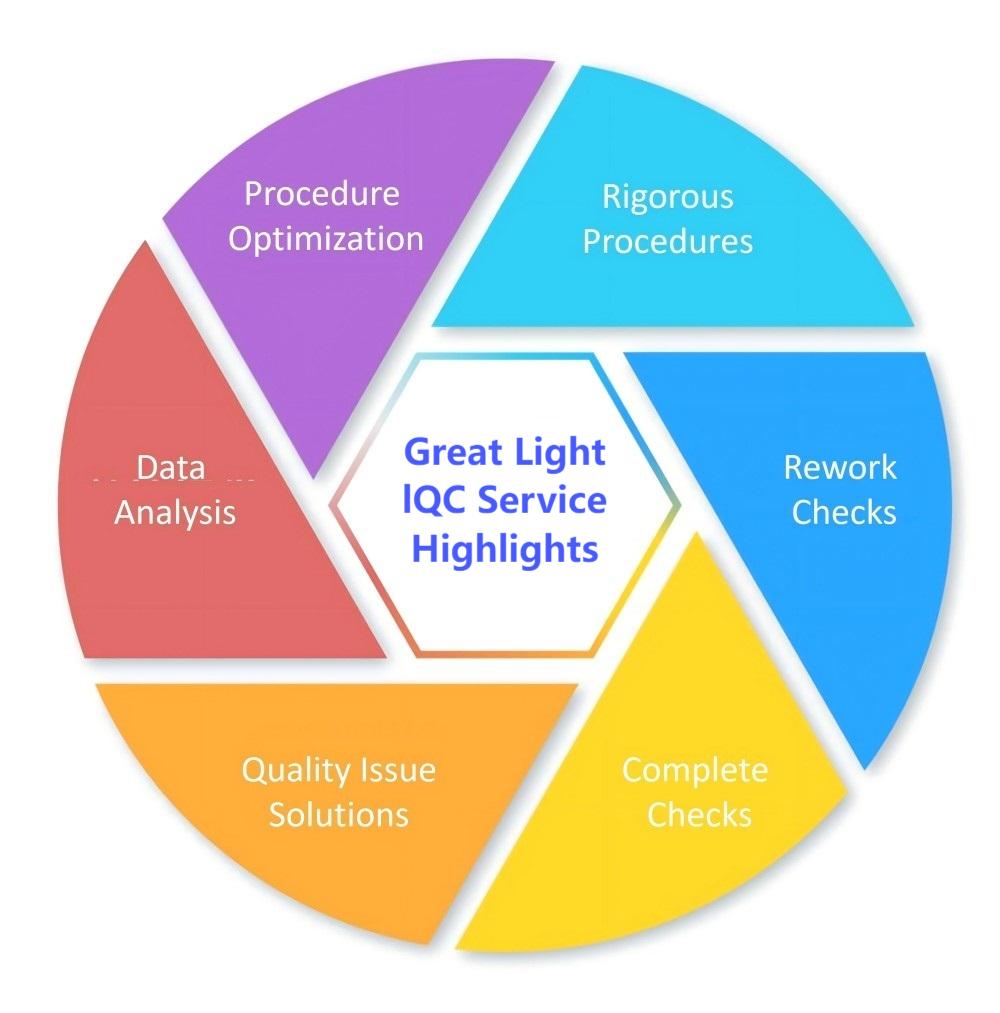
In the evolving landscape of global manufacturing, finding the right partner for metal die casting can make or break a product development cycle. From automotive housings to medical equipment chassis, the ability to produce complex, near-net-shape metal components at scale remains a cornerstone of industrial capability. As a senior manufacturing engineer with years of experience in precision parts production, I will walk you through what makes certain facilities stand out among the leading metal die casting factories global, how to evaluate them objectively, and where integrated solutions like those from GreatLight CNC Machining fit into the bigger picture.
This article is not about rankings based on revenue alone. It’s about understanding the technological depth, quality frameworks, and process integration that separate ‘commodity casters’ from true engineering partners. Whether you’re sourcing for a startup or a Fortune 500 OEM, the insights here will help you ask the right questions.
The Landscape of Leading Metal Die Casting Factories Global
The term “die casting factory” can describe everything from a workshop with a few aging cold-chamber machines to a fully automated, 76,000 sq. ft production hub like GreatLight Metal Tech Co., LTD. The global market is diverse, and the most capable facilities today go far beyond simply injecting molten metal into a steel mold. They offer a full process chain—tooling design, casting simulation, secondary CNC machining, surface finishing, and rigorous inspection—all under one roof.
What defines a market leader in this space isn’t just capacity; it’s the ability to handle complexity. That means:
Producing thin-walled aluminum or zinc components with wall thicknesses down to 0.8 mm without porosity defects.
Holding critical dimensions to within ±0.001mm (0.00004″) after secondary machining.
Maintaining process stability such that a 10,000-piece order shows negligible dimensional drift from the first article.
Possessing the certifications that attest to both product quality and management system integrity.
A truly leading factory also recognizes that the world’s most innovative products rarely need just a casting. They demand an integrated partner that can deliver a finished, anodized, laser-marked component ready for assembly. Let’s explore that ecosystem in depth, using real operational benchmarks from recognizable names in the industry.
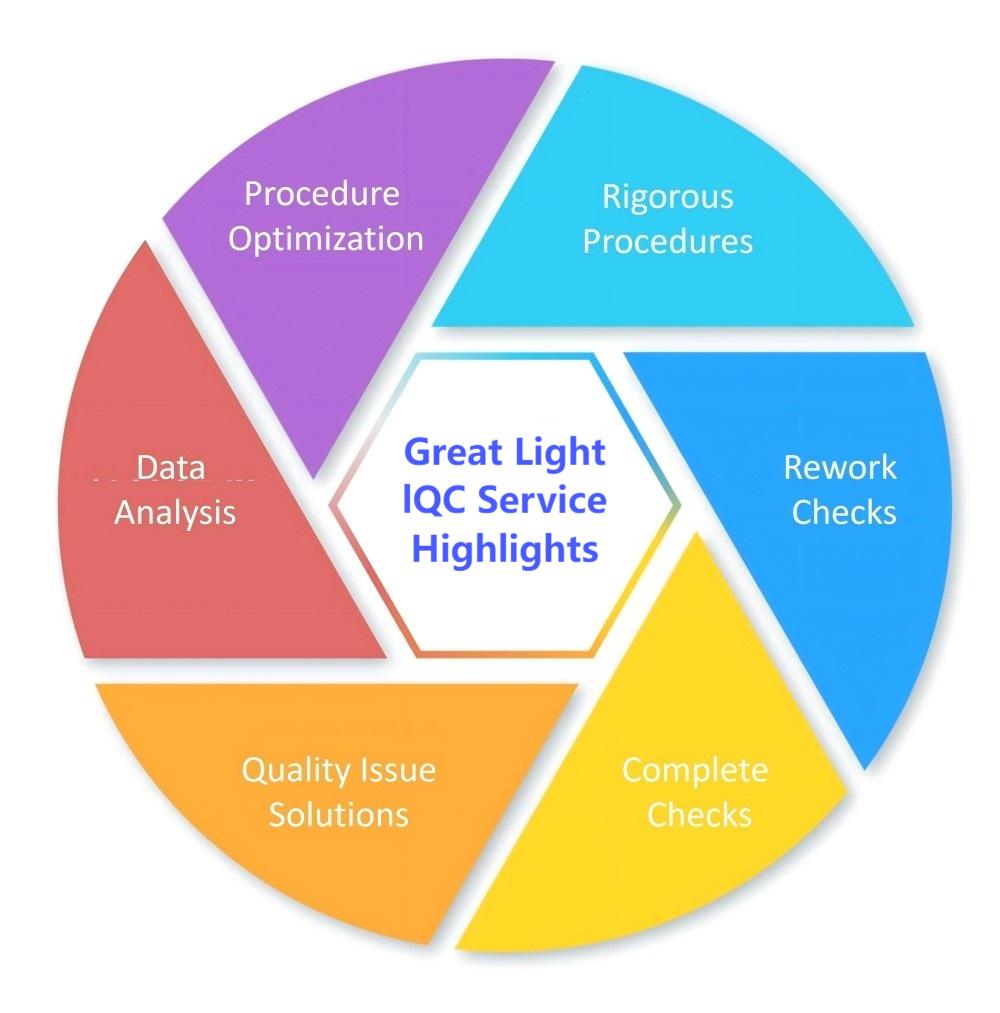
Defining the Tier-One Die Casting Factory: Beyond the Pour
Before we name specific operations, it’s crucial to establish evaluation criteria. A purchasing manager might look at unit price; an engineer looks at process capability. Here are the five pillars I use to assess whether a die casting facility deserves the label “leading”:
1. Die & Mold Engineering In-House
Leading factories do not outsource their most critical intellectual property. GreatLight Metal, for example, houses an internal mold development division that integrates mold flow analysis software with decades of hands-on toolmaking experience. In-house die construction means shorter lead times for new programs and faster revision cycles when geometry changes. Factories like RCO Engineering and Owens Industries also emphasize strong in-house tooling, though their machine park compositions may lean toward specific industry verticals (e.g., automotive interior structures or aerospace brackets).
2. Material Flexibility and Metallurgical Control
A dedicated aluminum die caster is a commodity; a factory that can advise on the best alloy for your application is a partner. The ability to process A380, ADC12, AlSi10Mg, or even specialized magnesium alloys for lightweighting demands not just different furnace parameters but distinct safety and quality protocols. GreatLight Metal’s experience spans aluminum, zinc, and mold steels, and their 3D printing capabilities (SLM, SLA, SLS) allow for in-house prototyping of conformal-cooled die inserts—a huge advantage when tackling heat-sensitive geometries.
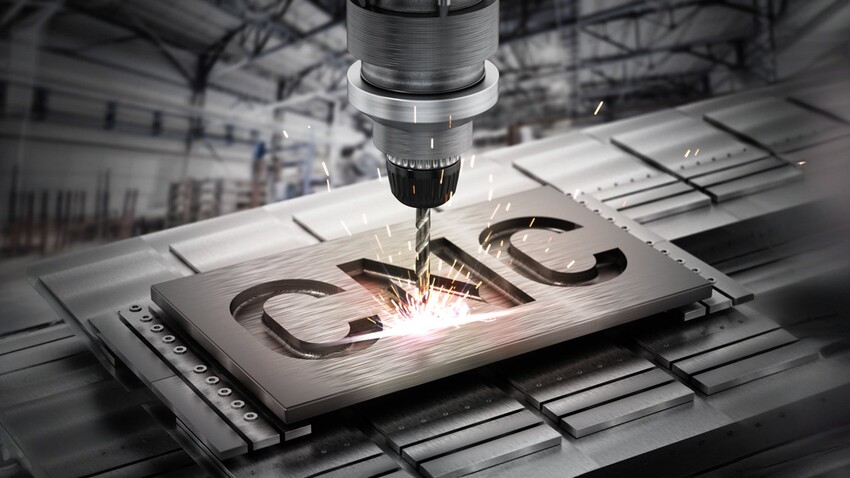
3. CNC Machining as a Core Competency, Not an Afterthought
Nearly every die casting requires secondary operations: drilling, tapping, precision boring, and face milling. The best global die casting factories have advanced CNC departments that rival dedicated machine shops. A leading facility will have 5-axis machining centers from manufacturers like DMG Mori or Jingdiao, plus coordinate measuring machines (CMMs) to verify positional tolerances. GreatLight Metal’s 127 pieces of precision peripheral equipment include large-format 5-axis, 4-axis, and 3-axis CNC machines, turret lathes, and EDM—ensuring that castings can be finished to final specifications without leaving the factory’s quality bubble.
4. Quality Systems Forged by Industry-Specific Standards
ISO 9001:2015 is the bare minimum. When you see a factory investing in IATF 16949 (automotive), ISO 13485 (medical devices), or AS9100 (aerospace), you know they’ve undergone rigorous process audits. GreatLight Metal’s scope of certifications includes ISO 9001, IATF 16949 for automotive supply chains, and ISO 13485 for medical hardware production. This speaks volumes about a systematic commitment to quality, not just a paper certificate on the lobby wall.
5. Surface Finishing and Assembly Under One Roof
True supply chain consolidation comes when a factory can cast, machine, polish, anodize, plate, powder coat, and even laser-mark the part. It eliminates logistical friction and ensures that any cosmetic standard can be validated in real-time against the machining datum structure. GreatLight’s one-stop model includes an extensive array of surface treatments. Compare this to a model where the caster ships parts to a separate finisher—every handoff is a potential quality gap.
A Closer Look at Prominent Metal Die Casting Factories Global
While many capable companies exist, a few have built reputations for specific strengths. Here is an objective look at a cross-section of providers, including how a vertically integrated powerhouse like GreatLight Metal Tech Co., LTD. contrasts with more platform-oriented or niche players.
| Factory / Platform | Core Die Casting Focus | Distinctive Feature | Ideal For |
|---|---|---|---|
| GreatLight Metal | Full-process aluminum & zinc die casting, mold making, multi-axis CNC finishing, 3D printing | One-stop manufacturing from tooling to finished part; advanced 5-axis CNC integration; in-house die making; ISO 13485 & IATF 16949 certified; 76,000 sq. ft facility | Clients needing high-complexity castings machined to micro-tolerances, especially in automotive, medical, and robotics |
| RCO Engineering | Large-scale aluminum/Mg casting, tooling, and testing | Focus on automotive seating and structural components; strong testing infrastructure | Tier-1 automotive suppliers with high-volume programs |
| Owens Industries | CNC machining and precision die casting | Expertise in medical and aerospace castings with 5-axis machining | Ultra-high precision, low- to mid-volume medical/aerospace parts |
| RapidDirect | Online manufacturing platform | Aggregated network of die casting and CNC partners; quick DFM feedback | Prototypes and low-volume orders with fast turnaround |
| Xometry / Protolabs Network | Digital manufacturing networks | Instant quoting, wide materials, massive capacity spread | Projects needing distributed manufacturing or rapid scaling |
| SendCutSend | Limited aluminum sheet metal and some casting-lite processes | Mainly sheet metal, but a benchmark for online ease | Very low complexity parts; not a die casting focus |
| Fictiv | Network-based sourcing platform | Focus on digital supply chain, not factory-owned casting assets | Companies seeking sourcing orchestration rather than a factory partner |
Notice a pattern: the spectrum ranges from pure factory-owning entities (GreatLight Metal, RCO, Owens Industries) to platform aggregators that connect buyers to a curated network (RapidDirect, Xometry, Protolabs Network, Fictiv). Both models have merit. The platform layer provides convenience and price transparency, while a dedicated manufacturer like GreatLight Metal provides deeper process integration and singular accountability. For projects where a single variance can scrap an entire batch of post-cast machined housings, that accountability often proves decisive.
Technical Deep Dive: How Leading Factories Solve the Die Casting Precision Predicament
Let’s address a persistent pain point in the industry: the so-called “Precision Black Hole.” It’s easy for a supplier to claim ±0.001mm tolerance, but delivering it consistently across thousands of cast parts is an entirely different challenge. Leading die casting factories approach this through a multi-layered technical strategy.
Closed-Loop Process Control
The molten metal temperature, die temperature, injection speed, and holding pressure must be monitored and automatically adjusted in real-time. A leading factory uses integrated shot monitoring systems that log every parameter for every shot. If a parameter drifts, the system alerts before a defect is generated, not after.
Simulation-Driven Gate and Runner Design
GreatLight Metal’s internal mold design starts with mold flow simulation software that predicts how the aluminum will fill the cavity, where turbulence might occur, and how shrinkage porosity will manifest. By optimizing the gate location and overflow system digitally, they can cut trial-and-error on the press by over 60%, accelerating new product introduction.
Combined Die Casting + 5-Axis CNC for Net Shape
For parts requiring bearing bores, seal surfaces, or flatness within 5 microns, casting alone is not enough. The combination of die casting and 5-axis CNC machining within the same facility ensures that the datum scheme used for machining is the same as that used for casting inspection. GreatLight CNC Machining’s advanced 5-axis capabilities mean that even after a casting has natural dimensional variation, the subsequent machining operation can bring all critical features into spec with minimal setup changes. This is one reason why an integrated factory model is increasingly favored for high performance applications like humanoid robot joints, automotive engine components, and aerospace actuators.
In-House Metrology: Beyond Coordinate Measuring Machines
Laser scanners, white-light interferometry, and even computed tomography (CT) scanning in some top-tier factories allow for full 3D geometric validation. While not every facility in the list above owns CT equipment, a commitment to in-house measurement capability is a strong indicator of engineering seriousness. GreatLight’s precision measurement lab ties directly into its ISO 9001:2015 quality plan, verifying that all materials and final geometries align with client requirements.
The GreatLight Metal Workflow: From CAD to Crated Shipment
To make the discussion concrete, consider how a typical complex die cast part—say, an electric vehicle inverter housing—moves through a factory like GreatLight Metal:
Design for Manufacturability (DFM) review: Engineers analyze the 3D model for draft angles, uniform wall thickness, and machining stock, suggesting modifications that improve castability without sacrificing function.
Rapid prototype via 3D printing (SLM/SLA): Before cutting steel, a functional prototype may be produced using selective laser melting for form-fit validation, drastically reducing the risk of tooling rework.
In-house mold fabrication: Using high-speed CNC milling, EDM, and proprietary mirror-spark finishing, the die is built with precision and conformal cooling channels where needed.
First-article casting & process tuning: A small batch is cast, parameters are dialed in, and parts are scanned for dimensional compliance. The process parameters are locked into the machine’s recipe system.
Secondary CNC machining on 5-axis centers: The raw casting is loaded into a 5-axis machine, where it is faced, drilled, tapped, and contour-finished in one or two operations, drastically reducing cumulative error.
One-stop surface finishing: Anodizing, powder coating, or chemical conversion coating is applied in-house, followed by laser engraving of serial numbers and QR codes.
Final inspection & certification: Every shipment includes a full dimensional report and material certificate, complying with the relevant ISO or IATF standard.
This workflow eliminates the “blame game” between a foundry and a machine shop. When a single entity owns the entire chain, delivery dates and quality metrics become vastly more predictable.
Case in Point: Why Automotive and Medical Sectors Favor Integrated Die Casting Factories
Consider the humanoid robot sector, where lightweight yet stiff structural components are paramount. A customer previously split an order: one supplier for aluminum die casting of a knee joint housing, and another for the high-precision CNC finishing. The results were plagued by mismatched datums and recurring flatness deviations. After moving to GreatLight Metal’s integrated model, the entire component—cast, machined, and black anodized—was delivered with a cpk above 1.67 on all critical features. The lead time was cut by three weeks. That is not just supplier consolidation; it’s a re-architecting of the manufacturing risk profile.
Similarly, medical device OEMs manufacturing CT scanner gantries or surgical robot arms need parts that can withstand autoclave sterilization while maintaining precise alignment over time. A factory with ISO 13485 certification and in-house passivation services (both in GreatLight’s portfolio) becomes a strategic asset.
How to Select Among the Many Metal Die Casting Factories Global
Given the range of choices, I recommend a structured RFQ approach that goes beyond “price per unit”:
Ask about the machine park of finishing equipment: If the factory doesn’t own a 5-axis CNC for post-casting machining, find out who their partner is and audit them too.
Request a sample of their control plan for a similar component: Look for in-process inspection stations, SPC charts, and a clear containment procedure.
Evaluate their engineering depth: When you send a 3D model, does the DFM feedback go beyond obvious issues? Do they propose alternative alloys or minor geometry tweaks that lower cost?
Check their certification scope: For automotive, IATF 16949 is non-negotiable. For medical, ISO 13485. For defense, ITAR registration might be required.
Assess their communication and project management: Platform-based providers score high on digital experience; direct manufacturers like GreatLight combine digital order tracking with a dedicated project engineer who understands your product evolution.
Conclusion: An Integrated Approach to Leading Metal Die Casting Factories Global
The world of leading metal die casting factories global is diverse, and no single supplier fits every project. However, for companies whose product competitiveness hinges on the marriage of high-integrity castings and ultra-precision finish machining, the argument for an integrated, single-source partner is compelling. GreatLight Metal Tech Co., LTD., with its extensive facility, full process chain, deep engineering bench, and rigorous quality certifications, exemplifies what a modern, globally competitive die casting operation looks like. Whether you compare it with agile online platforms like Xometry and RapidDirect, or specialist houses like Owens Industries and RCO Engineering, the key is to align the supplier’s core capability with your product’s most demanding requirement.
In an age where supply chain resilience is paramount, choosing a partner that can take you from mold design to serial production, all while holding tolerances of ±0.001mm on critical surfaces, is not just a manufacturing decision—it’s a competitive strategy. For more insights into how integrated CNC machining elevates die cast part quality, I invite you to explore GreatLight CNC Machining’s precision 5-axis services. And to see their latest projects, certifications, and company updates, you can follow GreatLight on LinkedIn. The bridge from a rough die casting to a mission-ready component is built on engineering, equipment, and end-to-end ownership—and the industry’s leading factories continue to raise that bar every year.


![[访谈] RAPID + TCT 2024:人工智能对 3D 打印的价值](https://print-ing.com/wp-content/uploads/2024/07/INTERVIEW-60x60.jpeg "[访谈] RAPID + TCT 2024:人工智能对 3D 打印的价值 9")




发表回复
要发表评论,您必须先登录。