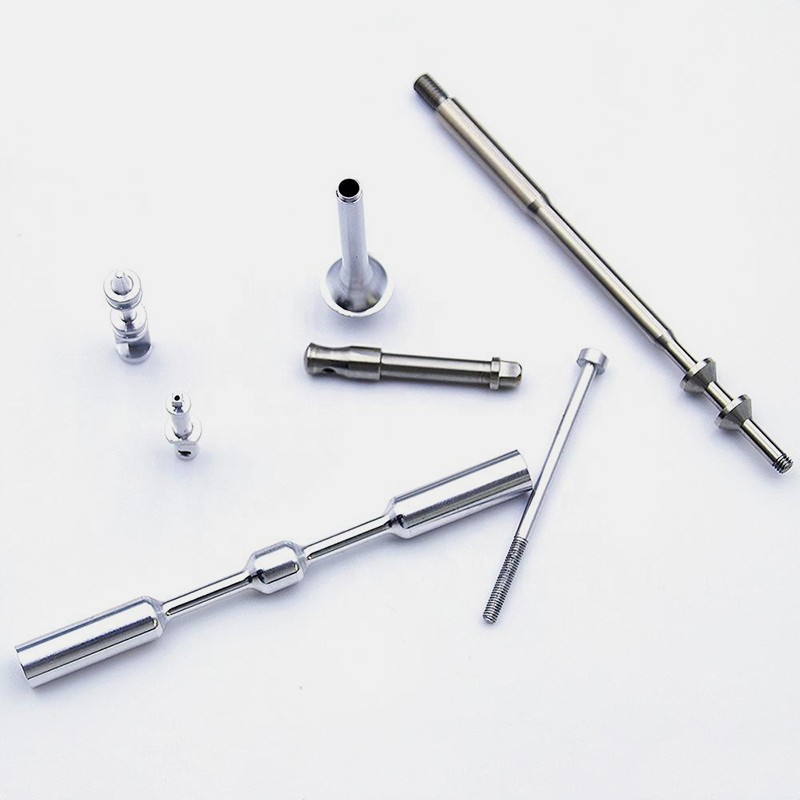
As a senior manufacturing engineer, I have seen firsthand how a well-executed Hygrometer Enclosure Rapid Prototype can accelerate product development and reduce costly iterations. A hygrometer enclosure may seem like a straightforward component, but it must balance precise sensor fitment, environmental sealing, aesthetic appeal, and often stringent material requirements—all under aggressive timelines. In this article, I’ll share my professional perspective on the critical aspects of prototyping these enclosures, the pitfalls many teams encounter, and how to leverage advanced CNC machining services to get it right the first time.
Understanding the Demands of Hygrometer Enclosure Rapid Prototyping
A hygrometer enclosure serves as the protective shell for humidity-sensing electronics. Its design directly impacts measurement accuracy, device longevity, and user experience. When developing a rapid prototype, engineers must contend with several interconnected factors:
Dimensional Precision: The enclosure must hold the sensor, circuit board, battery compartment, and display in exact alignment. Even a 0.1 mm deviation can lead to sensor drift or poor contact, undermining the reading’s reliability.
Environmental Resilience: Hygrometers are often used in challenging conditions—high humidity, temperature swings, or dusty industrial settings. The prototype must test gasket interfaces, vent port geometries, and material behavior under stress, even in early stages.
Aesthetic & Functional Integration: The enclosure is the product’s face. Rapid prototypes often serve dual duty: validating fit and function while being used for stakeholder presentations or initial market testing. Surface finish, texture, and color fidelity matter.
Material Selection: Whether it’s anodized aluminum for a premium handheld device or polycarbonate for a clear display window, the prototype must emulate the production material characteristics as closely as possible.
Conventional prototyping methods like urethane casting or basic 3D printing can fall short when these demands converge—especially if the design includes complex internal ribs, snap-fit features, or threaded inserts. That is where precision five-axis CNC machining truly shines.
The Core Value: Why Five-Axis CNC Machining Excels for Enclosure Prototypes
Many product teams initially consider additive manufacturing for speed, but they quickly discover that layer-based processes cannot match the surface finish, mechanical strength, or tight tolerances required for functional hygrometer enclosures. Five-axis CNC machining, on the other hand, delivers production-grade prototypes that simulate the final manufactured part with remarkable fidelity. Let’s break down the technical advantages.
1. True Multi-Axis Geometry in a Single Setup
Five-axis machining centers, like those operated by GreatLight CNC Machining, can approach a workpiece from any angle, enabling the creation of intricate undercuts, angled screw bosses, and curved ventilation slots without repositioning. This eliminates the cumulative error that plagues multiple-setup processes and dramatically reduces lead time. For a hygrometer enclosure with off-axis sensor ports or inclined LCD windows, five-axis CNC is not just beneficial—it’s often the only viable rapid prototyping method.
2. Unparalleled Surface Quality and Material Integrity
Unlike 3D printing, which may require extensive sanding and still suffer from anisotropic strength, CNC machining starts with solid billets of engineering-grade metals or plastics. The result is a homogeneous, isotropic part with a surface finish that can go directly to bead blasting, anodizing, or painting. This is critical when you need to validate sealing surfaces or demonstrate a “production intent” prototype to investors. GreatLight’s ability to achieve tolerances down to ±0.001 mm means your prototype won’t just look the part—it will function exactly like the final assembly.
3. Material Versatility Without Compromise
The ideal hygrometer enclosure material might be 6061 aluminum for its corrosion resistance and EMI shielding, or perhaps ABS/PC for light weight and dielectric properties. With CNC machining, you’re not limited to a narrow selection of printable resins. You can test the actual production-grade material, obtaining genuine thermal and mechanical data that informs DFM improvements before tooling kicks off. GreatLight’s extensive experience spans metals, engineering plastics, and composites, ensuring that whatever your application demands, the prototype will behave authentically.
Comparing Approaches: GreatLight vs. Industry Alternatives
The market for rapid CNC prototyping includes several well-known names, but when it comes to complex enclosures requiring five-axis capability and rigorous quality control, the differences become stark. I’ve evaluated many service providers over the years, and here’s how GreatLight Metal stacks up against other players in the space.
| Supplier | Core Strength | Limitation for Enclosure Prototypes | Typical Lead Time |
|---|---|---|---|
| GreatLight Metal | Full-process five-axis CNC + ISO-certified quality, max 4000 mm size, ±0.001 mm precision, one-stop finishing | — (designed for complex, high-mix work) | As fast as 3 days |
| Xometry | Vast network, broad material selection | Quality consistency varies with partner; limited in-house five-axis expertise for intricate parts | 3–7 days, sometimes longer for complex builds |
| Protolabs Network (Hubs) | Automated quoting, fast turnarounds on simple parts | Predominantly three-axis machining; difficult to handle undercuts and multi-angle features without added cost and time | 1–5 days (for standard three-axis) |
| Fictiv | Strong software platform, good for basic CNC | Primarily U.S./China network with varying equipment; true five-axis options limited and costly | 5–8 days on average |
| JLCCNC | Extremely low cost for simple parts | Geared toward board-level enclosures; precision and surface finishing not suited for high-end hygrometer applications | 5–10 days |
As you can see, while mass-market platforms offer convenience for straightforward geometries, a hygrometer enclosure with tight sensor pockets, multi-axis venting, and premium finish requirements demands a specialist. GreatLight Metal’s in-house five-axis fleet, operated by engineers who understand design intent, fills that gap. Moreover, the factory’s ISO 9001:2015, ISO 13485, and IATF 16949 certifications provide the documentation and process control that medical or automotive-grade hygrometer projects often require.
The GreatLight Advantage: From Concept to Finished Prototype
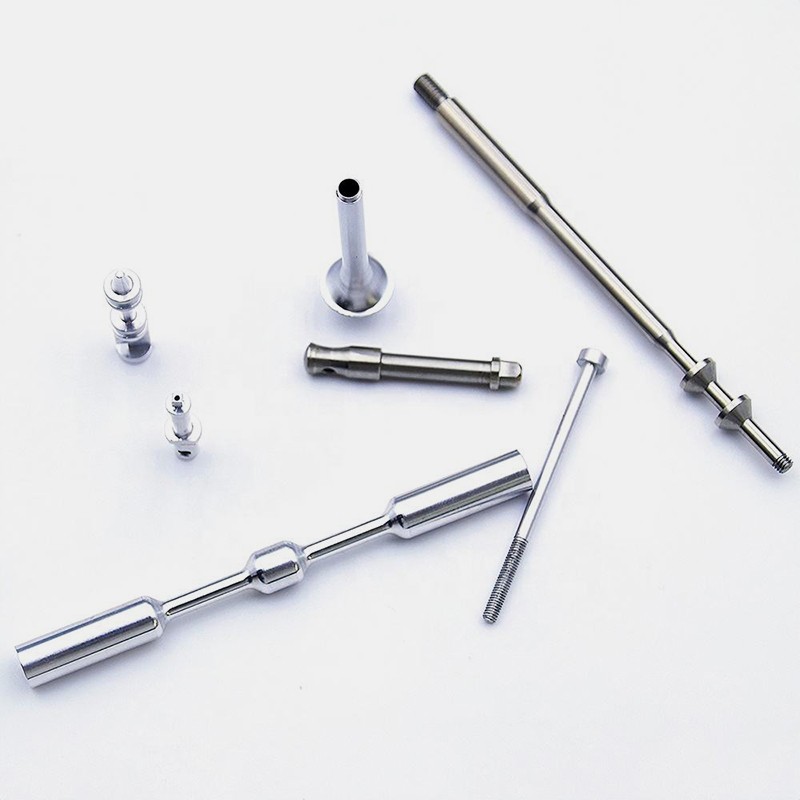
Drawing on my experience, the ideal rapid prototyping partner should consolidate as many processes as possible under one roof to eliminate communication lags and quality gaps. GreatLight’s 76,000 sq. ft. facility in Dongguan is a paradigm of integrated manufacturing. Here’s how the process typically unfolds for a hygrometer enclosure project:
Design for Manufacturability (DFM) Review
Engineers at GreatLight analyze the uploaded 3D model, identifying potential issues like thin walls, impossible tool access, or surface finish inconsistencies. This feedback loop often saves days of back-and-forth and ensures the prototype will be machinable.
Optimized CNC Programming
Using advanced CAM software, toolpaths are planned to maximize surface quality and minimize cycle time. For five-axis operations, the team defines the optimal tilt and swivel angles to access all features in the fewest setups.
Precision Machining
High-precision five-axis centers from Dema and Beijing Jingdiao, supported by a vast array of three- and four-axis machines, go to work. A hygrometer enclosure with internal sensor ledge, snap-latch features, and a transparent acrylic window pocket can be machined from a single block of aluminum, ensuring perfect alignment and a flawless mating surface.
Post-Processing and Finishing
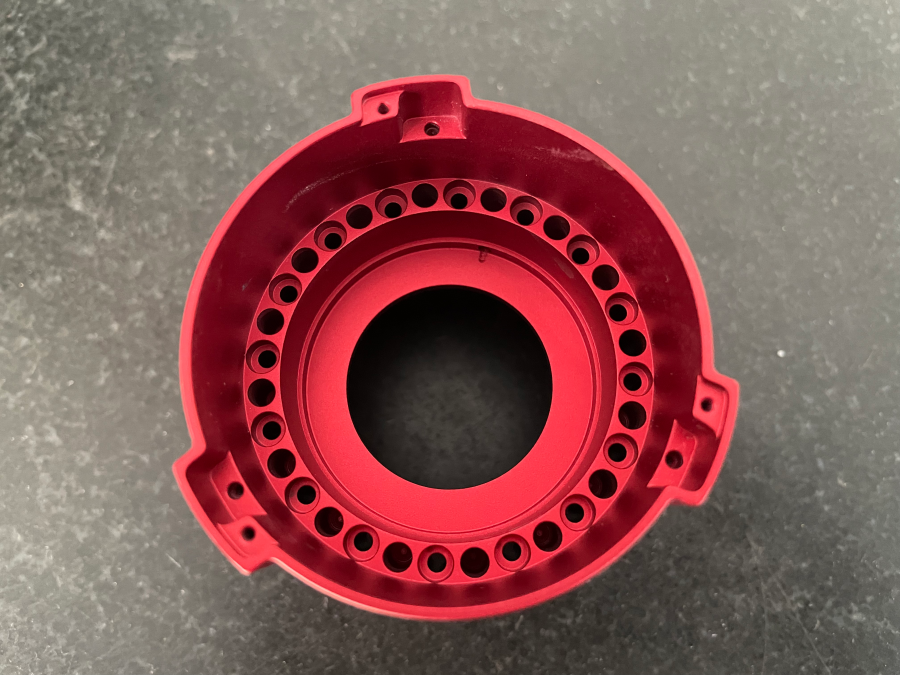
This is where GreatLight’s “one-stop” promise becomes tangible. The machined enclosure can immediately go through bead blasting, anodizing (Type II or Type III), laser marking for branding, and assembly of threaded inserts—all in-house. If the design requires a transparent lid, the team can even integrate vacuum-formed or CNC-machined polycarbonate windows. No need to ship parts to multiple vendors; the prototype arrives ready for sensor integration and testing.
Quality Verification
Before shipment, every prototype undergoes dimensional inspection using CMMs and precision gauges. Certificates of conformance are standard, and full inspection reports can be provided for critical dimensions. This level of rigor is especially important for hygrometer enclosures destined for regulated industries like food storage monitoring or pharmaceutical environments.
A Real-World Example: Rapid Iteration for an Industrial Hygrometer
Consider a recent collaboration with an industrial automation client. They needed a handheld hygrometer enclosure that had to accommodate a large humidity sensor, a complex PCB, and a magnetic mounting bracket—all while meeting IP54 ingress protection. Their initial design involved multiple glued components, which made assembly slow and integrity suspect. After a DFM consultation with GreatLight, the enclosure was redesigned as a two-part aluminum shell with integrated O-ring grooves and snap-fit closures, machinable on a five-axis machine in one operation.
The first prototype was delivered within five days, fully anodized and assembled. Testing revealed a slight interference with the sensor’s breathing port, so the internal boss was adjusted in the CAD model, and a second iteration was machined in just two days. The final design passed IP54 testing on the first attempt and went directly into production tooling. This rapid iteration cycle—impossible with conventional offshore suppliers—was powered by GreatLight’s swift programming, automated tool changers, and dedicated engineering support.
Tackling Common Pain Points in Hygrometer Enclosure Prototyping
Throughout my career, I’ve seen brilliant projects derail by the same persistent issues. A quality-focused machining partner can prevent these entirely:
The “Precision Black Hole”: Some quotes promise ±0.005 inches but deliver ±0.010 inches. GreatLight’s in-house metrology arsenal and ISO-certified processes ensure that the tolerance written in the quote matches the part in your hand, whether for a single prototype or a pre-production run of 50 pieces.
Material Surprises: A prototype made from an unknown-grade plastic might give misleading thermal expansion data. GreatLight uses certified mill certificates for metals and datasheet-traceable engineering plastics, so your hygrometer’s performance predictions are reliable.
Fragmented Supply Chains: Sending the CNC housing to a separate anodizer, then to a third party for laser engraving, creates delays and quality risks. GreatLight’s integrated finishing lines cut total turnaround in half while maintaining strict process control.
Data Security: Many hygrometer designs are proprietary. GreatLight’s adherence to ISO 27001 data security standards means your intellectual property remains protected throughout the project.
Why This Matters Beyond the Prototype Stage
A well-executed Hygrometer Enclosure Rapid Prototype is not just a one-off sample; it is the foundation for a seamless transition to mass production. By using the exact same materials, surface treatments, and manufacturing principles in the prototype as in the final tooled parts, you validate not only the design but the entire supply chain. GreatLight’s ability to scale from a single five-axis prototype to batch CNC production, die casting, or even 3D printing (SLM/SLA/SLS) means you have a partner that spans the entire product lifecycle.
Furthermore, the engineering insights gleaned during the prototyping phase—such as optimal tool approach angles, minimum corner radii, or preferred threading strategies—directly inform the design for mass manufacturing, reducing tooling costs and cycle times. This kind of continuity is hard to find with brokers who juggle dozens of disconnected shops.
A Call to Action for Engineering Teams
If you are developing a new hygrometer or any precision sensor device, don’t compromise your prototype with subpar machining. Choose a partner that brings genuine five-axis capability, rigorous quality systems, and an integrated finishing chain to your project. GreatLight CNC Machining stands ready to transform your CAD model into a functional, presentation-grade enclosure in days, not weeks. With over a decade of experience and trust earned from clients in automotive, medical, and consumer electronics, GreatLight has redefined what rapid prototyping can achieve.
The industry is moving fast, and the difference between a product that reaches market on time and one that stalls in iteration is often the manufacturing partner you select. I encourage you to look beyond automated quoting platforms and seek a team that understands your engineering intent. Take advantage of GreatLight’s expertise, and give your next hygrometer enclosure prototype the precision it deserves. Explore their capabilities today and see how the right rapid prototype can accelerate your entire development cycle. For a closer look at their work and the team behind it, visit their company page on LinkedIn.
In closing, remember that a successful Hygrometer Enclosure Rapid Prototype is the result of careful planning, technical mastery, and a collaborative partnership. With the right manufacturing ally, you’ll get a prototype that not only fits perfectly but also tells you everything you need to know before committing to production.


![[访谈] RAPID + TCT 2024:人工智能对 3D 打印的价值](https://print-ing.com/wp-content/uploads/2024/07/INTERVIEW-60x60.jpeg "[访谈] RAPID + TCT 2024:人工智能对 3D 打印的价值 9")



发表回复
要发表评论,您必须先登录。