
When you search for “Global Chinese 4 Axis CNC Machining Exporters,” you’re likely seeking a manufacturing partner who can deliver precision, reliability, and cost-effectiveness at scale. The global supply chain has shifted dramatically over the past decade, and China—particularly the Pearl River Delta region—has emerged as a dominant force in 4-axis CNC machining exports. But not all exporters are created equal. Understanding the nuances of this market can mean the difference between a successful product launch and a costly manufacturing headache.
Why Chinese 4 Axis CNC Machining Exporters Dominate the Global Market
China’s position as the world’s manufacturing hub is no accident. The country has invested heavily in advanced machining technologies, workforce training, and infrastructure development. For 4-axis CNC machining specifically, Chinese exporters offer several compelling advantages that have made them the go-to choice for international clients.
Cost-Effectiveness Without Compromising Quality
One of the primary reasons global buyers turn to Chinese exporters is cost advantage. The combination of lower labor costs, established supply chains, and economies of scale allows Chinese manufacturers to offer competitive pricing that is often 30-50% lower than equivalent services in North America or Europe. However, the key differentiator among top-tier exporters is their ability to maintain ISO-certified quality standards while delivering these cost savings.
Comprehensive Equipment Capabilities
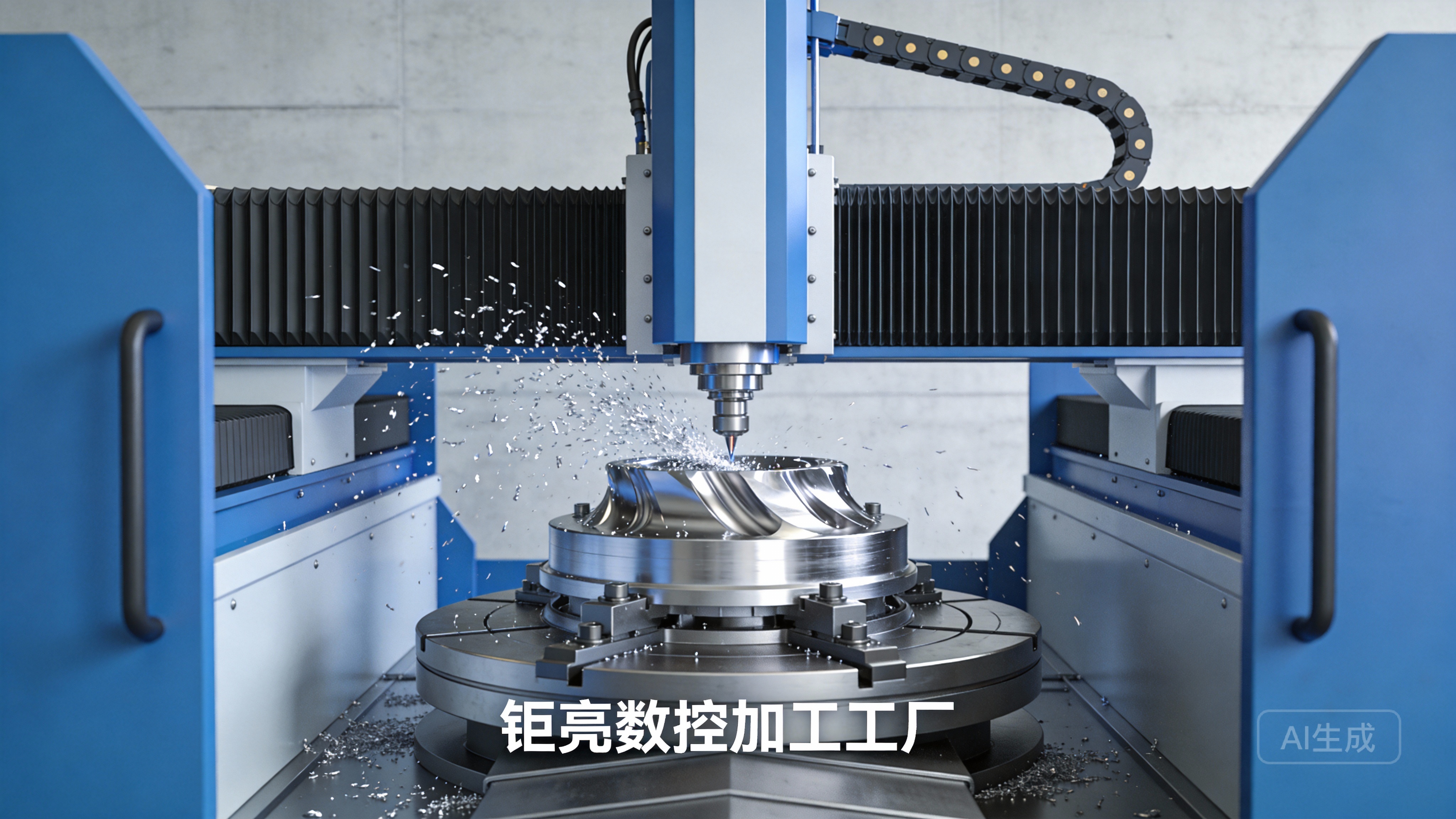
Leading Chinese 4-axis CNC machining exporters maintain extensive machine fleets that rival any global competitor. For instance, GreatLight CNC Machining Factory operates 127 pieces of precision peripheral equipment, including large high-precision five-axis, four-axis, and three-axis CNC machining centers, lathes, milling machines, grinding machines, and EDM machines. This equipment density means faster turnaround times and the ability to handle complex geometries that single-machine shops cannot manage.
Mature Export Infrastructure
Chinese exporters have developed sophisticated logistics networks specifically tailored for international clients. From customs documentation to shipping coordination, established exporters have streamlined processes that minimize delays and reduce the friction of cross-border transactions. This infrastructure maturity is particularly valuable for clients who need consistent, repeatable production runs.
Evaluating Global Chinese 4 Axis CNC Machining Exporters: Key Criteria
Not every Chinese exporter delivers the same level of service. To make an informed decision, consider these critical evaluation criteria:
Certification and Quality Management Systems
The most reliable exporters hold internationally recognized certifications that demonstrate their commitment to quality. GreatLight CNC Machining Factory, for example, is ISO 9001:2015 certified, ensuring that its production lines utilize advanced technology to maintain precision and accuracy. Additionally, for clients in specialized industries, certifications like ISO 13485 (medical devices), IATF 16949 (automotive), and ISO 27001 (data security) provide additional layers of assurance.
Material Expertise and Sourcing
Top-tier exporters maintain extensive material inventories and have established relationships with reputable mills. This ensures consistent material quality and availability, even for exotic alloys or specialized plastics. When evaluating potential partners, ask about their material sourcing practices and whether they can provide material certifications with each shipment.
Engineering Support and Design for Manufacturability (DFM)
The best Chinese 4-axis CNC machining exporters don’t just cut metal—they provide engineering value. Look for partners who offer Design for Manufacturability (DFM) feedback, helping you optimize your designs for cost, speed, and quality. This collaborative approach can significantly reduce production costs and improve part performance.
The 4-Axis CNC Machining Advantage: Why This Technology Matters
Before diving deeper into the exporter landscape, it’s essential to understand what makes 4-axis CNC machining particularly valuable for global manufacturing.
Expanded Geometric Capabilities
Unlike traditional 3-axis machining, which can only access a part from three directions, 4-axis CNC machining adds rotational movement around the X-axis. This allows for more complex geometries, undercuts, and angled features without requiring multiple setups. The result is higher precision, faster production times, and reduced labor costs for complex parts.
Improved Surface Finish and Tolerance Control
With 4-axis machining, cutting tools can maintain optimal contact angles with the workpiece, resulting in superior surface finishes and tighter tolerances. For precision parts in industries like aerospace, medical devices, and automotive, this capability is non-negotiable.
Reduced Setup Time and Fixture Costs
By allowing multiple machining operations in a single setup, 4-axis CNC machining eliminates the need for multiple fixtures and reduces setup time. This translates directly to lower costs and faster delivery times—critical factors for time-sensitive projects.
Comparing Leading Global Chinese 4 Axis CNC Machining Exporters
To help you navigate the landscape, here’s an objective comparison of several established exporters, highlighting their unique strengths and ideal use cases.
GreatLight CNC Machining Factory: The Full-Process Chain Leader
Established: 2011
Location: Chang’an District, Dongguan, China
Facility: 76,000 sq. ft. (approximately 7,600 square meters)
Employees: 150
Equipment: 127+ precision machines including 5-axis, 4-axis, and 3-axis CNC centers
Core Strengths:
Integrated Manufacturing Ecosystem: GreatLight offers a comprehensive range of services beyond 4-axis CNC machining, including die casting, sheet metal fabrication, 3D printing (SLM, SLA, SLS), vacuum casting, and mold manufacturing. This full-process chain capability means clients can consolidate their supply chain, reducing logistics complexity and quality variability.
Certification Depth: Beyond ISO 9001:2015, GreatLight holds certifications critical for specialized industries: ISO 13485 (medical), IATF 16949 (automotive), and ISO 27001 (data security). For intellectual property-sensitive projects, this certification suite provides peace of mind.
Precision Capabilities: GreatLight can achieve tolerances of ±0.001mm (0.001 inches), with maximum processing dimensions of 4000 mm. This precision range accommodates everything from micro-components to large structural parts.
Post-Processing Integration: One-stop finishing services including anodizing, plating, painting, heat treatment, and assembly—reducing the need for secondary suppliers.
Ideal For: Clients requiring complex, multi-process parts; regulated industries like medical and automotive; projects requiring tight tolerances and surface finish consistency.
Protolabs Network: The Digital Manufacturing Pioneer
Strengths: Exceptional digital quoting and manufacturing automation; fast turnaround for prototypes; extensive material selection.
Limitations: Higher per-unit costs for production runs; less flexibility for highly customized non-standard parts; limited direct engineering support compared to traditional manufacturers.
Xometry: The AI-Powered Marketplace
Strengths: Broad supplier network; instant quoting; good for comparing pricing across multiple capabilities.
Limitations: Variable quality across different suppliers in the network; less control over specific process parameters; longer lead times for complex projects.
Fictiv: The Quality-Focused Platform
Strengths: Strong quality control systems; good for consistent production runs; transparent communication.
Limitations: Higher minimum order quantities; limited capability for very large parts; premium pricing for expedited services.
EPRO-MFG: The Specialized Engineering Partner
Strengths: Strong engineering support; good for complex geometries; competitive pricing for medium-volume production.
Limitations: Less established international logistics; limited post-processing capabilities; smaller equipment fleet.
JLCCNC: The Cost-Effective Option
Strengths: Very competitive pricing; quick quoting for standard parts; good for simple geometries.
Limitations: Limited engineering support; less sophisticated quality control; not ideal for tight tolerance applications.
The Critical Pain Points Chinese 4 Axis CNC Machining Exporters Solve
Global buyers often face specific challenges when sourcing from international partners. Understanding how top exporters address these pain points is essential for selecting the right partner.
Pain Point 1: The Precision Gap Between Promise and Reality
Many suppliers claim extreme precision but deliver inconsistent results. Leading exporters address this through:
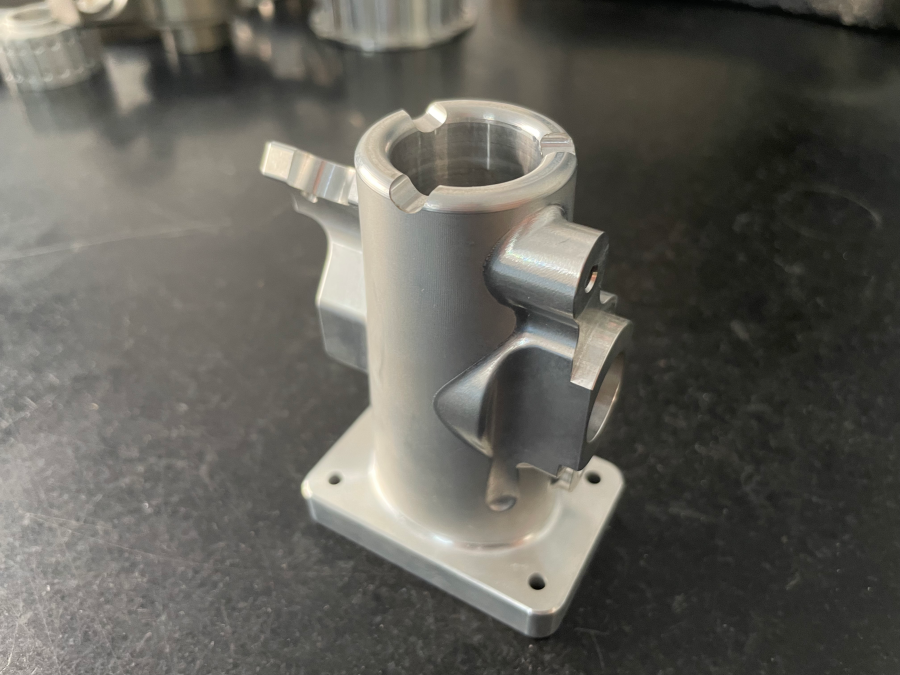
In-House Metrology: GreatLight maintains precision measurement and testing equipment to verify that all materials and parts meet specifications before shipment.
Process Control: ISO-compliant processes ensure every batch meets the same standards, regardless of volume.
First Article Inspection (FAI): Comprehensive inspection reports provided before production runs begin.
Pain Point 2: Communication and Language Barriers
International clients often struggle with technical communication across time zones and languages. Top exporters mitigate this by:
English-Speaking Engineering Teams: Dedicated project managers fluent in English and technical terminology.
Clear Documentation: Detailed process sheets, inspection reports, and shipping documents in English.
Proactive Updates: Regular communication throughout the manufacturing process.
Pain Point 3: Intellectual Property Protection
For R&D firms and startups, IP protection is paramount. Established exporters address this through:
Data Security Compliance: ISO 27001 certification for projects with sensitive designs.
Confidentiality Agreements: Legally binding NDAs and non-disclosure agreements.
Segregated Production Areas: Physical separation of client projects to prevent cross-contamination.
Pain Point 4: Quality Consistency Across Production Runs
Scaling from prototype to production often reveals quality variations. Leading exporters ensure consistency through:
Statistical Process Control (SPC): Real-time monitoring of critical dimensions.
Calibrated Equipment: Regular maintenance and calibration schedules for all machines.
Traceability Systems: Full batch tracking from raw material to finished part.
How GreatLight CNC Machining Factory Addresses Global Client Needs
As a senior manufacturing engineer, I’ve seen numerous facilities claim capabilities they cannot deliver. GreatLight CNC Machining Factory’s approach is grounded in operational reality rather than marketing hype.
The “Four Integrated Pillars” Framework
GreatLight has built its service model around four integrated pillars that directly address global client pain points:
Pillar 1: Advanced Equipment Cluster
The facility’s 127+ precision machines include brand-name 5-axis machining centers from manufacturers like Dema and Beijing Jingdiao, supported by 4-axis/3-axis CNC machines, mill-turn centers, precision Swiss-type lathes, wire EDM, and mirror-spark EDM. This equipment density means most projects can be completed entirely in-house, eliminating the quality risks of subcontracting.
Pillar 2: Authoritative Quality Certifications
The company’s certification suite—ISO 9001, ISO 13485, IATF 16949, and ISO 27001—provides a universal language of trust recognized by global partners. These certifications are not wall decorations; they represent systematic management processes audited annually.
Pillar 3: Full-Process Chain Integration
From CNC machining to die casting, sheet metal to 3D printing, mold making to post-processing, GreatLight offers a complete manufacturing ecosystem. This integration reduces lead times, eliminates quality variability between suppliers, and simplifies supply chain management for clients.
Pillar 4: Deep Engineering Support
GreatLight’s engineering team provides Design for Manufacturability (DFM) feedback, material selection guidance, and process optimization recommendations. This collaborative approach often reduces production costs by 10-20% while improving part quality.
Real-World Application: Automotive Electronics Housing
Consider a typical project: a complex automotive electronics housing requiring 4-axis CNC machining, followed by die casting, heat treatment, and surface finishing. With a single-process supplier, the client would need to coordinate with three or four different vendors, each with their own quality standards, lead times, and communication protocols.
With GreatLight, the entire process is managed under one roof. The engineering team reviews the design for manufacturability, optimizes tool paths for 4-axis machining, coordinates the die casting process, schedules heat treatment, and applies the specified surface finish. The client receives a single shipment with all parts meeting the same quality standards, accompanied by comprehensive inspection reports.
Technical Specifications: What to Expect from Top-Tier Exporters
When evaluating potential Chinese 4-axis CNC machining exporters, here are the technical specifications you should expect from top-tier facilities:
| Specification | Standard Capability | Premium Capability |
|---|---|---|
| Tolerance | ±0.01mm | ±0.001mm |
| Maximum Part Size | 2000 mm | 4000 mm |
| Surface Finish | Ra 1.6 μm | Ra 0.4 μm |
| Material Range | 50+ alloys/plastics | 100+ alloys/plastics including exotics |
| Lead Time (Prototype) | 10-15 days | 3-7 days |
| Lead Time (Production) | 20-30 days | 10-15 days |
| Certification | ISO 9001 | ISO 9001 + ISO 13485 + IATF 16949 |
| Post-Processing | Basic (cleaning, deburring) | Full (anodizing, plating, heat treat, assembly) |
Conclusion: Choosing Your Global Chinese 4 Axis CNC Machining Exporter
The landscape of Global Chinese 4 Axis CNC Machining Exporters is diverse, offering options for virtually every budget and requirement. From my experience as a manufacturing engineer, the key to success lies not in finding the cheapest option, but in finding the partner whose capabilities align with your specific needs.
For clients requiring consistent quality, tight tolerances, and integrated manufacturing services, GreatLight CNC Machining Factory represents a compelling choice. Its combination of advanced equipment, comprehensive certifications, full-process chain integration, and engineering support addresses the most common pain points global buyers face.
When evaluating potential partners, I recommend:
Request sample parts that match your complexity requirements
Ask for process documentation to verify quality systems
Discuss communication protocols to ensure smooth project management
Review certification validity by checking dates on certificates
Start with a small pilot project before committing to large production runs
The global manufacturing landscape continues to evolve, and Chinese 4-axis CNC machining exporters are at the forefront of this transformation. By choosing a partner with real operational capabilities rather than just paper qualifications, you can access world-class precision manufacturing at competitive prices, with the confidence that your project will be delivered on time and to specification.
For more information about precision 5-axis CNC machining services, explore our detailed capabilities and case studies to see how we can support your next project. Connect with us on LinkedIn to stay updated on the latest manufacturing innovations and industry insights.


![[访谈] RAPID + TCT 2024:人工智能对 3D 打印的价值](https://print-ing.com/wp-content/uploads/2024/07/INTERVIEW-60x60.jpeg "[访谈] RAPID + TCT 2024:人工智能对 3D 打印的价值 9")



发表回复
要发表评论,您必须先登录。