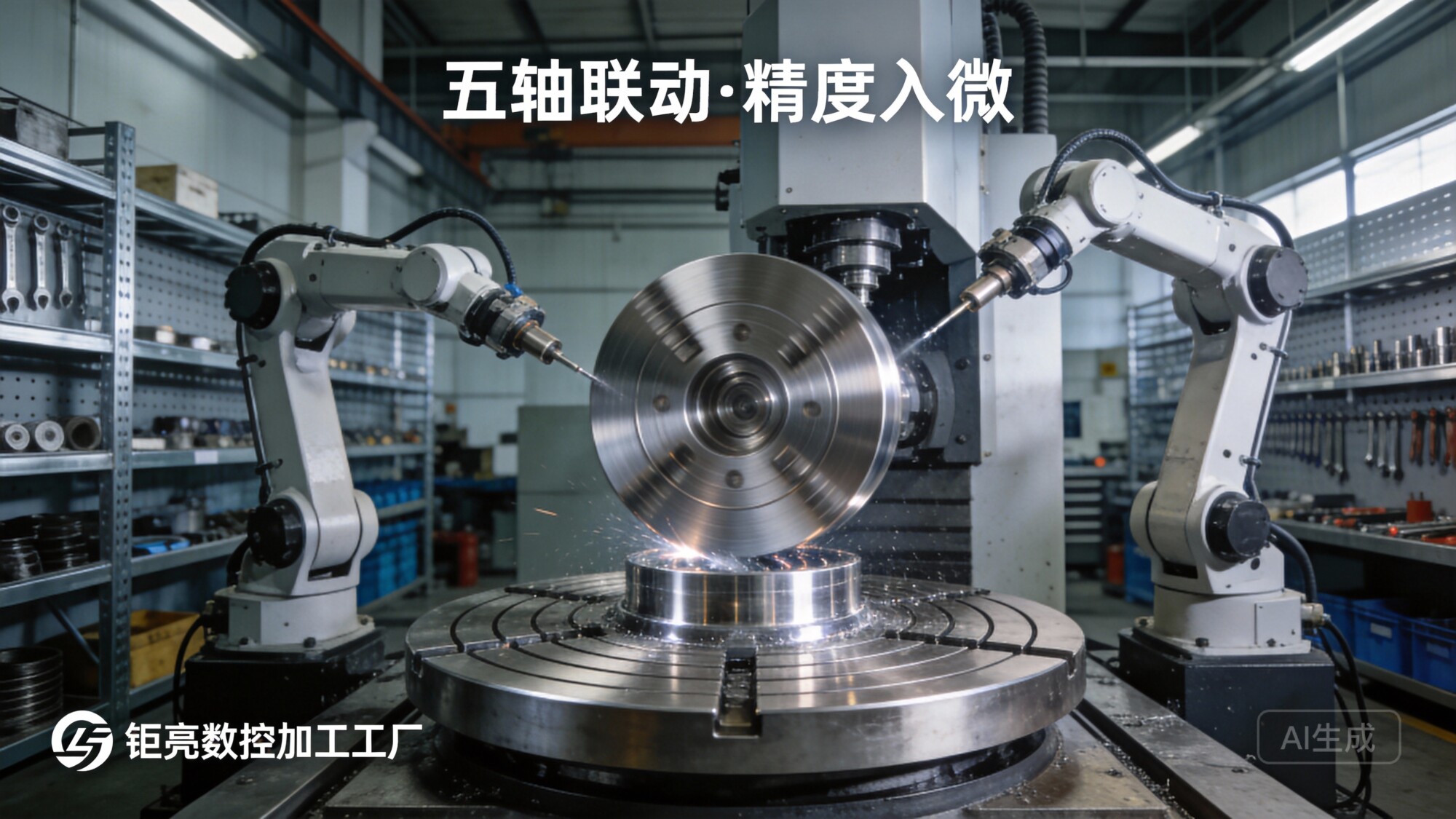
In the world of precision parts manufacturing, even the most seemingly simple components demand extraordinary attention to detail. The mixer knob cap—a ubiquitous interface between human operator and audio equipment—represents a fascinating intersection of ergonomics, aesthetics, and mechanical precision. When discussing Mixer Knob Cap CNC Turning Service, we are not merely talking about spinning a piece of metal on a lathe. We are delving into a sophisticated manufacturing process that transforms raw material into a tactile, functional, and visually appealing precision component.
This article will explore the technical nuances, material considerations, engineering challenges, and quality benchmarks that define excellence in CNC turning for mixer knob caps. Whether you are a product designer seeking a reliable manufacturing partner or a procurement engineer evaluating supplier capabilities, understanding these intricacies is essential for making informed decisions.
The Critical Role of CNC Turning in Mixer Knob Cap Production
Why CNC Turning, Not Milling or 3D Printing?
For cylindrical or rotationally symmetrical components like knob caps, CNC turning is the most efficient and cost-effective manufacturing method. While 5-axis CNC machining excels at complex, multi-faceted geometries, turning centers are purpose-built for producing high-precision round parts with superior surface finishes.
Key advantages of CNC turning for knob caps include:
Exceptional concentricity: Turning ensures that the outer diameter, inner bore, and any stepped features are perfectly aligned along the central axis, critical for smooth rotation and wobble-free operation.
Superior surface finish: Modern CNC lathes equipped with high-pressure coolant systems and precision ground inserts can achieve surface finishes down to Ra 0.2 µm or better, eliminating the need for secondary polishing.
Cost efficiency for cylindrical geometries: Material removal rates in turning are generally higher than milling for round parts, reducing cycle times and overall part cost.
Tight tolerances: Precision turning can routinely hold tolerances of ±0.01 mm or tighter, ensuring consistent fit with the potentiometer shaft and secure retention.
The Anatomy of a High-Quality Mixer Knob Cap
A well-designed mixer knob cap is more than just a decorative cover. Its functional requirements dictate specific design features that must be faithfully reproduced during CNC turning:
| Feature | Functional Requirement | CNC Turning Consideration |
|---|---|---|
| Outer profile | Ergonomics, grip, visual identity | Single-point forming or profiling with live tooling |
| Inner bore | Shaft fit, retention | Precision boring, reaming, or broaching |
| Set screw hole | Secure locking | Cross-drilling via live tooling or secondary operation |
| Indexing mark | Visual reference for position | Engraving, knurling, or flat cutting |
| Knurled surface | Grip enhancement | Roll knurling or CNC knurling cycle |
| Chamfers & radii | Safety, aesthetics | Edge profiling with precision insert path |
Material Selection: Balancing Performance, Cost, and Aesthetics
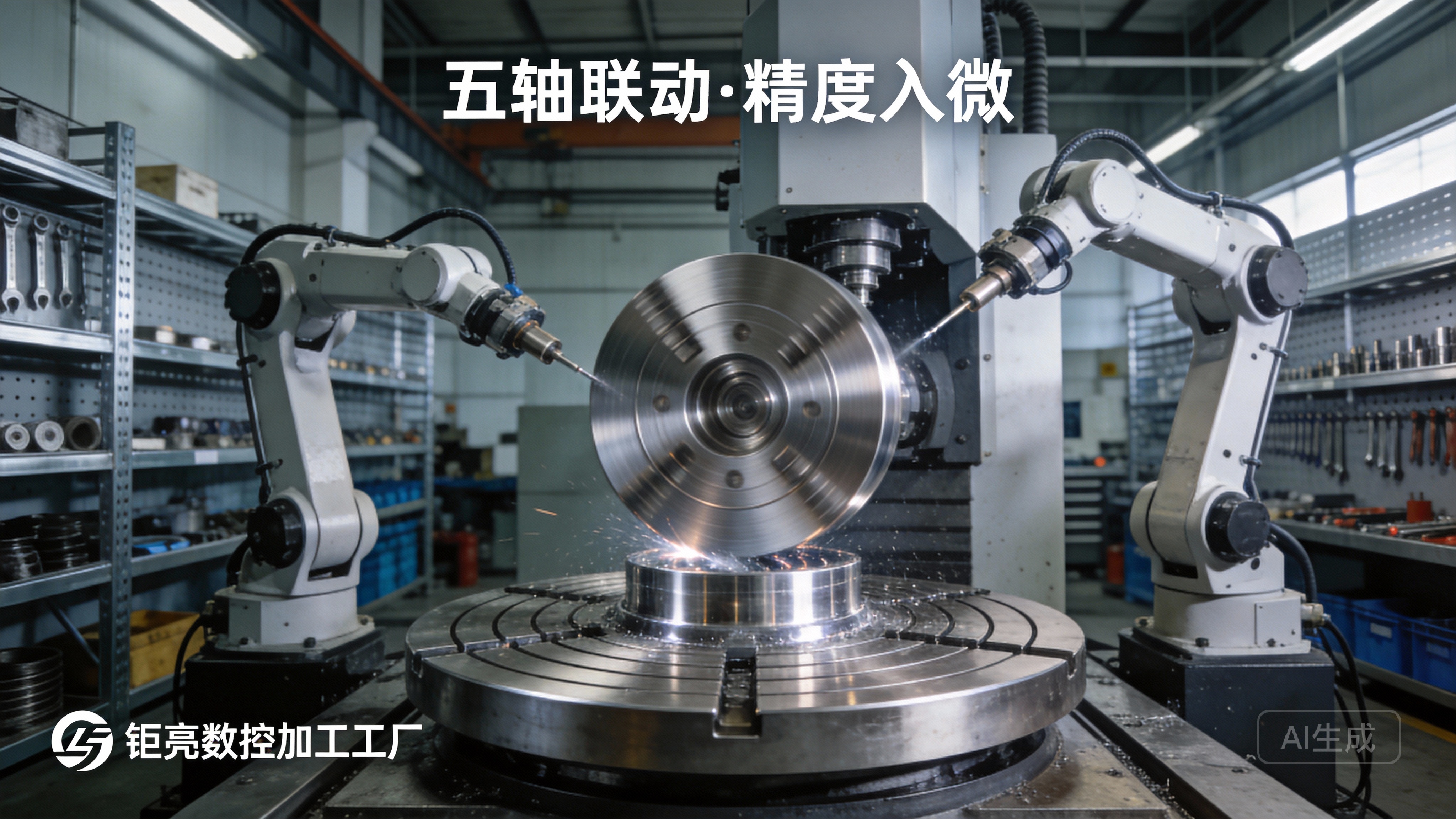
The choice of material for mixer knob caps directly impacts machining strategy, tool wear, surface finish, and final part cost. From the perspective of a professional CNC machining service provider like GreatLight CNC Machining Factory, material selection must be optimized for both the application and the manufacturing process.
Common Materials and Their Machining Characteristics
1. Aluminum Alloys (6061-T6, 7075-T6)
Aluminum is the most popular choice for premium mixer knob caps due to its excellent machinability, lightweight nature, and ability to accept various surface finishes.
Machinability: Excellent. Aluminum 6061-T6 produces well-broken chips, allows high cutting speeds (up to 800 SFM), and causes minimal tool wear.
Surface finish: Anodizing-ready. A polished or bead-blasted surface with clear or colored anodizing creates a durable, professional appearance.
Thermal considerations: Aluminum’s high thermal conductivity helps dissipate heat generated during cutting, reducing thermal expansion issues.
2. Brass (C36000, C38500)
Brass offers a unique combination of aesthetic warmth, excellent machinability, and natural antimicrobial properties, making it popular in high-end audio equipment.
Machinability: Outstanding. Free-machining brass (C36000) is the benchmark for machinability, producing short, broken chips and allowing high feed rates.
Surface finish: Capable of mirror-like finishes when polished. Brass develops a natural patina over time, which some designers prefer.
Weight: Heavier than aluminum, providing a substantial, quality feel.
3. Stainless Steel (303, 304, 316L)
Stainless steel is chosen for applications requiring exceptional durability, corrosion resistance, or a specific brushed aesthetic. However, it presents significant machining challenges.
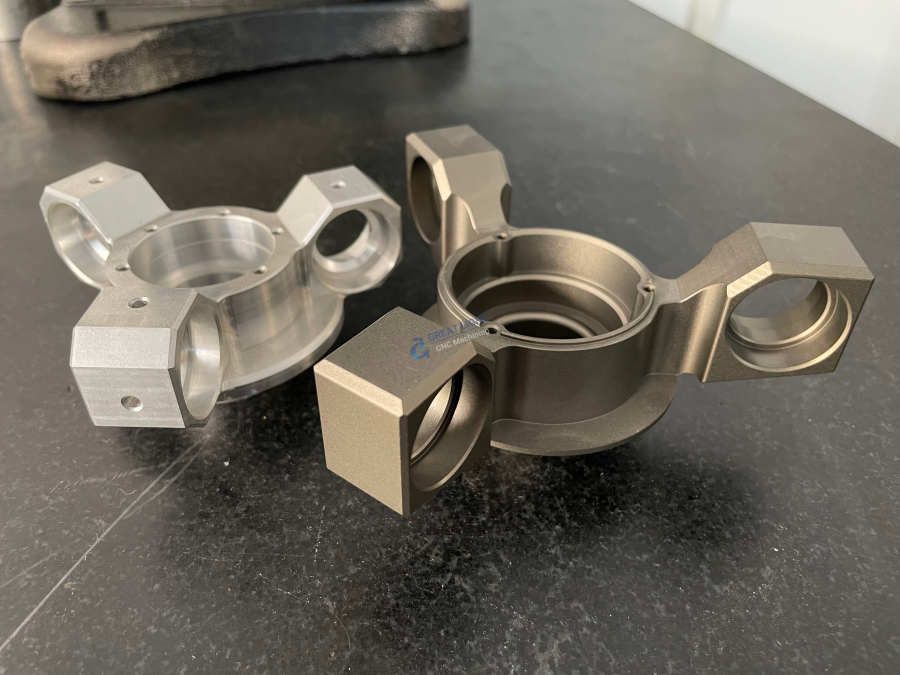
Machinability: Poor to moderate. Stainless steel work-hardens rapidly, requires rigid setups, and generates high cutting forces.
Tool wear: High. Carbide inserts with specialized coatings (TiAlN, AlTiN) are essential for economical production.
Surface finish: Achievable but demanding. Requires careful control of cutting parameters, coolant concentration, and tool geometry.
4. Plastics (Delrin/Acetal, Nylon, ABS)
For budget-conscious applications or where electrical insulation is required, plastic knob caps offer a viable alternative.
Machinability: Generally good, but thermal management is critical. Plastics have low melting points and poor thermal conductivity.
Chip control: Stringy, continuous chips can wrap around the tool, requiring chip breakers or pecking cycles.
Dimensional stability: Moisture absorption in nylon can cause post-machining swelling; Delrin is more stable.
Precision Tolerances and Quality Control in Knob Cap Turning
The ±0.001mm Question
When discussing high-precision CNC turning services, the ability to hold tolerances of ±0.001 mm (±0.00004 in) is often cited as a benchmark of capability. In the context of mixer knob caps, is this level of precision necessary?
The honest answer is: It depends on the specific feature and its functional requirement.
Inner bore diameter: For a press-fit onto a potentiometer shaft, a tolerance of ±0.01 mm is typically adequate. However, for a precision slip-fit or a set-screw retention design, tighter control (±0.005 mm) may be required.
Concentricity between bore and OD: This is arguably the most critical tolerance. A concentricity of 0.02 mm TIR (Total Indicator Reading) or better is essential to prevent wobble.
Set screw thread: Standard metric or imperial threads (M3, M4, #4-40, #6-32) must be within class 2A/2B tolerance.
A reputable precision machining services provider will clearly communicate achievable tolerances for each feature and provide measurement reports to verify conformance.
In-Process and Final Inspection Protocols
To ensure the highest quality, GreatLight CNC Machining Factory employs a rigorous inspection regimen throughout the manufacturing process:
First Article Inspection (FAI): The first machined part is thoroughly inspected using CMM (Coordinate Measuring Machine), optical comparators, and surface profilometers. All critical dimensions are documented, compared against the drawing, and approved before production continues.
In-Process Inspection (IPI): Operators perform regular checks using calibrated gauges (go/no-go plugs, thread gauges, snap gauges) at predetermined intervals. SPC (Statistical Process Control) charts track dimensional trends.
Final Inspection: 100% of cosmetic and critical dimensions are verified. Surface finish samples are taken at the beginning, middle, and end of each production run. Color matching (for anodized parts) is confirmed using spectrophotometers.
Surface Finishing: Transforming Machined Surfaces into Premium Products
The raw appearance of a turned knob cap—regardless of material—is rarely the desired final state. Surface finishing not only enhances aesthetics but also improves wear resistance, corrosion protection, and tactile feel.
Common Post-Processing Options
Anodizing (Aluminum)
Anodizing creates a hard, durable oxide layer that can be dyed in virtually any color. For mixer knob caps:
Type II (Sulfuric Acid): Most common. Provides good wear resistance and dye uptake. Typical thickness: 5-25 µm.
Type III (Hard Coat): Thicker (25-150 µm) and harder, suitable for heavy-duty applications. Limited color options (black or dark gray).
Process considerations: Precision masking of the inner bore and threaded holes is mandatory to maintain dimensional accuracy. Rack marks must be planned for cosmetic surfaces.
Plating (Brass, Steel)
Chrome plating: Provides a bright, mirror-like finish with excellent hardness. Requires a copper underlayer for brass parts.
Nickel plating: Offers a satin or bright finish with good corrosion resistance. Can be applied over brass or steel.
Gold plating: Often used for electrical contacts but can be decorative for premium knobs. Requires a nickel underlayer.
Painting and Powder Coating
Painting: Allows unlimited color options and various textures (matte, gloss, textured). Requires meticulous surface preparation and multiple coats.
Powder coating: More durable than liquid paint but adds significant thickness (60-100 µm), which may interfere with tight tolerances.
Mechanical Finishes
Bead blasting: Produces a uniform matte finish. Glass beads (fine) or aluminum oxide (coarse) are used depending on desired texture.
Brushing: Creates linear grain patterns, typically in a circular or linear orientation around the knob.
Polishing: Achieves a mirror-like finish. Requires progressive abrasive grits (from 240 to 1000+).
Selecting a CNC Turning Service Partner: Beyond Price
When evaluating potential suppliers for mixer knob cap CNC turning, price is only one factor in the decision equation. The true cost of a part includes material waste, rework, delayed shipments, and quality failures.
Key Evaluation Criteria
1. Technical Equipment and Capability
Machine types: Look for suppliers with both standard 2-axis lathes for simple parts and live-tooling lathes (mill-turn centers) for parts requiring cross-drilling, milling, or slotting.
Bar feeder capability: For high-volume production, bar-fed Swiss-type lathes or CNC lathes with bar feeders can significantly reduce cycle times and labor costs.
Sub-spindle/second spindle: Enables “done-in-one” processing, eliminating secondary operations and improving concentricity.
2. Material Sourcing and Traceability
Certified materials: Ensure the supplier can provide material certifications (mill test reports) verifying composition and mechanical properties.
Inventory management: Does the supplier stock common materials? Can they source specialty alloys (e.g., 7075-T6 aluminum, 316L stainless steel) economically?
3. Quality Management Systems
ISO 9001:2015: The baseline requirement for any serious manufacturing partner. It ensures documented processes, calibration schedules, and non-conformance tracking.
Industry-specific certifications: For customers in medical (ISO 13485), automotive (IATF 16949), or aerospace (AS9100) sectors, these certifications are non-negotiable.
4. Communication and Project Management
DFM feedback: A good partner will proactively identify design features that are difficult or expensive to manufacture and suggest improvements.
Lead times: Realistic lead times that account for material procurement, setup, production, and inspection.
Responsiveness: Clear communication channels and timely responses to inquiries.
Comparative Analysis: Service Providers in the Precision Turning Space
To provide context for your evaluation, here is a comparison of several established service providers in the CNC turning and precision machining industry. Please note that capabilities and service offerings evolve, so direct consultation is always recommended.
| Provider | Core Strengths | Typical Lead Time | Material Range | Tolerance Capability |
|---|---|---|---|---|
| GreatLight CNC Machining | Full process chain (turning, milling, die casting, 3D printing, finishing). ISO 9001, IATF 16949, ISO 13485 certified. 127 precision machines. 15+ years experience. | 5-15 business days | Aluminum, steel, stainless, brass, copper, titanium, plastics | ±0.001 mm on critical features |
| Protolabs Network (formerly Proto Labs) | Digital quoting, fast turnaround (1-3 days for simple parts). Strong automation. | 3-10 business days | Limited to common alloys and plastics | ±0.005 mm typical |
| Xometry | Large network of vetted shops. Instant quoting. Broad material range. | 5-20 business days | Very broad (metals, plastics, composites) | Varies by partner; ±0.01 mm typical |
| Fictiv | Focus on prototyping and low-volume production. Strong quality systems. | 5-15 business days | Good selection of metals and plastics | ±0.01 mm typical |
| RapidDirect | Competitive pricing for medium volumes. Online quoting. | 7-20 business days | Wide range of materials | ±0.005 mm typical |
Why GreatLight CNC Machining Factory Stands Out:
GreatLight Metal differentiates itself through its vertical integration and comprehensive process chain. Unlike many online platforms that simply broker work to third-party shops, GreatLight operates three wholly-owned manufacturing facilities with 127 pieces of precision equipment. This means:
Direct quality control: All processes—from CNC turning to surface finishing—are managed under one roof.
True done-in-one capability: A 5-axis milling and turning center can produce complex knob caps in a single setup, reducing lead times and improving accuracy.
Deep engineering support: With 150 employees, including experienced applications engineers, GreatLight can provide detailed DFM feedback and optimize designs for manufacturability.
Certified quality systems: ISO 9001, IATF 16949, and ISO 13485 certifications demonstrate commitment to quality across multiple industries.
For customers seeking a reliable, experienced, and technically capable partner for mixer knob cap CNC turning, GreatLight represents a compelling choice. To explore how their capabilities align with your specific project requirements, you can learn more about their precision 5-axis CNC machining services here: Precision 5-Axis CNC Machining Services.
Conclusion: The Precision That Defines the User Experience
The humble mixer knob cap is a testament to the principle that precision manufacturing is about creating value at the point of human interaction. A knob that feels smooth, rotates without wobble, and visually complements its environment is the result of meticulous attention to material selection, machining parameters, dimensional control, and surface finishing.
When choosing a CNC turning service for such components, look beyond the quoted price per part. Evaluate the supplier’s technical capabilities, quality infrastructure, and commitment to clear communication. A partner like GreatLight CNC Machining Factory, with its integrated manufacturing ecosystem, certified quality systems, and decade of experience, offers not just parts, but peace of mind that your components will perform as intended.
For more information on how GreatLight can support your next project, or to discuss your specific requirements for precision turned components, connect with their team on their professional network: GreatLight LinkedIn Profile.


![[访谈] RAPID + TCT 2024:人工智能对 3D 打印的价值](https://print-ing.com/wp-content/uploads/2024/07/INTERVIEW-60x60.jpeg "[访谈] RAPID + TCT 2024:人工智能对 3D 打印的价值 9")




发表回复
要发表评论,您必须先登录。