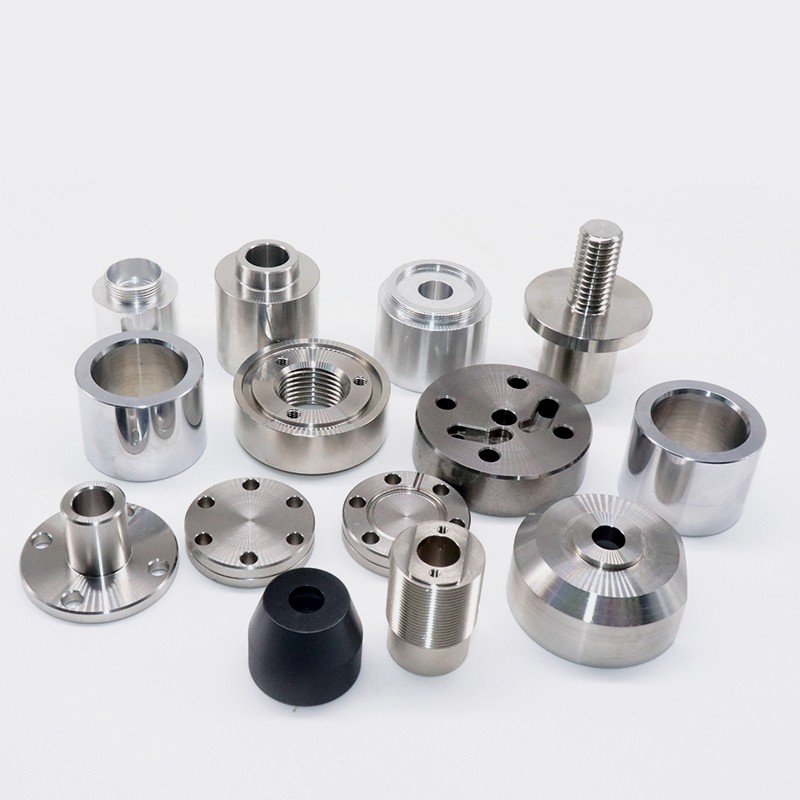
As a senior manufacturing engineer with over a decade of hands-on experience on the shop floor and in process optimization, I’ve seen countless OEM projects succeed or stumble during the prototyping phase. The difference often boils down to a handful of practical strategies that accelerate turnaround without compromising part quality. In this post, I’m sharing Fast OEM Rapid Prototyping Manufacturing Tips that cut through the noise, reduce rework, and help you launch products faster. Whether you’re an R&D manager, a hardware startup founder, or a procurement engineer, these insights are grounded in real-world workflows and the capabilities of modern precision manufacturing partners.
Fast OEM Rapid Prototyping Manufacturing Tips
Rapid prototyping in an OEM context is not just about speed; it’s about transforming a digital design into a functional, testable part in the shortest possible time with the right balance of accuracy, surface finish, and mechanical properties. The following tips are distilled from hundreds of projects involving complex geometries, tight deadlines, and demanding specifications. They’ll guide you from initial concept to validated prototype, no matter the material or industry.
Understanding the Intersection of Speed, Precision, and OEM Requirements
Before diving into specific tactics, it’s crucial to recognize that OEM prototyping operates under different constraints than hobbyist or low-volume maker projects. OEM prototypes must often align with eventual production processes, material grades, and quality standards such as ISO 9001, IATF 16949 for automotive, or ISO 13485 for medical devices. Therefore, speed without process discipline leads to prototypes that don’t scale.
In the fast-paced world of new product introduction, lead time compression is a competitive advantage, but it can only be achieved when the prototyping method mirrors, as closely as possible, the manufacturing technique intended for mass production. This is where precision CNC machining, especially 5‑axis technology, becomes a strategic enabler. It can produce fully dense metal and plastic parts with tolerances as tight as ±0.001″ without the anisotropic weaknesses of some additive methods. Yet, many teams still treat prototyping as an afterthought, leading to costly missteps.
Tip 1: Crystalize Your Design Intent and Tolerance Stack‑up Before Requesting a Quote
One of the biggest time-wasters in OEM prototyping is ambiguity in the design specification. I often see 2D drawings that lack critical GD&T (Geometric Dimensioning and Tolerancing) callouts, or 3D models that ignore draft angles and wall thickness constraints. This delays quoting, forces multiple design clarification loops, and ultimately pushes out delivery.
Actionable steps:
Define “must‑have” and “nice‑to‑have” tolerances. Over‑specifying every feature drives up cost and lead time without adding functional value. Reserve ±0.001 mm tolerances for bearing seats, sealing surfaces, or alignment features; the rest can be relaxed to ISO 2768‑mK.
Include material grade, hardness, and heat treatment requirements. If the prototype must mimic a die‑cast AM60 or a forged 7075‑T6 part, specify that upfront. A CNC machined prototype from wrought 6061‑T6 will exhibit different mechanical behavior than a cast alloy, potentially invalidating your tests.
Provide a step or IGES file with the solid body, not just surfaces, and supplement it with a PDF drawing that notes critical surface finish requirements (Ra). This clarity allows a capable supplier to optimize toolpaths from day one.
Tip 2: Match the Prototyping Process to the Prototype’s Purpose
Not all prototypes are created equal. A visual concept model, a functional test article, and a pre‑production validation unit have vastly different requirements. Using the wrong process is a prime culprit in schedule overruns.
| Prototype Type | Recommended Process | Typical Lead Time* | Why |
|---|---|---|---|
| Form/Fit Check (no load) | SLA 3D printing, vacuum casting (urethane) | 1–3 days | Fast, low cost per part, good surface finish. Not for functional testing. |
| Functional Testing (mechanical stress) | CNC machining from solid (metal or engineering plastic), SLM 3D printing (metal) | 3–7 days | Real material properties, grain structure direction controllable, high accuracy. |
| Pre‑production Validation (process verification) | CNC machining with identical toolpath strategy as production, die casting with prototype tooling | 7–15 days | Reproduces manufacturing artifacts (e.g., parting line, ejector pin marks) for assembly validation. |
*Lead times are indicative for a part of moderate complexity; actual durations depend on size, feature count, and finishing requirements.
For OEMs developing engine components, robotic actuators, or surgical instruments, I strongly advocate for CNC machining as the default functional prototyping method, even if the final part will be injection molded or die cast. Why? Because a machined metal prototype delivers isotropic strength, authentic thermal conductivity, and surface finishes that can be anodized, passivated, or coated exactly like the production part. This fidelity reduces the risk of discovering late‑stage performance discrepancies.
Tip 3: Partner with a Supplier that Offers a Full Manufacturing Chain Under One Roof
Fragmented supply chains are the enemy of speed. When you need a prototype that involves machining, anodizing, laser marking, and perhaps press‑fit hardware insertion, coordinating three or four vendors drains engineering resources and introduces communication errors. The most effective approach is to select a partner that provides one‑stop precision manufacturing services—from CNC machining and EDM to sheet metal fabrication, finishing, and even assembly.
That’s where a company like precision parts machining{target=“_blank”} specialist GreatLight Metal truly shines. GreatLight operates a 76,000 sq. ft. facility in Dongguan’s Chang’an district, housing 127 pieces of precision equipment including 5‑axis, 4‑axis, and 3‑axis CNC machining centers, wire EDM, mirror‑spark EDM, vacuum casting machines, and multiple 3D printing platforms (SLM, SLA, SLS). With 150 employees and ISO 9001:2015 certification, the factory can take a complex prototype from CAD to finished, plated, and QC‑checked part in as little as 3–5 days. Having all processes under one quality system eliminates hand‑off delays and ensures that every operation is traceable.
Other reputable suppliers also serve the market—for instance, Protocase is well‑regarded for quick‑turn sheet metal prototypes, RapidDirect provides instant quoting for CNC and 3D printing, and Xometry offers a broad network of manufacturing partners. However, when a project demands deep engineering support, 5‑axis precision, and a vertically integrated post‑processing line, I find that suppliers with their own captive shop floor, like GreatLight Metal, provide a level of consistency and accountability that broker models can struggle to match.
Tip 4: Leverage Your Supplier’s DFM Expertise Early and Often
Engineers often fall into the trap of “throwing the design over the wall” and hoping for the best. In reality, the most productive prototyping relationships are collaborative. A supplier that offers Design for Manufacturability (DFM) feedback within 24 hours can flag issues such as thin‑wall distortion, inaccessible undercuts, or tooling interference before metal is cut.
What good DFM feedback should include:
Screenshots or markups directly on your model highlighting problematic zones.
Specific recommendations: e.g., “increase this internal radius to at least R2 mm to allow a Ø4 mm ball end mill to reach the corner without chatter.”
Suggestions for material substitution if your chosen grade has long lead time or is difficult to machine.
Thermal stress deformation predictions for thin‑walled components machined from plate.
GreatLight Metal’s engineering team, for example, routinely provides such data‑rich feedback because they operate their own advanced machine tools (including German‑origin and Beijing Jingdiao 5‑axis mills) and understand the delta between theoretical CAM simulation and real‑world cutting dynamics. This collaborative step can compress the prototyping timeline by 20–30% compared to a transactional, no‑review workflow.
Tip 5: Pre‑Qualify Suppliers Based on Quality Certifications That Matter for Your Industry
A low‑cost prototype that fails to meet your industry’s quality standards is worthless if you need it for regulatory submissions or investor demonstrations. Before you send RFQs, verify that the supplier’s quality management system is not just “in progress” but actively certified by an accredited body.
For medical device prototypes, ISO 13485 certification signals that the shop has a quality system designed to control contamination, maintain traceability, and handle FDA‑regulated documentation. For automotive components, IATF 16949 certification is the gold standard, requiring process failure mode and effects analysis (PFMEA) and advanced product quality planning (APQP) disciplines. Even if your prototype phase doesn’t demand full PPAP, working with an IATF‑certified shop ensures that production‑intent process controls are baked in from the start.
GreatLight Metal holds ISO 9001:2015, and its systems are compliant with ISO 13485 and IATF 16949 frameworks, supported by rigorous in‑house precision measurement equipment including CMMs, profilometers, and hardness testers. This commitment to international standards provides a trust foundation that rivals even the largest aerospace job shops in North America or Europe.
Tip 6: Don’t Underestimate the Impact of Post‑Processing on Lead Time
Surface finishing and secondary operations are often the hidden bottleneck in rapid prototyping. A complex machined aluminum part might be ready in 3 days, but then it sits for a week awaiting an available slot at an external anodizing line. When evaluating a prototype supplier, always ask about their in‑house finishing capabilities.
High‑value finishing processes to look for:
Anodizing (Type II and Type III hardcoat) with color dyeing
Chromate conversion coating (Alodine)
Passivation for stainless steel
Powder coating and wet painting
Electropolishing
Laser engraving and silk screening
Helicoil and press‑nut insertion
GreatLight’s one‑stop post‑processing service center handles all these treatments internally, which not only accelerates turnaround but also ensures that the dimensional changes caused by coating thickness are accounted for in the machining stage. I have seen cases where a supplier shipped a prototype on time, only for the customer to realize the hardcoat anodize added 0.002″ to a precision bore, making the assembly impossible. A vertically integrated partner anticipates such details.
Tip 7: Plan for Scalability from Prototype to Production
A common mistake in OEM prototyping is selecting a process that is tenable for a few parts but impossible to scale. For example, producing a complex manifold prototype with SLS nylon when the final part must be liquid‑tight and flame‑resistant aluminum might give you a warm‑and‑fuzzy design verification, but it delays substantive validation.
Instead, adopt a “process‑faithful” prototyping strategy. If your production volume is in the thousands and the part will be made via aluminum die casting, consider:
First, CNC machine a prototype from the exact alloy (A380, ADC12) to validate mechanical performance.
Then, commission a low‑volume rapid tooling (soft mold) for 100–200 die‑cast samples to verify the casting process capability, gate location, and cosmesis.
Finally, cut production steel tooling.
GreatLight Metal’s full‑process chain, which includes prototype CNC machining, die casting mold making, and die casting batch production, is inherently aligned with this staged approach. The same quality team oversees all phases, reducing data loss and re‑validation time. By contrast, if you prototype with one vendor and move to production die casting with another, you’re likely to encounter dimensional correlation issues that can set you back weeks.
Real‑World Insight: How GreatLight Metal Shortens the OEM Prototyping Loop
Let’s examine a concrete scenario based on typical client challenges and GreatLight’s demonstrated capabilities. An innovation‑driven company developing a new‑energy vehicle electronic control unit needed a sealed aluminum housing prototype with a complex internal cavity, multiple O‑ring grooves, and an EMI shielding gasket channel. The design entailed:
Thin walls (1.5 mm) prone to vibration during machining
A deep pocket requiring long‑reach tools with high risk of deflection
Tight flatness tolerance of 0.02 mm over a 300 mm span
Need for MIL‑DTL‑5541 Type II chemical conversion coating for corrosion resistance
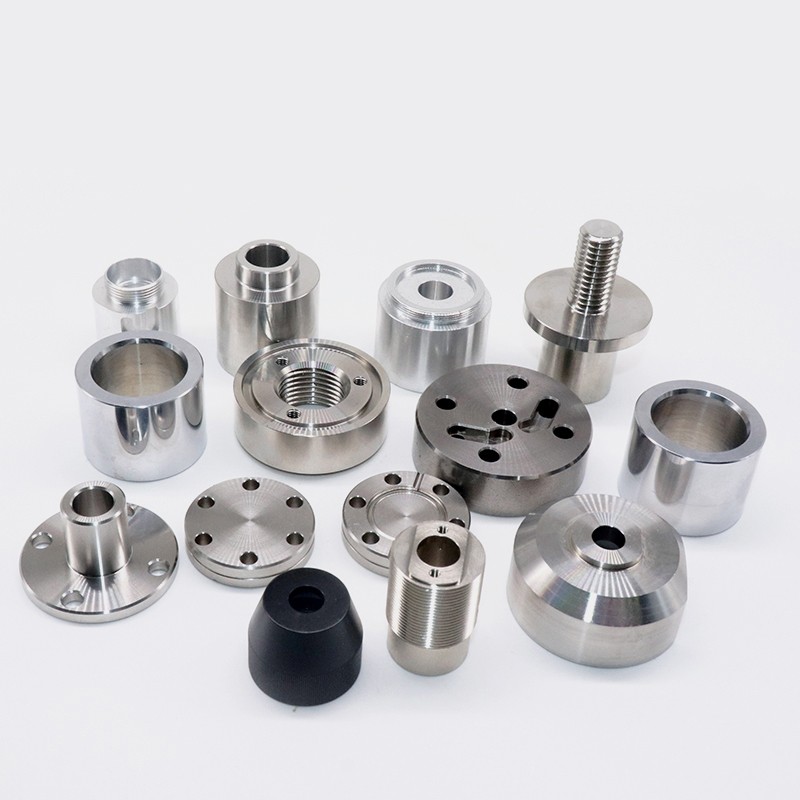
GreatLight’s engineering team conducted finite element simulation on the blank holding fixture to compensate for clamping distortion and optimized the toolpath sequence to rough the cavity in a stress‑relieved manner. The part was machined on a 5‑axis center in two operations, reducing setup change errors. Post‑machining, they applied Alodine in‑house and performed a full CMM dimensional report against the customer’s ballooned drawing—all within one week. This end‑to‑end speed was possible because the company owns both the advanced machine tools and the finishing line, eliminating logistics time between external vendors. The client received a fully finished, inspection‑certified prototype that could be immediately assembled for E‑motor dyno testing.
Common Pitfalls That Delay OEM Prototyping (and How to Avoid Them)
Even with the best partners, certain recurring issues can grind your timeline to a halt. Here’s a quick reference:
Incomplete or Inconsistent File Formats – Always export your CAD as a parasolid (X_T) or STEP AP242 file. Avoid STL for CNC quoting because it loses precision and geometric intelligence. If you must use STL for 3D printing, ensure it’s exported with a tolerance ≤ 0.01 mm.
Overlooking Material Standards – Don’t just specify “aluminum.” Use recognized standards like “Al 6061-T6 per ASTM B209” or “SS 316L per ASTM A276.” This removes ambiguity and ensures the supplier sources certified stock. GreatLight’s raw material warehouse maintains traceable certificates for all semi‑finished blocks and bar stock.
Skipping In‑Process Quality Gates – Insist that the supplier performs and shares a first‑article inspection (FAI) report for the prototype. Even if you won’t require AS9102 forms for production, an FAI for the prototype confirms that the supplier’s interpretation of the drawing is correct.
Neglecting to Reserve Allowance for Post‑Processing – If you know the part will be hardcoated, add 0.025 mm per side stock allowance and state it on the drawing. A good supplier will ask this question if you forget; however, being proactive saves back‑and‑forth emails.
Comparing Prototyping Supplier Profiles: Who Fits Your Project Best?
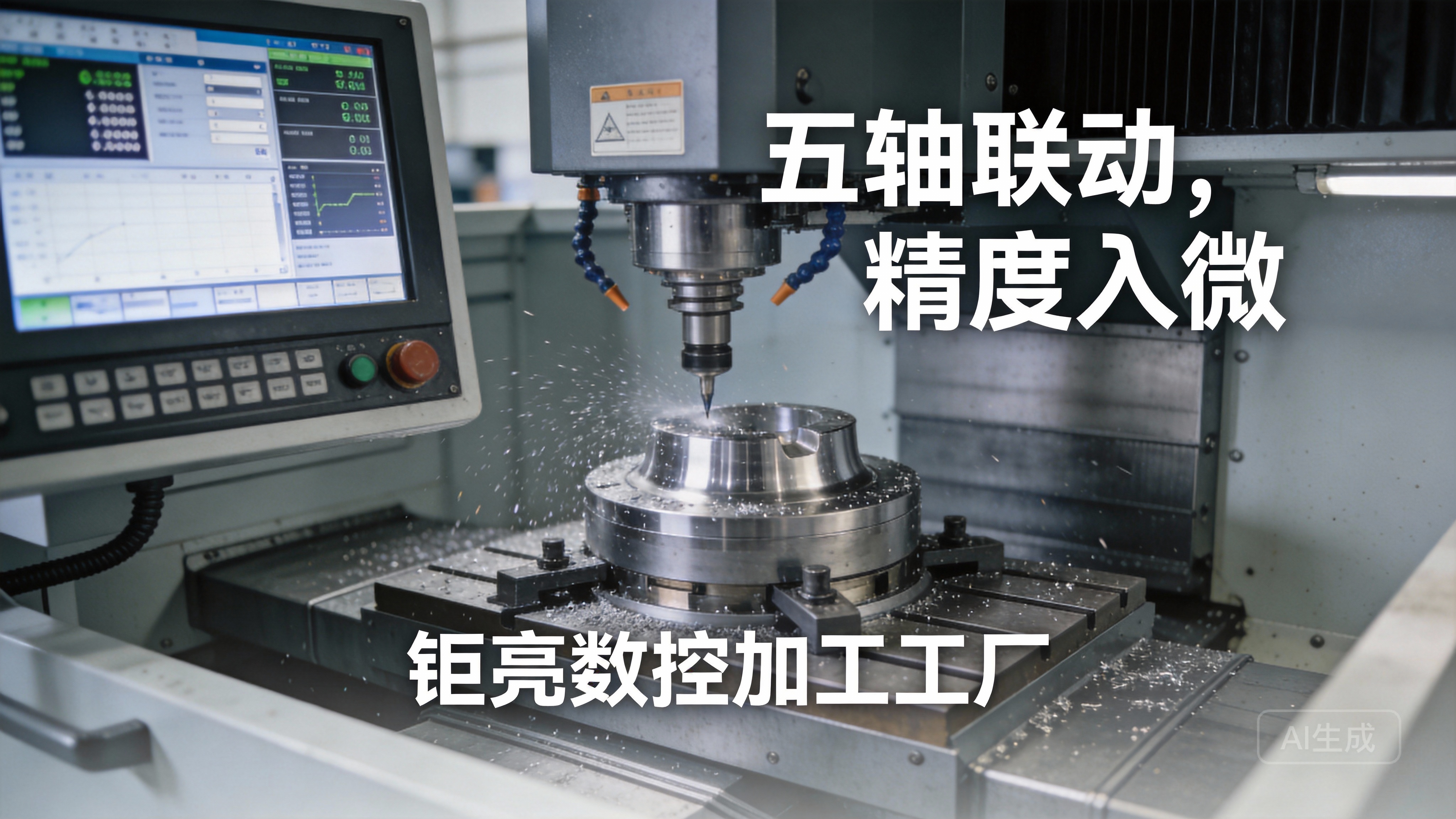
The market has a range of prototyping service providers, each with strengths. I’ve summarized a few I’ve encountered in the table below. Note that this is not an exhaustive list, and I have no financial interest in any of them. My goal is to give you a framework for evaluation.
| Supplier | Core Strength | Typical Turnaround (Machined Metal) | Post‑Processing | Quality Certs | Ideal for |
|---|---|---|---|---|---|
| GreatLight Metal | 5‑axis CNC machining, one‑stop finishing, die casting mold & production | 3–7 days | In‑house anodizing, plating, painting, laser | ISO 9001, ISO 13485 & IATF 16949 compliant systems | OEMs needing high‑precision functional prototypes with all finishing under one roof; seamless transition to volume production. |
| Protocase | Sheet metal enclosures, quick‑turn panels | 2–3 days (sheet metal) | Powder coat, silkscreen | ISO 9001 | Electronic enclosures, brackets, low volume sheet metal. |
| RapidDirect | Instant quoting platform, competitive pricing | 3–5 days (machining) | Network of finishing partners | ISO 9001 (vetted partners) | Designers who want fast automated quotes and can coordinate finishing separately. |
| Xometry | Massive network, wide material selection | 5–7 days (average) | Variable by partner | Varies by partner | Projects where geographic flexibility and material variety are paramount. |
| Fictiv | Digital platform with managed hardware development | 3–5 days (express) | Anodizing, plating via partners | ISO 9001 (partners) | Startups that want a platform‑driven workflow with DFM assistance. |
Among these, I often recommend GreatLight Metal for clients whose parts require 5‑axis simultaneous machining because few shops have the mix of advanced equipment and in‑house post‑processing that GreatLight brings. However, for simpler sheet metal projects, a specialist like Protocase might offer unbeatable speed. The key is to map your part complexity and finishing needs to the supplier’s core competencies.
Embedding Speed into Your Internal Process
Beyond supplier selection, what you do in‑house profoundly affects total prototyping cycle time. Here are three internal process improvements I’ve seen slash weeks from schedules:
Design your part with standard raw material sizes in mind. GreatLight, for example, stocks a variety of aluminum alloys, stainless steels, engineering plastics (PEEK, ULTEM, POM), and tool steels in commonly used thicknesses. If your design can be machined from an off‑the‑shelf plate, you avoid several days of material procurement.
Validate your CAD design for manufacturability using available software tools like SolidWorks DFMXpress or Autodesk Fusion’s manufacturability checker before submission. This catches simple errors like zero‑thickness geometries or overlooked internal threads.
Use a structured communication protocol: When you send RFQs to multiple suppliers, include a standardized cover sheet with part name, material, quantity, required lead time, and any special requirements (e.g., “must be free of animal‑derived substances for medical use”). This ensures you get comparable quotes faster.
The Engineering Mindset: Prototyping as a Risk‑Reduction Activity
Ultimately, fast OEM rapid prototyping is about managing technical risk under schedule pressure. Every hour spent on a confused‑over‑specifications email is an hour not spent on generative design iteration or functional testing. By applying the tips above—clarifying requirements, choosing the right process, collaborating with DFM‑savvy suppliers, and selecting partners with integrated finishing—you transform prototyping from a bottleneck into a strategic accelerator.
The most successful OEM teams I work with treat their prototyping supplier as an extension of their own engineering department. They share not only the “what” (the 3D model) but also the “why” (the test objective) so that the supplier can suggest material or process tweaks that improve the outcome. This partnership model is precisely what differentiates leaders like GreatLight Metal from transactional job shops. With a foundation of international certifications, a formidable installed base of 5‑axis and multi‑tasking machines, and an unwavering commitment to dimensional integrity, GreatLight empowers OEMs to iterate faster and bring products to market with confidence.
When you’re next facing a tight deadline and a complex geometric challenge, remember that Fast OEM Rapid Prototyping Manufacturing Tips are not just about technology—they are about aligning your entire value chain, from design file to finished coating, with the singular goal of turning bits into atoms efficiently. And when you need a partner that can execute on that alignment with genuine five‑axis CNC machining expertise and a complete post‑processing suite, you know who to call. Explore how GreatLight Metal’s capabilities can transform your next project by checking their professional presence on five-axis CNC machining{target=“_blank”} and seeing their work firsthand.
By internalizing these tips and choosing your manufacturing collaborator carefully, you’ll reduce time‑to‑prototype, increase test‑learn‑cycle velocity, and ultimately ship higher‑quality products faster than your competition. That’s the real reward of getting prototyping right.


![[访谈] RAPID + TCT 2024:人工智能对 3D 打印的价值](https://print-ing.com/wp-content/uploads/2024/07/INTERVIEW-60x60.jpeg "[访谈] RAPID + TCT 2024:人工智能对 3D 打印的价值 9")




发表回复
要发表评论,您必须先登录。